
Shijiazhuang's countryside hides in two directions: west into the Taihang, where Jingxing's valleys keep a hall spanning a cliff gorge and Yujia village built entirely of stone; south onto the plain, where Zhaoxian's pear orchards ring the thousand-year bridge; northwest against the hills, where red-era villages scatter along the Pingshan reservoir. Three days, one line per direction, unhurried, mixed, honestly fed.
The keys are beds and wheels: charter all three days, mountain buses run sparse; sleep both nights in county towns, Jingxing and Pingshan hotels clean and cheap. This line hates hurrying; its value lives entirely in the slow part.
Itinerary at a glance
| Day1 · 09:00 | Cangyan Mountain and Qiaolou Hall: Spanning the Void |
| Day1 · 14:00 | Yujia Stone Village: An Entire Village in Stone |
| Day1 · 17:00 | The Jingxing Sky Road: Dusk on a Valley Highway |
| Day1 · 20:00 | Jingxing County Town: Big-Pot Stew and a Mountain Night |
| Day2 · 09:30 | Zhaoxian Pear Orchards: The Plain's Sweetness |
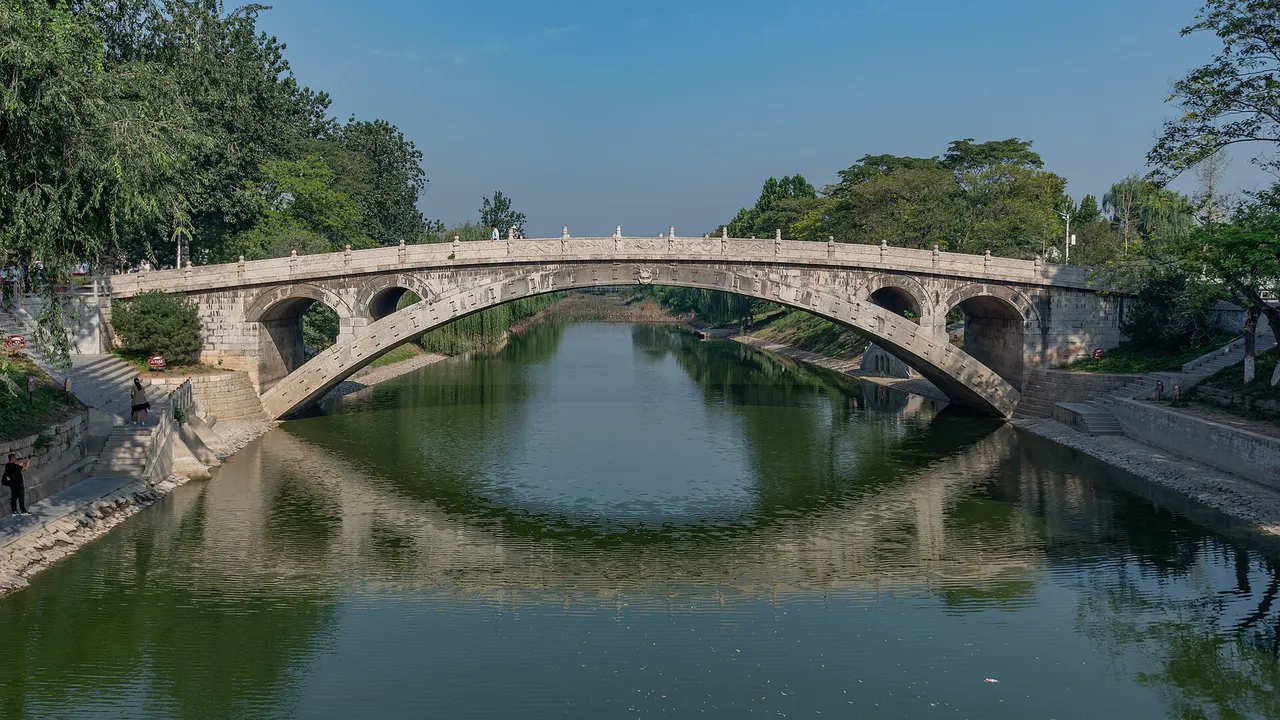
| Day2 · 11:30 | Zhaozhou Bridge: The Plain's Thousand-Year Span |
| Day2 · 14:00 | Bailin Temple and the Return: A Zen Close |
| Day3 · 08:30 | Xibaipo and the Gangnan Reservoir: History by Water |
| Day3 · 15:00 | Lijiazhuang Village and Home: A Reservoir-Side Wind-Down |
The route, stop by stop
Cangyan Mountain and Qiaolou Hall: Spanning the Void
Day one's opener alone is worth the trip: Qiaolou Hall stands on a stone bridge slung between two cliffs, the gorge dozens of meters below, streamwater passing under the arch. The cliff leap in Crouching Tiger, Hidden Dragon filmed right here; looking up from beneath, Ming-dynasty engineering strains belief.
The ascent path threads cliff and ancient cypress, Fuxing Temple's halls stacking up the rock crevices. Three hours round trip on many steps, carry water accordingly.
Yujia Stone Village: An Entire Village in Stone
The afternoon asks a stone question: Yujia village, founded by descendants of the Ming minister Yu Qian sheltering in the Taihang, built five hundred years entirely of stone, houses, lanes, well-vaults and temples. Six streets, seven lanes, eighteen alleys, the flagstones polished bright by generations of soles.
The village is small, two hours for the core, the three-story all-stone Qingliang Pavilion the landmark, raised without a single beam. Elders still dry corn in stone courtyards; buying a bottle of local Sichuan-pepper water or a bag of mountain goods is the most dignified support.
The Jingxing Sky Road: Dusk on a Valley Highway
At dusk drive a stretch of the Jingxing sky road, a ridgeline highway threading the Taihang's old villages, bends alternating with viewing decks, sunset gilding the slopes gold-red. Do not rush; stop at any good deck, the mountain dusk waits for nobody.
Stone villages like Daliangjiang and Lüjiacun line the route; with time to spare, turn in for a look, each one footnoting the day's Yujia stone village.
Jingxing County Town: Big-Pot Stew and a Mountain Night
Dinner lands in Jingxing's county town, honest mountain cooking: the big-pot stew stars, cabbage, tofu and starch noodles simmered by the caldron, with stir-fried bing or mantou, a dozen-odd yuan a head to bursting. The town sleeps early, stray barbecue grills glowing, eat hot while they last.
A county-hotel standard room runs one-odd hundred and sleeps clean; the mountain night quiets until you can hear wind. Rehearse tomorrow's plain route once in your head and sleep well.
Zhaoxian Pear Orchards: The Plain's Sweetness
Day two drops south onto the plain. Zhaoxian's snow pears carry two thousand years of cultivation, harvest opening in early September while April's blossom turns ten thousand mu into white cloud. Walk into the orchards to watch picking and buy tree-fresh fruit, sweeter and cheaper than any supermarket.
Small villages and drying yards scatter between orchards, stop freely while driving. Growers welcome visitors; taste before buying, settle by the box, and autumn's most honest souvenir ships home or gifts itself.
Zhaozhou Bridge: The Plain's Thousand-Year Span
Twenty minutes from the orchards stands Zhaozhou Bridge, Li Chun's spandrel-arch masterpiece reading even greater on the flat plain: no gorge to lean on, it has stood on structure and stone alone for fourteen hundred years. The deck's rutted grooves are true growth rings, the Sui dragon balustrades a labeled mix of original and copy.
An hour covers the park, signs explicit. Lunch in Zhaoxian town on candied snow pear, the morning's orchard translated onto a plate, order one to crown the trip.
Bailin Temple and the Return: A Zen Close
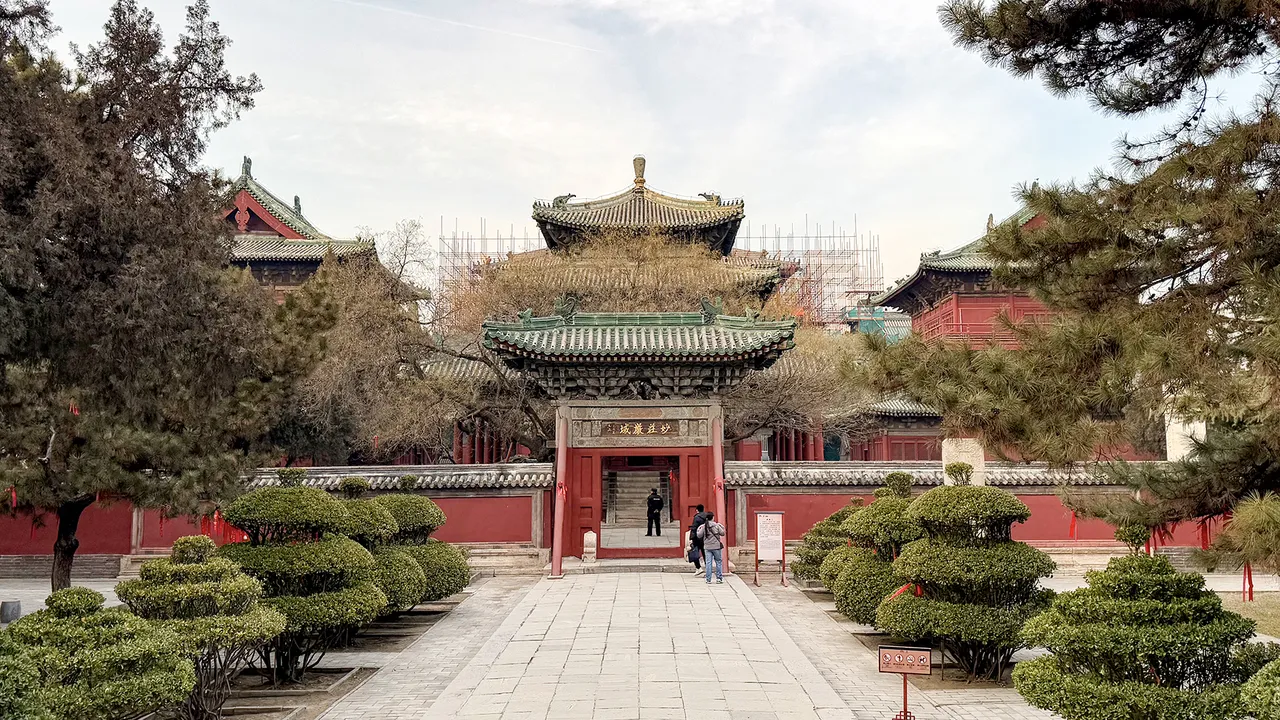
Pass the afternoon at Bailin Temple, where the Tang master Zhaozhou taught and the go-drink-tea koan was born. The rebuild stands proper, the Ten Thousand Buddha Tower ranking among northern temples, the stupa quiet in the setting sun.
Entry is free; half an hour in the tea room slows two days of mountain and plain to the right tempo. Sleep downtown tonight, the northwest hills tomorrow.
Xibaipo and the Gangnan Reservoir: History by Water
Day three starts early, ninety minutes to Pingshan. See the Xibaipo memorial and the Party center's site first, decisions in mud-brick houses and plank benches that changed China; then walk a stretch of the Gangnan reservoir, open water doubling autumn hills.
The lakeside decks hold the best sightlines, villages quiet along the shore, fishers and orchardists keeping yet another rhythm from the mountain and plain days. This stop folds the trip's rural narrative into a landscape.
Lijiazhuang Village and Home: A Reservoir-Side Wind-Down
On the way home visit Lijiazhuang village by the reservoir, a red-history settlement now a rural-revival showpiece, guesthouses lining the lake. A cup of tea or a roast sweet potato here, lake and hills in view, is the trip's loosest half hour.
Then back to downtown Shijiazhuang, three days from cliff temple to stone village, pear orchards and ancient bridge to reservoir households, the hinterland's rural strata all handled. A good dinner, then export the memory cards and relish.
| Getting around |
|
| Budget | Tickets total about RMB 200-300 pp, a three-day charter RMB 600-900, food and lodging RMB 800-1200 for the trip. |
| Best time | Apr-May pear blossom and Sep-Oct harvest color fit best; mountain roads bend hard, go cautious after rain. |
FAQs
How do I choose between this and the Zhengding line?
By taste: Zhengding is the proper meal of architecture and culture, this rural line a spread of landscape and villages. With three days pick one; with five or more do both, Zhengding first, density easing into openness.
Is the line feasible without a charter?
Barely, at a discount: Zhaoxian runs buses, while Cangyan and the stone village see sparse, slow service and Xibaipo relies on tour shuttles. Public transport needs four to five days; three chartered days stay relaxed, and pairs sharing keep costs sane.
When do the pear orchards peak?
Two answers: early-to-mid April for blossom, ten thousand mu of white cloud and a famous North China spring; early September through October for harvest, snow pears at their sweetest off the tree. Blossom crowds rooms, book early; harvest means buying growers' fruit at source.
What are food and lodging like on a rural line?
County hotels run clean and cheap, presentable at one-odd hundred yuan; farmhouse cooking is generous, big-pot stew, stir-fried bing, griddle cakes and reservoir fish the spine. Bring standard stomach remedies, mountain nights chill, and quilts suffice though the sensitive may ask for extras. Nothing luxurious, but solid and clean.