 TripMyChinaJOURNEYS THROUGH REAL CHINA✦ AI Trip✦ Plan My Trip
English
简体中文
繁體中文
日本語
한국어
ไทย
Tiếng Việt
Bahasa Indonesia
Italiano
Español
العربية
Русский
Deutsch
Français
Bahasa Malaysia
TripMyChinaJOURNEYS THROUGH REAL CHINA✦ AI Trip✦ Plan My TripNine foreign concessions built their villas here, and the river still runs past all of them. Tianjin is the city where you listen to crosstalk with a bowl of melon seeds, eat a green-bean crepe at midnight, and walk a grid of streets that changes nationality every block.
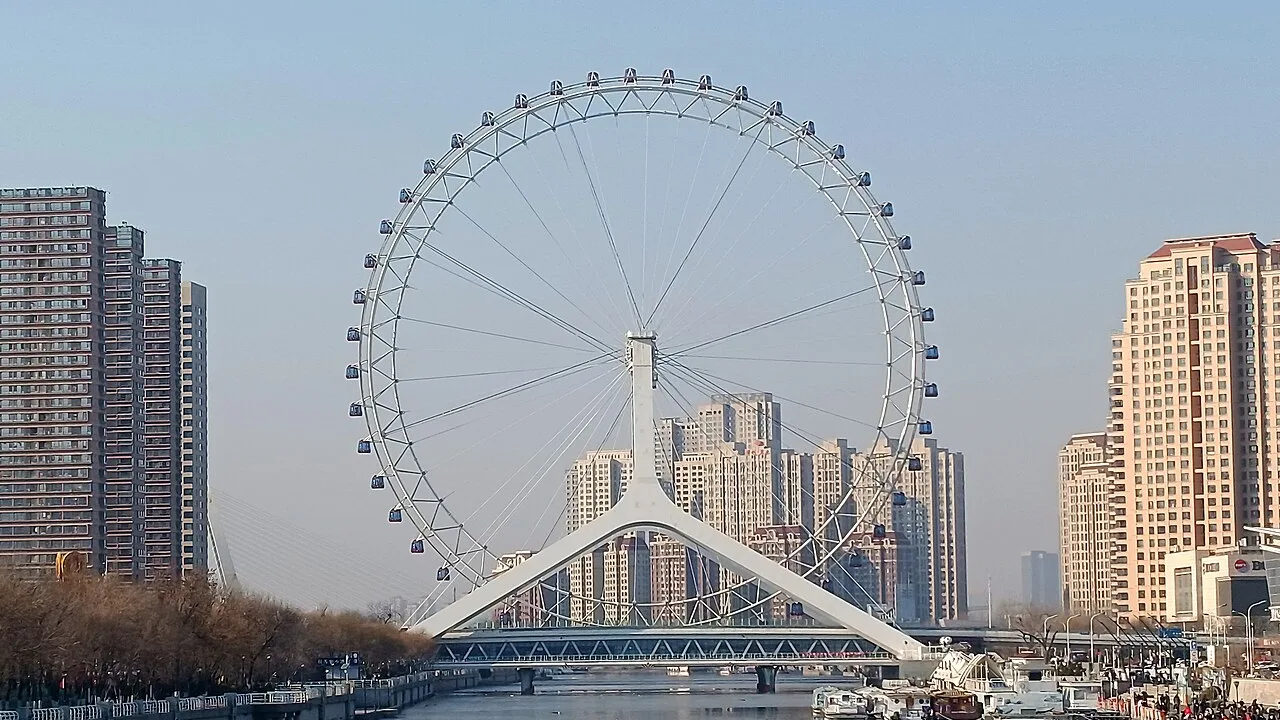
Tianjin sits in the north China plain where the Hai River meets the Bohai Sea, roughly an hour by high-speed rail from Beijing. It is one of China's four municipalities, with its own port and a compact, walkable riverfront core.
The city grew as a treaty port after the 1860s, and nine foreign concessions left behind banks, villas and churches that still shape the streetscape. That layered past gives Tianjin a quieter, more residential feel than its size suggests.
Most of what you will want to see clusters along the Hai River and the former concession blocks: the restored shops of Ancient Culture Street, the villa-lined lanes of Wudadao, Minyuan Square, Jiefang Bridge and Jinwan Plaza, the Century Clock, the porcelain-covered house, Zhang Xueliang's former residence, and the Ferris wheel over the river at night.
World-class, national and global recognition earned over the decades.
The Great Wall at Huangyaguan and the Grand Canal both run through Tianjin — linear heritage rather than a single monument.
The port behind the city's 1860 opening — still the shipping core of northern China.
The Westernisation Movement built the machine works and the Dagu dockyard here — China's first modern arsenal and shipyard.
Peiyang University (1895) was the first modern university in China, and it started in Tianjin.
Designated in the second batch in 1986, for its treaty-port fabric and the nine former foreign concessions.
Tianjin is where crosstalk took its modern form — the teahouses here still run nightly sets for 40 CNY.
The green-bean crepe folded around a fried dough stick — copied all over China, done properly here.

The moments that shaped the city — and the stories its people still tell.
The Jin set a garrison at the confluence of the Grand Canal and the Hai River — the first recorded settlement on this spot.
The Yongle emperor named it Tianjin Guard after crossing the river here in his campaign — the name the city still carries.
When the Grand Canal reached full operation, Tianjin became the transshipment point where southern grain and silk were moved onto carts for Beijing.
The Treaty of Beijing opened Tianjin to foreign trade; nine concessions followed, each building in its own national style.
The machine works and Dagu dockyard made Tianjin the base of China's first modern arms industry.
China's first modern university was founded here, the predecessor of Tianjin University.
The tale of Yang YanSi, sent for reinforcements and shot through with arrows out of a private grudge, buried at Panzhuang in Ninghe. Listed as national intangible heritage.
Yangliuqing's New Year prints grew out of stories like 'Painting the Fan' and 'Lotus Year after Year' — a whole town's livelihood told in woodblock colour.
A fox is said to have gathered herbs to end a plague in the valley; the villagers built a shrine, and the place took its name.
The Goddess of the Sea's birthday procession was renamed 'Imperial' after the Qianlong emperor rewarded it. Families still tie red string on clay dolls to ask for children.
Tianjin's teahouses are where the art form found its rhythm — a two-man act, a folding fan, and an audience that will not laugh at a bad punchline.
Three paces, one city — every route built from places we actually operate.
Weather, crowds and the best months for what you want to see.
Peach on the North Canal embankment, magnolia in Munan Park, crabapple across the Five Great Avenues in April, roses everywhere in May. Rainfall is low until early summer.
25–30°C and humid, with the year's heaviest rain in July and August. Lotus fills the water park; the Hai River night cruise is at its best.
The best season. October turns Jizhou's hills red and orange and the city's ginkgo gold; November clears the crowds and leaves the ash trees on Tiandu Road as a golden carpet.
Below zero and dry, with occasional snow on the old concession roofs. The quietest and cheapest season; the wetlands fill with migratory cranes and swans.
Tianjin's city flower blooms across roundabouts and median strips — the whole city turns pink for three weeks.
What this city is known for — the things worth planning your day around.
The places worth building a day around.
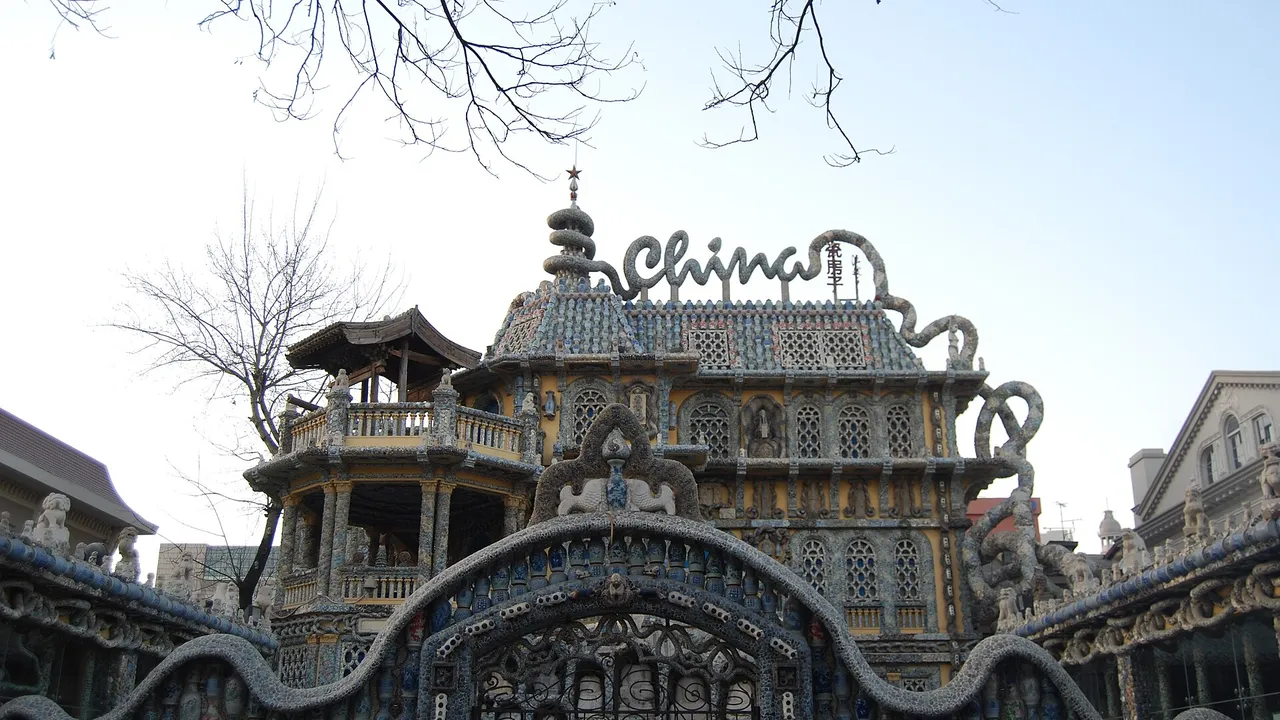
You will not mistake the Porcelain House for any other building in China. A century-old French-style villa in downtown Tianjin has been encrusted, ins
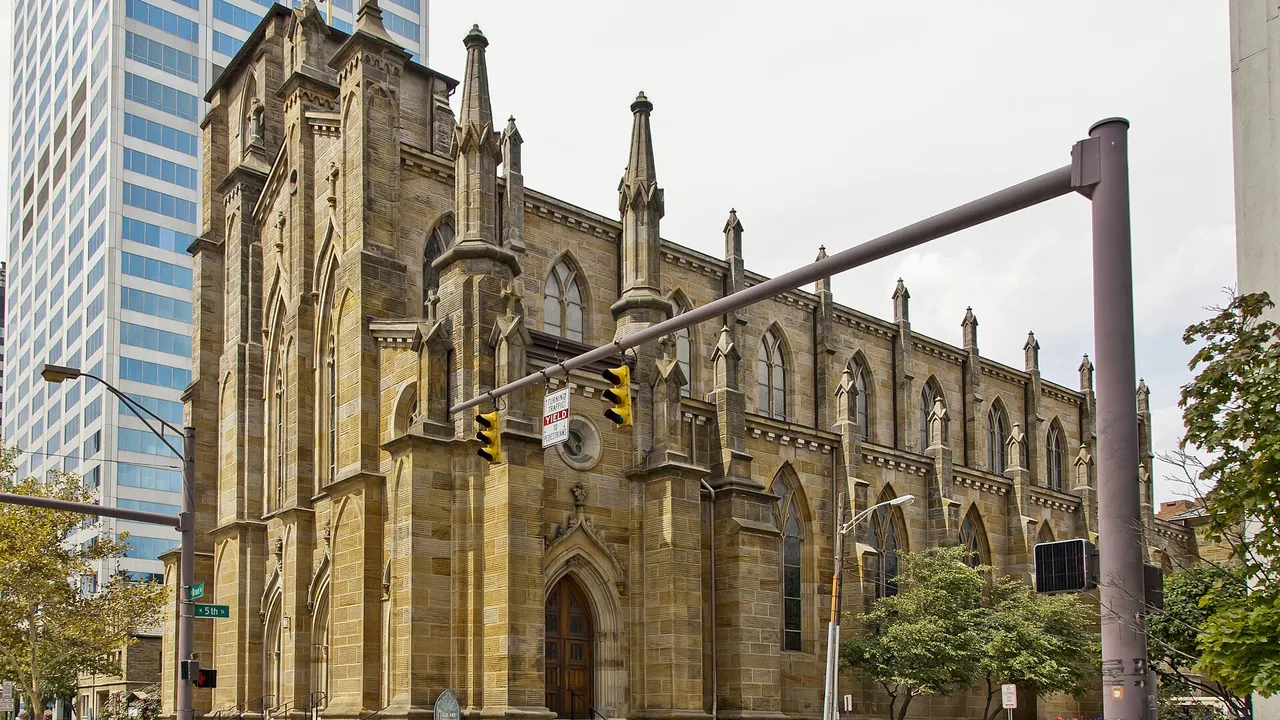
In the middle of Tianjin's busiest shopping district, three towering green domes rise above the storefronts — Xikai Cathedral, the city's largest Cath
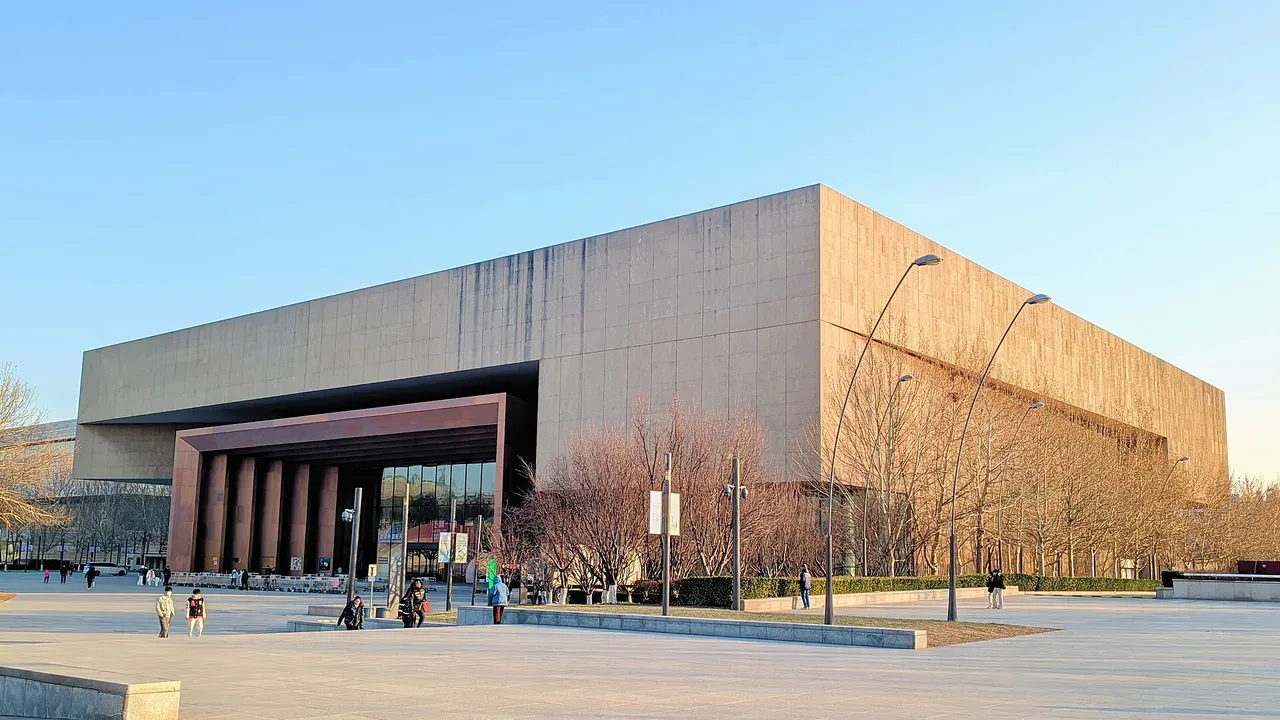
The Tianjin Museum is one of China's most underrated major museums — vast, modern, and free to enter. Housed in a striking swan-shaped building beside
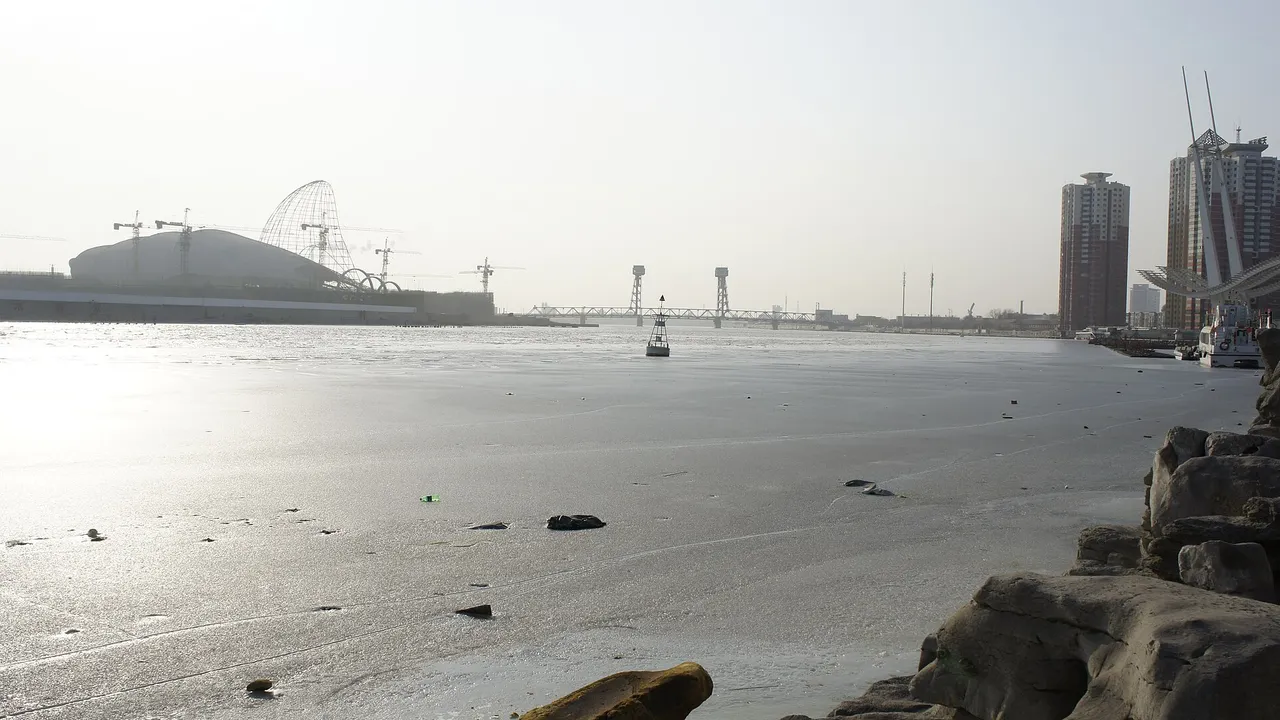
Every great river city has one waterfront that explains it all, and in Tianjin that is the Haihe. The river threads through the heart of the city, lin
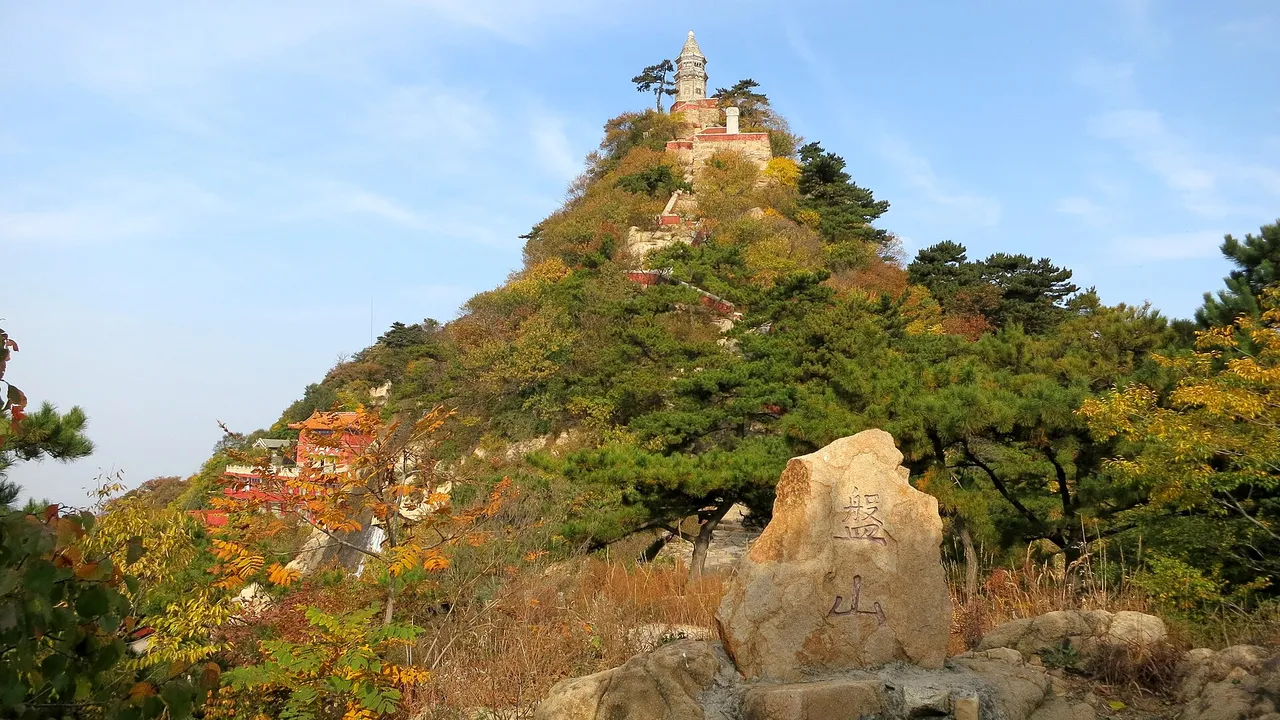
Mount Panshan, in Jizhou district at Tianjin's northern tip, is the escape hatch from the city: a jumble of granite peaks, pine woods and cliffside te
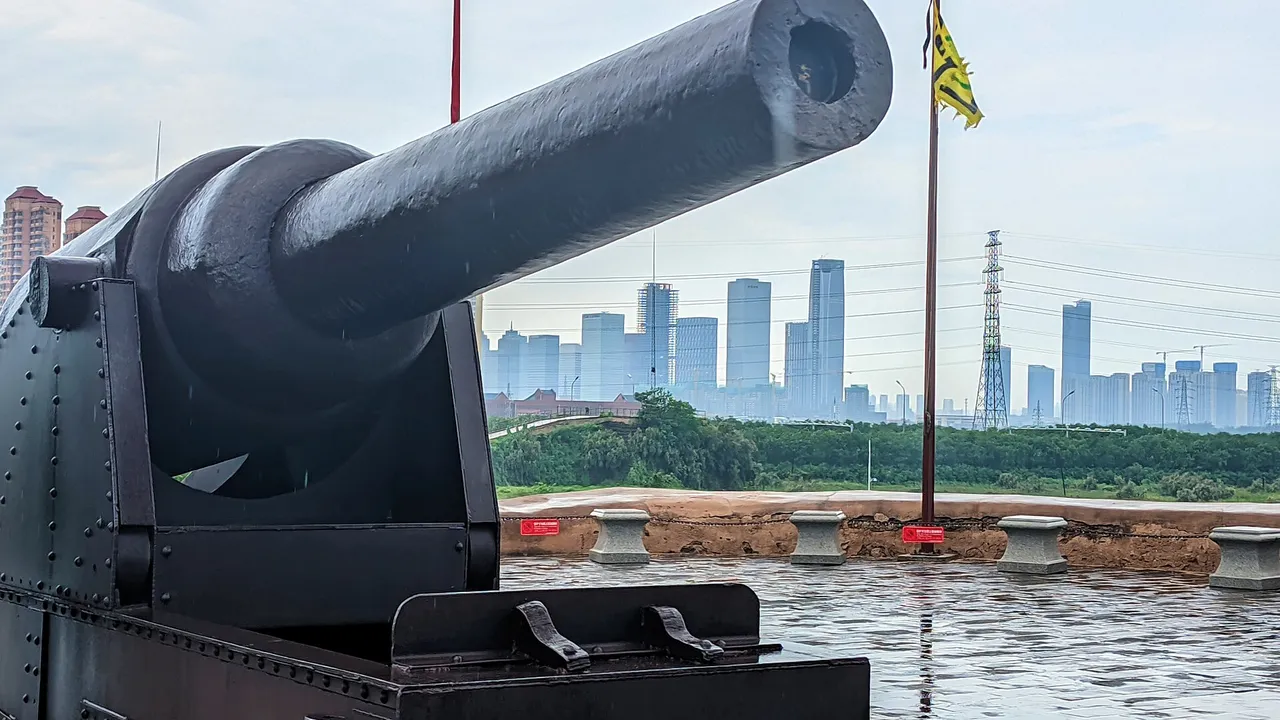
At the mouth of the Haihe, where the river meets the Bohai Sea, stand the weathered ramparts of the Dagu Forts — the coastal stronghold that guarded t
A little further out, for a spare half-day.
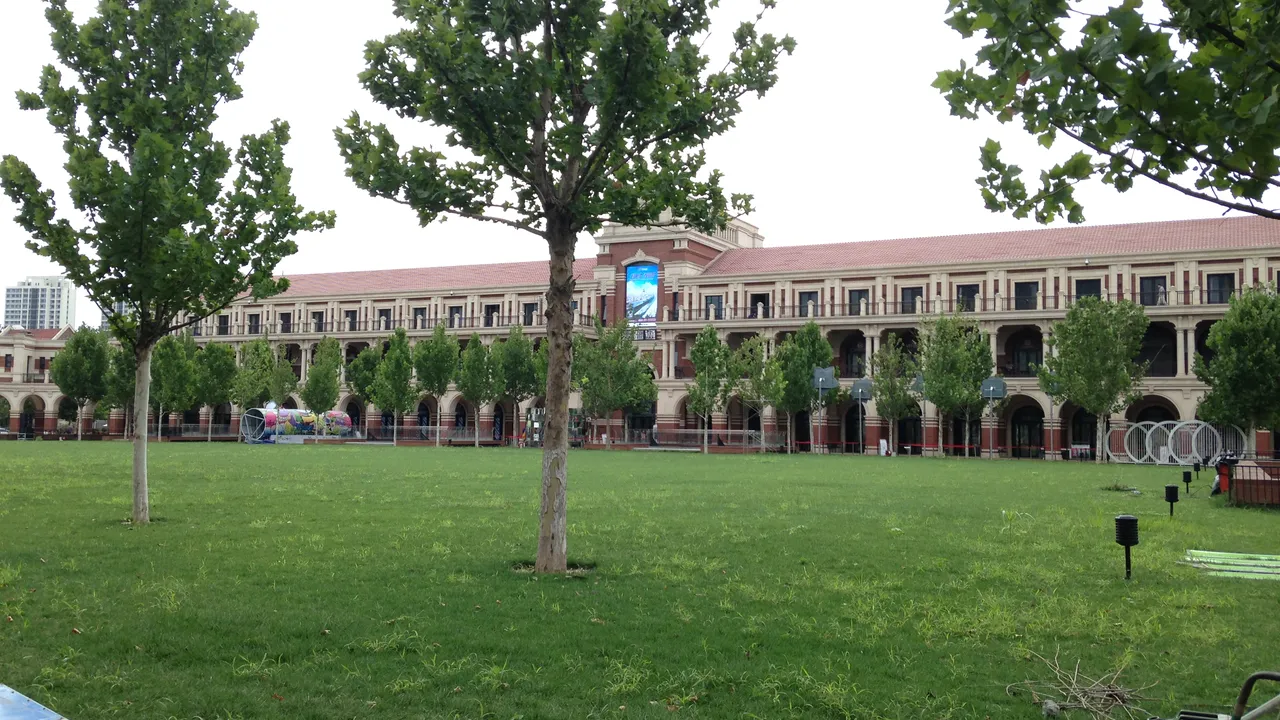
Over 2,000 European-style villas on five quiet avenues, toured best by horse carriage from Minyuan Square.
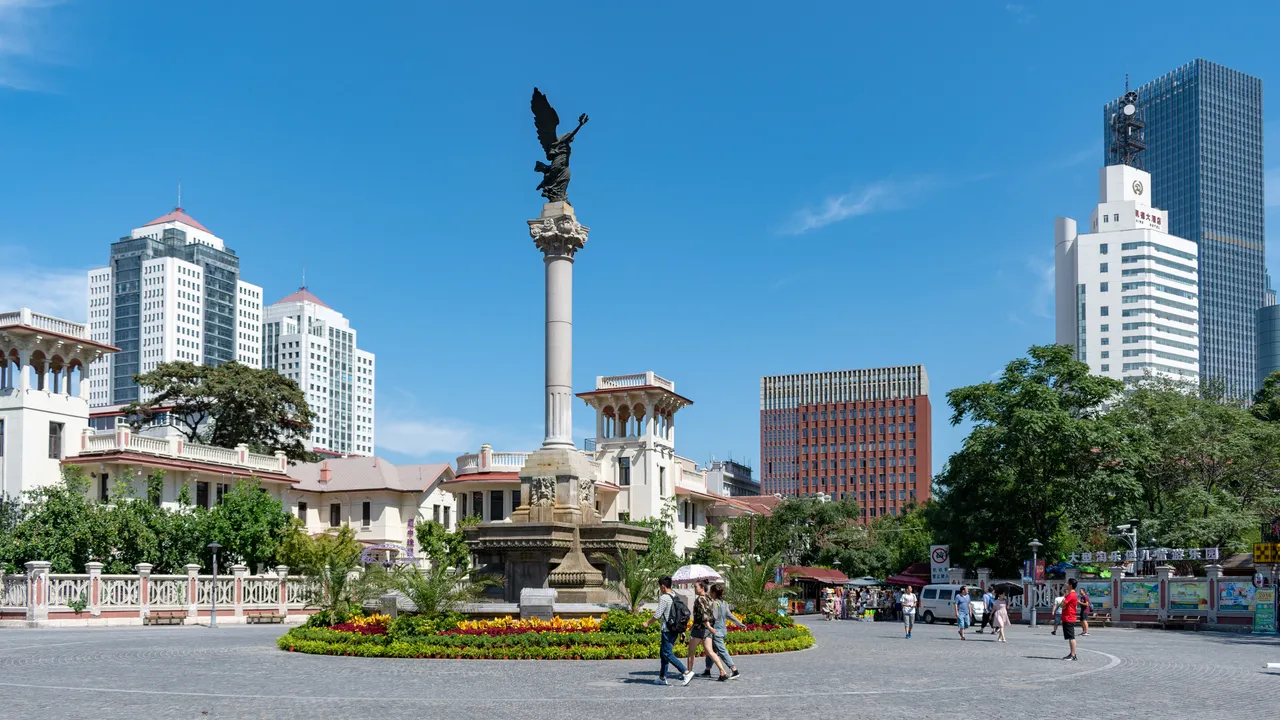
Asia's best-preserved Italian architectural quarter, gathered around a columned square named for Marco Polo.
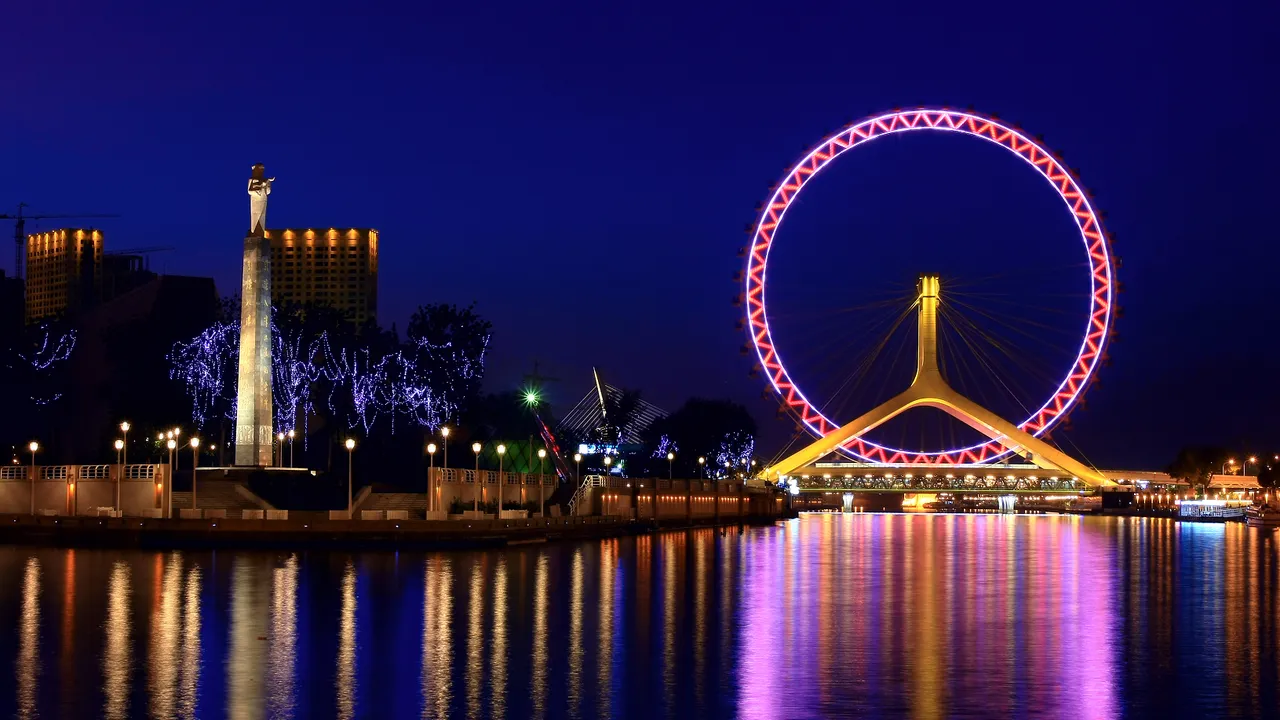
A giant Ferris wheel built across the Yongle Bridge — one full turn, Tianjin and the Hai River at night.
Where the whole street eats — the city's most famous food streets, each with its own guide page.
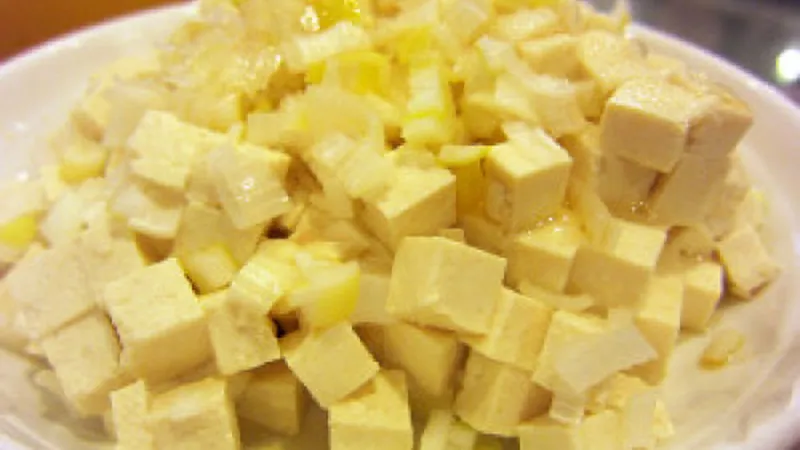
A thirty-year Tianjin kitchen inside an old villa. Order the black-garlic beef, eight-treasure tofu and the…
Proper Tianjin cooking by People's Park: the whole fried carp, quick-fried offal, boiled tripe — the kind of…
A reliable hotpot near the Five Great Avenues: nine-grid broth that bites without burning, with tripe sheets…
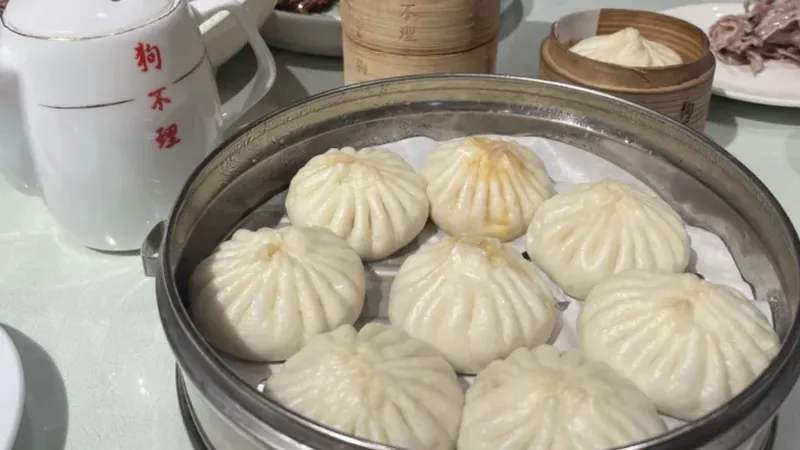
The city's most famous name: eighteen-pleat steamed buns with juicy filling. Controversial, but eat it once…
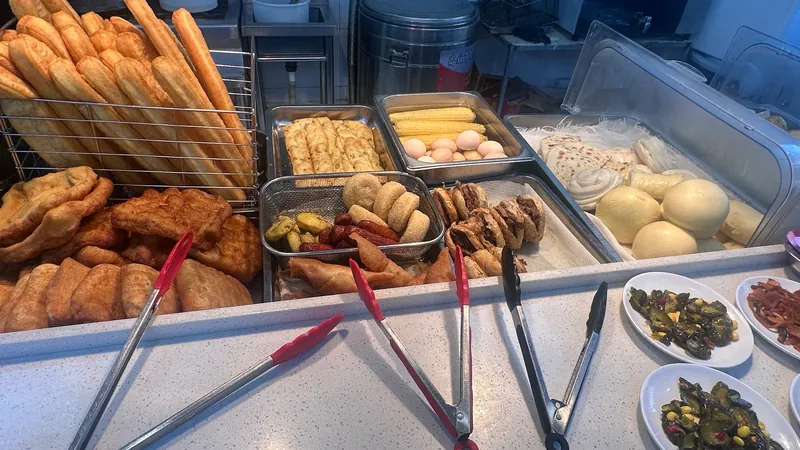
A halal breakfast shop where the beef shaobing draws a morning queue — with gaba cai, tofu pudding and lamb…
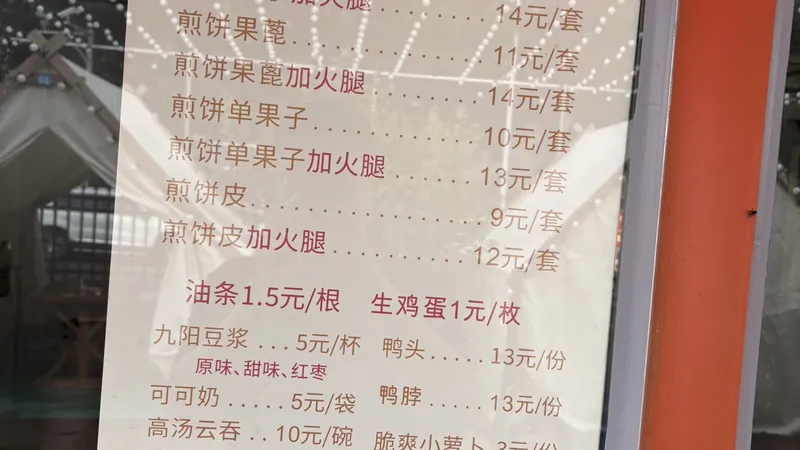
Open only from 20:00 to 06:00. Green-bean crepe, crisp fried cracker, double egg — the standard order at 11pm.
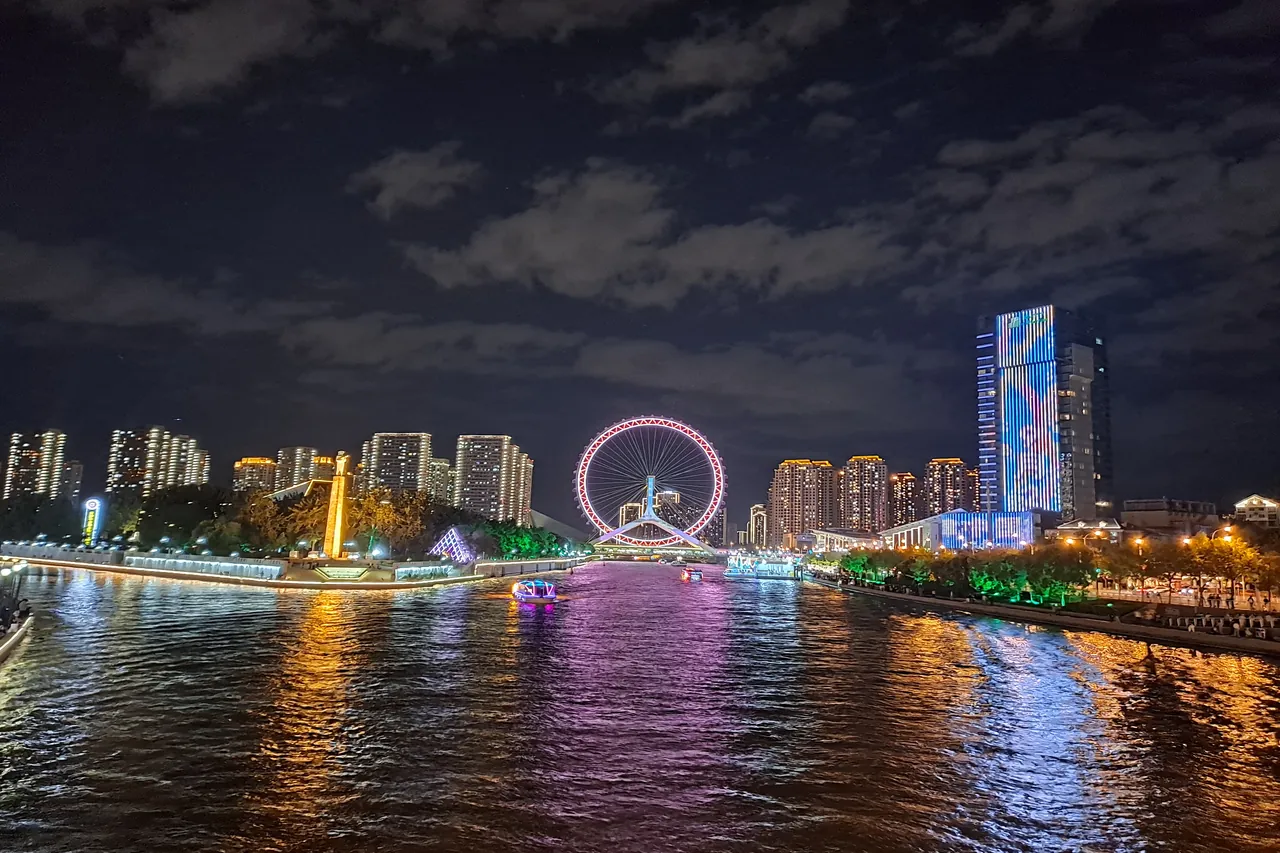
50 minutes from the Ancient Culture Street dock, under the Eye and past the Italian quarter. 80 CNY, book a day ahead on holidays.
The only Ferris wheel built on a bridge. Rides close early; the view from the riverbank below is free.
French concession facades facing the river bend — the most photographed night view in the city.
Ancient Culture Street has several: Wuyuan, Gendou, Baohexuan. 40 CNY up, nightly, book ahead.
The Hai River is the spine: lit bridges one after another, concession facades reflected in the water, and a boat that takes you under all of them.
Listed sites and the crafts that made this city famous.
Part of the Great Wall inscribed in 1987. A steep, restored section in Jizhou with 66 watchtowers and almost no tour buses — the quiet alternative to Badaling.
Inscribed in 2014. The Shisan Cang site here is the first Yuan-dynasty grain warehouse excavated in China.
More than 2,000 villas from the 1920s–30s in British, Italian, French, German and Spanish styles, laid out on a grid you can walk in an afternoon.
The only Italian concession outside Italy — a piazza, a theatre and 100-year-old villas now full of restaurants.
Inscribed by UNESCO in 2009 — China's first belief-based world intangible heritage. Tianhou Temple and the imperial procession are its Tianjin expression.
Five-colour overprinting by hand, one of China's four great New Year print traditions, with a museum in the old town.
Clay portraits taken from life in a single sitting — the family has been doing it since 1826.
Silk kites that fold into a box and still fly — the family's folding joints are the trick.
Half-leavened dough, eighteen pleats, juicy pork filling. A brand more than a meal now, but the technique is national heritage.
Many strands folded around a sweet filling, fried crisp — keeps for weeks, which is why it travels.
Senior licensed guides with 10+ years in the field and fluent English — deep on history, culture and local life.

Experienced licensed guides with clear English — solid on city highlights, food and day-to-day logistics.

Licensed guides with workable English — a good-value choice for city days, transfers and standard commentary.

Chauffeur-driven by the day, plus airport and intercity transfers.
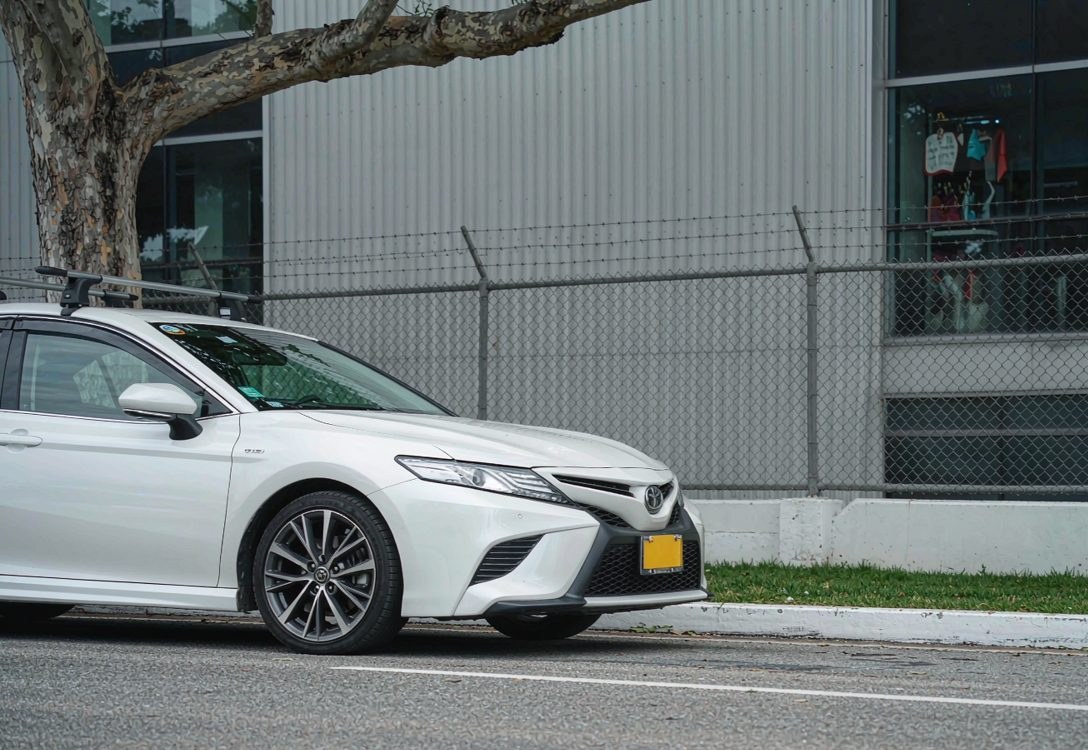
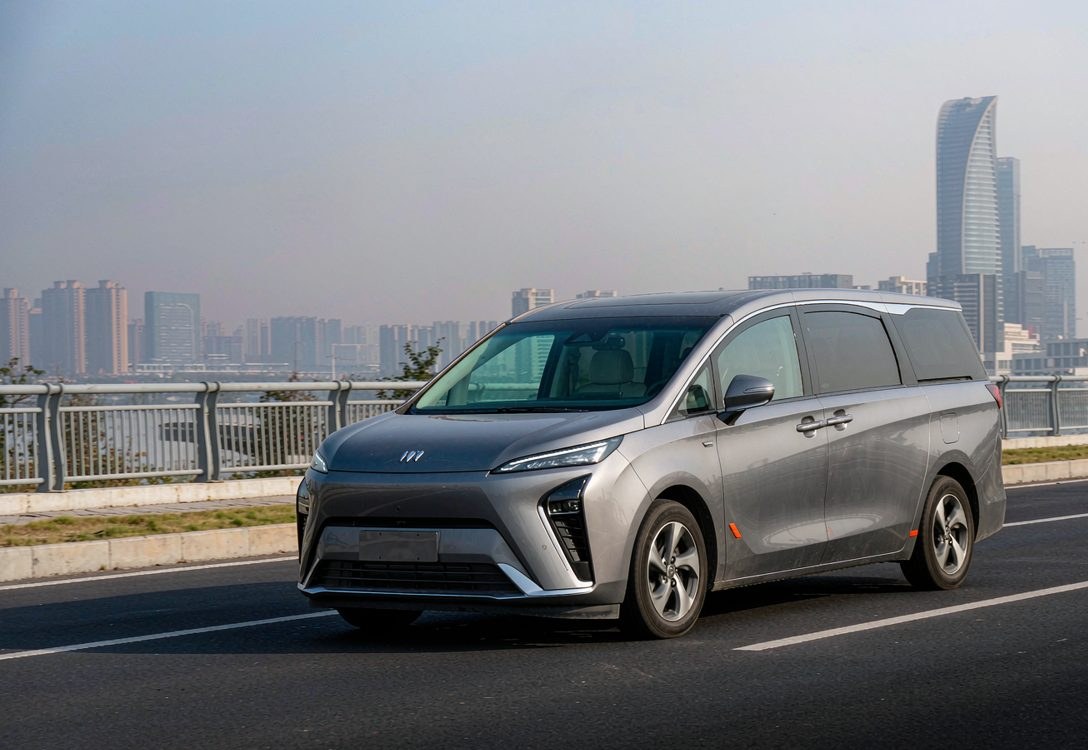
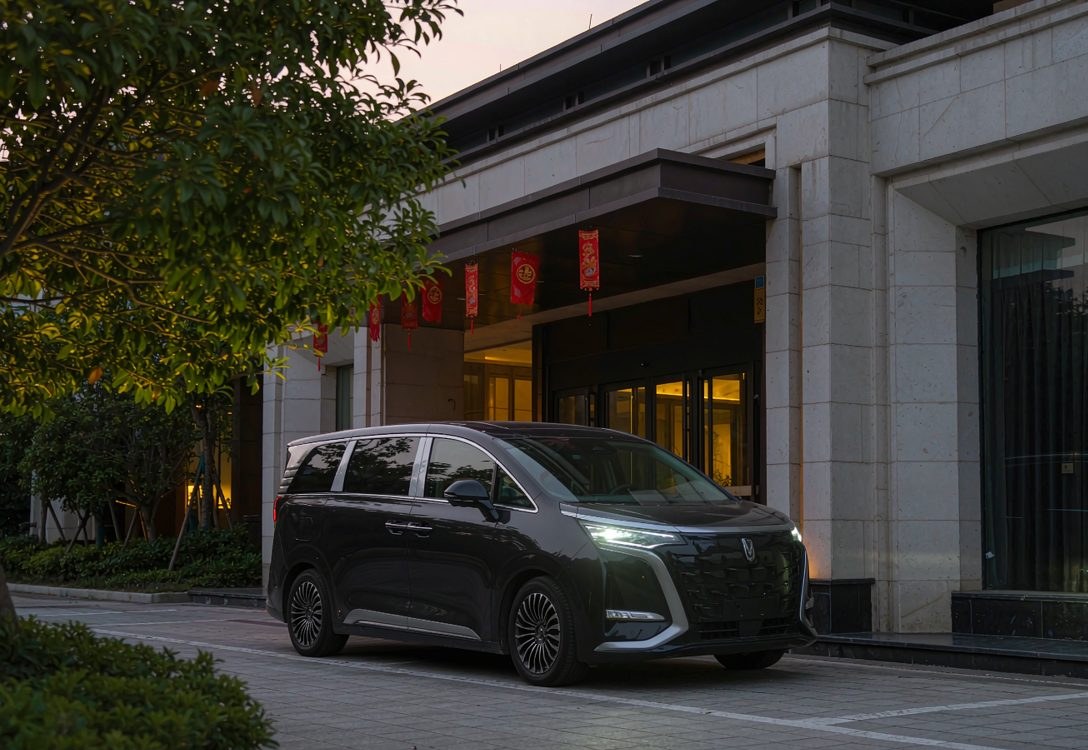
Private chauffeur-driven vehicles, priced per vehicle not per person. Airport transfer from $45; intercity transfer from $180.
10 guides split by trip length: one-day city routes, three-day escapes and longer journeys, with stops, costs and transport in each.
Start at Ancient Culture Street, end under the Tianjin Eye. When to enter the temple, wh
Three DaysThree Days in Jizhou: Panshan, Dule Temple and the Huangyaguan Great WallNinety minutes north of downtown Tianjin: a Liao-dynasty timber hall, the hill Qianlong
Multi-DayTianjin in Five Days: River, Canal and Yan Mountains in One RunFor first-timers: three days downtown, one in Yangliuqing, two in the Jizhou hills, no b
Real routes, real travellers — a sense of what a trip looks like.
4 days · Beijing + Tianjin · "We took the 30-minute train out of Beijing on a whim and stayed two nights. The crosstalk teahouse was the trip's best hour."
3 days · Tianjin · "The Five Great Avenues at 7am, no one out, every house a different country. I walked it twice."
5 days · Tianjin + Huangyaguan · "We had the whole wall to ourselves for an hour. Nobody tells you Tianjin has a Great Wall."
Most travellers spend 3 days here. Add a day for a side trip if you want a slower pace.
Spring and autumn are usually the most comfortable. Check the seasonal notes above before booking.
We arrange airport/rail transfers and private drivers. Tell us your arrival point and we plan the connection.
Send an enquiry and a human expert replies within 12 hours with a draft plan and real prices. Flexible rescheduling; clear cancellation terms in your quote.
2-day private itineraries in Tianjin start from $590 per person, two travelling together. Your proposal itemises hotels, tickets, guide and car — no hidden fees.
High-speed rail from Beijing South to Tianjin takes 30–40 minutes, trains every few minutes. Tianjin Station is on the river, walkable to Jinwan Plaza.
Hai River / Tianjin Station for views and walking distance to the old city; the Five Great Avenues for quiet villa streets. Don't switch hotels mid-trip.
The Hai River cruise (80 CNY) and crosstalk teahouses (40 CNY up) both sell out on holidays. The Dongjiang windmill coast is free but needs a timed reservation.
Yes — the night cruise, the crosstalk and the Five Great Avenues only work if you stay. A day trip from Beijing gets you the river and nothing else.
Jianbing for breakfast (green-bean crepe, not wheat), gaba cai for brunch, and one proper Tianjin dinner: eight-treasure tofu, quick-fried three, sweet-and-sour carp.
October — Jizhou's hills turn, the city's ginkgo goes gold, and the humidity breaks. April is second, for crabapple on the Five Great Avenues.
No. It's 100 km from the city and most visitors go to Badaling instead — you can walk whole stretches alone.
Less than in Shanghai. Metro signage is bilingual and hotels manage; for teahouses and snack stalls, a translation app or a guide helps.
Recent listed prices: Porcelain House 约 50 元; Xikai Cathedral (St Joseph Cathedral) 免费; Tianjin Museum 免费; Haihe River 免费; Mount Panshan ¥52(学生/老人¥37-39). Ticket prices change seasonally — we confirm them in your quote.