 TripMyChinaJOURNEYS THROUGH REAL CHINA✦ AI Trip✦ Plan My Trip
English
简体中文
繁體中文
日本語
한국어
ไทย
Tiếng Việt
Bahasa Indonesia
Italiano
Español
العربية
Русский
Deutsch
Français
Bahasa Malaysia
TripMyChinaJOURNEYS THROUGH REAL CHINA✦ AI Trip✦ Plan My TripA river city where two great rivers meet, watch the Yangtze flow from Yellow Crane Tower, and enjoy hot dry noodles and cherry blossoms.
Wuhan, the capital of Hubei Province, is a sprawling metropolis at the confluence of the Yangtze and Han rivers, often called the 'Chicago of China' for its role as a major inland port and industrial powerhouse. With a history spanning over 3,500 years, it was the site of the ancient Panlongcheng city and later a key treaty port opened to foreign trade in 1861. The city rose to national prominence in 1911 when the Wuchang Uprising sparked the fall of the Qing Dynasty, earning it the title 'the birthplace of the 1911 Revolution'. Today, Wuhan is a dynamic center of education, technology, and culture, home to over 1.3 million university students and a thriving high-tech sector.
Wuhan is composed of three historic towns—Wuchang, Hankou, and Hanyang—separated by the Yangtze and Han rivers and connected by a series of bridges and tunnels. Wuchang, on the south bank of the Yangtze, is the political and cultural hub, home to the Hubei Provincial Museum, Yellow Crane Tower, and many universities. Hankou, north of the Han River, is the commercial heart with bustling shopping streets, historic foreign concessions, and the Jianghan Road Pedestrian Street. Hanyang, west of the Yangtze, is known for its industrial heritage and the ancient Guiyuan Temple. Each district has its own distinct character, offering a fascinating blend of old and new.
Travelers to Wuhan can experience a city that is both deeply traditional and fiercely modern. The iconic Yellow Crane Tower offers panoramic views of the Yangtze, while the East Lake Scenic Area provides a peaceful escape with its vast lakes, gardens, and cherry blossoms in spring. The city is also famous for its revolutionary history, delicious local cuisine like hot dry noodles (reganmian), and vibrant nightlife along the riverside. With its convenient high-speed rail connections to major cities like Beijing, Shanghai, and Guangzhou, Wuhan is an ideal gateway to explore central China. Whether you're cruising the Yangtze at night or exploring the ancient streets, Wuhan promises an unforgettable experience.
Wuhan covers an area of 8,569 km² and has a population of approximately 13.7 million, making it one of the largest cities in central China. It is divided into 13 districts, including 7 central urban districts and 6 suburban districts. The city is a major transportation hub, known as the 'thoroughfare of nine provinces', and is home to the prestigious Wuhan University, famous for its cherry blossoms.
World-class, national and global recognition earned over the decades.
The Wuhan Yangtze River Bridge (1957) was the first road-rail bridge over the Yangtze.
The Wuchang Uprising on 10 October 1911 ended two millennia of imperial rule.
Wuhan has 166 lakes within its boundary, including East Lake — China's largest urban lake.
Over 1.3 million students study here, and Wuhan University's cherry avenue is nationally famous.
Named in the second batch in 1986.
Wuhan University's cherry avenue opens to the public for two weeks each March.
Wuhan's breakfast staple — sesame-paste noodles, one of China's five great noodles.

The moments that shaped the city — and the stories its people still tell.
A Shang-dynasty walled city on the Yangtze — the earliest urban site in the region.
The Wu kingdom built a fort at the river junction; the tower was first raised in this era.
The governor built the Hanyang ironworks, arsenal and textile mills — China's early industry.
The revolution began here and spread across China within weeks.
The bridge linked Wuchang and Hanyang, uniting the three towns into one city.
Wuhan's 76-day lockdown was the first in the pandemic, and the city's recovery became a symbol.
An immortal rode a yellow crane away from the tower, and the poet Cui Hao wrote the lines that made it China's most famous tower.
The hills on either bank — Turtle Hill and Snake Hill — are said to lock the Yangtze in place.
Three paces, one city — every route built from places we actually operate.
Weather, crowds and the best months for what you want to see.
Cherry blossom season — the best two weeks of the year.
Clear and dry, with osmanthus and comfortable walking.
One of China's 'furnace cities' — 38°C and humid.
Cold and damp; the museums and hotpot are the draw.
What this city is known for — the things worth planning your day around.
The places worth building a day around.
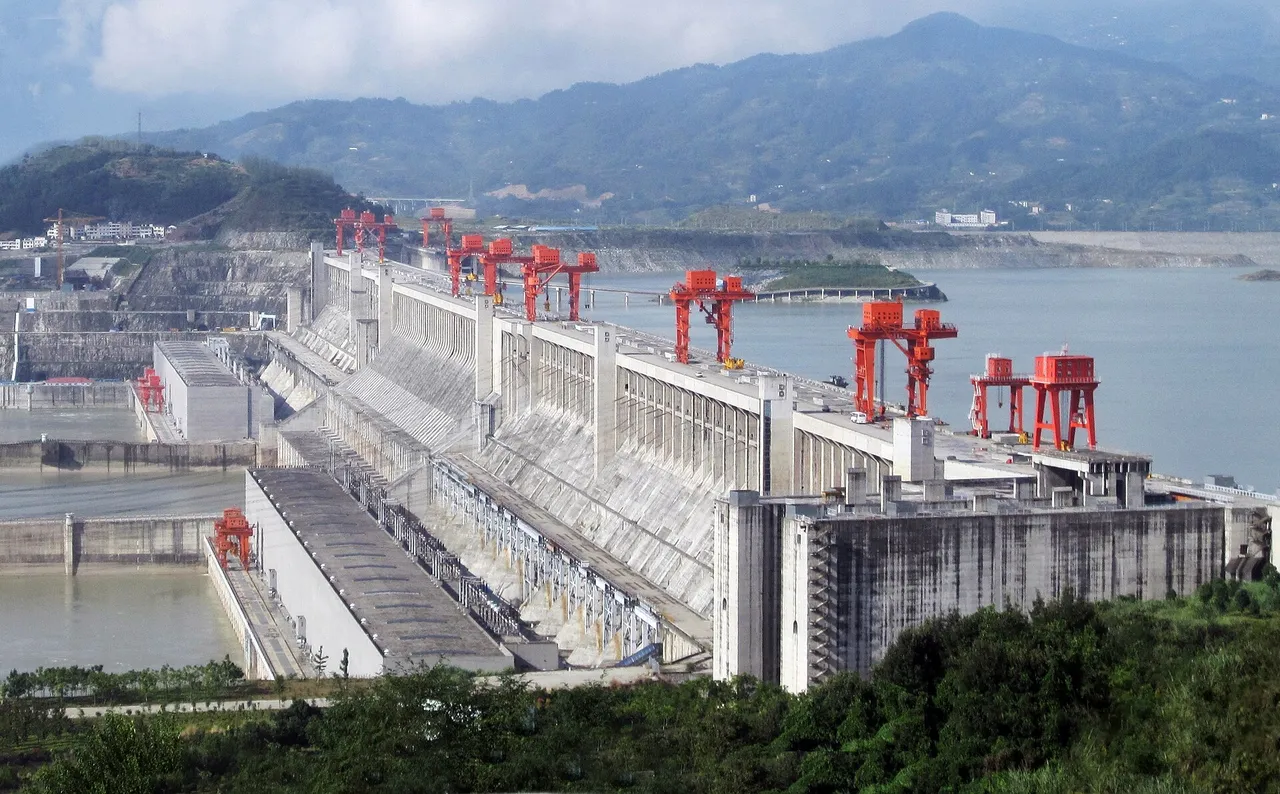
Three Gorges Dam, the world's largest hydropower project and one of China's first national 5A scenic areas, spans the Yangtze near Yichang, Hubei. Fro
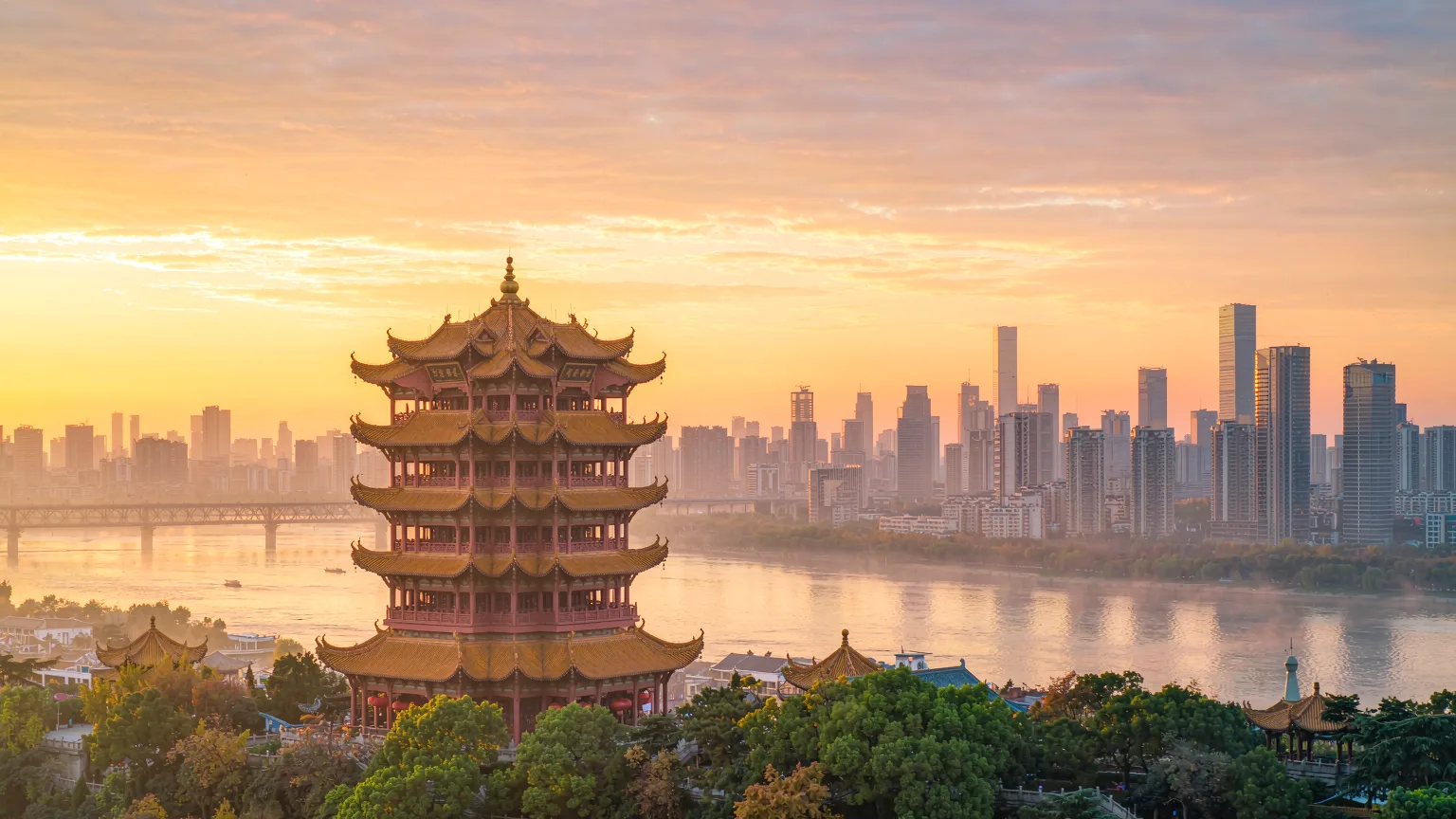
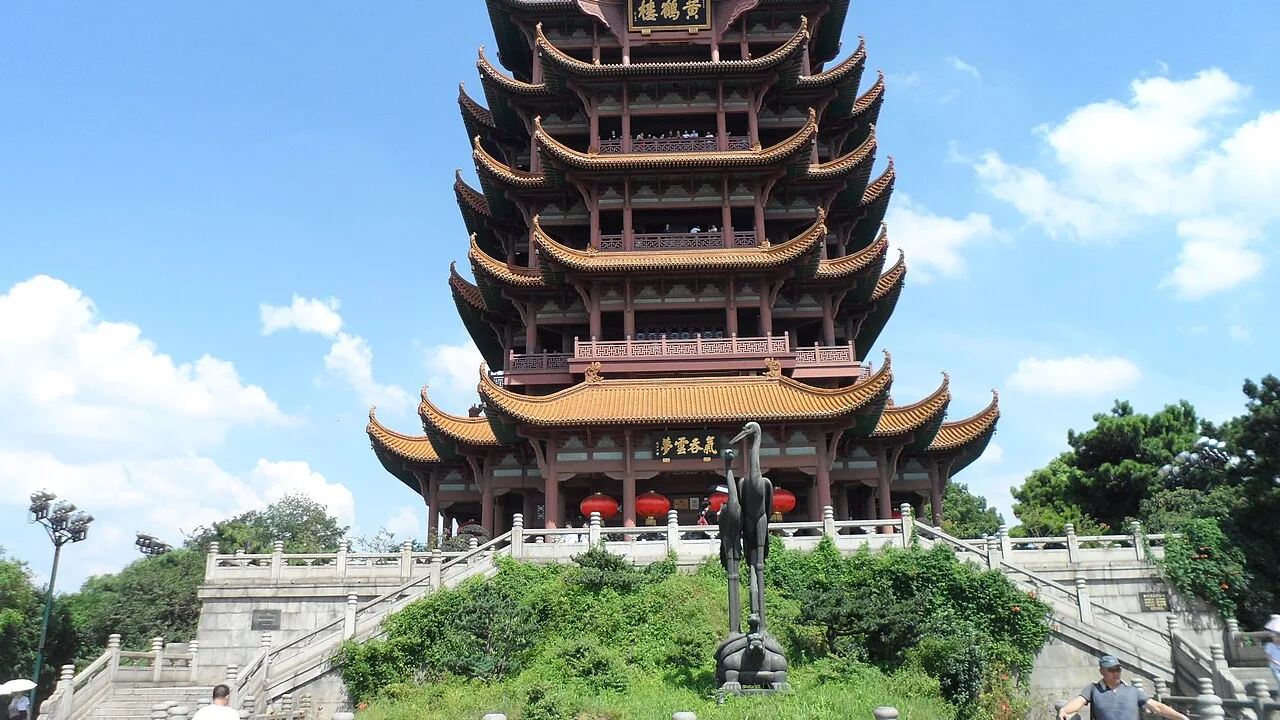
There has been a tower on Snake Hill since 223 AD. The current one, the twenty-seventh or so, went up in 1985: five storeys, 51.4 metres, with a lift
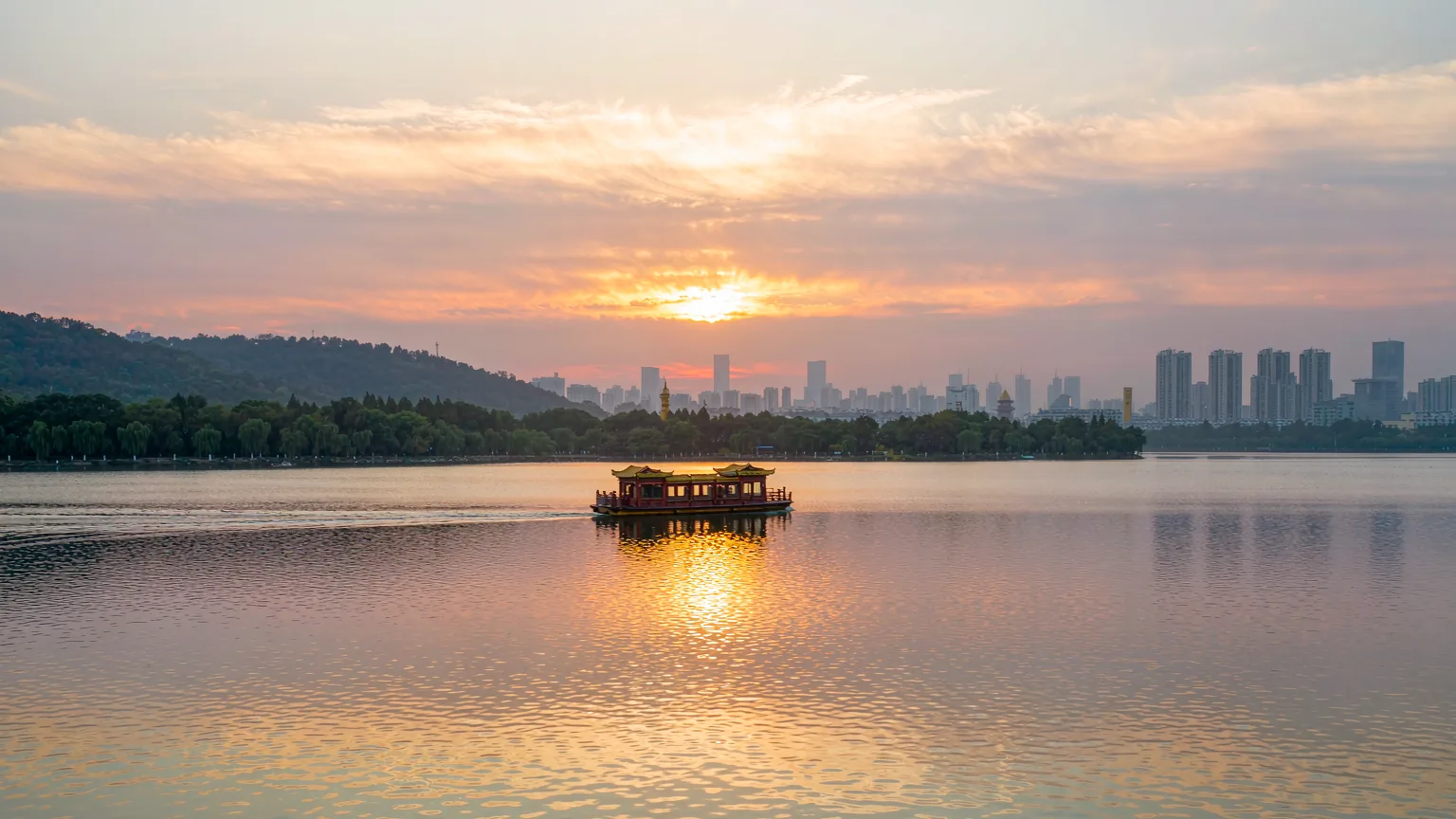
Thirty-three square kilometres of water inside the city, which makes it the largest lake entirely within a Chinese city boundary. Around it, 102 kilom
A little further out, for a spare half-day.
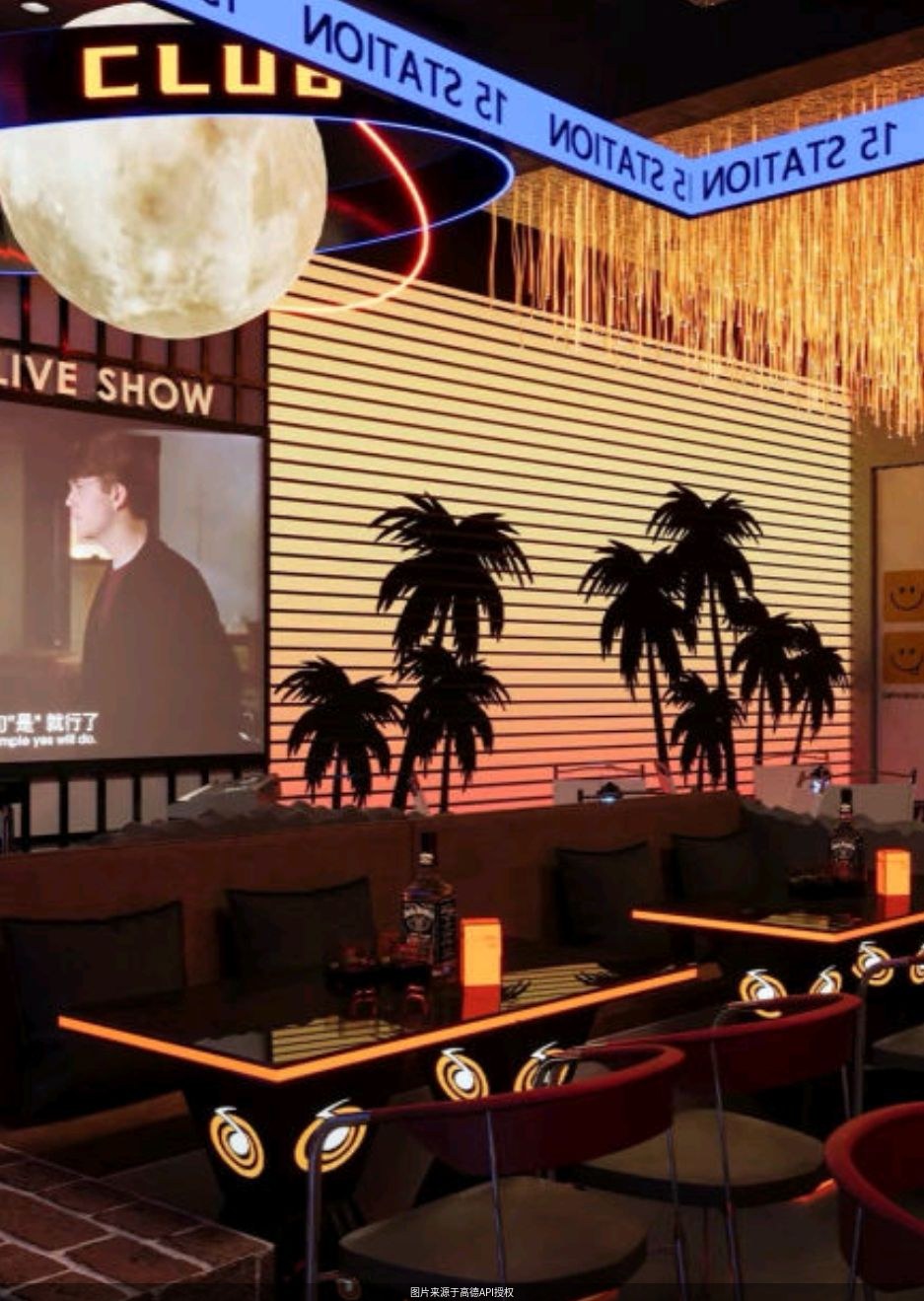
A flagship nightclub in Wuhan Tiandi with top-tier sound and lighting, hosting resident DJs and live acts. It…
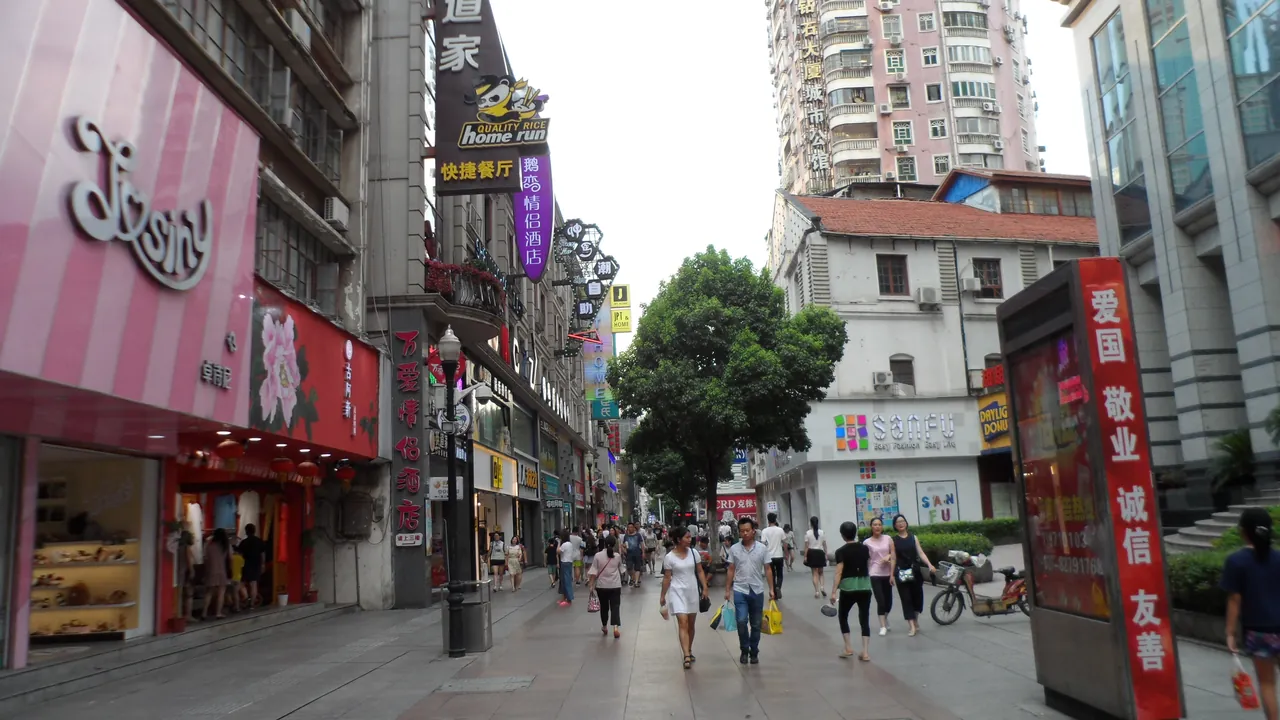
Century-old European facades, bubble tea and neon—Wuhan's busiest promenade runs straight to the Yangtze.
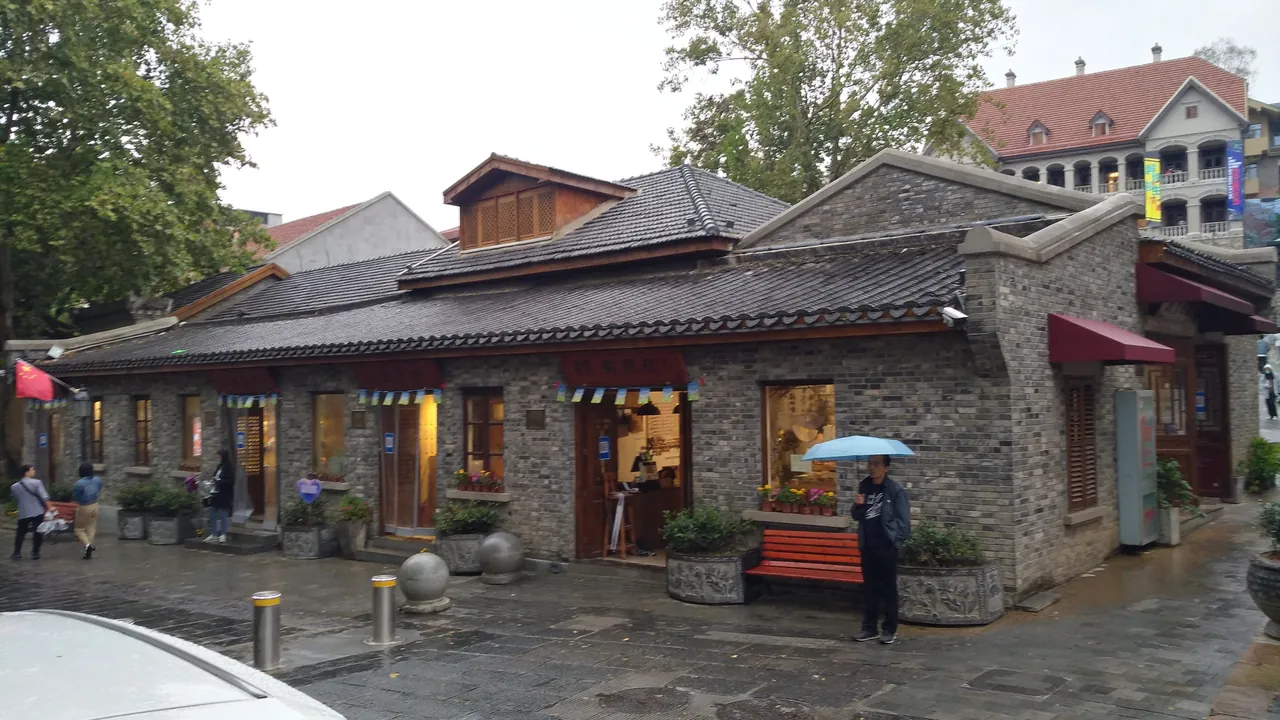
Old church walls, coffee courtyards and student sketchbooks in Wuchang's leafliest historic lane.
Riverside retro skyline, a canal of lights and stage shows—Wuhan's showpiece evening street.
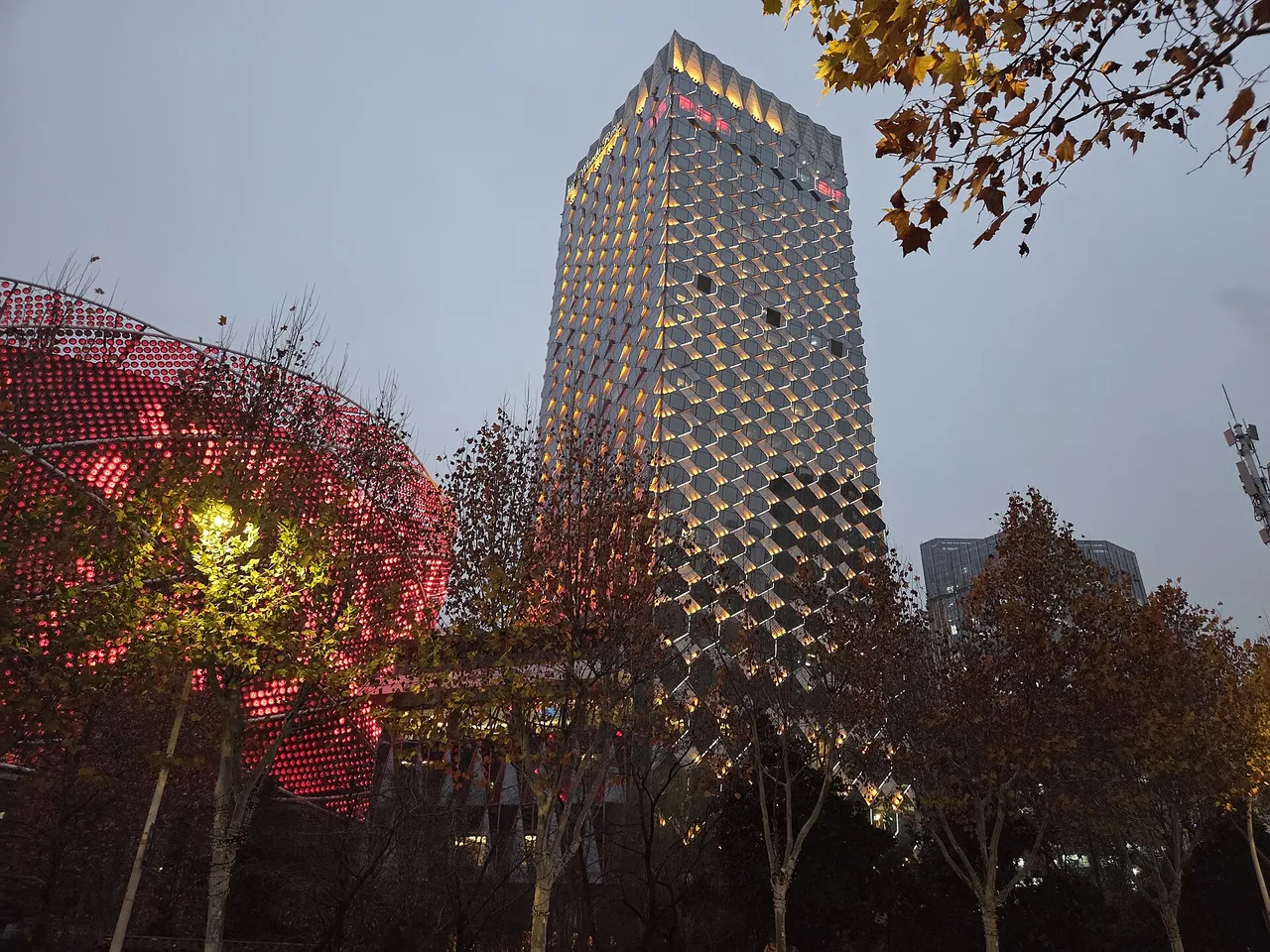
A landmark theatre by East Lake with a striking red-lantern facade, created by Franco Dragone's team. The…
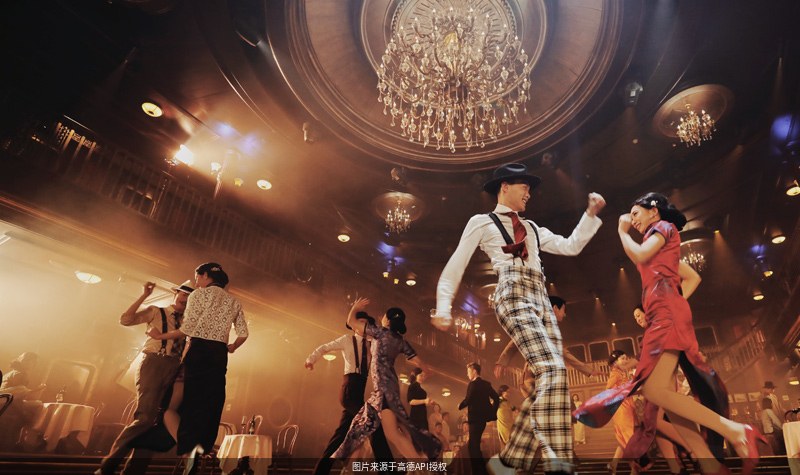
A drifting immersive show themed on 'bosom friends', staged aboard a restored Republic-era steamer where…
Museums, galleries and workshops still keeping old crafts alive.
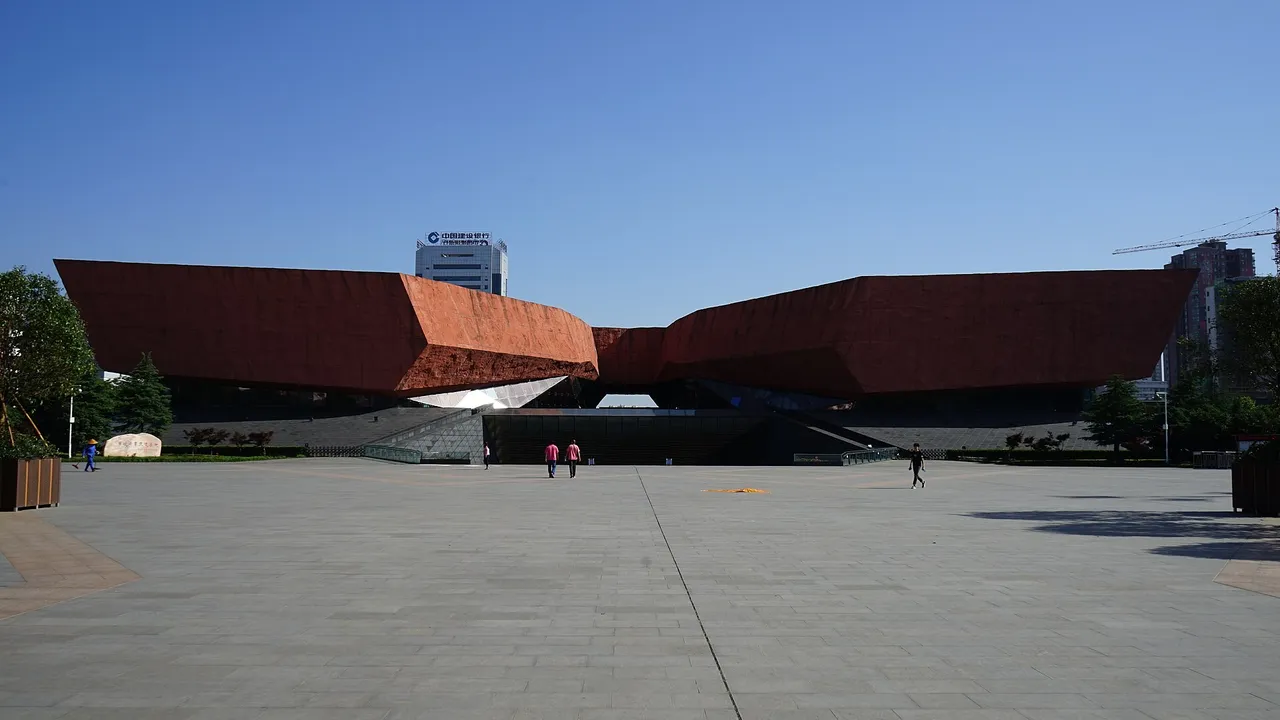
A museum commemorating the 1911 Wuchang Uprising, comprising the former Hubei Military Government building…

A large modern science museum in the Optics Valley, featuring interactive exhibits on science, life and…
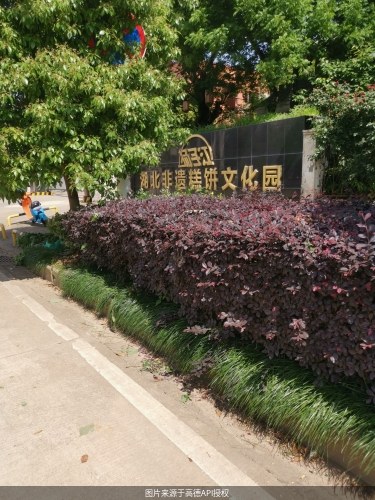
A cultural hall dedicated to Hubei's intangible-heritage pastry craft, preserving traditional Chu-style cakes…
Where the whole street eats — the city's most famous food streets, each with its own guide page.
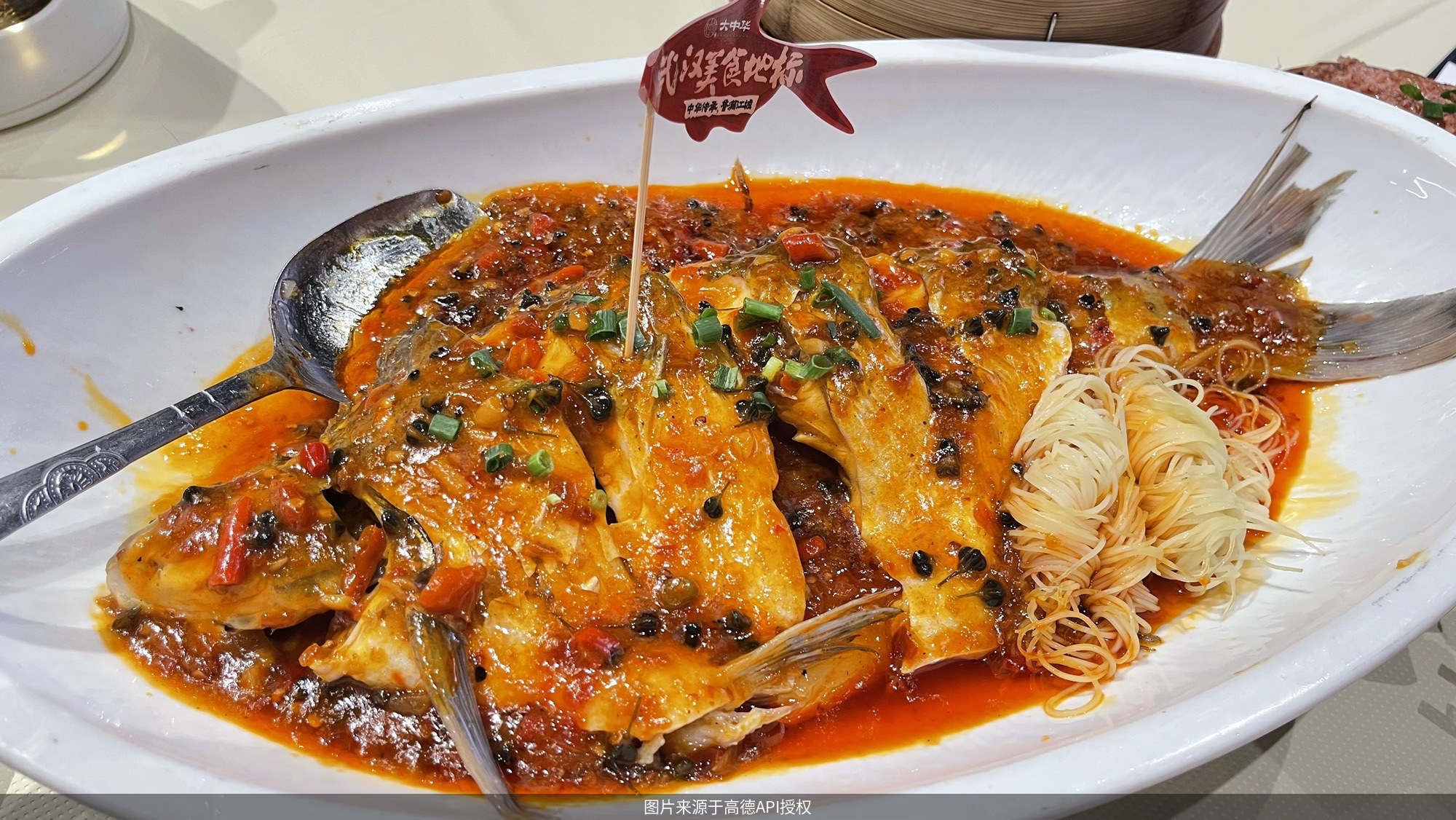
A time-honored Hubei restaurant founded in the 1920s, famed for Wuchang fish and lotus-rib soup. Its focus on…
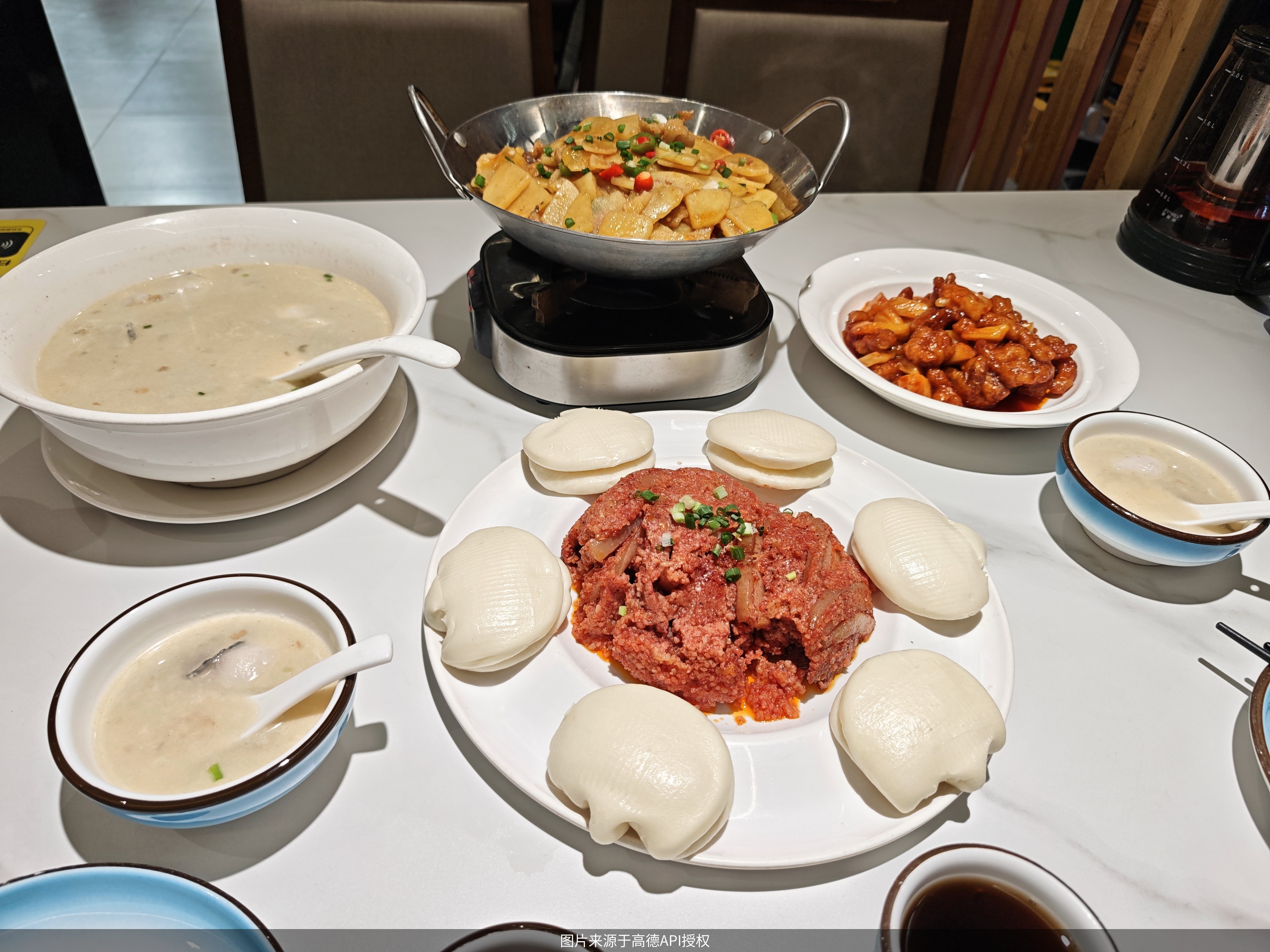
A home-style Hubei eatery best known for its slow-simmered pork-rib and lotus-root soup made with Honghu…
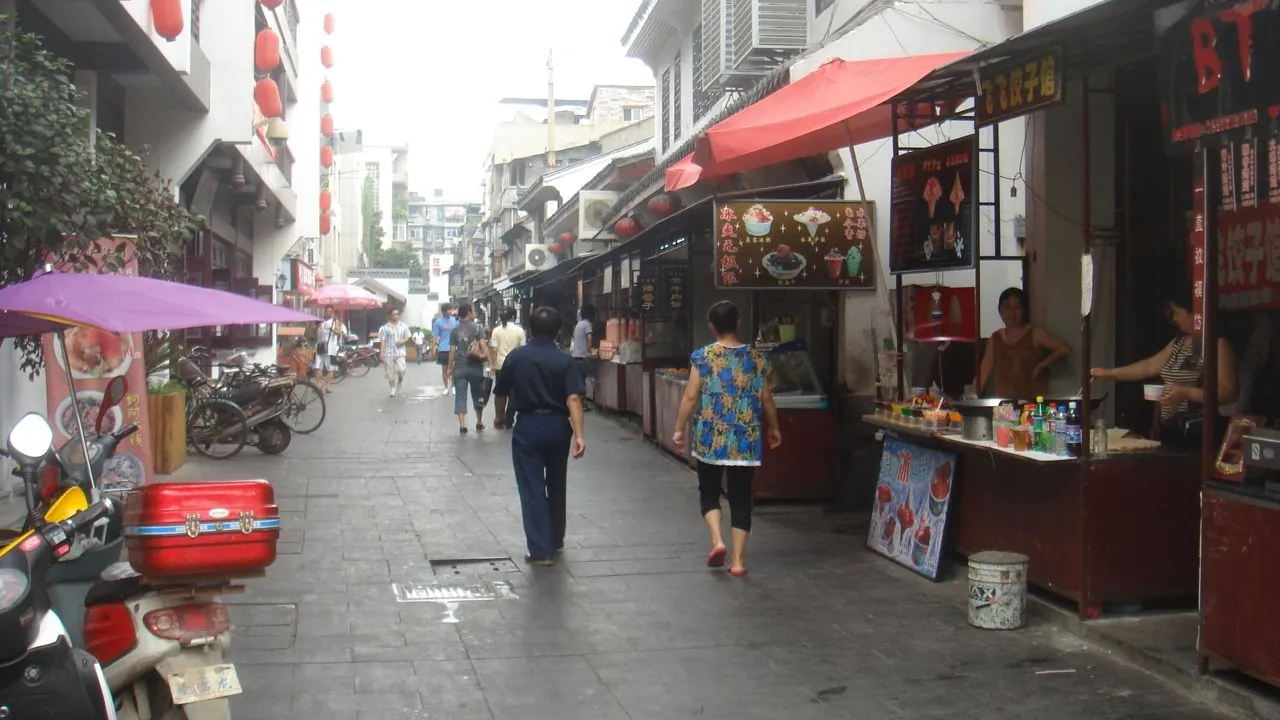
Wuhan's breakfast alley—hot dry noodles, doupi and duck neck from dawn till the neon wakes.
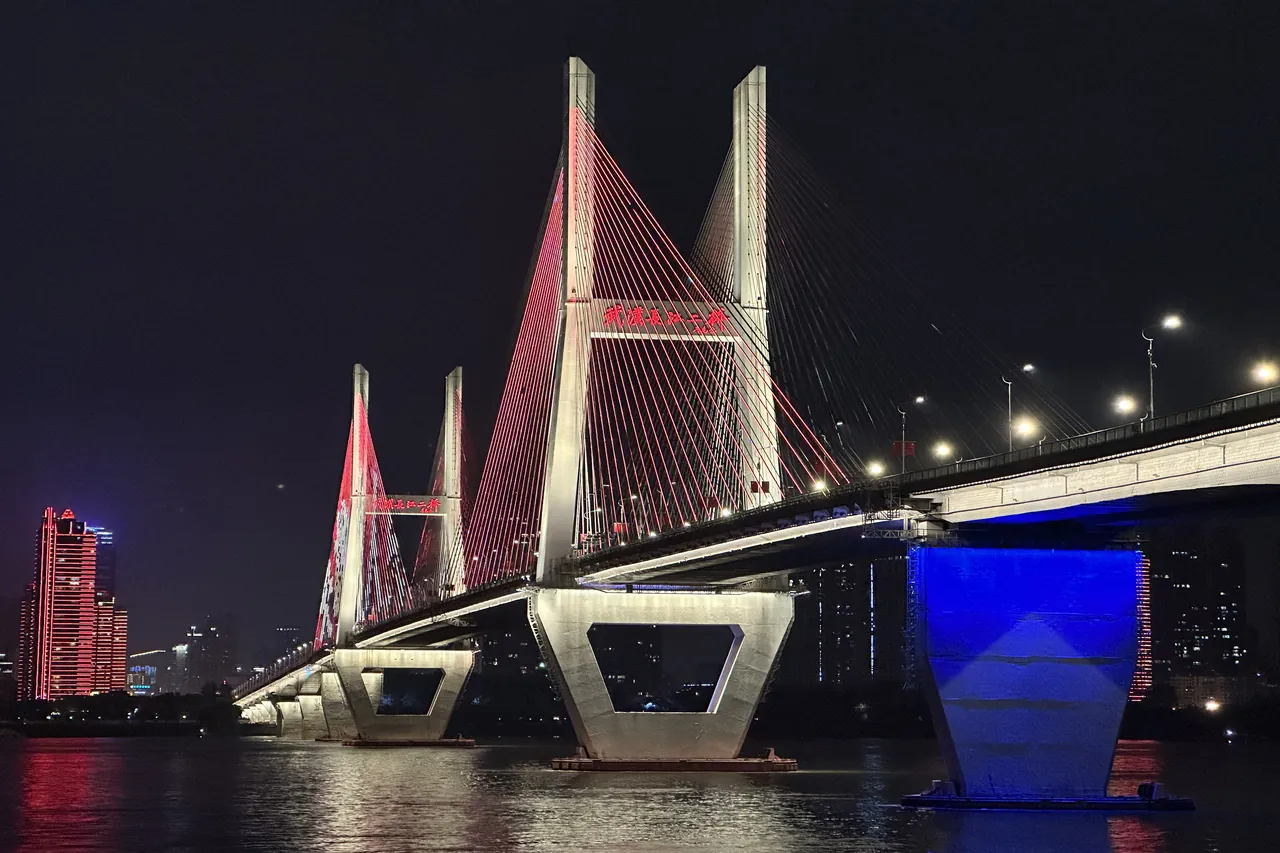
Past the lit bridge and the three-town skyline.
Wuhan's snack street — hot dry noodles, doupi and fish balls.
A lit commercial street along the Chu River.
Lit lakeside paths for an evening cycle.
Wuhan's night is river views, street food and a beer by the Yangtze.
Listed sites and the crafts that made this city famous.
Rebuilt in 1985 on the original site, it remains the symbol of the city.
The tomb's 65 bronze bells (433 BC) are the world's largest ancient bell set, in the Hubei Museum.
A 1930s campus blending Chinese and Western architecture on Luojia Hill.
Hubei's major opera form, and the main source of Peking opera's melodies.
The Hubei opera whose melodies fed into Peking opera.
Storytelling with drum and clappers in Wuhan dialect.
Alkaline noodles, sesame paste and pickles — a city breakfast.
Bold colours and gold thread, distinct from the four great embroideries.
Senior licensed guides with 10+ years in the field and fluent English — deep on history, culture and local life.

Experienced licensed guides with clear English — solid on city highlights, food and day-to-day logistics.
Licensed guides with workable English — a good-value choice for city days, transfers and standard commentary.
Chauffeur-driven by the day, plus airport and intercity transfers.



Private chauffeur-driven vehicles, priced per vehicle not per person. Airport transfer from $45; intercity transfer from $180.
Wuhan's gateway hub airport in Huangpi District, with T2 and T3 terminals and routes across China and abroad. Metro Line 2 links it directly to the city center.
A century-old snack alley near Simenkou known as 'Wuhan's No.1 snack street'. Hot dry noodles, doupi and tangbao crowd its narrow lanes, making it the epicenter of Wuhan's breakfast culture.
Wuhan's busiest century-old commercial street, about 1,600 meters long and lined with heritage buildings and time-honored shops. It pulses with city life day and night.
A waterfront pedestrian street built by Wanda along the Chu River. Its Republic-era facades house flagship stores, the Han Show Theatre and Madame Tussauds, making it a stylish urban living room.
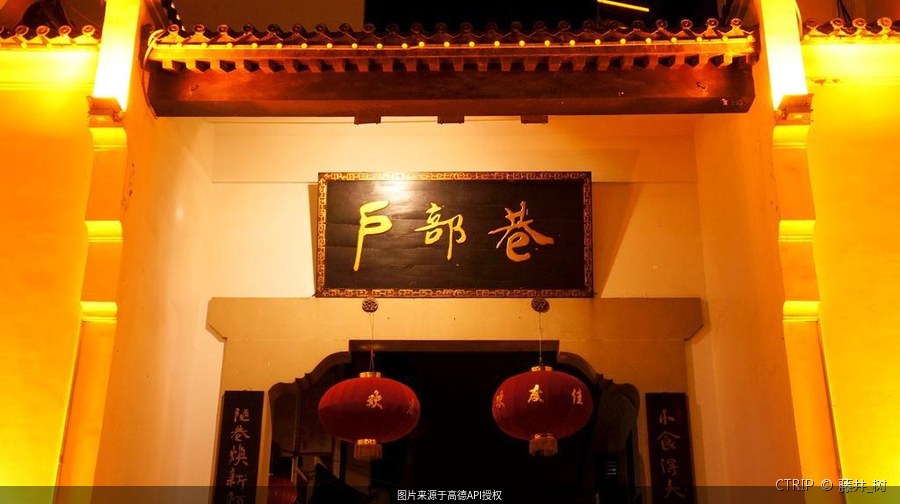
10 guides split by trip length: one-day city routes, three-day escapes and longer journeys, with stops, costs and transport in each.
See the Zeng Hou Yi chimes and the Sword of Goujian in the morning, eat an early-style l
Multi-DayFive Classic Days in Wuhan: The Full Sweep of River, Lake and CityOpen with the Yellow Crane Tower and the bridge, read history at the provincial museum a
Real routes, real travellers — a sense of what a trip looks like.
Most travellers spend 3 days here. Add a day for a side trip if you want a slower pace.
Spring and autumn are usually the most comfortable. Check the seasonal notes above before booking.
We arrange airport/rail transfers and private drivers. Tell us your arrival point and we plan the connection.
Send an enquiry and a human expert replies within 12 hours with a draft plan and real prices. Flexible rescheduling; clear cancellation terms in your quote.
2-day private itineraries in Wuhan start from $540 per person, two travelling together. Your proposal itemises hotels, tickets, guide and car — no hidden fees.
Yes — the Hubei Museum's bell set alone justifies a night, and the high-speed rail makes it a natural break.
Late March, for about two weeks. Wuhan University requires a free reservation and slots fill within minutes.
Recent listed prices: Three Gorges Dam ¥105; Yellow Crane Tower ¥70; East Lake free; Hubei Provincial Museum free; Yangtze River Night Cruise ¥128. Ticket prices change seasonally — we confirm them in your quote.