
One day in Wuhan draws a clean line: the morning goes to Hubei Provincial Museum, lunch lands in Hubu Alley, the afternoon climbs the Yellow Crane Tower, and dusk belongs to the Yangtze bridge and a ferry ride to the Hankow waterfront. History and the river split the day evenly, with no wasted legs.
Timing is everything: the museum is free but books out fast in season, so reserve days ahead; the tower photographs best after 4 pm with the bridge in frame; the ferry runs constantly and costs a couple of yuan to cross the Yangtze. Expect over 20,000 steps, so wear shoes you trust and carry water.
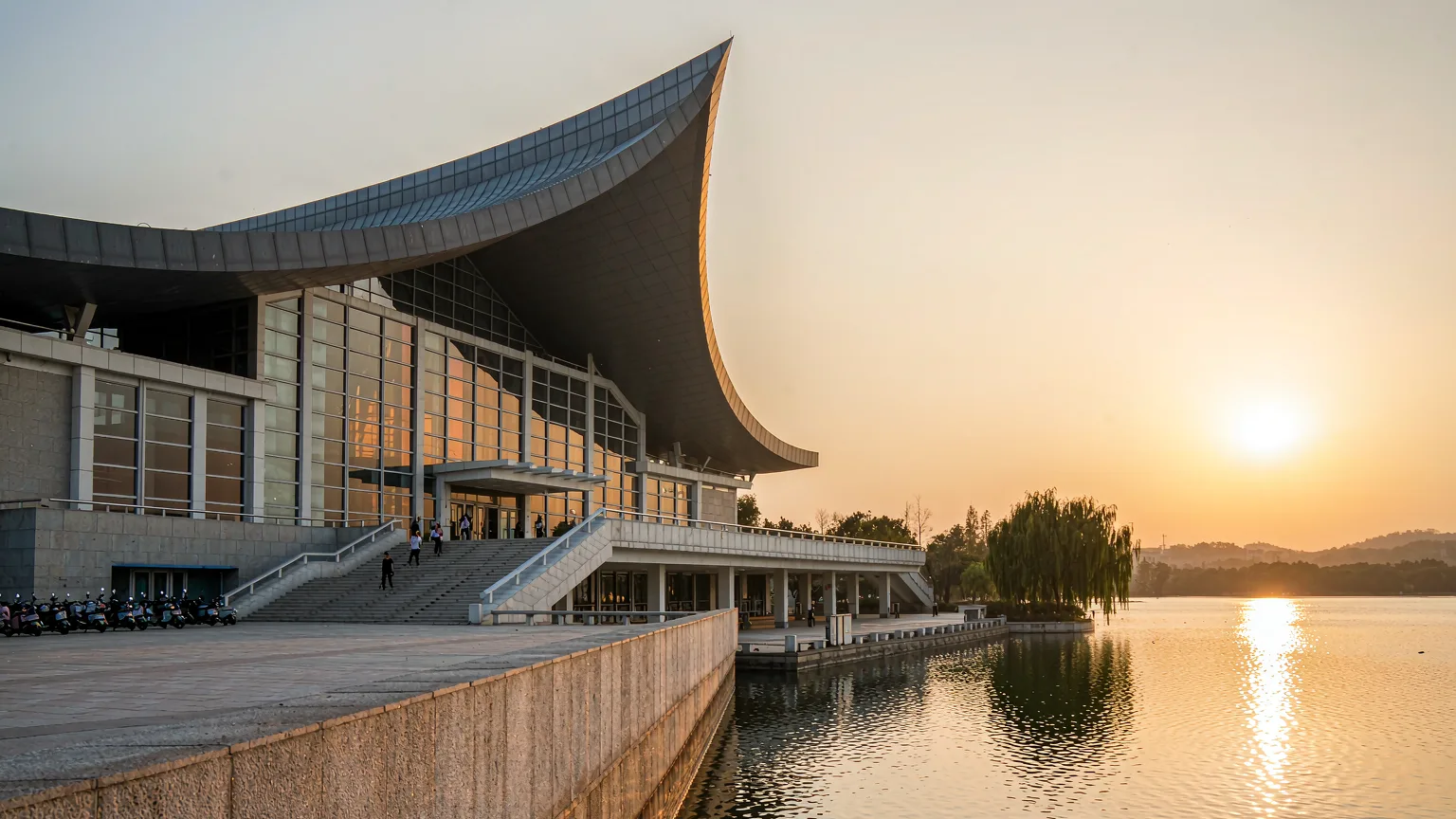
Itinerary at a glance
| 08:30 | Hubei Provincial Museum: The Opening Hour with the Chime Bells |
| 12:30 | Hubu Alley and Liangdao Street: Hot Dry Noodles and Sanxian Doupi |
| 14:30 | Yellow Crane Tower: Two Rivers from the Top of Snake Hill |
| 17:00 | The Yangtze Bridge and the Ferry: Walk Across, Ride Home |
The route, stop by stop
Hubei Provincial Museum: The Opening Hour with the Chime Bells
Enter at opening and head straight to the Zeng Hou Yi galleries. The full set of sixty-five chime bells hangs on a three-tier rack, still playable after twenty-four centuries, and nearby the Sword of Goujian remains untarnished after more than two thousand years, its edge still sharp enough to cut paper. With the lacquer wares and bronze ritual vessels from the same tomb, two hours covers the best of it.
A daily chime-bells performance plays ancient tunes on replica bells in roughly twenty-five-minute sets, the hottest ticket in the building; buy your performance ticket first, then tour. The gold and jade from the Ming Prince Liangzhuang tomb are equally lavish and worth an hour if time allows.
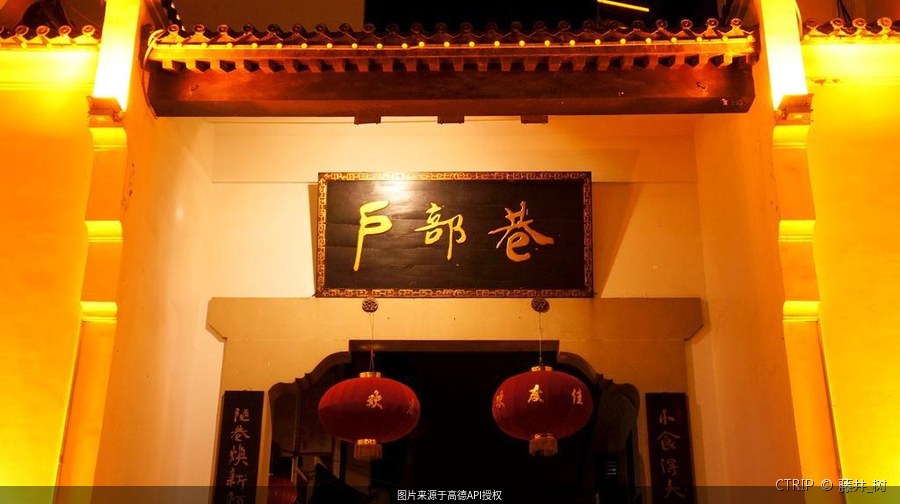
Hubu Alley and Liangdao Street: Hot Dry Noodles and Sanxian Doupi
Noon in Wuhan passes through a bowl of hot dry noodles. Hubu Alley has the fame, Liangdao Street the everyday life; they sit close together, pick one. The test is the sesame paste, freshly ground, thick and fragrant, with a splash of soy and pickled radish; toss the alkaline noodles while hot or they clump.
Queue once each for sanxian doupi and mianwo. The doupi is glutinous rice with diced pork and shiitake wrapped in an egg skin fried to a crisp shell, cut from a whole griddle; the mianwo is a fried ring of rice and soy batter, crisp at the rim and soft at the heart. A cup of egg wine, a sweet rice drink, finishes the set, the lunch version of the local breakfast habit.
Yellow Crane Tower: Two Rivers from the Top of Snake Hill
The Yellow Crane Tower crowns Snake Hill, the current structure rebuilt in the 1980s with five tiers of flying eaves, still carrying its title among the great towers south of the Yangtze. The climb takes ten-odd minutes up stairs, and from the top the Yangtze bridge frames perfectly to the south, with trains crossing beneath, a view only Wuhan gives.
Snake Hill is more than one tower: the ridgeline path strings together the White Cloud Pavilion and generations of stone inscriptions, and entering from the east gate lets you walk the ridge down to the main tower, bypassing the queues at the front. The Tang poems behind its fame are all told in the exhibition halls inside.
The Yangtze Bridge and the Ferry: Walk Across, Ride Home
Ten minutes on foot from the tower sits the Wuchang end of the Yangtze Bridge, the first bridge across the river when it opened in 1957, carrying road and rail at once. Walkways flank the road deck, and even a short stretch of the approach reveals where the Yangtze meets the Han, with trains rumbling below and wind gusting above.
Descend to Zhonglu Road wharf for the ferry; fifteen minutes later you land at Hankow's Customs House quay. The old customs building and the riverside park begin right there, sunset lies on the water, and after dark the banks light up on both rivers, handing the day's last hour to the Yangtze.
| Getting around |
|
| Budget | The museum is free with booking, the tower about RMB 70, the ferry around RMB 1.5, so roughly RMB 150-250 pp with meals. |
| Best time | Mar-May and Sep-Nov suit best; summers are steamy, so start early and keep midday indoors. |
FAQs
Can one day really cover both the museum and the tower?
Yes, but give the whole morning to the museum and cap the tower at ninety minutes. The metro between them takes about forty minutes, lunch folds into Hubu Alley, and dusk lands you at the bridge. If museums are not your thing, cut the museum to an hour and hand the surplus to East Lake.
How do I book the museum and the tower?
The museum is free with real-name booking on the official account, tight in season, so book three to five days ahead. The tower sells paid tickets both on site and online, with the online route safer on holidays. Foreign passports book by passport number and enter with the physical document.
Ferry or night cruise on the Yangtze?
The ferry is transport: one or two yuan, a quarter hour across, plenty as an experience. The night cruise is a sightseeing boat with a longer route, commentary and light-show angles, at many times the fare. On a budget, ride the ferry; the riverfront park shows the full light display anyway.
What should I watch for in summer?
Wuhan summers are steamy; afternoon heat in July and August often passes 35 degrees, so start early, hide at midday in museums and restaurants, and carry water and sun protection. Indoor cooling runs strong, so pack a light layer for seniors and kids, and avoid long outdoor dinner queues.