
The Wuhan day starts with guozao, breakfast, a word locals load with weight: the morning meal is a proper ceremony, hot dry noodles, mianwo rings, egg wine and fish soup laid out along the street at dawn. Follow the meal clock, soup at noon, a street crawl mid-afternoon, a night market seat after dark, and one day tastes a century of the city's street life.
The route stays central: Liangdao Street at dawn, a soup house at noon, Songsong Road in the afternoon, Jiqing Street at night, chained by metro and foot within a few kilometers. The local palate runs oily and chili-heavy, so pack stomach remedies and order half portions as the correct strategy.
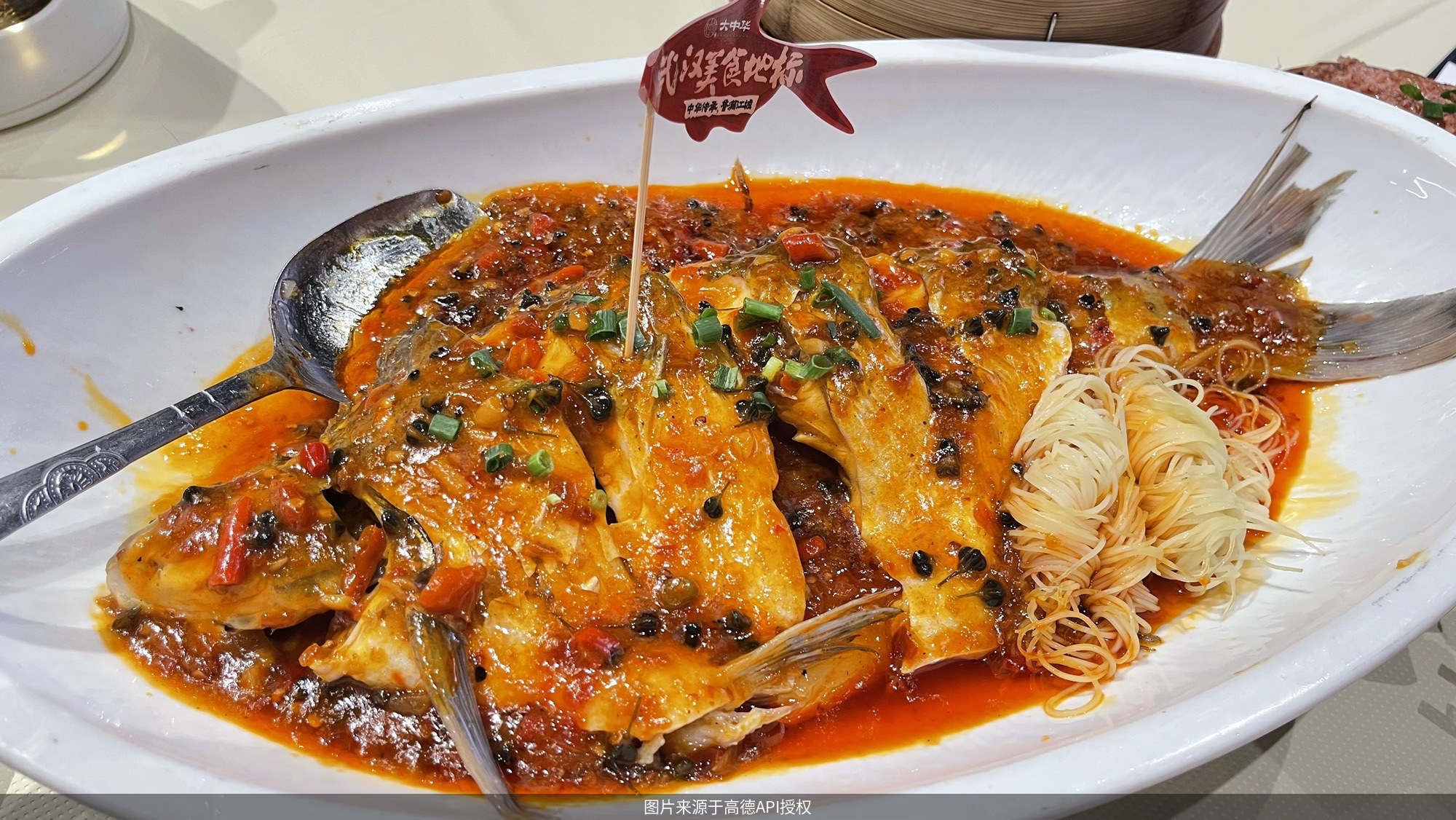
Itinerary at a glance
| 07:00 | Breakfast on Liangdao Street: Hot Dry Noodles Done Right |
| 11:30 | Old Wuhan Lotus-Root Soup: Slow-Cooked in a Clay Pot |
| 15:00 | Songsong Road at Wansongyuan: The Second-Stomach Crawl |
| 19:00 | Jiqing Street: Night Market with Street Performers |
The route, stop by stop
Breakfast on Liangdao Street: Hot Dry Noodles Done Right
Eat breakfast early. Liangdao Street is Wuchang's local breakfast strip, and by seven the steam half covers it. The soul of hot dry noodles is the sesame paste, freshly ground and clinging; dress with soy, pickled radish and scallion, blanch the alkaline noodles twice, toss while hot, and finish within three minutes for the best bite.
Around the headliner, order one of each: mianwo rings crisp at the rim, egg wine, a sweet rice broth with egg flowers, and hu tang fen, fish-thickened soup with fried dough sticks. Standing or squatting to eat is standard, and ten yuan feeds you past capacity.
Old Wuhan Lotus-Root Soup: Slow-Cooked in a Clay Pot
The house dish of Wuhan is pork-rib and lotus-root soup, built on starchy Honghu lotus root slow-simmered for hours in a diaozi, a coarse clay crock, until the root turns silky and stringy, the broth milky white with a dusting of pepper. Soup specialists such as the Jiangcheng Xiaochu style of house serve one crock with pan-fried dumplings, and that is lunch.
Judge a soup house by the root: proper starchy lotus draws threads and turns sandy-soft on the tongue, while crisp lotus belongs in the stir-fry. A crock in winter warms from the bones out; in summer it works too, with pickled radish on the side to cut the richness.
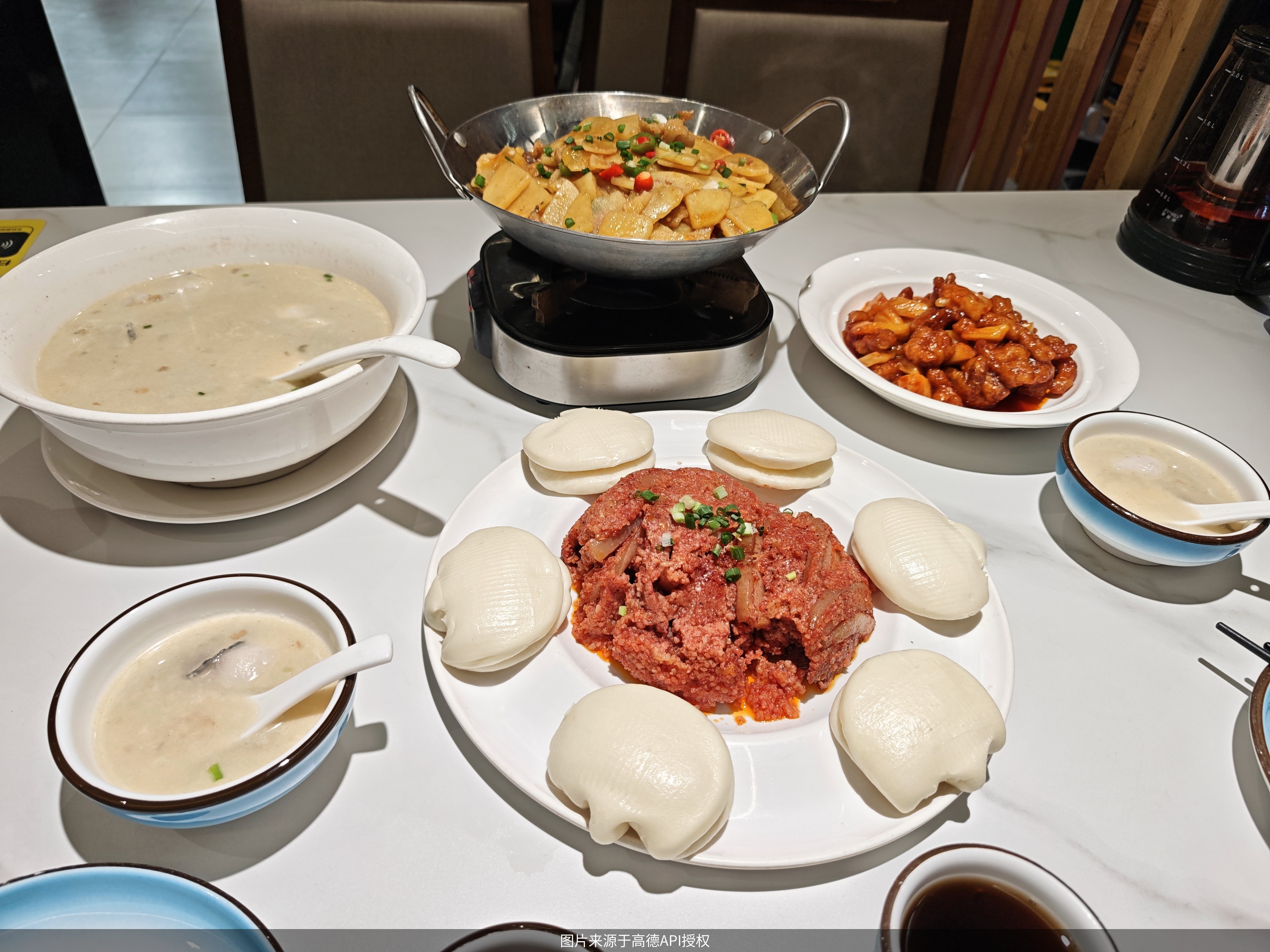
Songsong Road at Wansongyuan: The Second-Stomach Crawl
Three in the afternoon is when the second stomach wakes. Songsong Road at Wansongyuan is one of Hankow's best-known food streets, a few hundred meters packed with local snacks: beef noodles, glutinous rice wine pudding, claypots and shaomei dumplings, one signature per shop, queued mostly by locals detouring home from work.
Crawl by the three-bite rule: three bites per shop, move on if it fails, mark the winners for a return at night. Beef noodles want chili oil floating on top, shaomei run heavy on pepper, and rice wine pudding clears the palate. The street peaks at dusk, so treat the afternoon as rehearsal and ration the stomach.
Jiqing Street: Night Market with Street Performers
The Wuhan night belongs to Jiqing Street, the old Hankow strip famous for its night market and street musicians. Under full lights, braised dishes, crayfish and barbecue fill the tables while performers with guitars thread between them; a song costs a few yuan, a rule unchanged for decades.
Order like a regular: oil-braised crayfish or spiced duck neck as the lead, edamame and skewers alongside, fried rice noodles as the starch. Work the duck neck slowly against a cold beer, and late in the meal the performers come asking for requests; the veterans know the Hubei folk songs.
| Getting around |
|
| Budget | Graze all day for about RMB 100-180 pp; sit-down meals throughout still land near RMB 250. |
| Best time | Year-round; breakfast stalls fold after 9:30 while night markets peak after 7 pm, so time both ends. |
FAQs
What exactly does guozao mean, and when should I go?
Guozao is the Wuhan word for eating breakfast, carrying the urgency of a meal you miss once the hour passes. The window runs 7:00-9:00, with famous stalls closing around 9:30; go near 7:00 to dodge crowds or after 8:00 for full local atmosphere, and both camps have their loyalists.
Which hot dry noodle shop is the real one, and how do I judge a bowl?
Do not worship a single brand; any stall on Liangdao Street or in residential lanes grinding sesame paste fresh will do. Three tests: the paste is thick and freshly ground, not diluted; the alkaline noodles are blanched and tossed to order; and the bowl empties within three minutes of serving. No slick of oil left at the bottom means a good bowl.
Can one person actually finish this route in a day?
No, and you should not try. Play the half-portion guerrilla game: half a noodle bowl, one soup crock for two, three bites of each snack, and two or three shared dishes at the night market. Portions here are honest, so a solo full sweep wastes most of it; the route is designed for two or three sharing.
What should sensitive stomachs watch for?
Three rules: skip anything frozen on an empty stomach, take the egg wine warm and go easy on cold braised dishes; ask for less chili, which street vendors honor without fuss; and pack stomach remedies. The line runs oily and chili-forward but short of Sichuan or Hunan intensity, so pacing solves most of it.