
Wuhan carries real weight in the history books: the shot that ended imperial China rang in Wuchang, the bronzes and lacquer of the Chu state sit in the provincial museum, and the legend of the zither and the soulmate lives on the Hanyang bank. Linked in one day, these stops walk several threads of Chinese history from the Warring States to the modern era.
The day turns on booking and closure days: both the 1911 museum and the provincial museum need real-name reservations, and the chime performance ticket goes fast the moment doors open. Guqin Terrace and Guiyuan Temple sell on site. Split the route into a Wuchang half and a Hanyang half to keep river crossings to one.
Itinerary at a glance
| 09:00 | Museum of the 1911 Revolution and the Red Building: Where the Empire Ended |
| 11:30 | Hubei Provincial Museum: Chu Bronzes and Lacquer |
| 14:30 | Guqin Terrace: The Zither and the Soulmate |
| 16:30 | Guiyuan Temple: Counting Arhats in the Incense |
The route, stop by stop
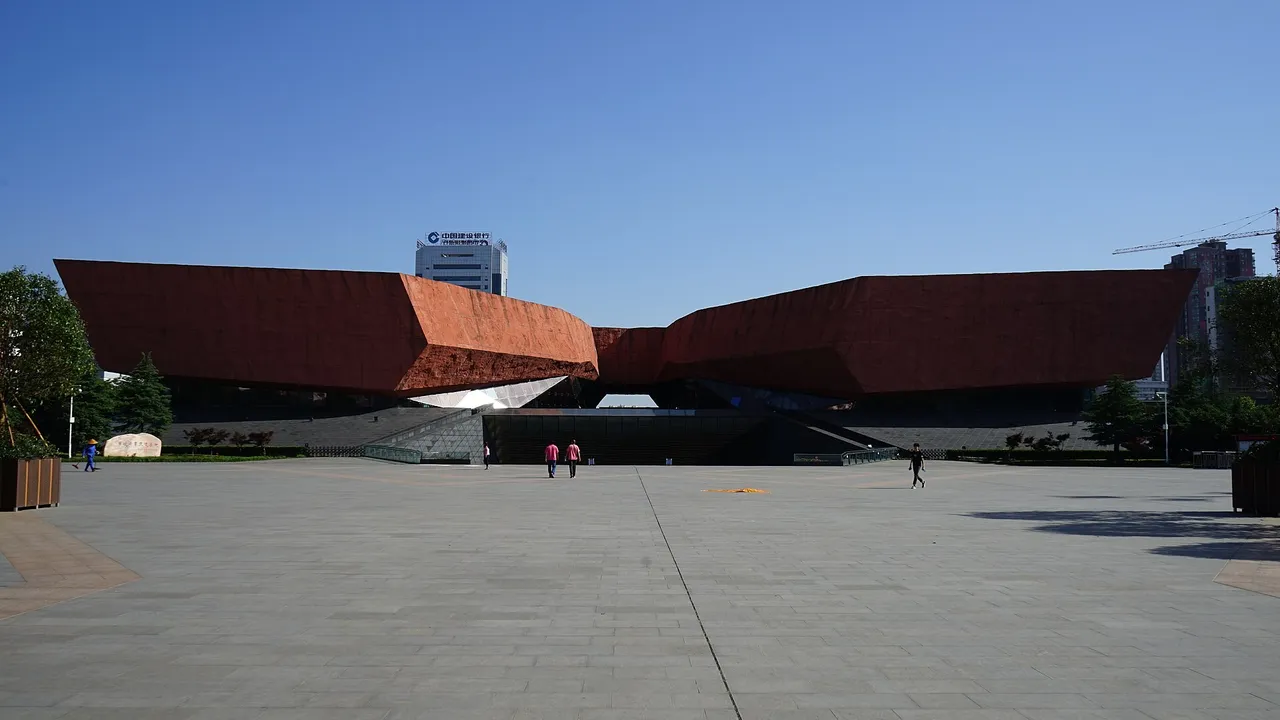
Museum of the 1911 Revolution and the Red Building: Where the Empire Ended
The Red Building was the seat of the military government after the Wuchang Uprising, the first breath of the new order issued from this red two-story western-style house. The galleries reconstruct the people and documents around the uprising along a timeline; old photographs, uniforms and proclamations reward close reading and recast every textbook page.
The newer hall behind the Red Building presents a modern exhibition, unpacking the night of the uprising frame by frame with film and artifacts. Two hours covers both buildings, and the Shouyi Square out front deserves a slow walk among its statues and memorial columns.
Hubei Provincial Museum: Chu Bronzes and Lacquer
Give culture-day noon to the provincial museum, widening from star pieces to the Chu world at large: beyond the Zeng Hou Yi chimes and the Sword of Goujian, the tiger-and-bird drum stands and the phoenix patterns on painted lacquer are the most direct objects of Chu romanticism. The labels are thorough; two unhurried hours will not feel long.
If the morning spent too much legwork at the revolutionary site, this stop can shrink to the Zeng Hou Yi galleries plus the performance: twenty-five minutes of ancient tunes on replica bells, a presence no display case can give.
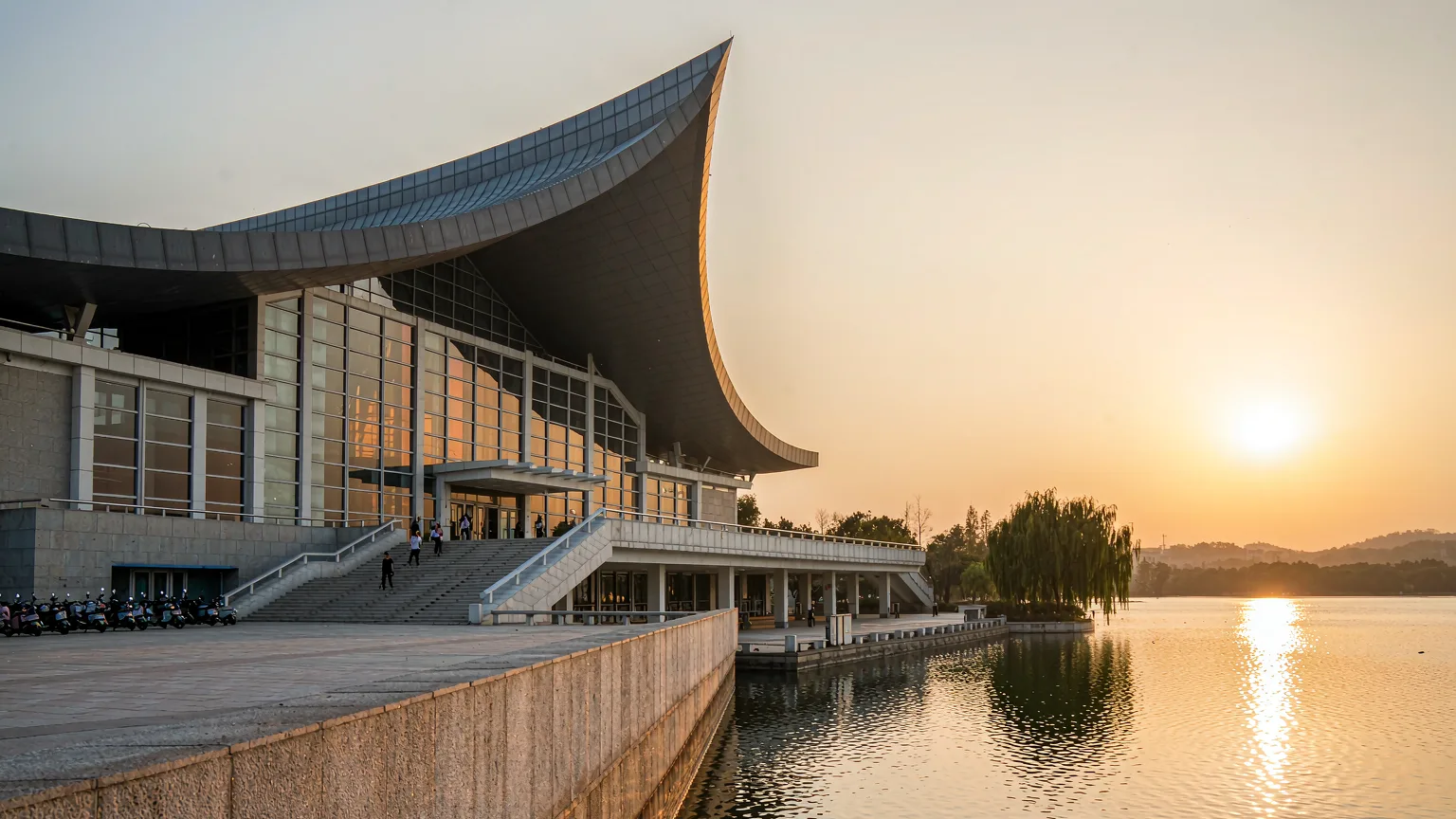
Guqin Terrace: The Zither and the Soulmate
Guqin Terrace stands by Moon Lake in Hanyang, commemorating the master Yu Boya and the woodcutter Zhong Ziqi, whose single remark about high mountains and flowing water became the supreme Chinese parable of friendship. The garden is compact, its steles and the terrace itself walkable in about an hour, with Moon Lake wind keeping the place hushed.
The story explains itself on site through inscriptions and panels, so no homework needed. Afterward stroll the lake shore, the green lung of Hanyang, a calm that sets up the incense of Guiyuan Temple nicely.
Guiyuan Temple: Counting Arhats in the Incense
Guiyuan is Wuhan's most frequented temple, and its hall of five hundred arhats is the highlight: each clay figure carries its own expression, none repeated. Locals play the counting game, starting at any arhat and moving through as many as their age, the final figure's pose read as the year's omen, enjoyable taken seriously or not.
The sutra library and the jade Buddha deserve a pause too, the old halls lovelier in incense haze than in any sunny photograph. Crowds peak in the twelfth lunar month when locals come to count; a weekday dusk after the tour groups leave is the best hour of all.
| Getting around |
|
| Budget | Free or low-cost entries add up to roughly RMB 40-80 pp, with the chime performance priced separately. |
| Best time | Year-round with climate-controlled halls; most museums close Mondays, so check opening notices before setting out. |
FAQs
Are four stops in one day too much? What gets cut?
Not really, since intensity tapers: the morning museums take the legs, while Guqin Terrace and Guiyuan run at garden pace. Under pressure, shrink the provincial museum to the chime show plus one hall and the terrace to forty minutes, but keep at least one of the two gentle stops, since a culture day needs breathing room.
Do both the provincial museum and the 1911 museum need booking?
Yes, both are free with real-name booking on their own official platforms, and one reservation does not cover both. In peak season the provincial museum's slots tighten, so book three to five days ahead. Both usually close Mondays, so keep the day off Monday and follow official notices on holidays.
Is the chime-bell performance worth planning around?
Yes. The replica bells are tuned to the original pitches, and the lingering metallic ring in the hall is something no display case offers; a set runs about twenty-five minutes at modest cost. Peak-season sets are few and sell fast, so buy the next show's ticket at the desk on entry, then tour at leisure.
Any dress code or etiquette at the temple?
Cover shoulders and keep shorts or skirts to the knee; never step on door sills, and check signs before photographing, since some halls forbid it. Skip bringing your own incense, as the temple supplies it properly, and let donations match your means. The arhat count is folk fun, not fortune to be litigated.