
Five days is the honest length for Wuhan: a day on the river, a day in history, a day on lake and hill, a day for Hanyang temples and old Hankow, a day in Huangpi. This version covers every required stop, tower, museum, campus, lake and temple, while keeping the bonus material of ferries, lanes and lotus soup.
Pacing runs front-loaded: the first two days pack the transit and bookings, spending your freshest hours in museums and on stairs; the day-three greenway ride is the midrace rest; the last day climbs into the hills and returns for a farewell crock of soup. Base yourself two nights or more in each of Wuchang and Hankow to cut commuting.
Itinerary at a glance
| D1 09:00 | Yellow Crane Tower: Wuhan Opening from Snake Hill |
| D1 12:30 | Hubu Alley and Liangdao Street: Breakfast Culture at Lunch Hour |
| D1 16:00 | The Bridge and the Ferry: Day One's Finale |
| D1 19:00 | Hankow Riverfront and Jianghan Road: Night Views and Night Bites |
| D2 08:30 | Hubei Provincial Museum: Chimes and the Sword of Goujian |
| D2 14:30 | Tanhualin: An Old-Wuchang Afternoon |
| D2 18:30 | Chu River Han Street: Night Two |
| D3 09:00 | Wuhan University: A Morning under Luojia Hill |
| D3 13:00 | The East Lake Greenway: The Midrace Rest Day |
| D4 09:30 | Guqin Terrace and Moon Lake: A Slow Hanyang Morning |
| D4 14:00 | Guiyuan Temple and the Hankow Lanes: Day Four's Two Faces |
| D5 09:00 | The Mulan Sky Pool: Into the Hills on the Last Day |
The route, stop by stop
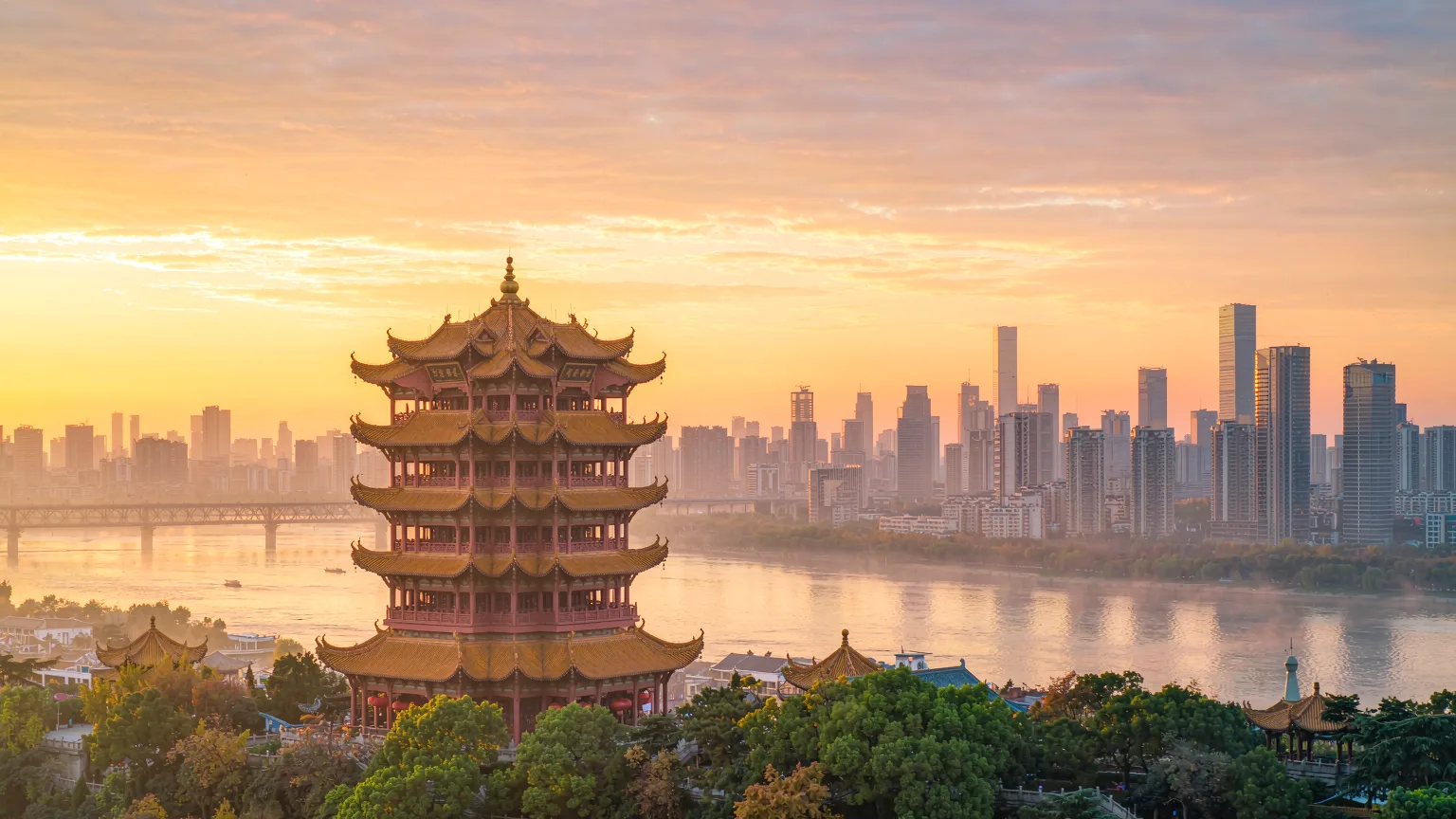
Yellow Crane Tower: Wuhan Opening from Snake Hill
Open the five days at the tower, settling the landmark in your freshest morning. The current building dates to the 1980s, five tiers of flying eaves on Snake Hill's crown; from the top the Yangtze bridge frames south with trains crossing beneath. Read the gallery of the tower's many rebuildings first, and its cultural weight makes sense.
The ridge path strings the White Cloud Pavilion and stone inscriptions; enter from the east gate and walk the ridge to the main tower, bypassing the front queues. Two hours for the district, descending straight into the Hubu Alley area for lunch.
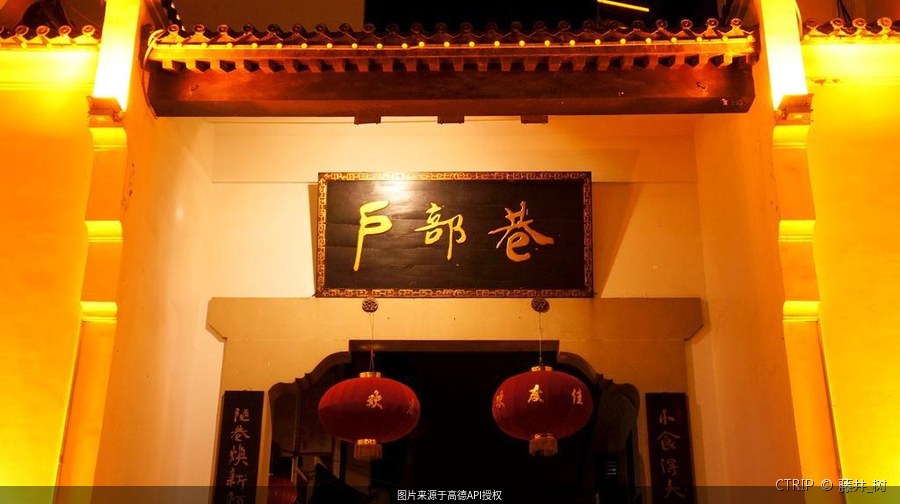
Hubu Alley and Liangdao Street: Breakfast Culture at Lunch Hour
Turn breakfast culture into a proper lunch: hot dry noodles from a stall grinding sesame paste fresh, finished within three minutes of tossing; sanxian doupi only from the whole griddle fried to order; plus a mianwo ring and a cup of egg wine, the four-piece set of Wuhan snacks. Hubu Alley has the fame, Liangdao Street the locals, both close, pick one.
This lunch calibrates the next five days: Wuhan runs oily and chili-forward, so start the half-portion rule here and the stomach lasts the week.
The Bridge and the Ferry: Day One's Finale
From the alley, walk up to the bridge's Wuchang end, take a stretch of the approach for the confluence view, then drop to Zhonglu Road wharf for the ferry. Walking then boating experiences both span and river two ways, and the fifteen-minute crossing digests lunch.
You land at Hankow's Customs House quay with the old building and riverfront right there. Dusk gilds the water; hand day one's closing hour to the Yangtze and eat around Jianghan Road.
Hankow Riverfront and Jianghan Road: Night Views and Night Bites
After dinner stroll the riverfront for the two-rivers light show, Wuhan's signature night view, free and complete. Walk back into Jianghan Road where the arcades change character under lights, heritage storefronts glowing, late-night stalls rolling out.
Day one runs heavy, so wrap by nine and bank the legs for four more days. Both venues are free; the night view costs nothing.
Hubei Provincial Museum: Chimes and the Sword of Goujian
Day two's centerpiece is the museum, entered at opening. The sixty-five-bell rack of Zeng Hou Yi and the Sword of Goujian are mandatory; then follow appetite through Chu lacquer, the Ming Prince Liangzhuang gold or later porcelains, two hours to half a day. Buy the chime-show ticket first, since popular sets go fast.
A museum day works as the itinerary's buffer: climate-controlled, low-mileage and information-dense, stepping down the intensity after day one's march. Lunch at the malls near the grounds.
Tanhualin: An Old-Wuchang Afternoon
From the museum to Tanhualin, switch to strolling pace. Old houses, church buildings and notable residences line the slope, kiln numbers still stamped on brick, cafes and design shops inside century-old buildings, two eras stacked on one wall.
The lane needs no agenda; pick two shops to sit in and let the morning's museum information settle. The dusk light does the brick best, so wait for dark before moving on.
Chu River Han Street: Night Two
By evening, metro to Han Street for a riverside stroll under the lit Republican facades, solving dinner and night views together. Theatres, a wax museum and shops mix along the strip, pleasant even with no shopping, and the Hubei restaurants here let you double-check the lotus soup and Wuchang fish.
Day two ends on museums and old streets, with the outdoors returning on day three. The metro sits at the street's mouth for an easy ride home.
Wuhan University: A Morning under Luojia Hill
Day three returns outdoors with a morning at Wuhan University. The Republican-era buildings spread up Luojia Hill, grey tiles and flying eaves under plane trees, the cherry avenue worth walking even bare of bloom. The core route climbs from the gate to the old library, stair-heavy but rewarding.
Entry rules shift by season: cherry season, mid-late March, needs real-name booking with tight slots, ordinary days follow the university's notice, so check before setting out. Two hours on foot, exiting the east-lake-side gate straight into the greenway.
The East Lake Greenway: The Midrace Rest Day
Enter the greenway from the university's side gate and ride the lake-centre path, water on both sides, wind off the lake. Dismount at Moshan for the Chu Sky Terrace panorama, then ride toward Luoyan in the afternoon, quiet wetlands and a boardwalk end made for idling. Three or four unhurried hours, the loosest stretch of five.
If the first two days emptied the legs, ride only the lake-centre path and stop there, giving the hours to lakeside benches and teahouses. The plan is yours; the greenway sets no exam.
Guqin Terrace and Moon Lake: A Slow Hanyang Morning
Day four crosses to Hanyang at a slower pace. The soulmate legend and steles of Guqin Terrace take an hour, then stroll Moon Lake to digest, with the Grand Theatre's silhouette across the water worth a look. No tasks here, just the itinerary's breathing room.
Cafes and teahouses ring the lake; take a lakeside one for an hour, sort through three days of photographs, and count that as part of the plan.
Guiyuan Temple and the Hankow Lanes: Day Four's Two Faces
Spend the afternoon first at Guiyuan Temple, counting arhats in the hall of five hundred, incense and bells lowering the pace another notch; then cross to Hankow, where Li Huangpi Road and the lanes of Tongxingli and Xian'anfang look their best at dusk, red brick and laundry-lined courtyards in slanted light.
Day four is the itinerary's densest culturally and easiest physically, both stops effortless. Eat in Hankow, with Songsong Road or Jiqing Street as the good choices.
The Mulan Sky Pool: Into the Hills on the Last Day
The last day leaves downtown for the Huangpi hills. The Mulan Sky Pool is a valley plus a summit lake: stepped falls over pools along stairs that are long but not steep, a cableway saving half the return, and the pool itself calm as a mirror set into the mountain. Spring runs full, autumn turns the woods.
Descend by three and head back for a farewell dinner: one crock of rib and lotus soup with lotus-root fritters, closing five days of Wuhan here. If bags are packed, leave them at the front desk and collect them straight for station or airport.
| Getting around |
|
| Budget | Tickets total about RMB 200-300 with meals RMB 80-150 daily, roughly RMB 800-1300 pp for five days before lodging. |
| Best time | Mar-May and Sep-Oct run steadiest; cherry season in mid-late March needs fast booking, and summer demands heat discipline. |
FAQs
Are five days too long? How do I cut to three?
Five days is the unhurried version; cut to three by dropping the Huangpi day and merging day four's repeats, keeping the river, museum and campus-lake spines with Hanyang compressed to half a day. Extending instead, add Panlongcheng and the Qingshan riverfront, the history and industry branches.
Which side should I stay on, and should I switch hotels?
Stay two nights or more on each side: Wuchang serves the museum, university and lake days, Hankow serves Jianghan Road, the lanes and departure transit. One hotel switch suffices; store bags at the desk and check in on return, far easier than daily river commutes.
What budget should I plan, and where can I save?
Excluding lodging and long-haul transport, plan roughly RMB 800-1300 per person: tickets RMB 200-300, meals RMB 80-150 daily, and city transit around RMB 50. Savings live in tickets, most museums being free with booking, and food, since a ten-yuan breakfast fills you, plus booking rooms two to three weeks ahead for twenty to thirty percent off.
What should families with kids or seniors adjust on the five-day plan?
Three adjustments: ride the cableway both ways at the pools and cut the long trail; at the museum take a wheelchair or add rest breaks and book the first chime show to avoid waiting; and mark one droppable stop per day, Han Street or Tanhualin, that vanishes without hurting the spine. In Wuhan's summer steam, carrying water beats any gear.