
Wuyishan stacks three cultural layers: the Minyue royal city of two thousand years ago, Zhu Xi's Neo-Confucianism of eight hundred, and the black tea that walked from the Tongmu passes to the world. This day takes one site from each: the museum builds the frame, Chengcun shows the Minyue, Wufu reads Zhu Xi, and the tea lodge explains why black tea set out from here.
The stops scatter and public transport is weak, so a chartered car is the calm choice; museums and the tea session need advance confirmation. No climbing today, legs ride in the car and walk flat lanes.
Itinerary at a glance
| 08:30 | Wuyishan Museum: The Timeline First |
| 10:30 | Fujian Minyue King City Museum: A Han-Era City in the South |
| 14:00 | Wufu Town: Zhu Xi's Ground |
| 17:00 | Yinshan Tea Lodge Black Tea Heritage Hall: Drinking Black Tea Properly |
The route, stop by stop
Wuyishan Museum: The Timeline First
Enter at opening and run the story in order: geology shaping the danxia cliffs and streams, the Minyue building their city, Song-dynasty thought maturing in Wufu, black tea setting out from Tongmu. The halls are compact, an hour suffices, and the goal is a handful of keywords that the afternoon's sites will answer in person.
The reconstructed hanging coffins are the marquee item, and the Minyue finds echo what Chengcun yielded, so note questions here and solve them on site.
Fujian Minyue King City Museum: A Han-Era City in the South
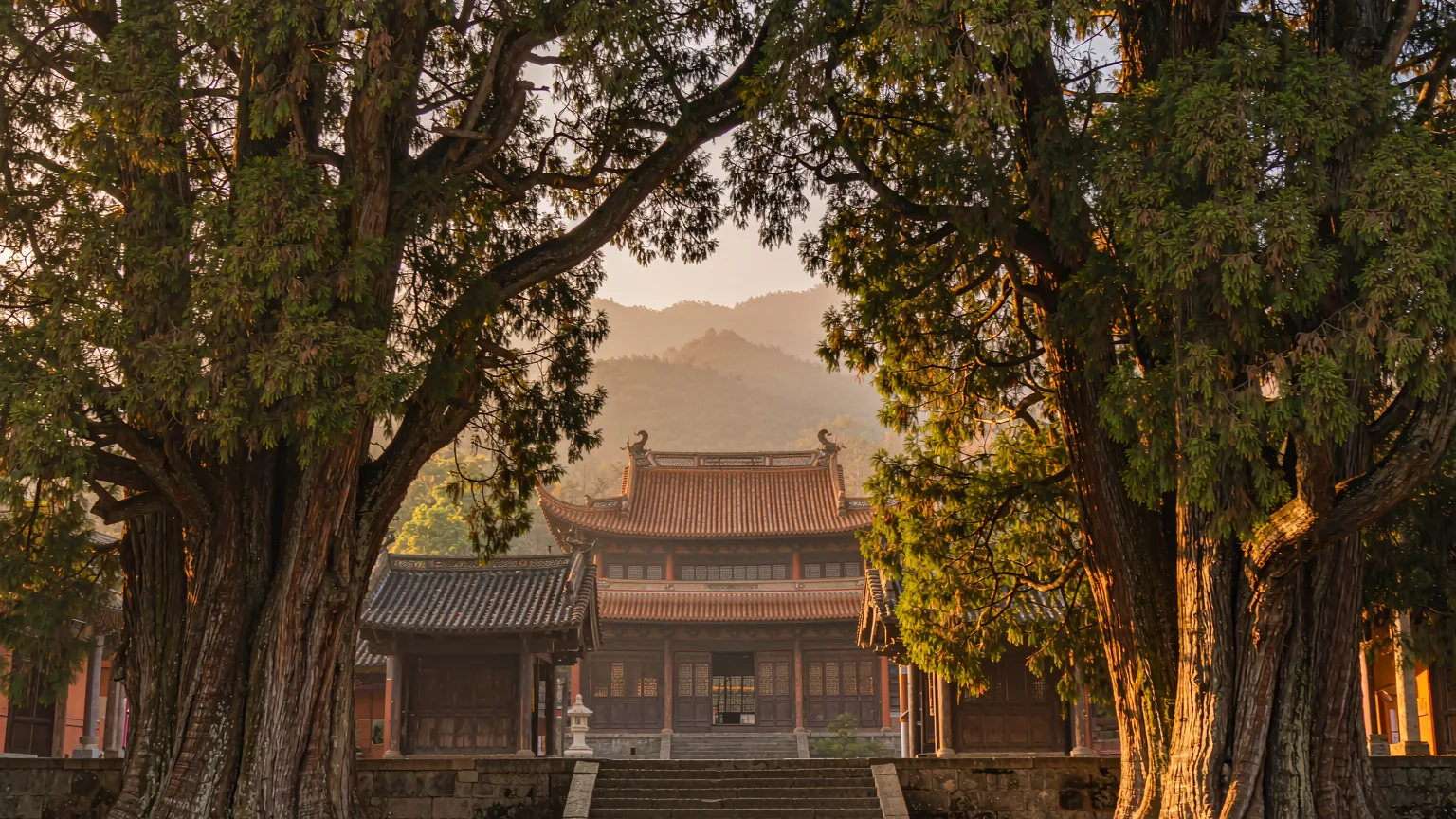
The Minyue royal city at Chengcun is the best-preserved Han-era city site south of the Yangtze, walls running nearly three kilometers, with palace zones, iron workshops and drainage still legible. The museum lays out excavated eaves tiles, pottery and weapons beside the remains, telling the kingdom's sixty years from founding to conquest by Emperor Wu.
Museum first, site second: read the layout indoors, then measure the palace district on foot, rammed-earth platforms swelling out of the fields, the grain of two millennia vivid in the wind through the grass.
Wufu Town: Zhu Xi's Ground
Zhu Xi lived in Wufu nearly fifty years, from boyhood study to teaching and writing. Xingxing Old Street keeps its flagstones and old facades, with the Xingxing Academy, the Zhu charitable granary and the Ziyang residence in town; the granary is a physical sample of ancient folk relief systems, and the half-mu pond before the residence is the very image behind his famous couplet on sky and clouds lingering in the water.
The Wufu Folk Culture Museum gathers farming, tea work and Zhu family rites in one place, chaining with the old street; in July the ten-thousand-mu lotus ponds bloom and the town turns into a photo shoot.
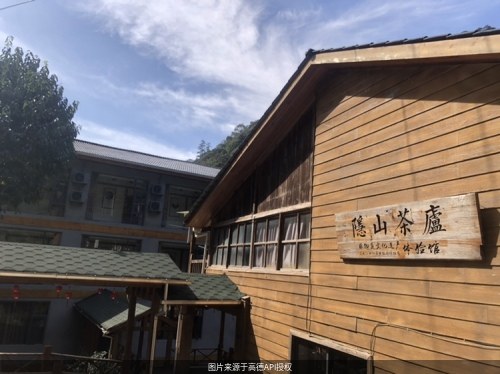
Yinshan Tea Lodge Black Tea Heritage Hall: Drinking Black Tea Properly
Close the culture with taste. The lodge's heritage session starts from lapsang souchong: where the pine smoke comes from, how gongfu black tea differs from zhengshan, water temperatures and pour timings, then three or four pours compared by terroir and craft. The teachers mostly come from tea-making families, and their stories carry as much substance as the cups.
About ninety minutes; by the end you hold a concrete judgment of the words Wuyi black tea, worth more than ten strategy posts.
| Getting around |
|
| Budget | Museums free or small fees; a chartered day runs RMB 500-700 plus meals, roughly RMB 350-500 pp. |
| Best time | Year-round; Wufu's lotus blooms in July and tea hills green best in spring, with a hat for the noon sun. |
FAQs
Do four culture stops fit one day?
Yes, if car and bookings are fixed ahead: two hours at the city museum, two at Chengcun, three in Wufu, ninety minutes at the lodge, about three hours driving total. The tradeoff is saving Wuyi Palace and Xiamei for the next day, no greed on this line.
Is the Minyue city site worth a special trip?
For history lovers, absolutely: a rare Han city south of the Yangtze with a strong museum. For scenery-only travelers, skip and give the hours to the stream. The test is simple: if you can picture a city on those rammed-earth platforms, it repays the ride.
Which Zhu Xi sites in Wufu matter most?
Three essentials: the old street for the town's shape, the charitable granary as physical proof of ancient folk relief, and the Ziyang residence for the half-mu pond behind the famous channel poem. Catch a guided talk at the academy if offered; the rest is optional, and half a day on foot covers it.
Will I feel awkward at the tea session without buying?
Not at a proper heritage venue: teaching is the job, fees stand alone, and session costs often offset purchases, so both choices stay dignified. The pressure cases are street stalls dragging you into tastings; the lodge teaches first and leaves judgment to you.