 TripMyChinaJOURNEYS THROUGH REAL CHINA✦ AI Trip✦ Plan My Trip
English
简体中文
繁體中文
日本語
한국어
ไทย
Tiếng Việt
Bahasa Indonesia
Italiano
Español
العربية
Русский
Deutsch
Français
Bahasa Malaysia
TripMyChinaJOURNEYS THROUGH REAL CHINA✦ AI Trip✦ Plan My TripXiamen is China's most livable coastal city: car-free colonial lanes on Gulangyu Island, a breezy seaside boardwalk, Hakka tulou roundhouses within day-trip range and some of the country's best seafood. Easy, scenic and food-rich, it suits couples, families and anyone craving ocean air without roughing it.
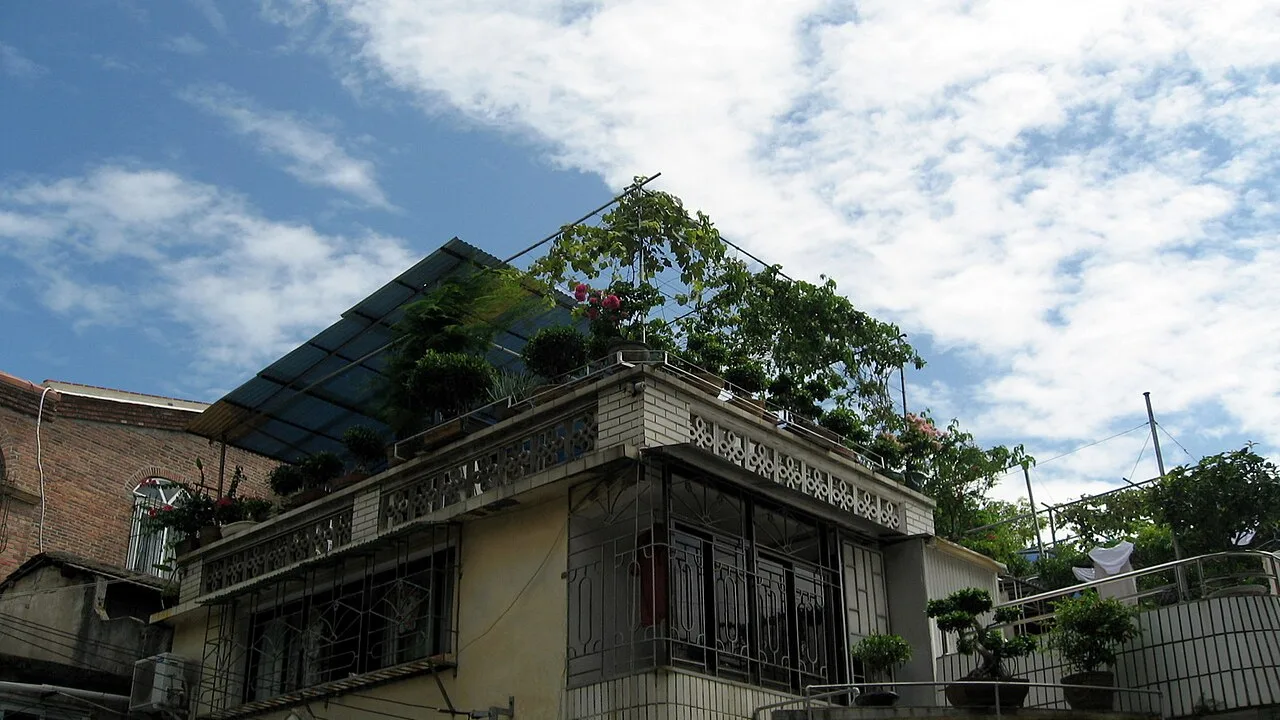
Xiamen, known as Amoy in the local Minnan dialect, is a vibrant coastal city in Fujian Province, southeastern China. Its history as a treaty port and gateway for overseas Chinese has shaped a unique cultural blend of Minnan traditions, colonial architecture, and modern innovation. The city's name means 'Mansion Gate', reflecting its historical role as a maritime gateway. Today, Xiamen is a Special Economic Zone, a major port, and a popular tourist destination famed for its mild climate, clean beaches, and the UNESCO World Heritage Site of Gulangyu Island.
Xiamen is administratively divided into six districts: Siming and Huli on Xiamen Island, and Jimei, Haicang, Tong'an, and Xiang'an on the mainland. The island districts form the urban core, with Siming hosting most attractions, including the colonial-era streets of Gulangyu and the bustling Zhongshan Road. Huli is the transport hub, home to the Gaoqi International Airport and the cruise terminal. The mainland districts are connected by bridges and tunnels, offering a mix of industrial zones, university campuses, and scenic spots like Jimei's Turtle Park.
Visitors to Xiamen can expect a relaxed seaside atmosphere, with a focus on outdoor activities such as cycling the Ring Road, exploring the labyrinthine lanes of Gulangyu, and sampling fresh seafood. The city's subtropical climate ensures warm weather for most of the year, making it ideal for beachcombing and island hopping. Cultural highlights include the Nanputuo Temple, the Hulishan Fortress with its ancient cannon, and the vibrant art scene in Zengcuoan. Xiamen's cuisine, featuring dishes like oyster omelette and satay noodles, reflects its coastal location and Minnan heritage.
Xiamen covers an area of 1,700.61 km² and has a population of approximately 5.3 million. It is divided into six districts: Siming, Huli, Jimei, Haicang, Tong'an, and Xiang'an. The city is renowned for Gulangyu Island, a UNESCO World Heritage Site since 2017, celebrated for its well-preserved international architecture and car-free streets.
World-class, national and global recognition earned over the decades.
Inscribed in 2017 for its 1,000+ historic buildings and unique Sino-foreign settlement culture.
A garden city of beaches, universities and subtropical parks on Xiamen Bay.
Gulangyu produced so many musicians that it earned the nickname 'Island of Pianos' and hosts a piano museum.
Protected as a national scenic area since 1988.
One of the four SEZs designated in 1980.
Xiamen University's seaside campus is one of China's most beautiful.

The moments that shaped the city — and the stories its people still tell.
The Ming built a fortified town here — 'Xiamen' means 'the great gate of the mansion'.
The Treaty of Nanjing opened Xiamen to foreign trade; consulates and merchants settled on Gulangyu.
Gulangyu became an international settlement with 13 foreign consulates and churches, schools and villas.
Xiamen was designated one of China's first four SEZs.
Gulangyu was inscribed as a World Cultural Heritage site.
A hollow reef at the island's south shore is said to sound like a drum when waves strike it — hence 'Gulangyu' (drum-wave island).
Egrets are said to have led settlers to this bay; the island is still called 'Egret Island'.
Three paces, one city — every route built from places we actually operate.
Weather, crowds and the best months for what you want to see.
Mild and green, though damp — good for Gulangyu walking.
The best months — dry, clear and warm enough to swim.
Hot and humid with typhoon risk; beaches are busy.
Mild and quiet — 15–20°C, the best escape from northern winter.
What this city is known for — the things worth planning your day around.
The places worth building a day around.
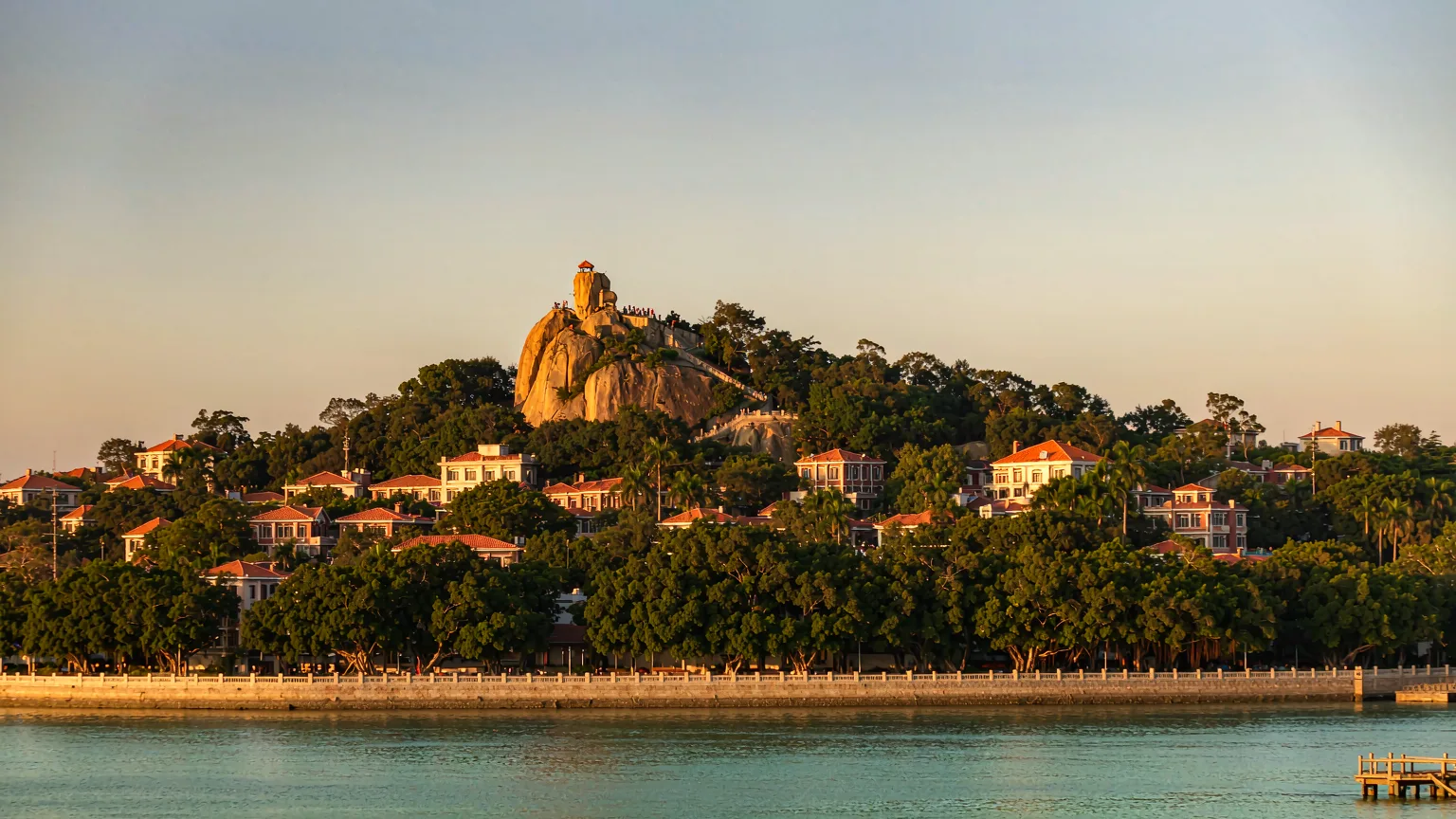
Gulangyu is 1.88 square kilometres, has no cars, and holds 1,000 villas built between 1900 and 1930 by returned overseas Chinese and foreign consuls.
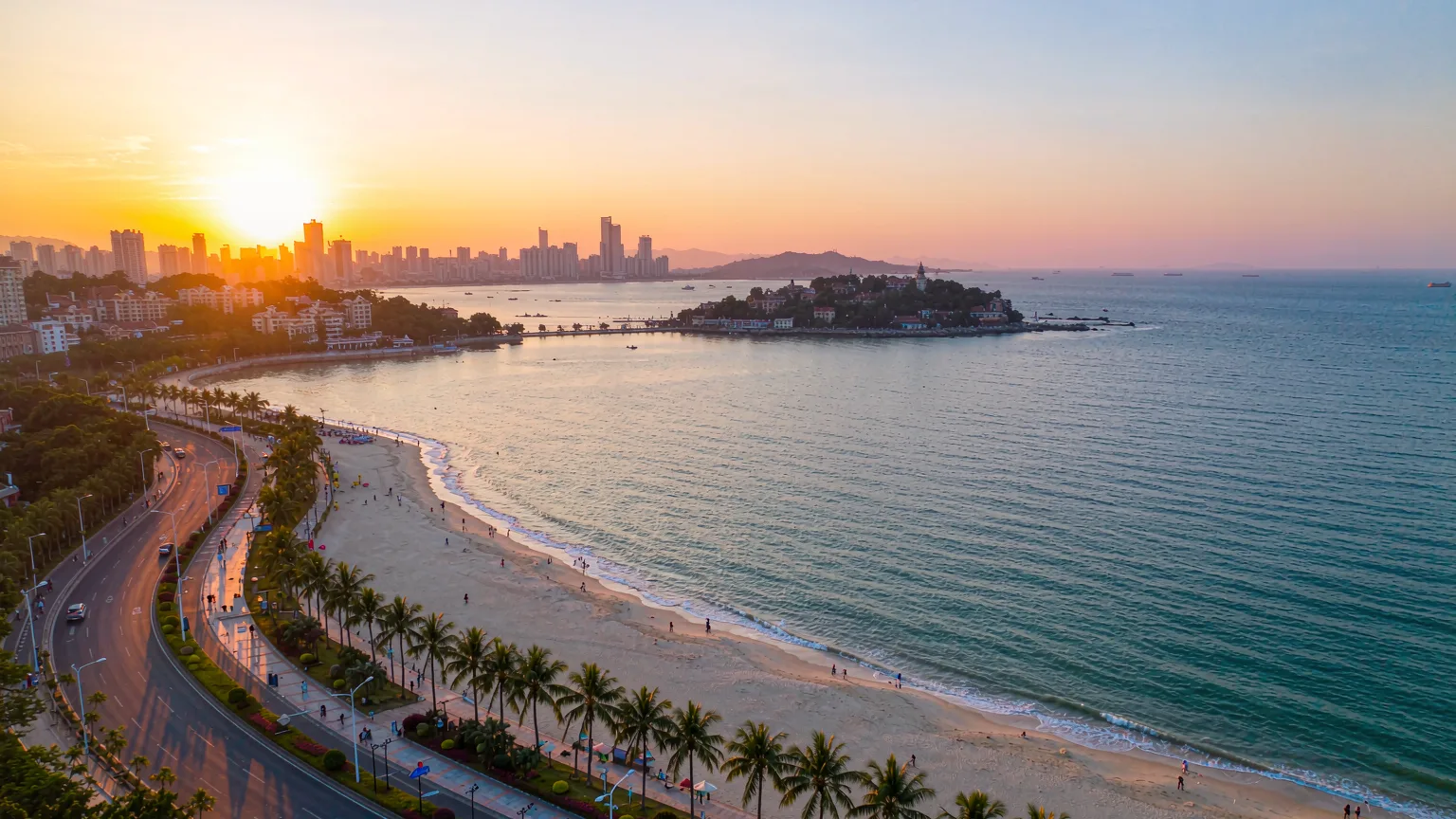
The Island Ring Road runs 31 km around the south and east coasts of Xiamen, with a dedicated cycle lane, a boardwalk on the rocks, and beaches all the
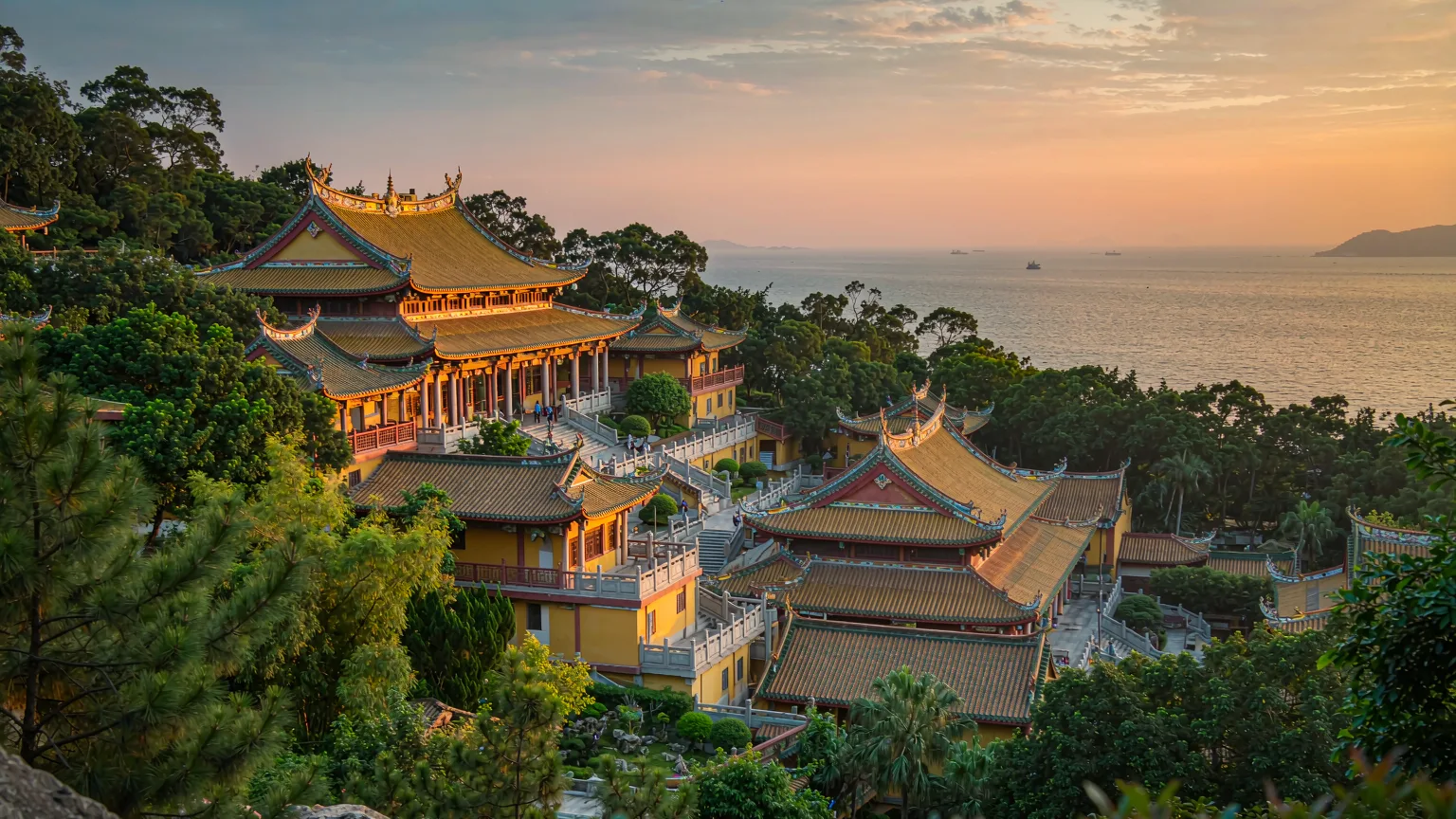
Nanputuo is an active Buddhist temple at the foot of Wulao Peak, founded in the Tang and rebuilt in the Qing, and it is free. Behind it a 1.5-km stone
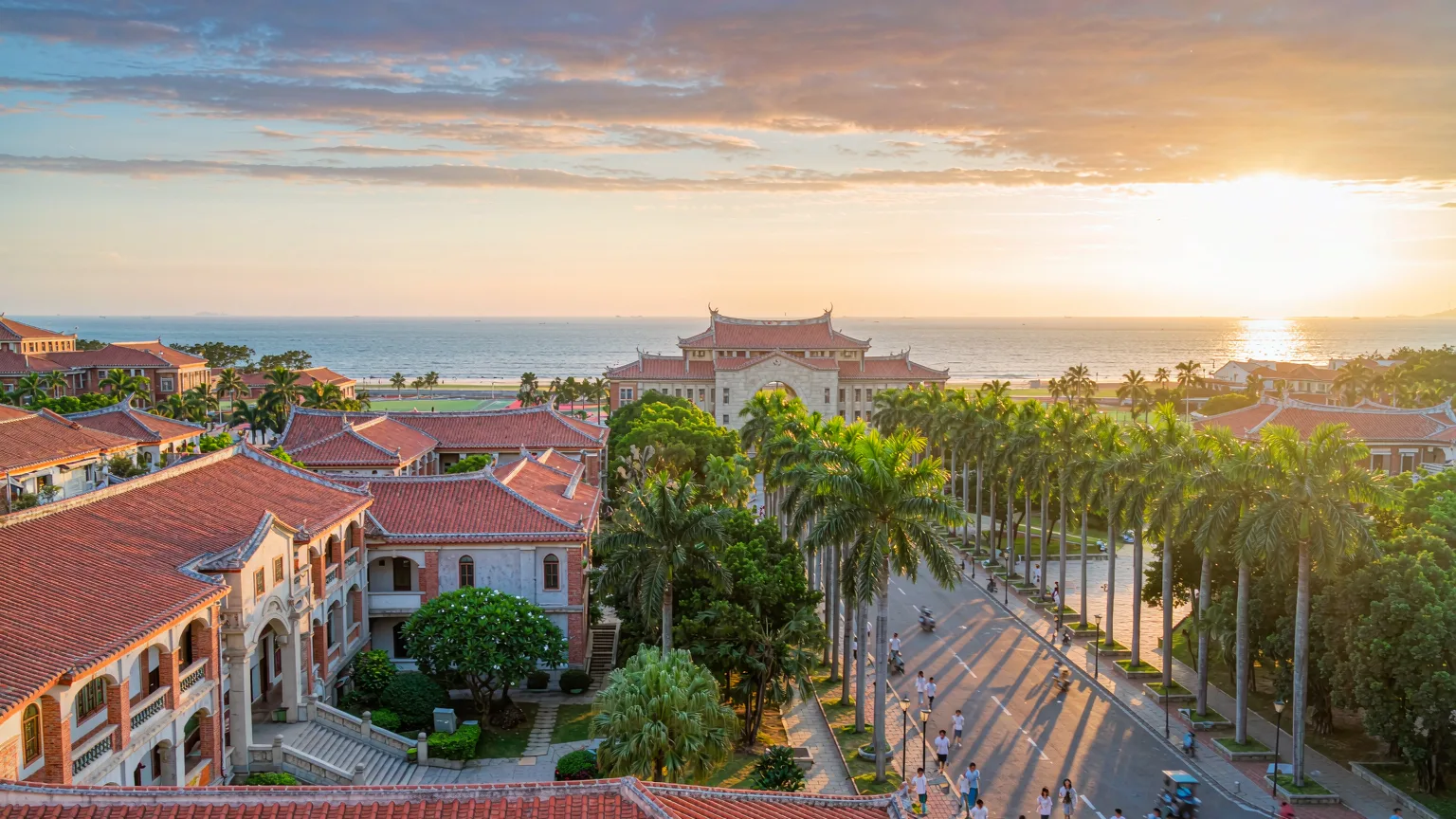
Xiamen University was founded in 1921 by Tan Kah Kee, a rubber magnate who spent his fortune on schools, and it is the most beautiful campus in China
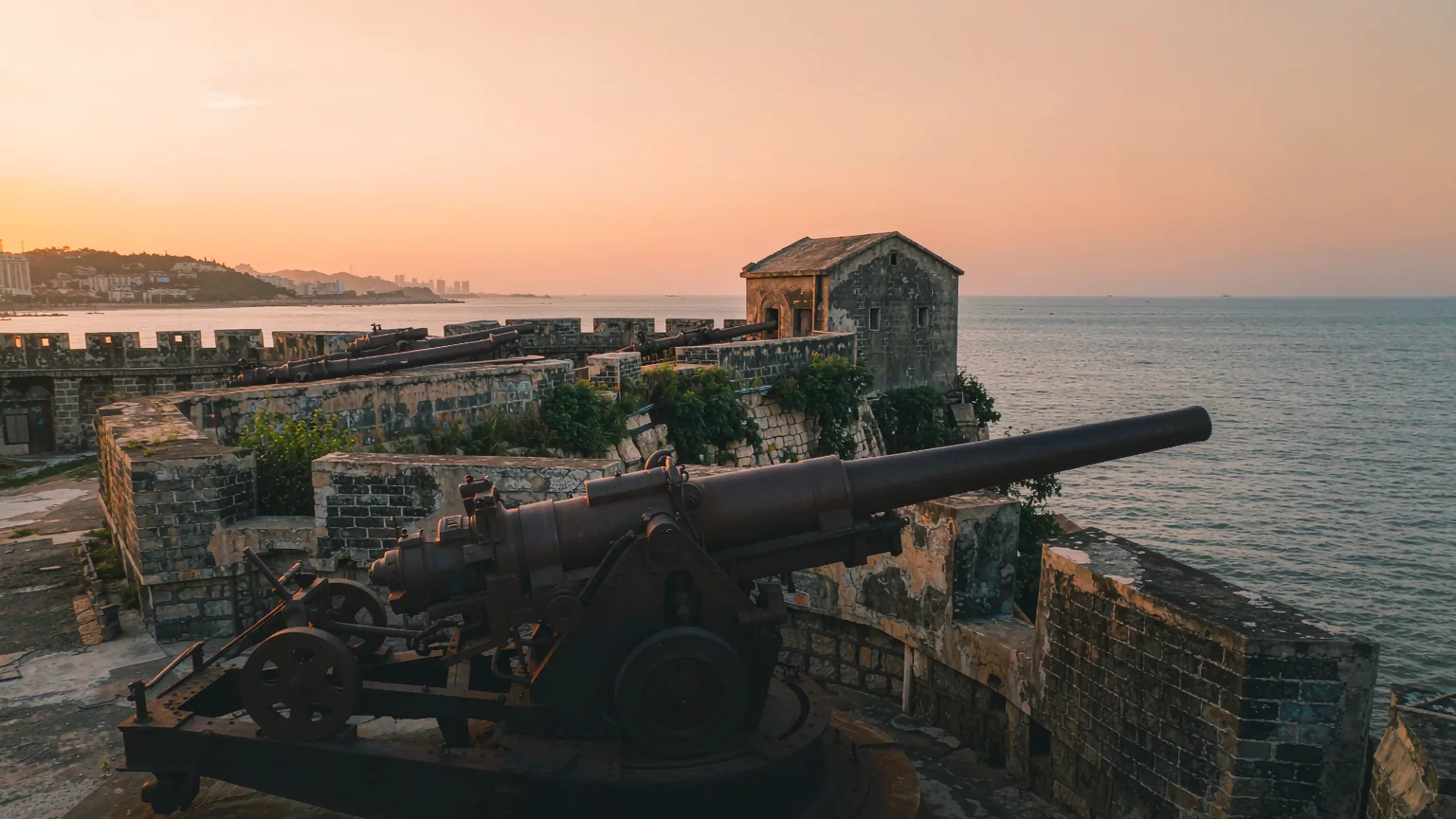
Hulishan Fortress holds two Krupp coastal guns bought in 1893, one of which is the largest surviving 19th-century coastal cannon in the world at 280 m
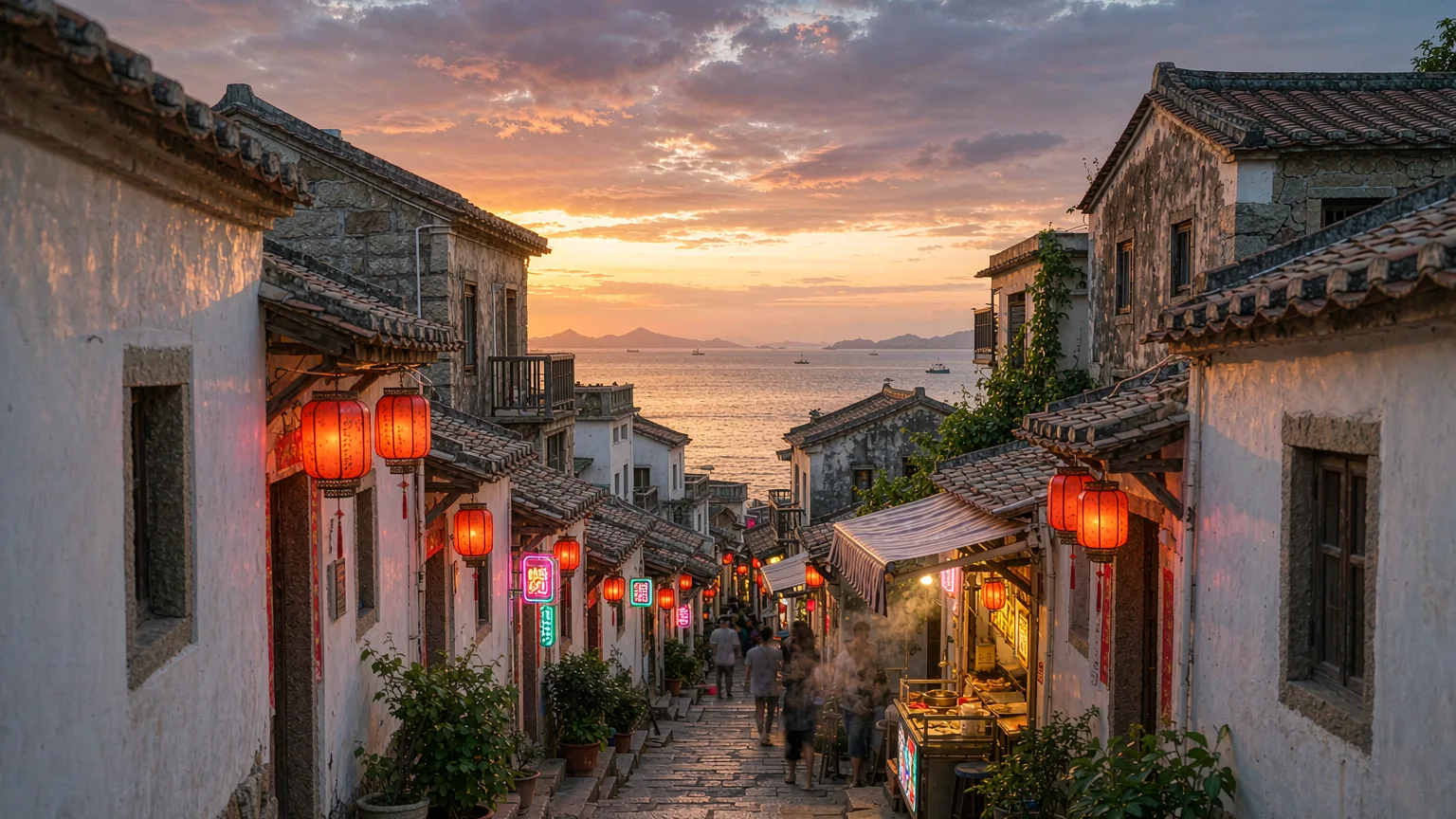
Zengcuoan is a fishing village that became a budget traveller district: 5 lanes and 18 alleys of guesthouses, snack stalls and small bars, 10 minutes
A little further out, for a spare half-day.

A large, well-known shopping mall in Xiamen with multiple zones of fashion brands, dining, cinemas and a…
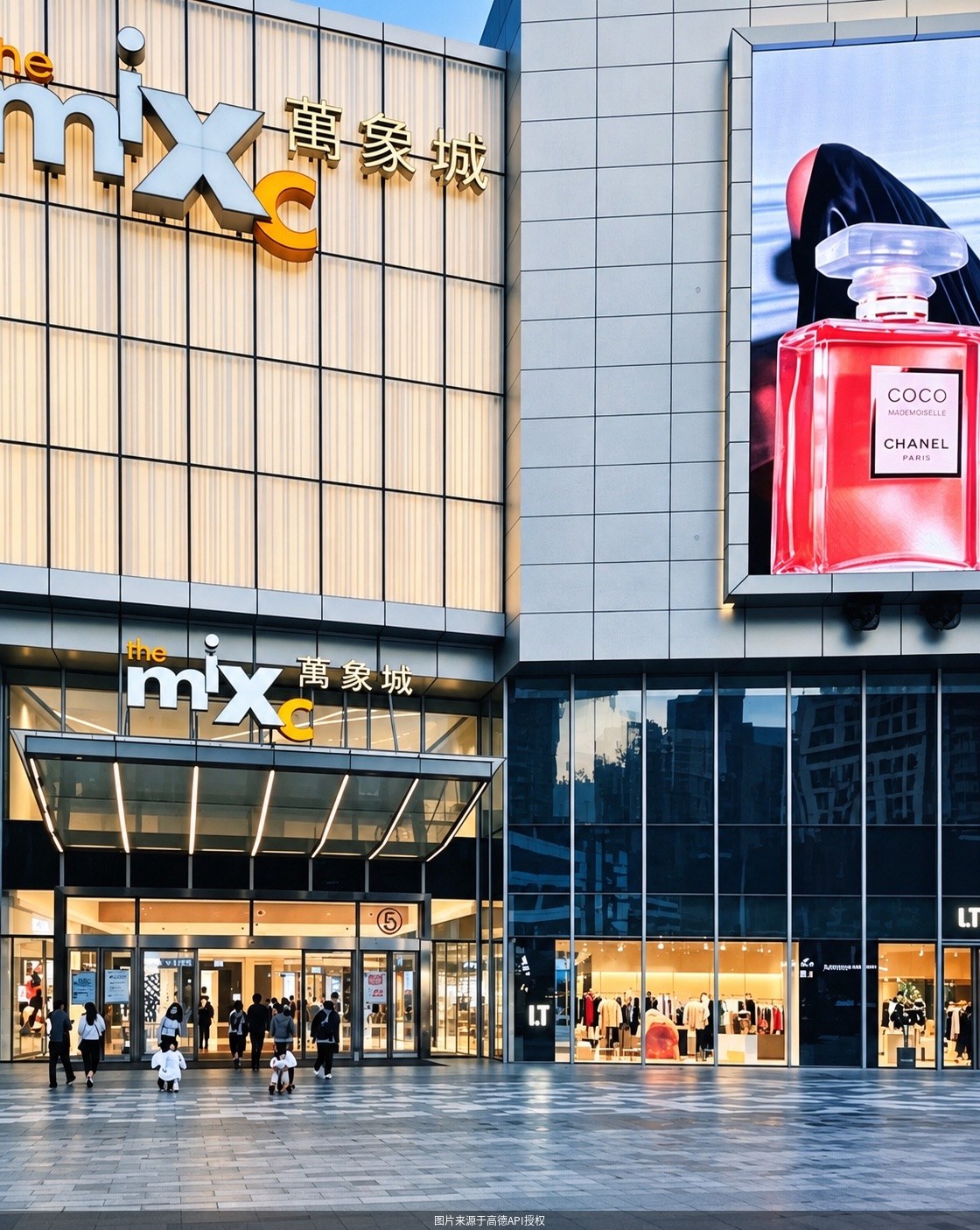
A city-level upscale mall on Hubin East Road, gathering international luxury brands, fine dining and cinemas.…
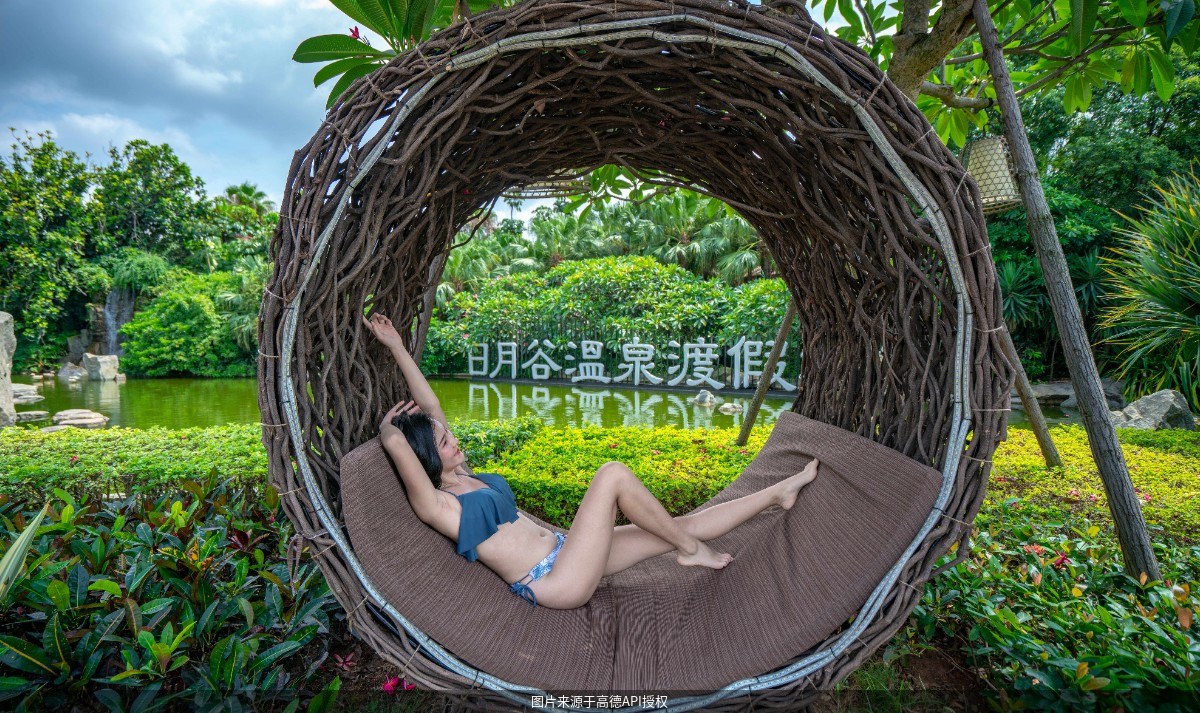
A celebrated Southeast-Asian garden hot-spring resort with quality springs and many pools, including floral…
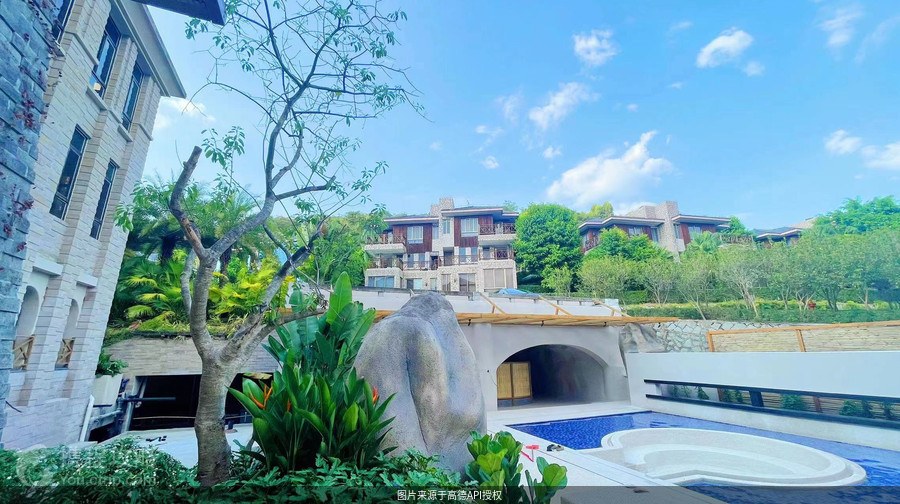
A hot-spring resort in Tong'an with abundant quality springs and well-appointed bathing and leisure…
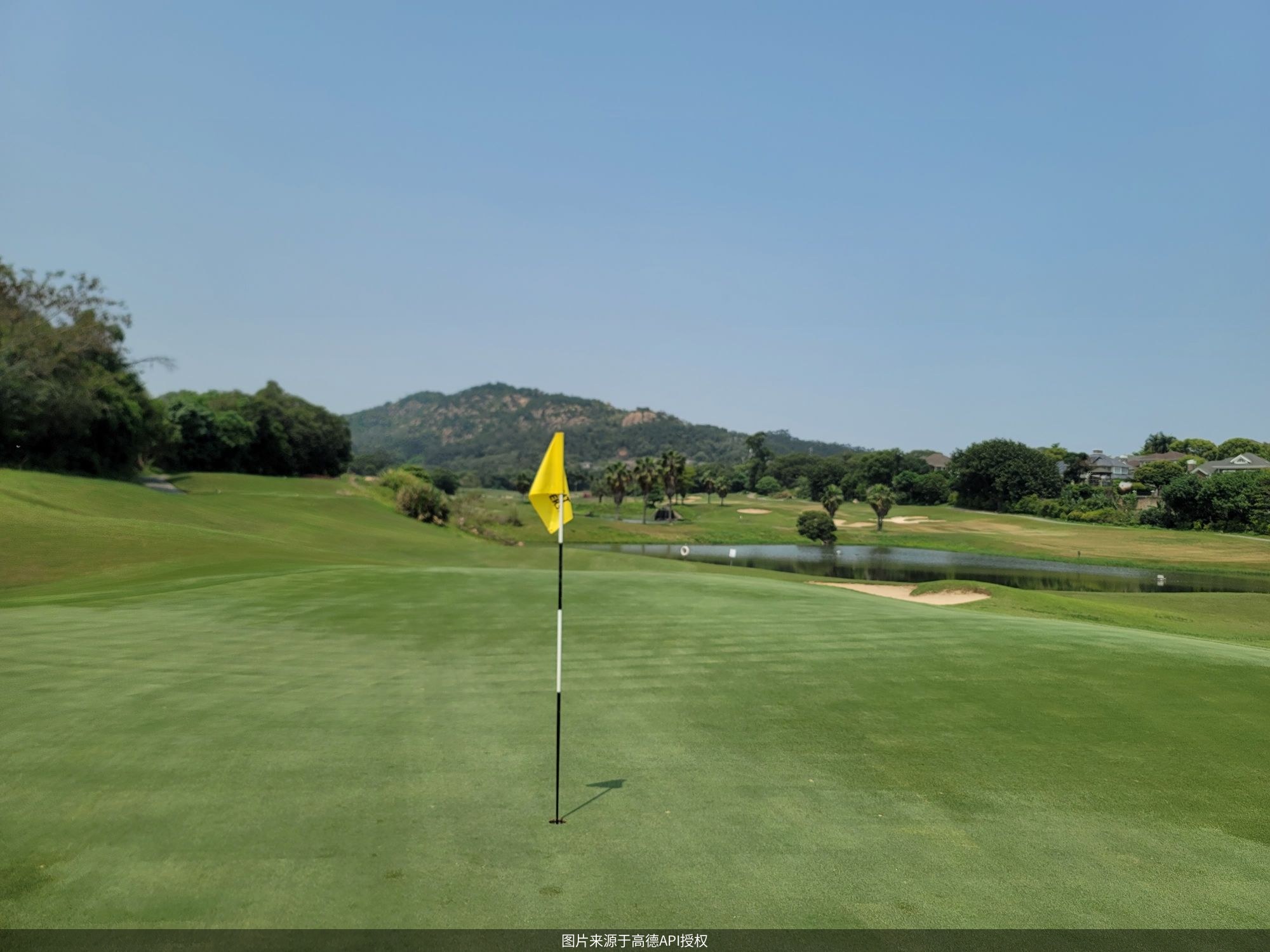
A classic golf course in Haicang set between hills and sea, with carefully laid-out fairways. One of Xiamen's…
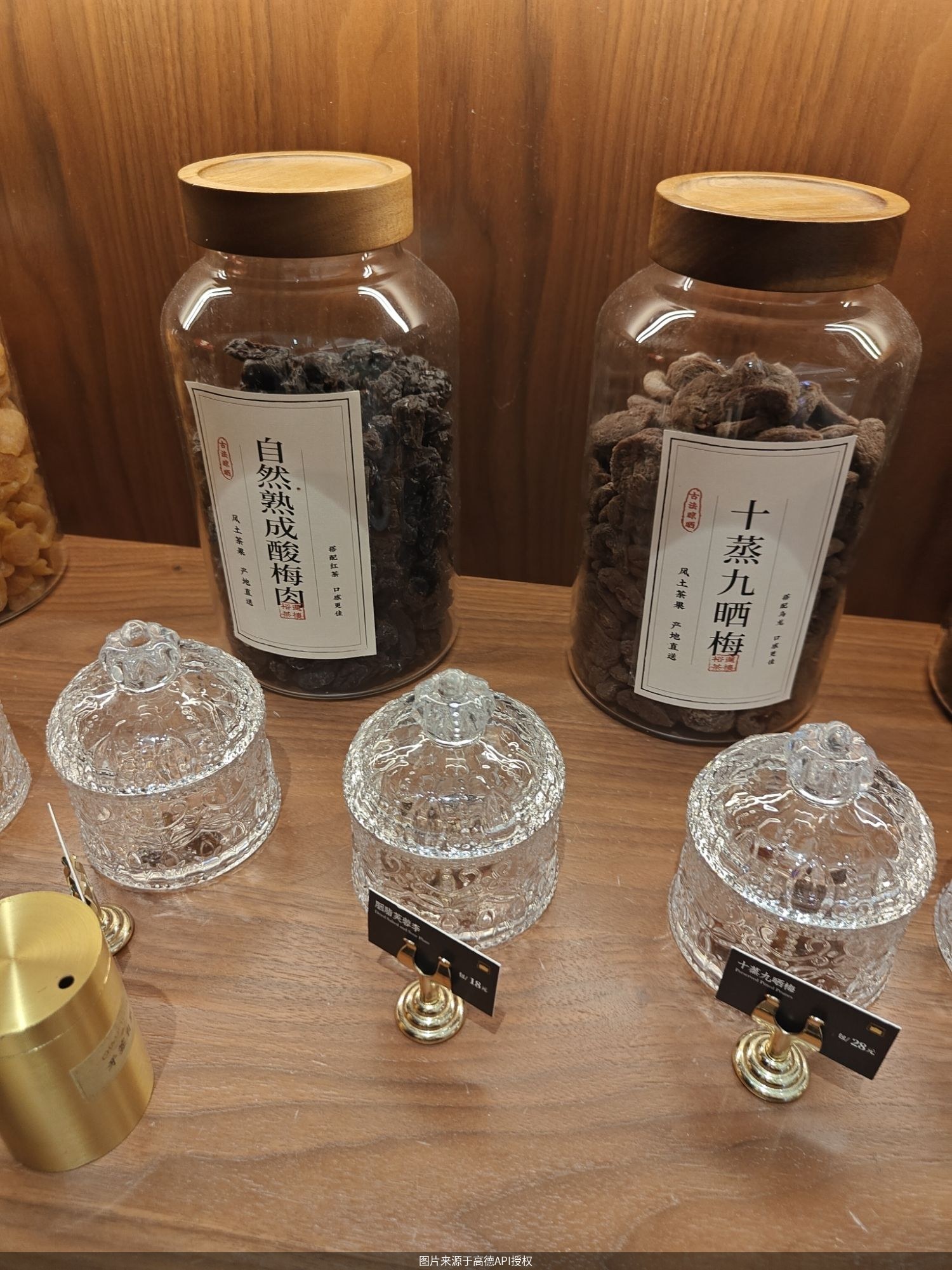
A refined teahouse in MixC Xiamen specializing in Minnan tea and Chinese-style refreshments in an elegant…
Museums, galleries and workshops still keeping old crafts alive.
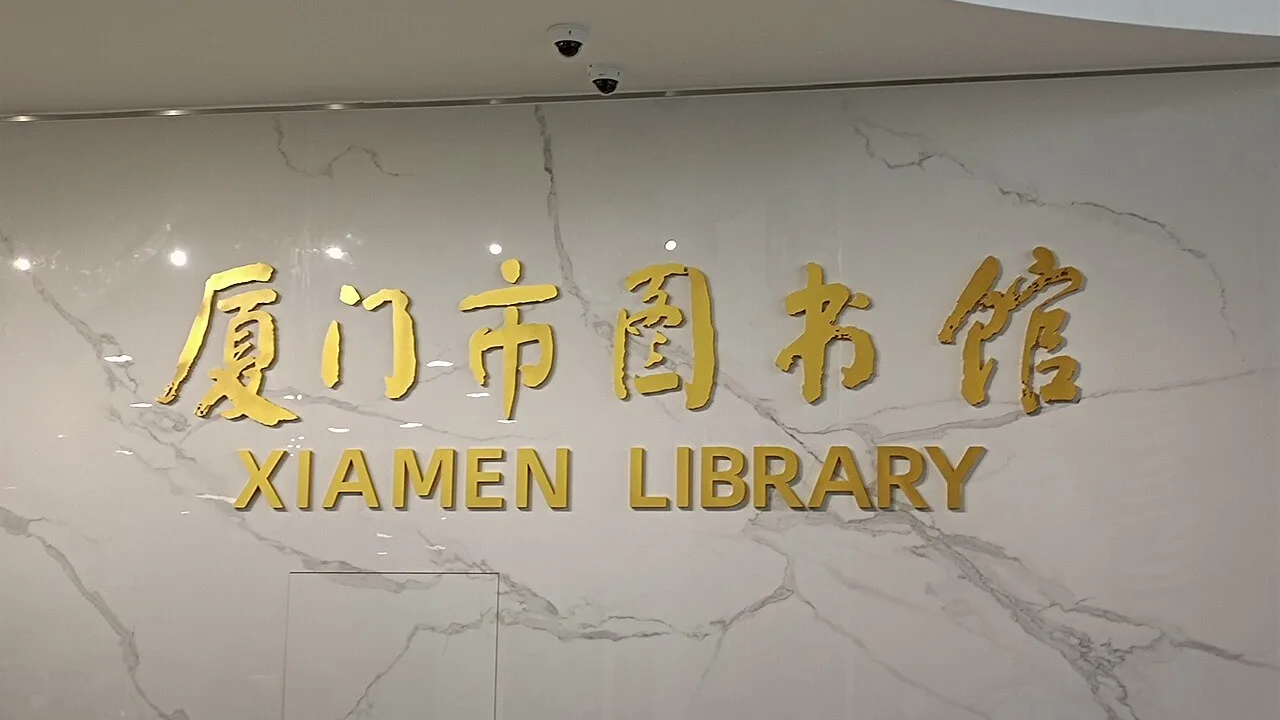
Xiamen's largest public library with rich collections and modern campuses at the Culture and Arts Centre and…
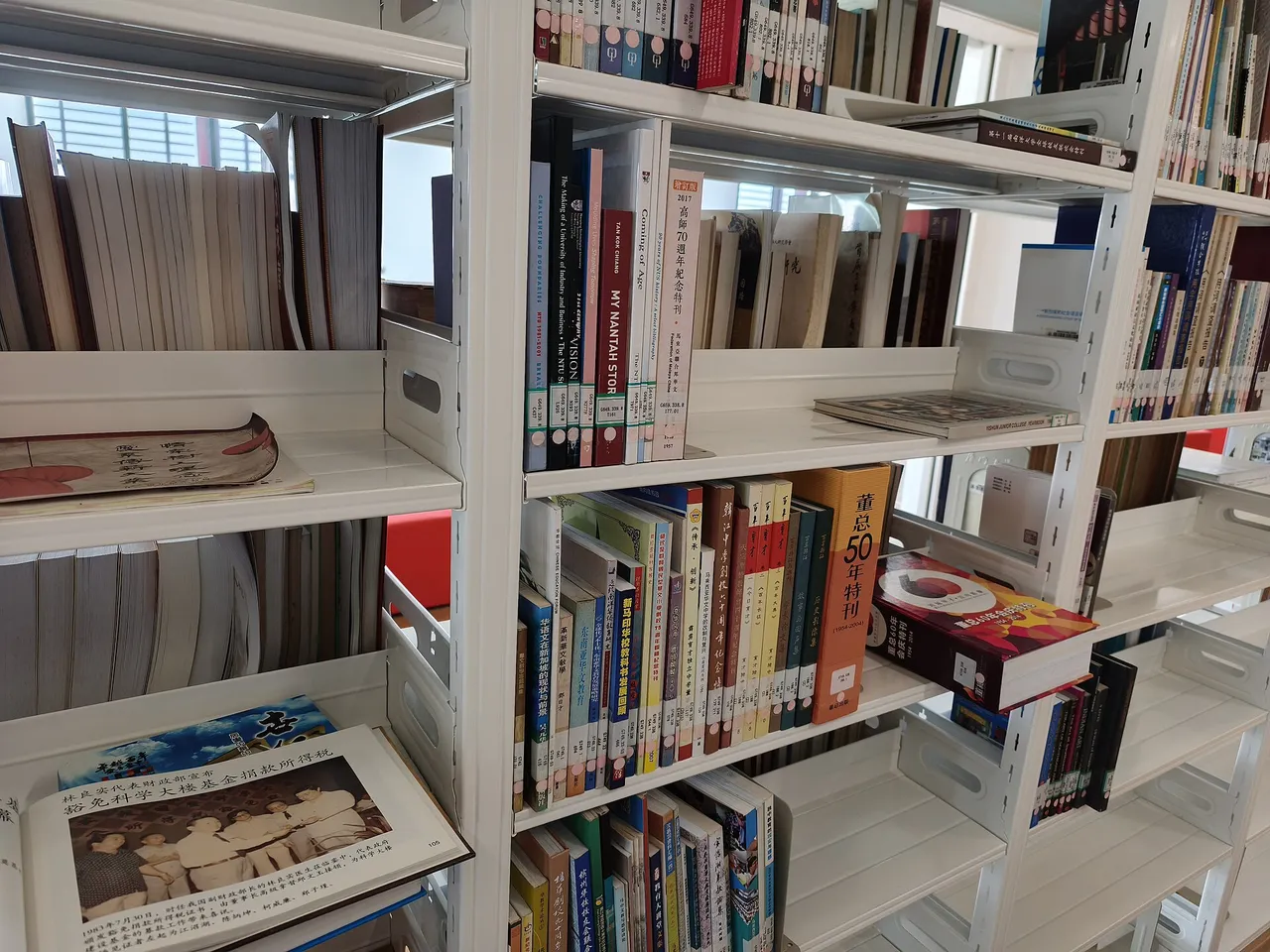
The academic library of Xiamen University, holding over ten million items in an elegant building with open…
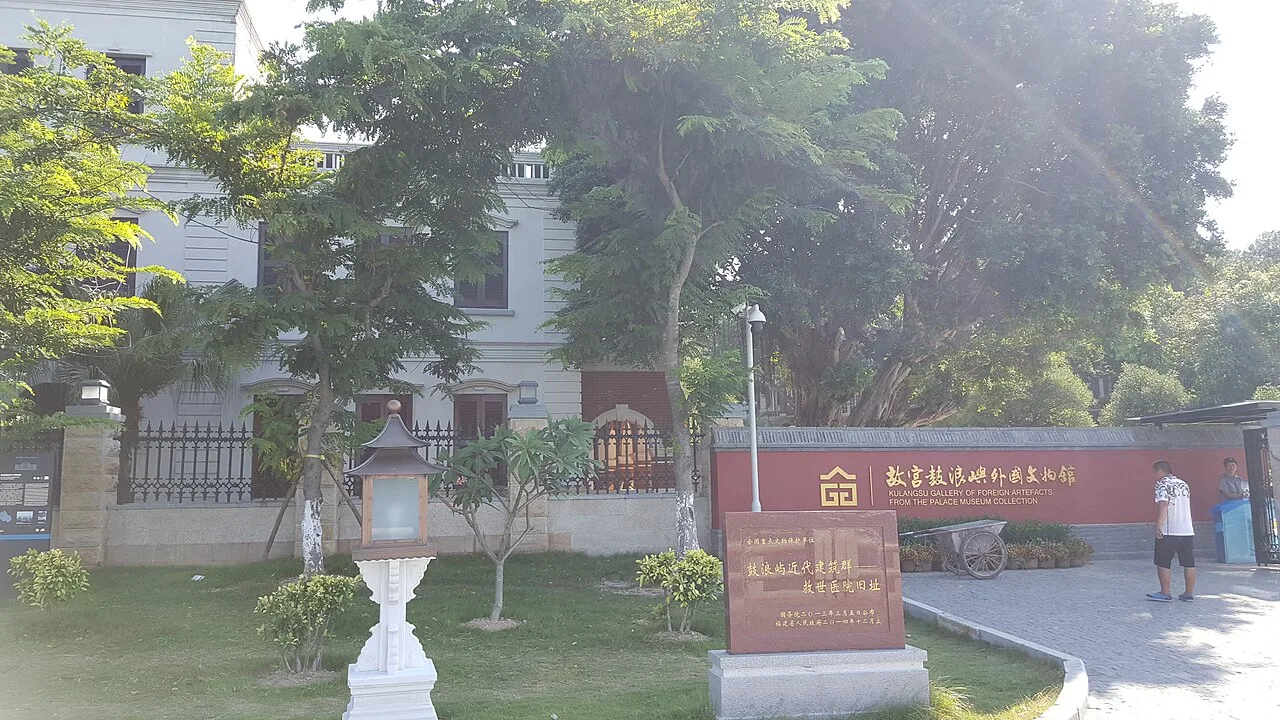
A Palace Museum branch on Gulangyu housing Western artifacts and diplomatic gifts from the Qing court. Its…
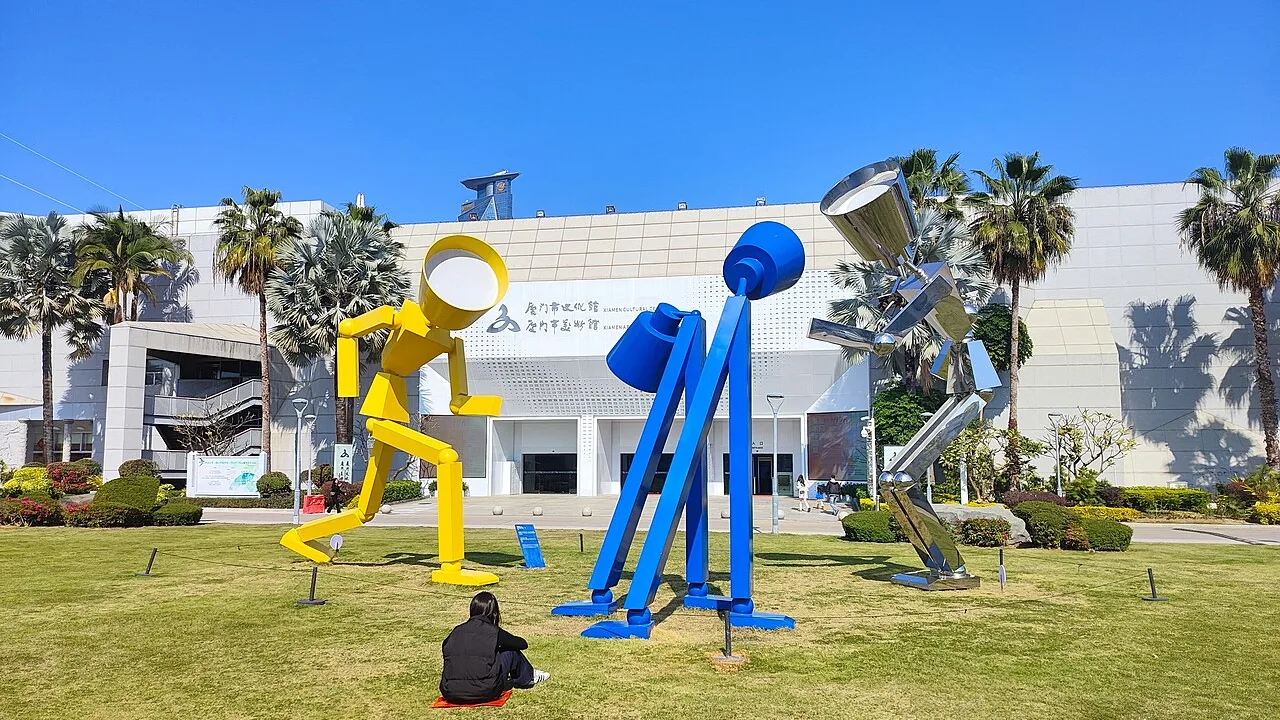
A city art museum in the Culture and Arts Centre, with rich painting collections and regular exhibitions of…
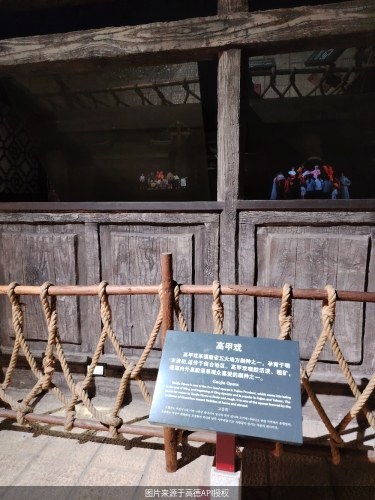
A major Minnan opera form and national intangible heritage, famed for its clowns and expressive makeup. Its…
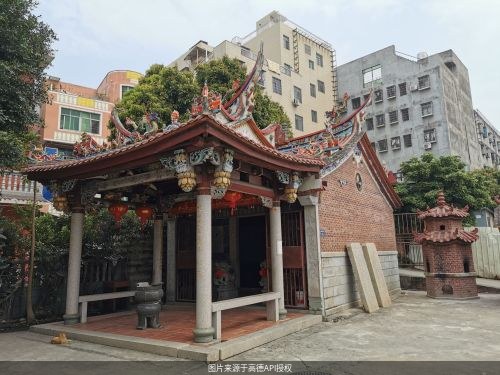
A national intangible heritage venerating Baosheng Dadi, the God of Medicine, with roots at the Qingjiao and…
What is on stage after dark.
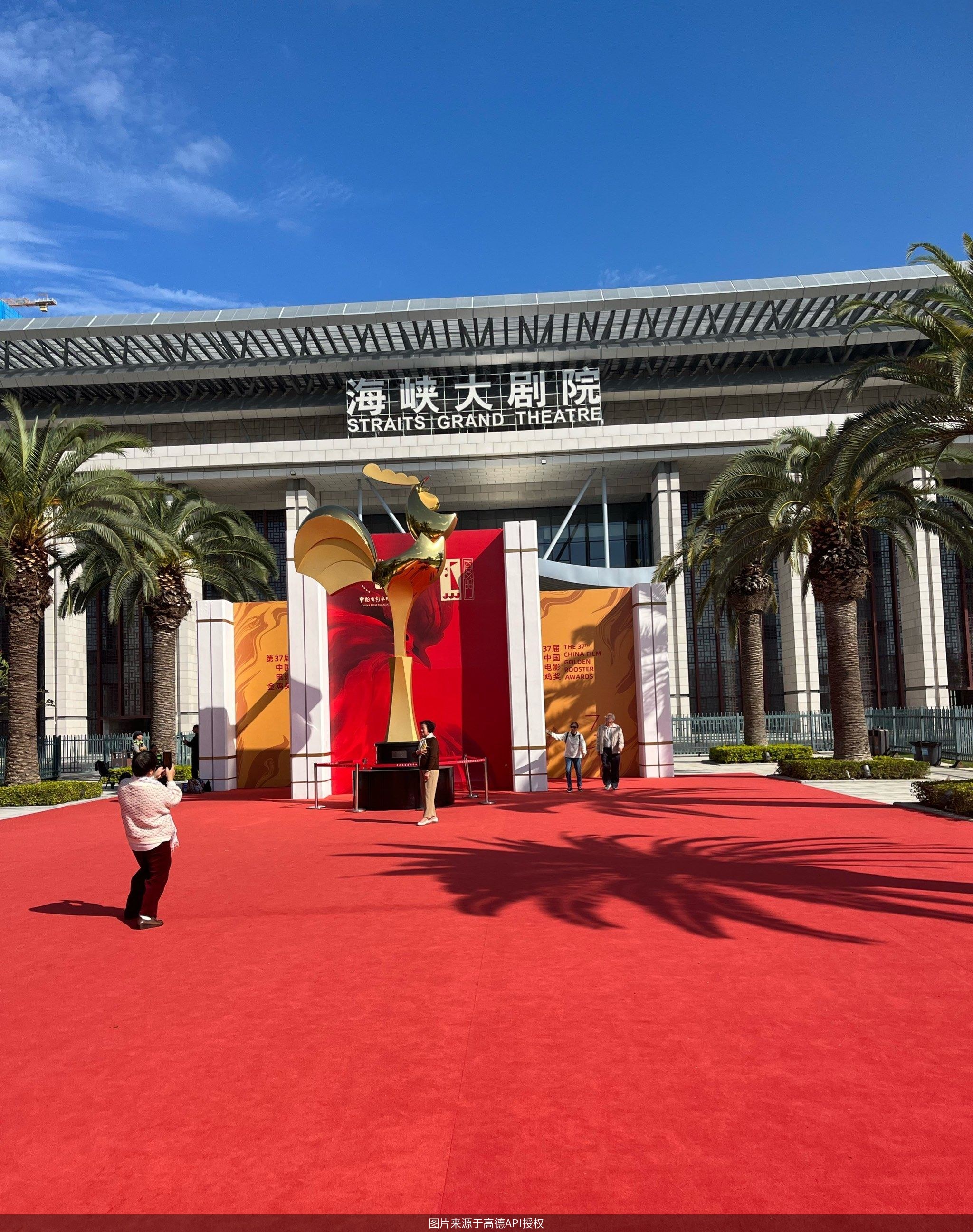
A large theatre in the convention district with advanced facilities, hosting major performances, conferences…

A modern, elegant performance venue with first-class staging facilities, hosting concerts, opera, drama and…

A modern theatre in Jimei named after Tan Kah Kee, with well-equipped stages hosting drama, concerts and…
Where the whole street eats — the city's most famous food streets, each with its own guide page.
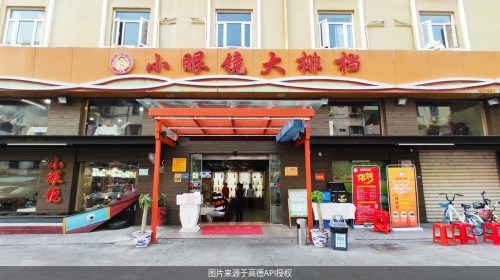
A household-name seafood dapaidang in Xiamen, famed for fresh seafood, Minnan cooking and fair prices. Its…
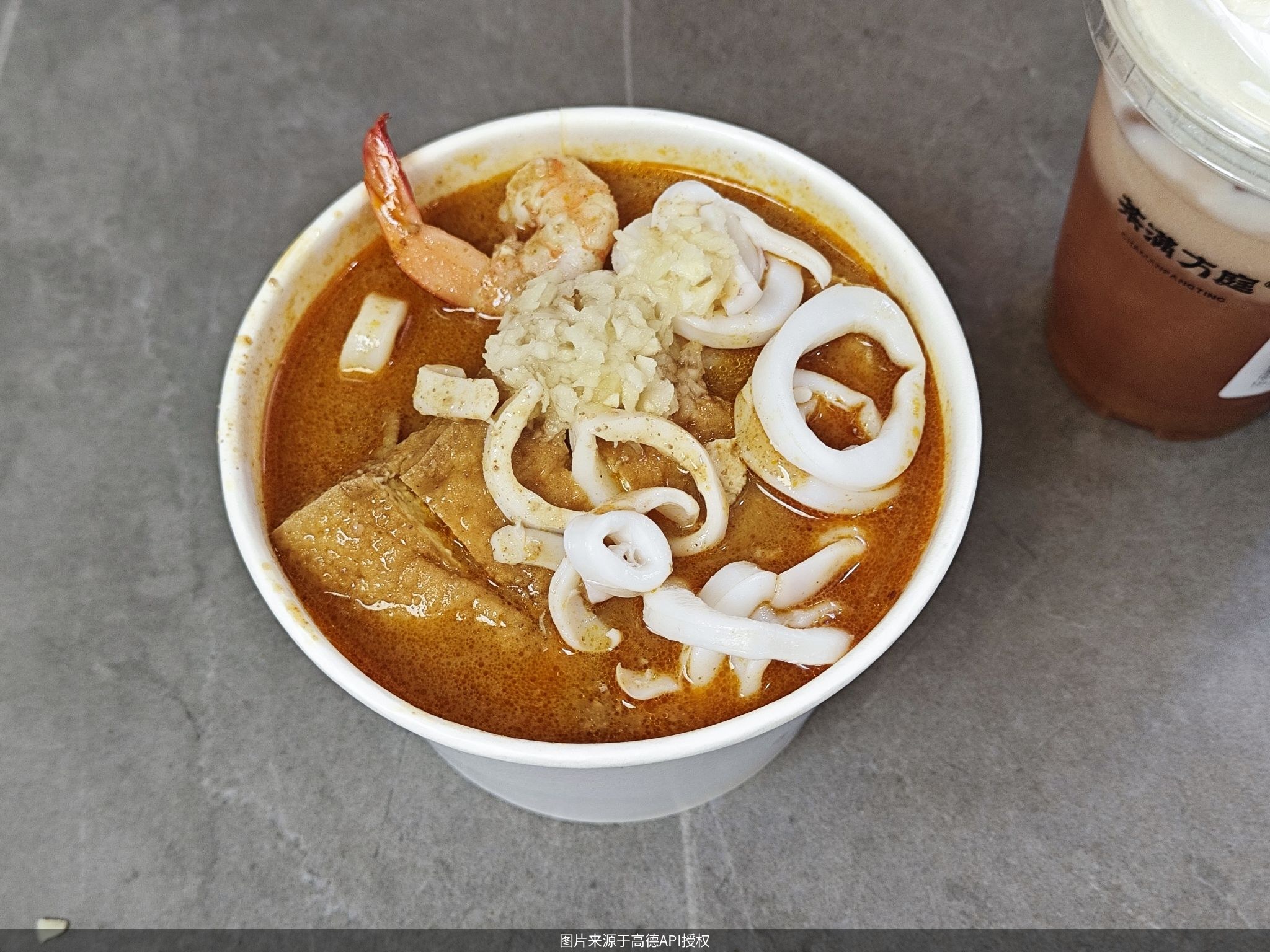
A famous shacha noodle shop where rich, mildly spicy peanut-and-shacha broth meets your choice of shrimp…
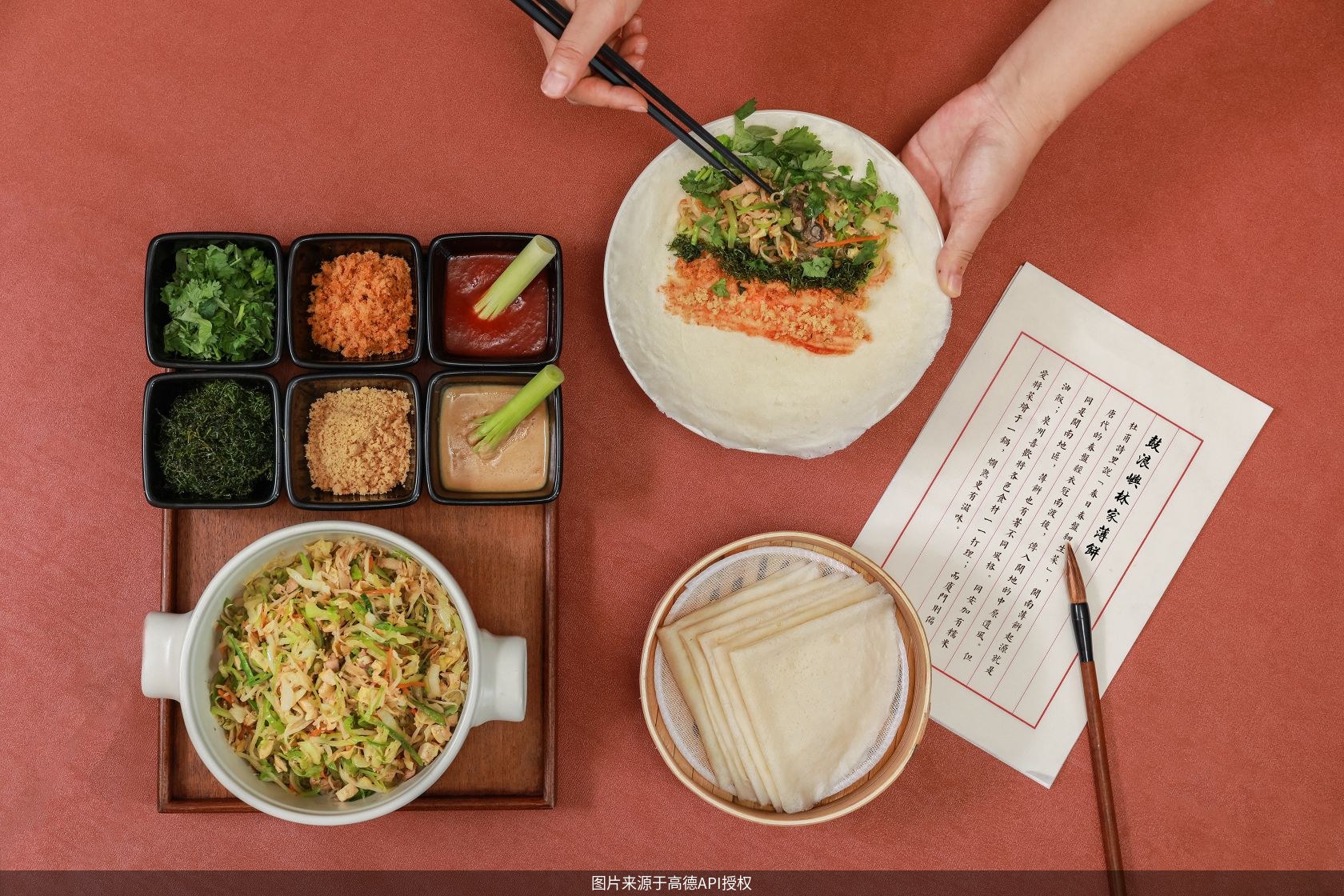
A Minnan restaurant on Gulangyu serving heritage home-style dishes like ginger duck, vinegar pork and oyster…
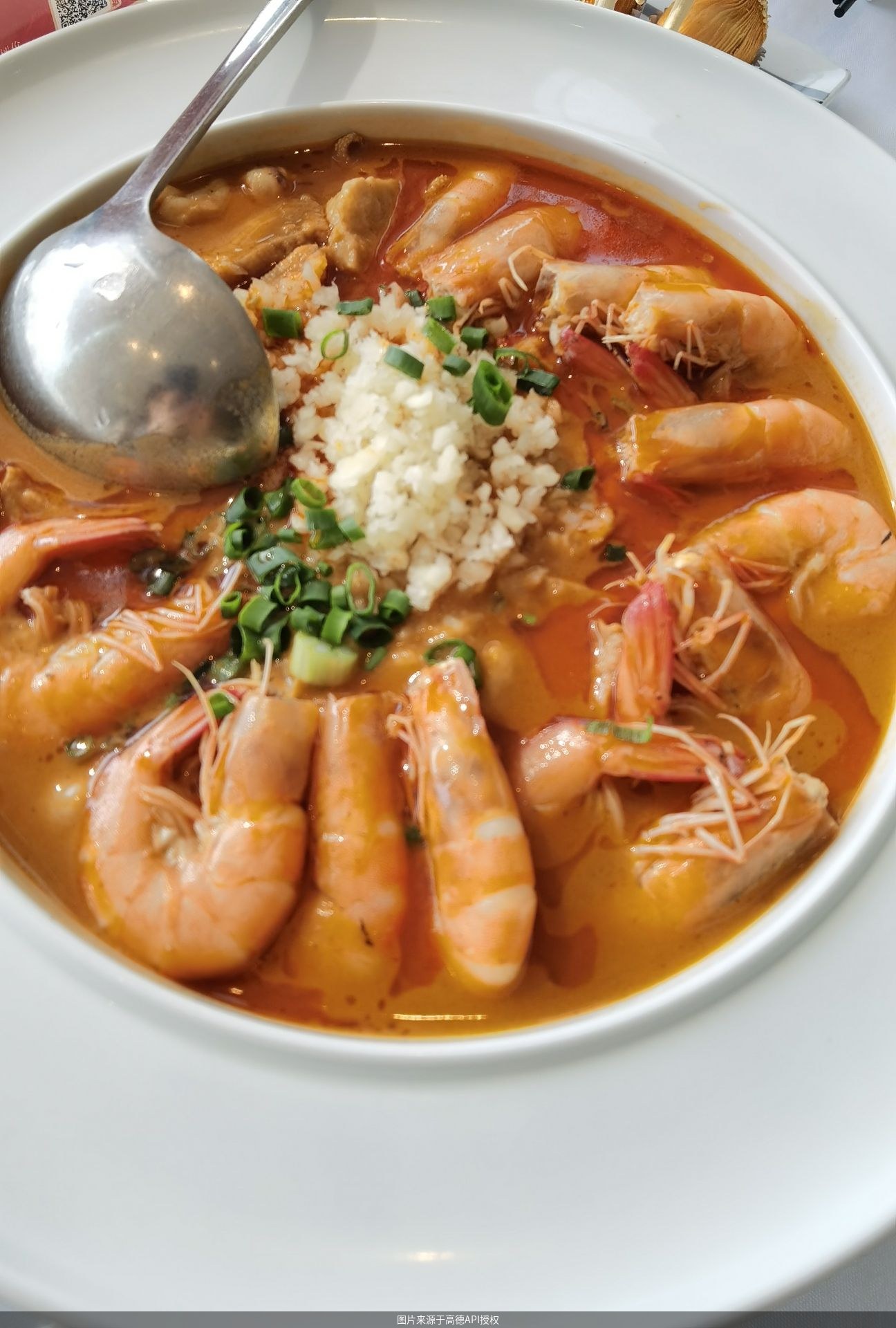
A well-known seafood restaurant on Huandao Road, specializing in live seafood prepared Minnan-style. Dine on…

A popular Xiamen seafood dapaidang serving old-city specialties and live seafood, with authentic soy-sauce…
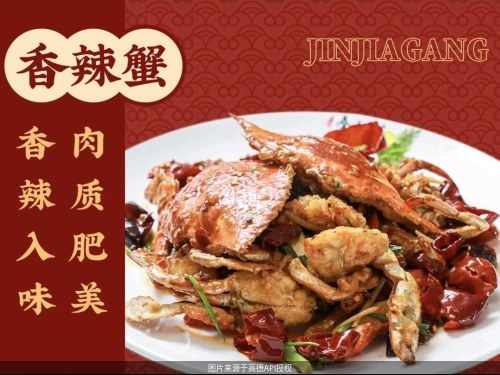
A seafood dapaidang near Zhongshan Road, where diners pick live seafood cooked Minnan-style at fair prices. A…
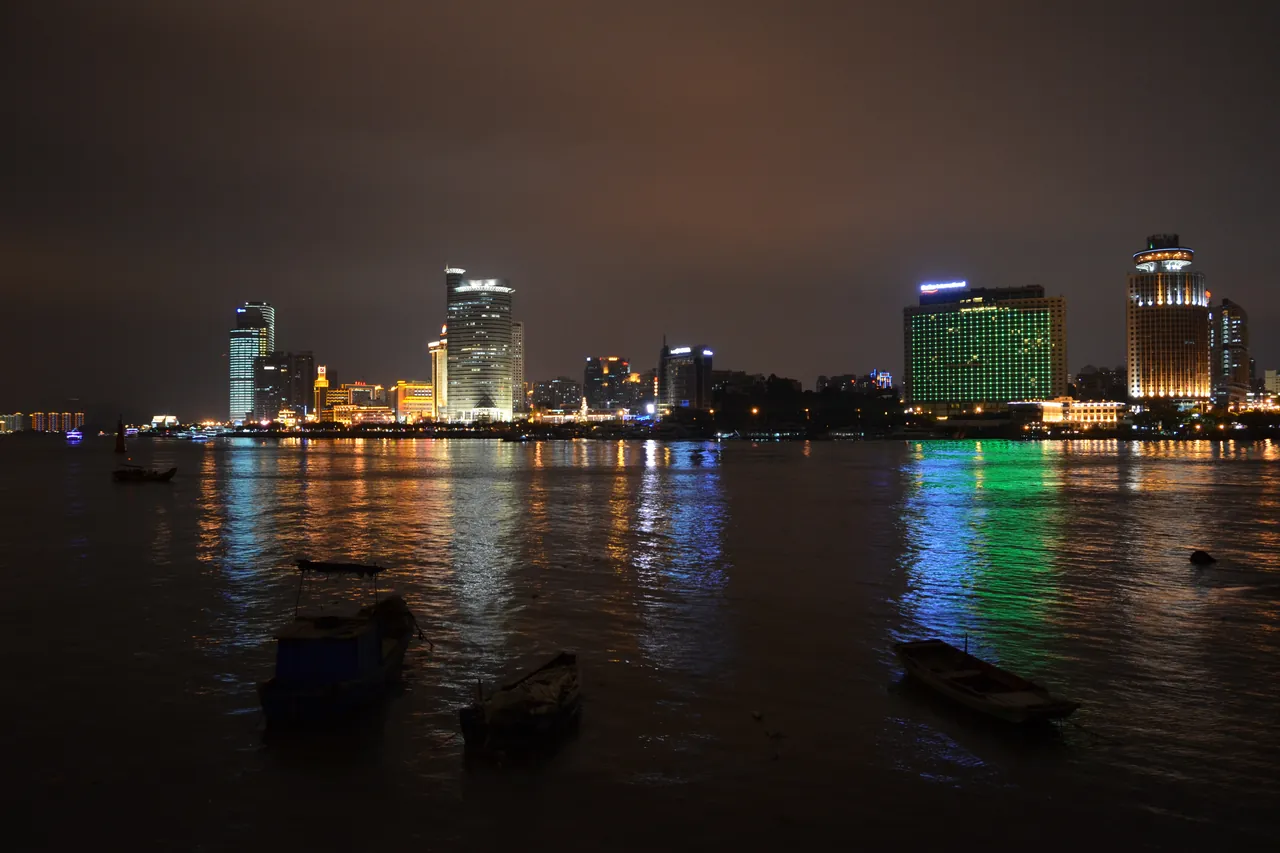
Old fishing harbour turned seafood and café district.
Lit coastal road with beaches and sea views.
Colonial arcade street for snacks and shopping.
The island is quieter after the last day-trippers leave.
Seafood by the harbour, then a walk along the water — Xiamen's nights are low-key.
Listed sites and the crafts that made this city famous.
An island of 1,000+ historic villas, churches and consulates, inscribed in 2017.
A Tang-founded Buddhist temple at the foot of Wulao Peaks.
Round and square earthen Hakka buildings, part of the Fujian Tulou World Heritage (2008).
A comic Minnan opera form with exaggerated movement.
Comic Minnan opera with exaggerated comic movement.
Ancient Minnan chamber music, called a 'living fossil' of Chinese music — UNESCO heritage.
Red-brick houses with sweeping swallowtail roofs.
Peanut, shrimp and spice sauce brought by Southeast Asian traders.
Senior licensed guides with 10+ years in the field and fluent English — deep on history, culture and local life.
Experienced licensed guides with clear English — solid on city highlights, food and day-to-day logistics.
Licensed guides with workable English — a good-value choice for city days, transfers and standard commentary.

Chauffeur-driven by the day, plus airport and intercity transfers.



Private chauffeur-driven vehicles, priced per vehicle not per person. Airport transfer from $45; intercity transfer from $180.
Xiamen's main aviation hub on the north of the island, with T3 and T4 terminals serving extensive domestic and international routes. Well-linked by bus and metro, it is the key gateway to the city.
A major high-speed rail hub in Jimei, where the Fuzhou-Xiamen and Xiamen-Shenzhen lines meet, linked to metro and BRT. A key gateway connecting Xiamen to coastal cities.
A ferry wharf on western Gulangyu, quieter than its eastern counterpart, receiving ferries from Xiamen Island. A good option for exploring the west shore.
Xiamen's modern cruise home port and a key ferry departure point for Gulangyu. With complete facilities and broad routes, it is a major gateway for cruise travel.
A large, well-known shopping mall in Xiamen with multiple zones of fashion brands, dining, cinemas and a supermarket. Its enduring popularity makes it a top spot for family shopping and leisure.
Xiamen's liveliest historic shopping street, lined with continuous Nanyang arcade buildings, time-honored shops and Minnan snacks. Stretching from the ferry terminal toward Siming South Road, it bustles day and night.
A city-level upscale mall on Hubin East Road, gathering international luxury brands, fine dining and cinemas. It is a landmark destination for shopping, dates and leisure in Xiamen.

10 guides split by trip length: one-day city routes, three-day escapes and longer journeys, with stops, costs and transport in each.
Catch the first ferry to Gulangyu, spend the afternoon at Nanputuo Temple and along the
Three DaysXiamen Heritage in Three Days: Gulangyu, Kah Kee Architecture and the Map of Baosheng Dadi FaithGive day one wholly to Gulangyu's villas and the World Heritage listing, day two north t
Multi-DayXiamen in Five Days: The Complete Edition of Island, Old Town and Mountain SpringsA full day on Gulangyu, two days of island coast and campus, half a day in Jimei, and a
Real routes, real travellers — a sense of what a trip looks like.
Most travellers spend 3 days here. Add a day for a side trip if you want a slower pace.
Spring and autumn are usually the most comfortable. Check the seasonal notes above before booking.
We arrange airport/rail transfers and private drivers. Tell us your arrival point and we plan the connection.
Send an enquiry and a human expert replies within 12 hours with a draft plan and real prices. Flexible rescheduling; clear cancellation terms in your quote.
2-day private itineraries in Xiamen start from $540 per person, two travelling together. Your proposal itemises hotels, tickets, guide and car — no hidden fees.
Yes — ferries are capped daily and sell out in peak season. Book online with your passport and take the earliest boat.
Yes — Yongding and Nanjing tulou are 2–2.5 hours by road, doable as a long day trip or better with an overnight.
Recent listed prices: Gulangyu Island ¥35; Xiamen Island Ring Road free; Nanputuo Temple free; Xiamen University free; Hulishan Fortress ¥25. Ticket prices change seasonally — we confirm them in your quote.