
Yantai's inland counties keep another Jiaodong: Xixia is apple country whose folds hold the Mou Family Manor, the largest landlord manor surviving in the north; Zhaoyuan is China's gold capital, where the panning town lets you descend a real mine and pan real gold; Longkou keeps a great Buddha facing sea and hill, plus the old courtyards of Huangxian merchants.
Three days advance by county: Xixia first with a night near the manor or in town; Zhaoyuan second, half a day in the gold town and half in the museum; Longkou third for Buddha and old residence, back to Yantai by evening. County-to-county drives run about an hour, self-drive or charter the smoothest way.
Itinerary at a glance
| 09:00 | Day 1, the Mou Family Manor: A Northern Landlord's Complete Estate |
| 13:30 | Day 1, the Taixu Palace: A Daoist Temple by the Water |
| 16:00 | Day 1, the Orchard Roads: Fruit Stalls and a First Taste |
| 18:30 | Day 1, Dinner in Xixia Town: Night in Apple Country |
| 08:30 | Day 2, the Gold-Panning Town: Down the Mine, Up with Real Gold |
| 11:00 | Day 2, Mount Luo: The Forest Above the Gold |
| 13:30 | Day 2, the Gold Museum: A City's Golden History |
| 08:30 | Day 3, the Nanshan Scenic Area: The Great Buddha and Its Calm |
| 11:00 | Day 3, the Nanshan History and Culture Park: From the Buddha to a Thousand Years |
| 13:30 | Day 3, the Ding Family Residence: A Huangxian Merchant's Compound |
The route, stop by stop
Day 1, the Mou Family Manor: A Northern Landlord's Complete Estate
The manor sits north of Xixia town, built by the Qing-era Mou family of Mou Molin, its two hundred-plus rooms claiming the largest landlord estate in northern China. Within the grey-brick compound, counting house, granary, mill and family quarters zone clearly, the operating logic of an entire agrarian society laid out in front of you.
The detail is the sight: the tiger-skin walls piecing patterns from stones of varying hue, brick and wood carvings arranged strictly by ritual code. Hire a guide; every corner carries a story.
Day 1, the Taixu Palace: A Daoist Temple by the Water
The afternoon takes in the Taixu palace, a Daoist temple bound to the Quanzhen patriarch Qiu Chuji, its halls built along the water, unusually grand for a county-level temple. Set its Daoist geometry against the manor's Confucian order, two faces of rural China in one day.
The steles and hall forms reward slow reading, the waterside courtyards trading the manor's sternness for quiet. An hour covers it well; keep a few minutes for the bridge and the current below.
Day 1, the Orchard Roads: Fruit Stalls and a First Taste
Leaving the temple, walk a stretch of orchard road: in autumn the trees hang heavy with fruit bags and roadside stalls stack apples fresh off the trees, and farmers are glad to cut one for a taste. The secret of Xixia apples reads best standing inside the orchard itself.
Off October, bagging and thinning work still shows in the rows, a country lesson read backward. Buy from the growers' roadside stalls, cheaper and fresher than the town shops.
Day 1, Dinner in Xixia Town: Night in Apple Country
Sleep in Xixia town and eat Jiaodong home cooking, where apples enter the kitchen: candied apple and apple-braised pork ribs both worth a try. County portions run honest, three dishes for two.
After dinner walk the town streets, October fruit shops stacking apple mountains, the whole block smelling of sweetness. Sleep early; the gold capital waits tomorrow.
Day 2, the Gold-Panning Town: Down the Mine, Up with Real Gold
Day two enters Zhaoyuan, the gold-panning town at the foot of Mount Luo, its core experiences the mine and the pan: helmet on, descend a genuine workings to read the gold veins in the rock, then work a panning dish in the gold river, keeping any flecks you raise.
The town's streets restore an old gold camp, smithy, pawnshop and tavern in a line. Give the mine and the pan a stretch each across the morning, and browse the town slowly around them.
Day 2, Mount Luo: The Forest Above the Gold
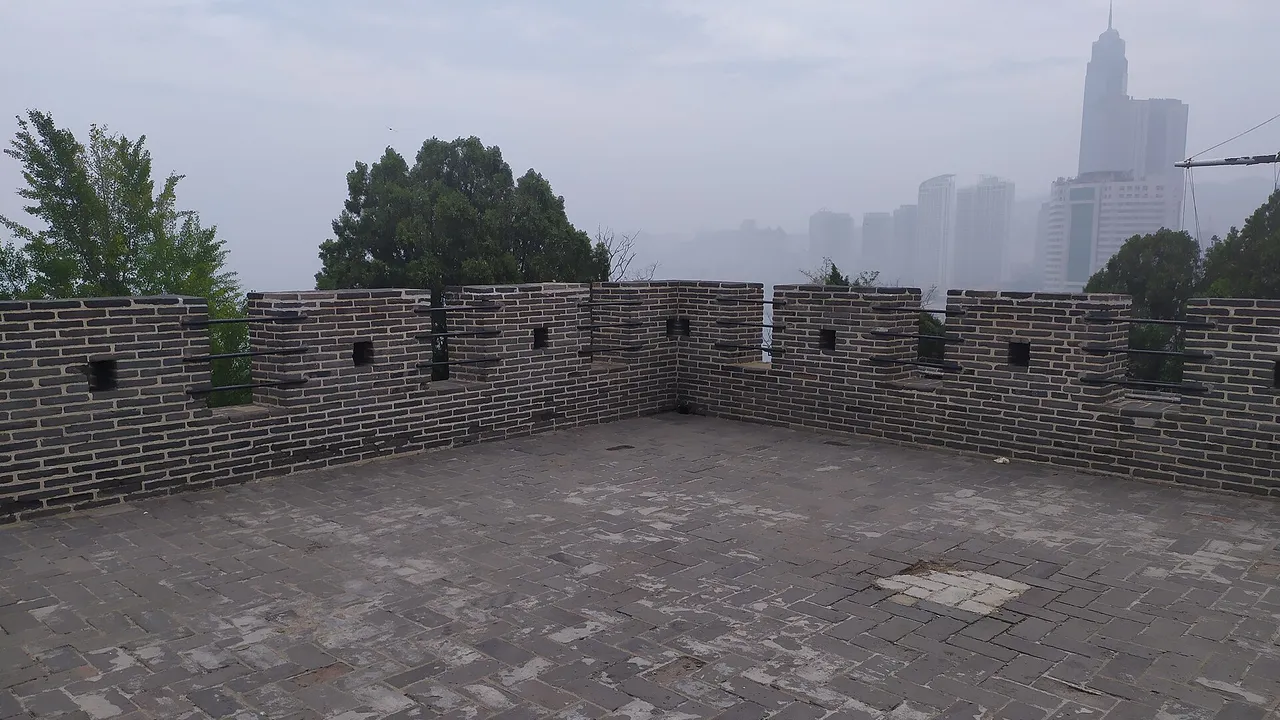
The gold town sits at Mount Luo's foot, so climb a stretch before lunch: Luo is Zhaoyuan's green lung, paths threading black pine and weathered rock, with a summit view over the whole gold belt. What lies beneath the panning river becomes obvious up here.
The paths run easy, an hour's loop enough, or turn back at the viewing deck on modest legs. Mountain wind and pine resin trade the mine's chill for a different kind of clarity.
Day 2, the Gold Museum: A City's Golden History
After lunch the Gold Museum runs from geology through mining history to goldsmithing, explaining plainly why Zhaoyuan is the gold capital. The showcased gold brick lifts to the hand, a finger-thick bar far heavier than expected.
Interactive zones demo virtual panning and gold refining, holding children for a long while. Leaving the museum, the morning's mine snaps into context, knowledge threading into a line.
Day 3, the Nanshan Scenic Area: The Great Buddha and Its Calm
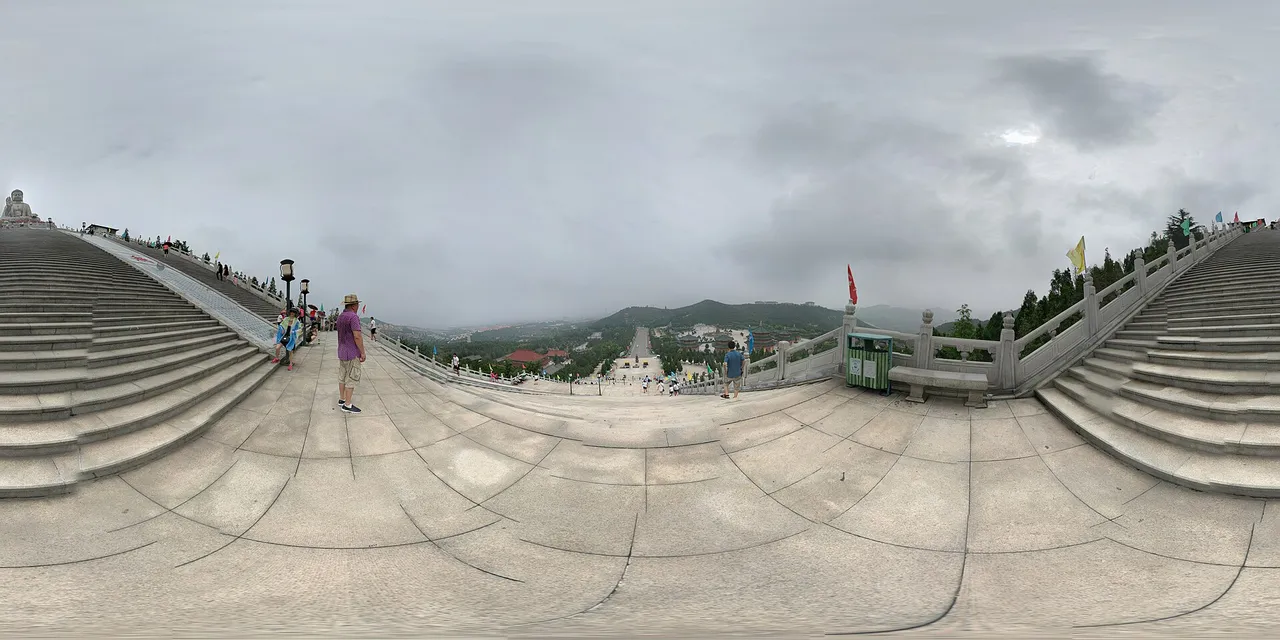
Day three reaches Nanshan in Longkou, a hillside complex centered on a colossal seated bronze Buddha tens of meters tall; from the pedestal, looking up recalibrates your sense of human scale. Temples and gardens unfold along mature walking lines.
Ascend by steps or shuttle; average legs do one way on foot and one by vehicle. Beyond Buddhist culture, the sight is layering, gardens near, the Bohai Sea far on clear days.
Day 3, the Nanshan History and Culture Park: From the Buddha to a Thousand Years
Walk from the Buddha quarter into the in-park history and culture complex, pseudo-antique architecture spread up the slope in dynastic sequence, Chinese history built as an ascending road. It is the site's most overlooked and most walkable stretch.
The grounds run large and thin of visitors; stroll, rest, and treat it as the day's climbing. History-indifferent visitors can enjoy the architecture layered against hill and sea, with photo spots far roomier than beneath the Buddha.
Day 3, the Ding Family Residence: A Huangxian Merchant's Compound
The afternoon takes in the Ding residence in Longkou town, the compound of a Qing-era Huangxian merchant dynasty of millionaire legend. The grey-tiled courtyards run restrained and regular, and unlike the manor's rural earth, this place breathes merchant shrewdness and respectability.
Exhibits narrate the Huangxian brotherhood and the Ding millions' business history; the details live in brick carving and door-pier stones. An hour closes the three country days on a quiet note.
| Getting around |
|
| Budget | Tickets total RMB 250-350; meals RMB 80-150 daily; transport RMB 200-300 pp by charter or car. |
| Best time | April-June and September-October best; in October Xixia's apple harvest fills the roads with crates and sweetness, while summer inland turns muggy, so park noon hours inside the museums. |
FAQs
What will we see that exists only here?
The manor's scale and completeness rank top among China's landlord estates; Zhaoyuan's mine-and-pan opens a real production site, not a set; and the Longkou Buddha's mass and sea-facing position stand alone. All three carry a sense of origin, which is exactly the route's worth.
Is the mine experience safe for children?
The tourist adit is a reinforced experience line to visitor standards, lit and ventilated, with staff guidance throughout; children face height and age thresholds posted daily. For kids fearing dark or enclosure, parents should scout a stretch first; the adit runs cold, so layers.
Is Xixia worth a special trip in October?
Yes, October is the only harvest window: orchards picking, roadside fruit stalls everywhere, new apples sold by the heap at the year's best sweetness and price. Short on time, compress day one to manor plus orchard in half a day; the apples themselves are half the ticket.
What are country lodging and food like across the three days?
County hotels in Xixia and Zhaoyuan are clean and ample, priced below downtown; eating means Jiaodong home cooking, apple feasts and gold-town farm dishes in honest portions. Benchmark the freshness, not the decor of city restaurants, and flag dietary limits when ordering.