
Seven days in Yiwu is an indulgent length, and the only one that sees the city whole. Its layers outpace its fame: three days for the market, one or two districts each, checking goods, noting prices, chatting, pacing like a real buyer; one day sleeping in Fotang, whose morning and night wear two different faces; one day for the new villages of Lizu and Hesilu; one for Yiting's sugar and Shangxi's old hall; and a final day in the hills, Huaxi's bamboo filtering the week's noise clean.
The design is anti-fatigue: each market day carries one district plus one afternoon item, with the siesta institutionalized; sourcing and sightseeing stay separated, buying days ignore views, viewing days ignore bags. Sleep five nights downtown with the sixth optional in Fotang, the smoothest lines overall.
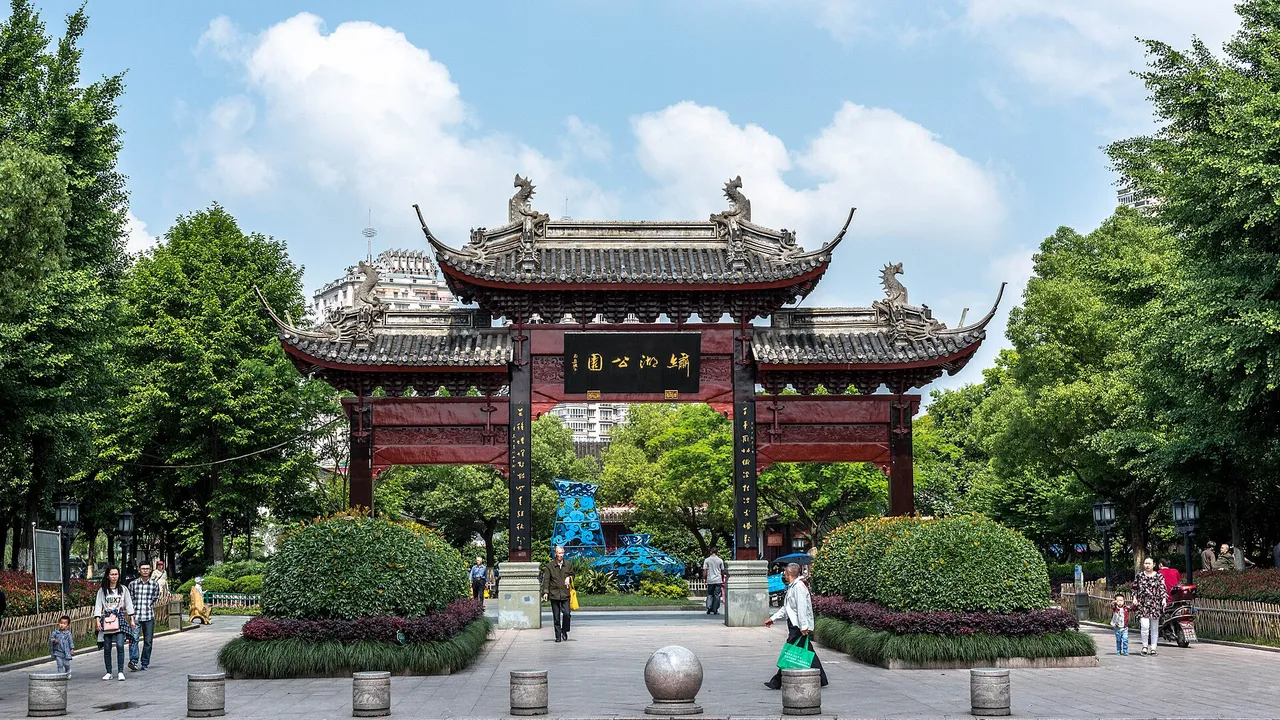
Itinerary at a glance
| D1 09:00 | Xiuhu and the Da'an Pagoda: The Origin Point of Seven Days |
| D1 14:00 | Yiwu Heart: See the Spending Side before the Supply Side |
| D1 18:30 | The Yiwu River at Night: The Week's First Evening |
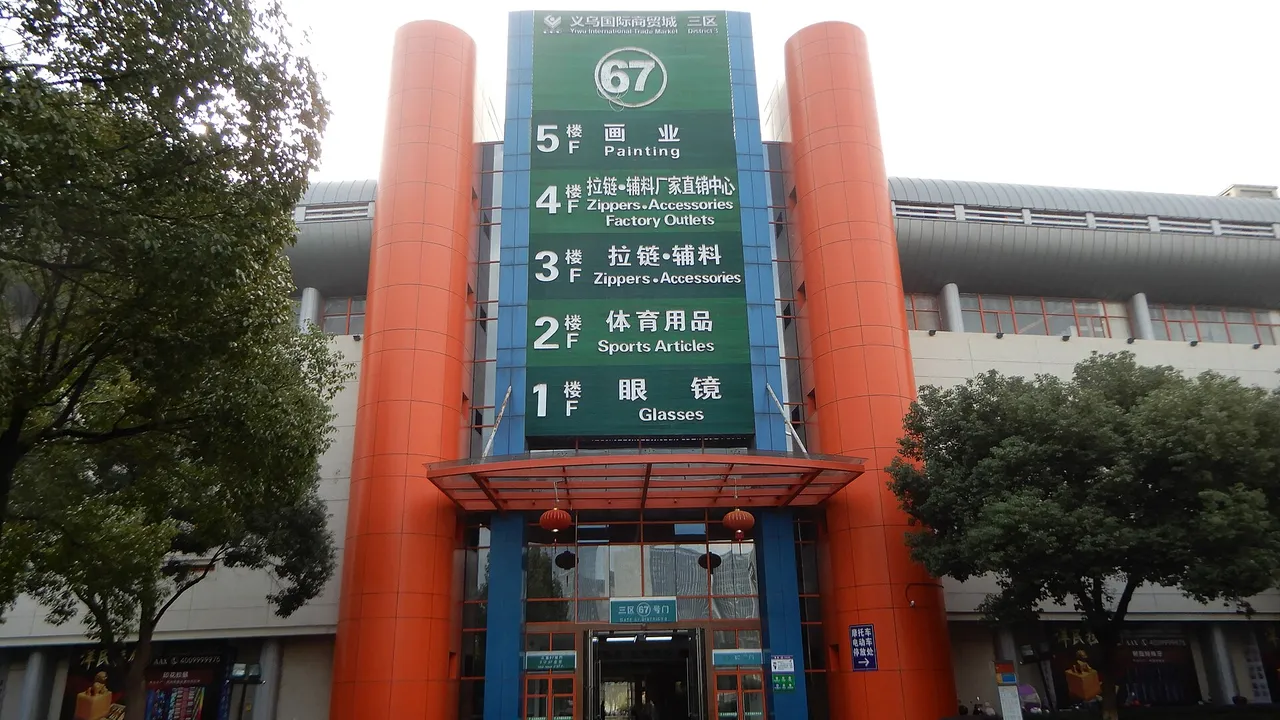
| D2 09:00 | Trade City District 1: Flowers, Jewelry and Toys |
| D2 13:30 | Trade City District 2: Bags, Umbrellas and Hardware |
| D3 09:00 | Trade City Districts 3 and 4: Stationery Goods and Daily Sundries |
| D3 14:00 | District 5 and the Import Mall: Closing the Market Days |
| D4 09:00 | Fotang Old Street: A Different Yiwu |
| D4 15:00 | Wanshan Bridge and a Fotang Evening |
| D5 09:30 | Lizu Village: A Day in the New Countryside |
| D5 14:00 | Hesilu Village: Lavender and Village Design |
| D6 09:00 | Xilou Village, Yiting: Inside the Sugar-Boiling Season |
| D6 14:00 | The Huangshan Bamian Hall: Reading Qing Woodcarving Deeply |
| D7 09:00 | Niansanli and Huaxi: The Peddler's Origin and One Bamboo Morning |
| D7 17:30 | The Yiwu River at Dusk: Where the Seven Days Close |
The route, stop by stop
Xiuhu and the Da'an Pagoda: The Origin Point of Seven Days
No market on day one. Circle Xiuhu once, watch the Song pagoda against the towers, read the old-photo boards, and set the spatial and temporal axis from county town to world's supermarket. Every market and village in the next six days hangs back on this axis.
Finish logistics in the same morning: SIM card, map and ride apps, transit card, big bags stored. Seven deep days begin with traveling light.
Yiwu Heart: See the Spending Side before the Supply Side
The afternoon reads Yiwu Heart, watching how Yiwu spends on itself. The mall mirrors tomorrow's Trade City: one side global wholesale, the other local retail, a matched pair worth seeing in order.
From the top floor take in the city's layered skyline, then stock daily goods and a first bag of brown-sugar twists in the basement supermarket. Dine in the mall and let day one rest.
The Yiwu River at Night: The Week's First Evening
After dinner, walk a stretch of the Yiwu among light strips and reflections, watching the city unwind: night runners, dog walkers, young streamers by the water, all material for understanding the place.
Forty minutes back to the hotel, rehearsing tomorrow's District 1 playbook: say retail, note stall numbers, ship samples by courier.
Trade City District 1: Flowers, Jewelry and Toys
Day two enters the market in earnest, three floors of artificial flowers, hair accessories, holiday goods, toys and crafts, the dispatch floor for two-thirds of the world's Christmas ornaments, buyers trotting past with handcarts through the morning.
The deep-day method differs from a day trip: enter shops of interest and talk properly, materials, minimums, shipping cycles, collecting cards and stall numbers. Not to buy yet, but to understand.
Trade City District 2: Bags, Umbrellas and Hardware
The afternoon shifts to District 2. Bags and umbrellas anchor Yiwu's export tradition, while the hardware aisles open another world, screws to power tools ranked by series. Take District 2 as the counterweight to District 1, different links of one industrial chain.
Two main aisles suffice; exit before four for the afternoon nap. Two districts per market day is the discipline that keeps a seven-day line standing.
Trade City Districts 3 and 4: Stationery Goods and Daily Sundries
Day three links Districts 3 and 4 in the morning. District 3's stationery and sporting goods prove the by-the-weight jokes true, while District 4's socks and sundries footnote Yiwu's scale best: one stall's sock styles could occupy a person for an hour.
One main aisle per district, three hours total, and by the end the question of exactly how big Yiwu is gets answered for good.
District 5 and the Import Mall: Closing the Market Days
The afternoon enters District 5, where the import mall holds the homeward goods of foreign merchants settled here: African coffee, Middle Eastern dates, Japanese and Korean snacks, European tableware, fixed prices, pay and carry. The three market days close here: wholesale seen, now the retail end and the reverse flow.
Buy keepsakes and personal snacks, then sort three days of cards and notes after dinner, circling the stalls you truly want to order from; Fotang tomorrow, orders placed calmly after.
Fotang Old Street: A Different Yiwu
Day four charters south to Fotang, switching from the market era back to the river-shipping era. The morning walks the old street with tofu-skin noodles for breakfast, soy garden and bamboo shops trading as ever, then the Wuqi Ji mansion for carving and Western details.
The town day runs deliberately loose: street, mansion, wharf steps, all done by midday, with the surplus spent sitting in a teahouse.
Wanshan Bridge and a Fotang Evening
The afternoon watches the boat-linked crossing at Wanshan Bridge, the Yiwu flowing beneath. Dinner is cold-sliced lamb with tofu-skin rolls, then a riverside stroll through a night with almost no tourists.
Sleep in Fotang or return downtown: Fotang wins the empty dawn lanes, downtown wins the morning run to Lizu. Both roads work.
Lizu Village: A Day in the New Countryside
Day five morning goes west to Lizu, cafes, tie-dye workshops, jewelry studios and a village gallery lined along rice fields; door-knocking chats are the right way through, makers glad to tell their homecoming craft stories.
Buy one or two handmade pieces and swap contacts with the owners, Yiwu's other calling card: besides wholesaling the world's goods, it mass-produces returned-home lives.
Hesilu Village: Lavender and Village Design
The afternoon crosses to neighboring Hesilu, lavender fields a purple sea in May, the village-history hall and herb garden open off-season too. Against Lizu's story of people, Hesilu tells one of planning, and the pairing covers both paths of the Yiwu countryside.
Afternoon tea at the village-mouth cafe, back downtown by dusk. The village day never rushes; returning for dinner after five lands perfectly.
Xilou Village, Yiting: Inside the Sugar-Boiling Season
Day six morning reaches Xilou in Yiting. In the boiling season (mid-November to late December) the stoves run day and night, cane juice rolling into brown sugar, the whole process from pressing to blocks inside half an hour; off-season, buy sugar and twists and read the village displays and cane fields.
Buy the season's pressing by the jin rather than boxed; the sugar house steams and the floor slicks, so keep to the visitor line.
The Huangshan Bamian Hall: Reading Qing Woodcarving Deeply
The afternoon reaches the Bamian Hall at Huangshan in Shangxi, the beam-and-door carving a live summit of Qing craft, a national key heritage site hidden inside everyday village life. The seven days' only pure architecture deep-dive deserves its full hour.
Take the layout first, then lean into single carvings for layering; signage runs thin, so reading up beforehand or hiring a local guide repays richly.
Niansanli and Huaxi: The Peddler's Origin and One Bamboo Morning
The last morning goes to Niansanli, the old street and town-history boards of the chicken-feather peddler tradition, the origin of Yiwu's commercial genes, then into Huaxi Forest Park for an hour of bamboo trail along the stream, the week's market noise filtered out by water sound.
The pairing is deliberate: let Niansanli answer where Yiwu came from, let Huaxi answer where Yiwu goes on weekends, and carry both answers out.
The Yiwu River at Dusk: Where the Seven Days Close
Back downtown, walk the Yiwu riverbank one last time, where seven routes converge: the market's handcarts, Fotang's floating bridge, village rice fields, the sugar stoves' steam, the forest stream, all folded into one riverside evening.
After dinner, sort the week's cards, notes and keepsakes, then settle the order list and parcels in one pass. Leaving tomorrow morning, you will understand Yiwu better than almost anyone who passes through.
| Getting around |
|
| Budget | Entries run nearly free with buying budgets self-set; three charter days cost RMB 900-1350 per car, six nights RMB 900-2200, meals averaging RMB 100-150 daily. |
| Best time | Weekdays carry the market days with stalls fully open, weekends carry old town and villages; Nov-Dec adds the sugar boiling, Mar-Apr the peach valley. |
FAQs
Will three market days feel repetitive?
Not if each day takes one or two districts at shifting depths: day one for breadth (main aisles, stall numbers), day two for contrast (District 2's chain-of-industry view), day three for closure (the import mall's retail end). Five districts across three days, with every afternoon outside the market, keeps the pace fresh.
How should energy split between sourcing and sightseeing across seven days?
This plan runs three sourcing days, three sightseeing days, one close, with no night programs on market days. The real key is the institutionalized nap: an hour back at the hotel each market afternoon changes next morning's judgment completely. Sightseeing days run low-intensity villages and old towns, the perfect complement.
Do the village days still hold outside boiling and blossom seasons?
They hold, with swaps: at Xilou, lean on buying sugar and village strolls and give the Bamian Hall an extra half hour in place of the peach valley; lavender reads as green fields off-season, with the history hall and herb garden carrying the content. Lizu ignores the calendar entirely, workshops open year-round, chattiest in the quiet months.
What budget does the seven days need?
Before transport and purchases, plan RMB 2500-4500 per person: about RMB 700-1000 for meals, RMB 900-2200 for six nights, RMB 300-600 in shared charters, RMB 400-600 for local transport and sundries. Budget sourcing separately and fix a cap before entering the market; the Fotang overnight and boiling- or blossom-season weekends are the two price bumps.