
Zhengzhou's old town matters because it never moved: on the Shang wall's footprint, Han through Ming layers built up to today, with the Confucian temple, City God temple and old streets all inside that original ring. This walk skips the headliners for the geology of a city that never changed address.
Start on the Chengdong Road wall stretch, run the old city's southeast corner to the two temples, turn into Pingdeng Street after lunch, and end walking Dehua to the Erqi Tower. About five kilometers, mostly flat, six hours loosely with stops, pace adjustable anywhere.
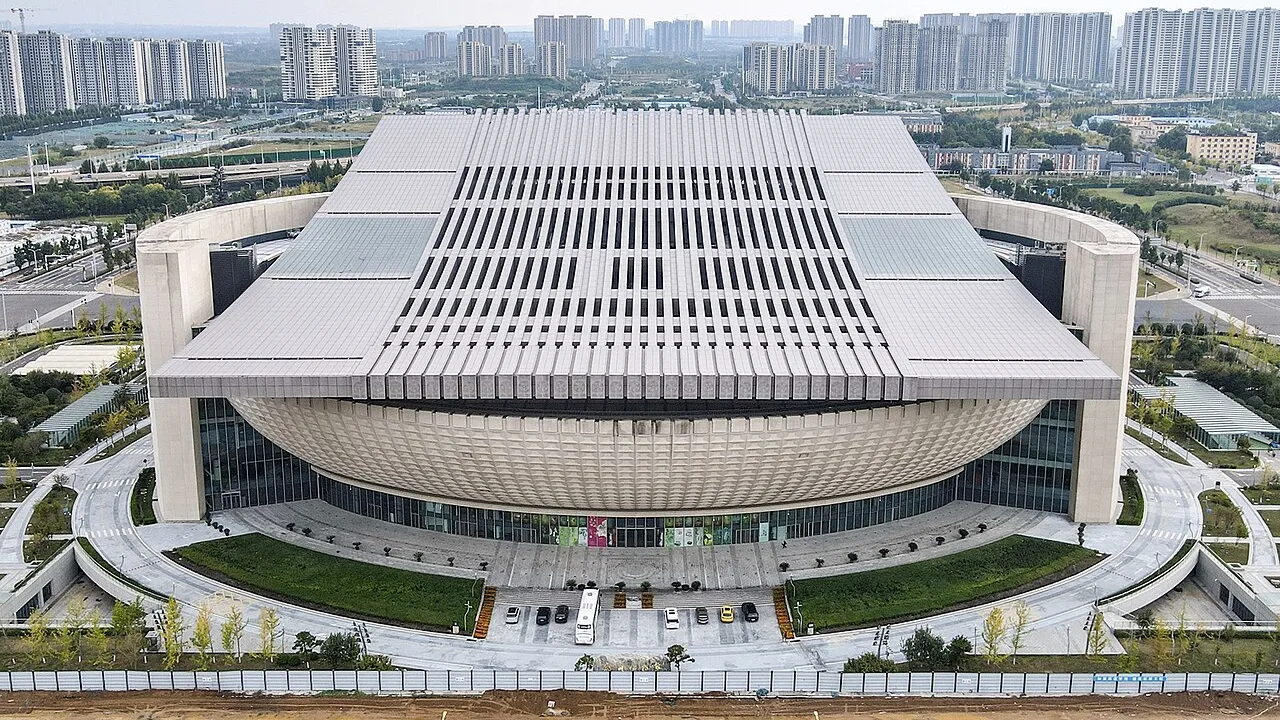
Itinerary at a glance
| 08:30 | The Shang Wall Site: A Stretch of Rammed Earth on Chengdong Road |
| 10:30 | The Confucian Temple and City God Temple: Two Temples, One Street |
| 14:00 | Pingdeng Street Heritage Quarter: The Old Street's Young Face |
| 16:30 | Dehua Street and Erqi Square: From Old Port District to Lamplight |
The route, stop by stop
The Shang Wall Site: A Stretch of Rammed Earth on Chengdong Road
Zhengzhou's Shang wall is the city's foundation, several kilometers still above ground with the Chengdong Road stretch the most complete. At dawn the walkway stands empty, rammed-earth profiles layer on layer, Shang, Warring States and Tang-Song repairs stacked, a city that has not moved in thirty centuries.
Follow the wall base from the southeast corner to Chengnan Road and watch wall and city cohabit: arterial traffic outside, old courtyards and breakfast stalls within. No ticket, the cheapest and most extravagant opening Zhengzhou offers.
The Confucian Temple and City God Temple: Two Temples, One Street
On East Street the Confucian and City God temples face each other across the road, Zhengzhou's most complete surviving architecture. The Dacheng Hall keeps its presence after rebuilding, the stone arch and old cypresses photogenic, while the City God temple's Ming-Qing opera stage and glazed screen carry the detail.
Neither temple is large; ninety minutes covers both. Calligraphy classes and traditional events sometimes open the Confucian courts to visitors, and the old shops along East Street land lunch naturally at midday.
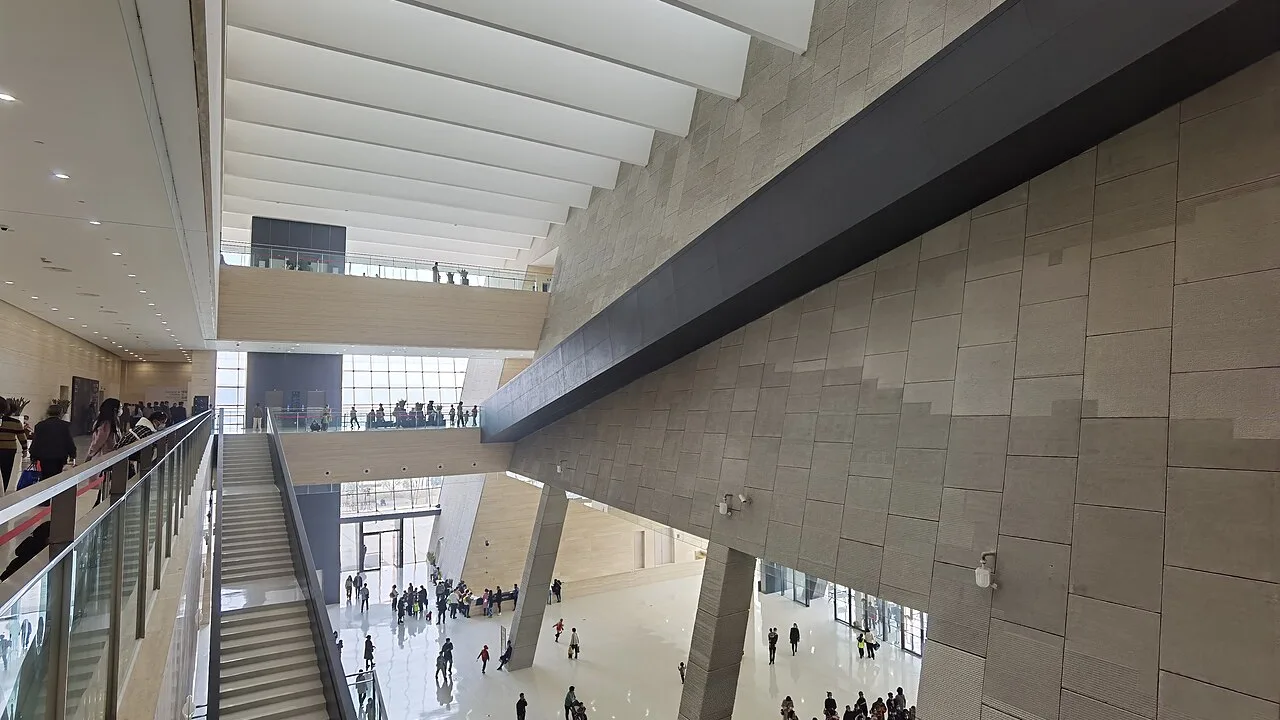
Pingdeng Street Heritage Quarter: The Old Street's Young Face
Pingdeng Street, a short lane inside the old south gate, has become a heritage and craft quarter after restoration: clay figurines, sachets and woodblock print studios opening in old courtyards, most offering hands-on sessions, a few tens of yuan for a keepsake you made.
The street's virtue is density: half an hour covers it, but every workshop's story merits a pause. The corner cafe kept its old frontage restrained, and watching laundry dry across the courtyard from your seat is precisely Zhengzhou's old-town present.
Dehua Street and Erqi Square: From Old Port District to Lamplight
Close the walk on Zhengzhou's oldest commercial street. Dehua's century of shopkeeping is written on the street's photo walls, and the joined twin towers of the Erqi Memorial wait at the end, the route's climax once lit. Street snacks and sweet shops make the right afternoon tea.
Pingdeng to Dehua takes ten-odd minutes through the old city's capillaries: repair shops, tailors, halal eateries and new bubble-tea counters crowded onto one street, the Zhengzhou the big sights never show.
| Getting around |
|
| Budget | Mostly free sights; budget RMB 30-80 pp including meals and small experiences. |
| Best time | Year-round; the wall is stillest at dawn, and the old quarters breathe best toward evening. |
FAQs
Can half a day cover this walk? Suitable for seniors?
Half works: drop Pingdeng Street and run wall to temples to the Erqi Tower, about three flat kilometers. Seniors manage the full route easily, no climbs, with the tower ascent optional and seats and drink shops frequent enough to rest anywhere.
Do the temples need tickets or reservations?
Both temples are free with walk-in entry, possibly registered capping on busy days, and the Confucian temple closes Mondays. Pingdeng workshops need paid on-site signup, popular ones queueing on weekends, so browse before booking.
How can I add the Shang site museum to this route?
The museum sits beside the wall walk, so the smoothest insert follows the dawn stretch: wall first, museum second, then rejoin the path on its east side heading south. Allow one extra hour and the loop still closes within the half day.
What details are easy to miss on this old-town line?
Three: the repair layering in the wall's earthen profiles, which needs a close look to date itself; the carved beams of the City God opera stage, missed by most who shoot only the glazed screen; and Dehua's photo walls, a century of commerce worth comparing print by print.