
Zhengzhou's cultural assets concentrate in two kinds of places, museums and theaters. Morning brings Henan Museum's formal display of Central Plains civilization, afternoon adds Zhengzhou Museum and the heritage hall for city memory and folk craft, and the night's Yu opera turns the day's iconography into sound.
The day hinges on bookings and show times: both museums are free with real-name reservation and close Mondays; opera tickets sell on platforms a day or two ahead, with weekend evenings most authentic. Public transit covers all four stops, low on legs, busy on eyes and ears.
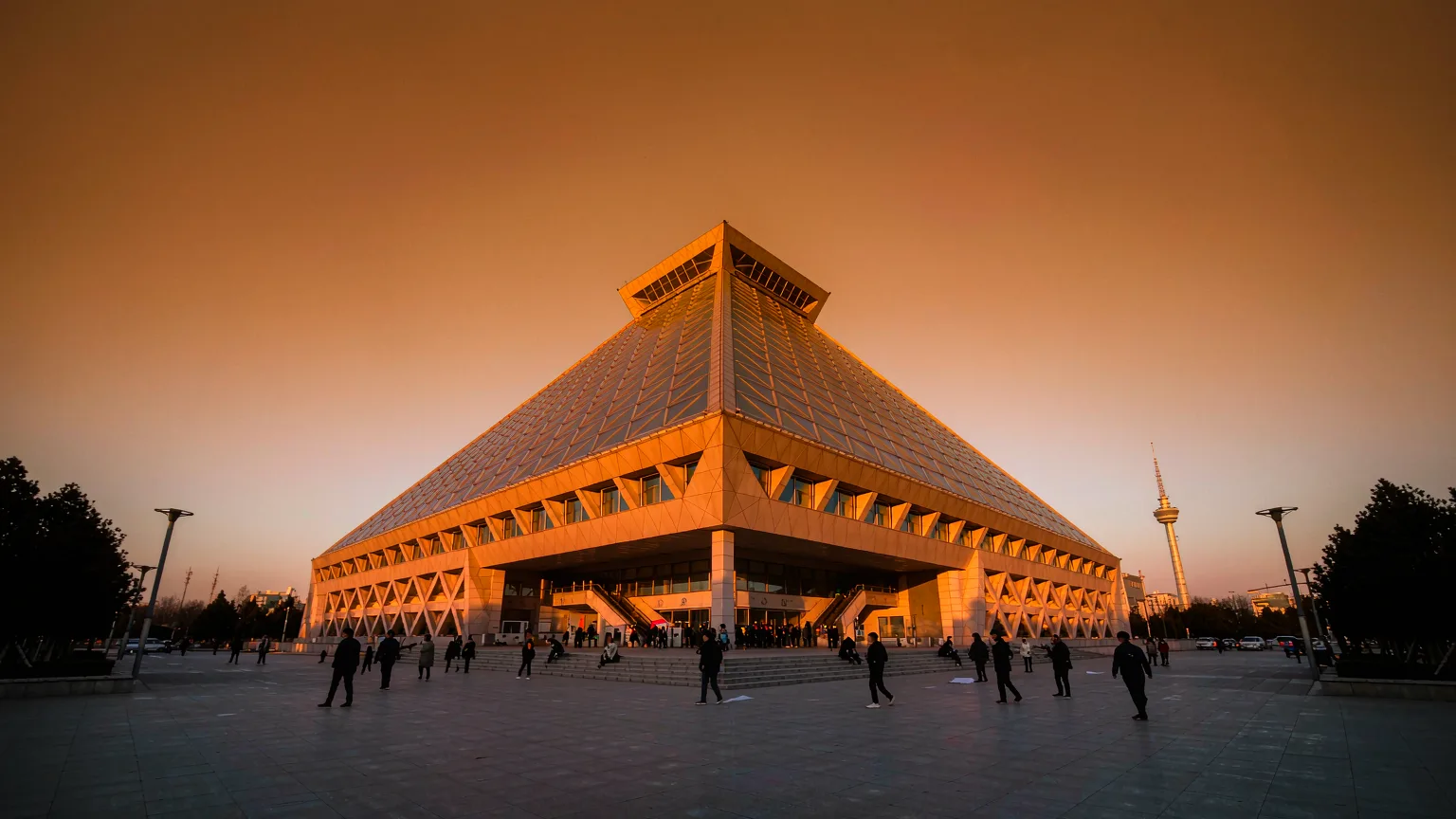
Itinerary at a glance
| 09:00 | Henan Museum: Central Plains Civilization in Formal Dress |
| 13:30 | Zhengzhou Museum (Wenhan Street): The City's Own Archive |
| 16:00 | The Henan Intangible Cultural Heritage Exhibition Hall: Craft Up Close |
| 19:30 | The Henan Yu Opera Grand Theatre: A Night of Clapper Song |
The route, stop by stop
Henan Museum: Central Plains Civilization in Formal Dress
The culture day opens at Henan Museum. The main hall runs era by era from the Jiahu bone flute to the lotus-and-crane square hu, most of the nine flagship treasures on a single line: ritual vessels, weapons, pottery towers, murals, an evidence chain for the Central Plains as the world's center, complete and restrained.
Add the ancient music concert, where replica bells and flutes turn vitrined ritual into sound; afterward the ground-floor shop's bronze-pattern and flute-themed goods make the culture day's right purchase.
Zhengzhou Museum (Wenhan Street): The City's Own Archive
The afternoon's Zhengzhou Museum divides labor cleanly with the provincial one: the province tells the Central Plains, the city tells Zhengzhou. From Shang bronze hoards to modern port-district archives, the city's origin and character unfold in moderately scaled halls that reward two unhurried hours.
The Wenhan Street building itself is a sight, geometric volumes woven with Han-Tang imagery; and municipal special exhibitions often outperform expectations, so check the show list before entering.
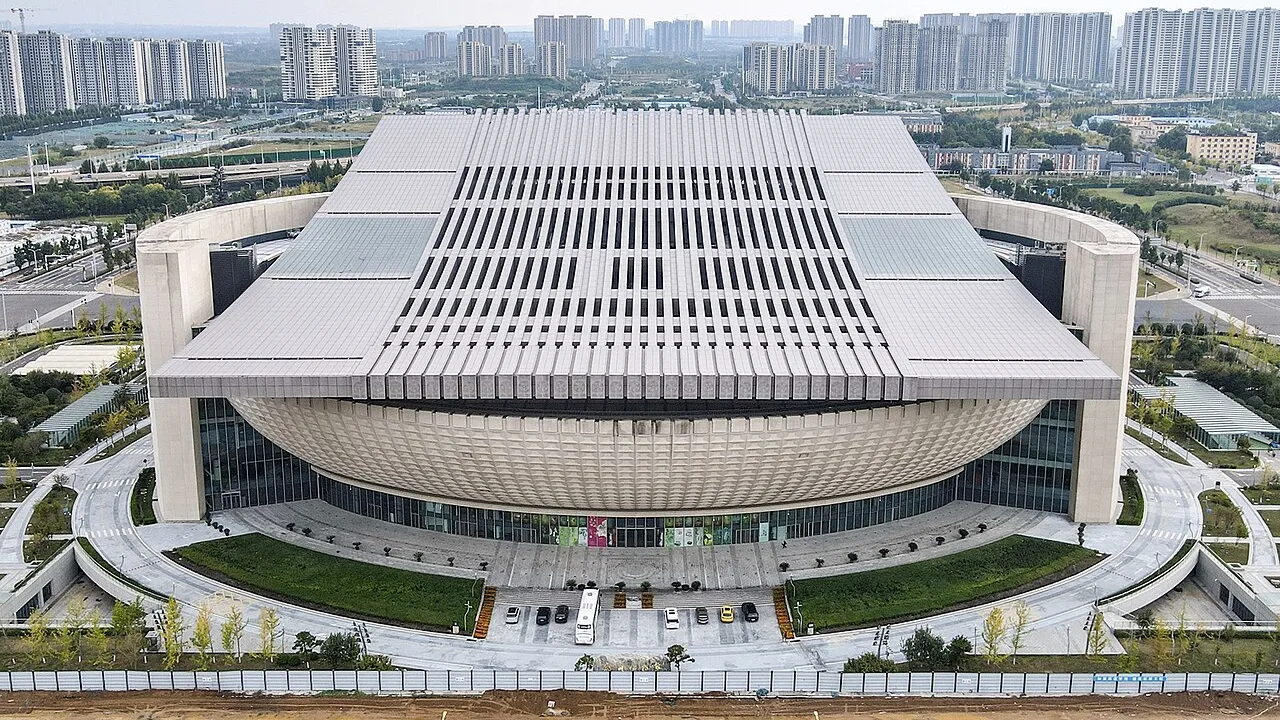
The Henan Intangible Cultural Heritage Exhibition Hall: Craft Up Close
The third stop is craft itself. The heritage hall gathers Henan's signature traditions, Zhu Xian woodblock prints, Jun porcelain, Bian embroidery, clay dogs and paper cutting, with inheritors often demonstrating in person, closer than any provincial blockbuster.
Periodic workshops suit visitor hours best, woodblock printing and clay figure sessions finishing within an hour with your own piece in hand; it chains naturally into the night's opera, folk art's day and night on one line.
The Henan Yu Opera Grand Theatre: A Night of Clapper Song
The culture day closes with Yu opera. The provincial grand theatre is the art's top stage, classics like Hua Mulan and Marshal Mu Guiying in constant revival, the clapper song's high flight with Henan dialect's humor landing far harder live than any recording.
Outsiders need not fear the language: subtitle screens track the lyrics, plots draw on familiar history, and clapping on the breath points comes naturally. Supper nearby afterward carries the echo home.
| Getting around |
|
| Budget | Venues run nearly free; budget RMB 80-180 pp before concert or opera tickets. |
| Best time | Year-round; most venues close Mondays except holidays, so avoid; opera nights peak on weekends. |
FAQs
Do the two museums duplicate each other?
The division is clean: the provincial museum carries Central Plains history and masterpieces, the city museum carries Zhengzhou's own periods and archives, large and small complementing. Province first, city second, frame before detail, the most efficient order.
Without the dialect, is Yu opera still worth it?
Yes. Subtitles track every line and plots are familiar; half the pleasure is vocal delivery, gesture and clapper rhythm, and half is the crowd itself, local fans' shouts being part of the show. Choose a classic for the first time and the experience holds.
How do the heritage exhibition and experience halls differ?
The exhibition hall collects and demonstrates, the experience hall teaches hands-on. Tight on time, take the exhibition; with slack, do both in order, since printing a woodblock or shaping clay reads entirely differently after the displays.
What is the best souvenir from a culture day?
Three items: a bone-flute or bronze-pattern keepsake from the provincial shop, a finished woodblock print from the heritage hall, and the opera's program booklet. Under a hundred yuan total, matching the day's civilization, craft and sound more precisely than any generic specialty.