
Zhongwei holds an unusual place in history: one of the upper Yellow River's key transport nodes, the seam between farming and nomad worlds and between the Central Plains and the frontier, and once the neighbor of the Western Xia heartland. These three identities stack onto today's city as hide rafts, old wharf memories and Western Xia artifacts in the museum.
This culture route strings the three into one day: build the historical frame at the museum in the morning, eat river fish by the water at midday, ride a hide raft to feel the ancient transport firsthand in the afternoon, and let the riverside path digest the day's stories at dusk. It involves no rushing, yet gets closer to the city's essence than any checklist.
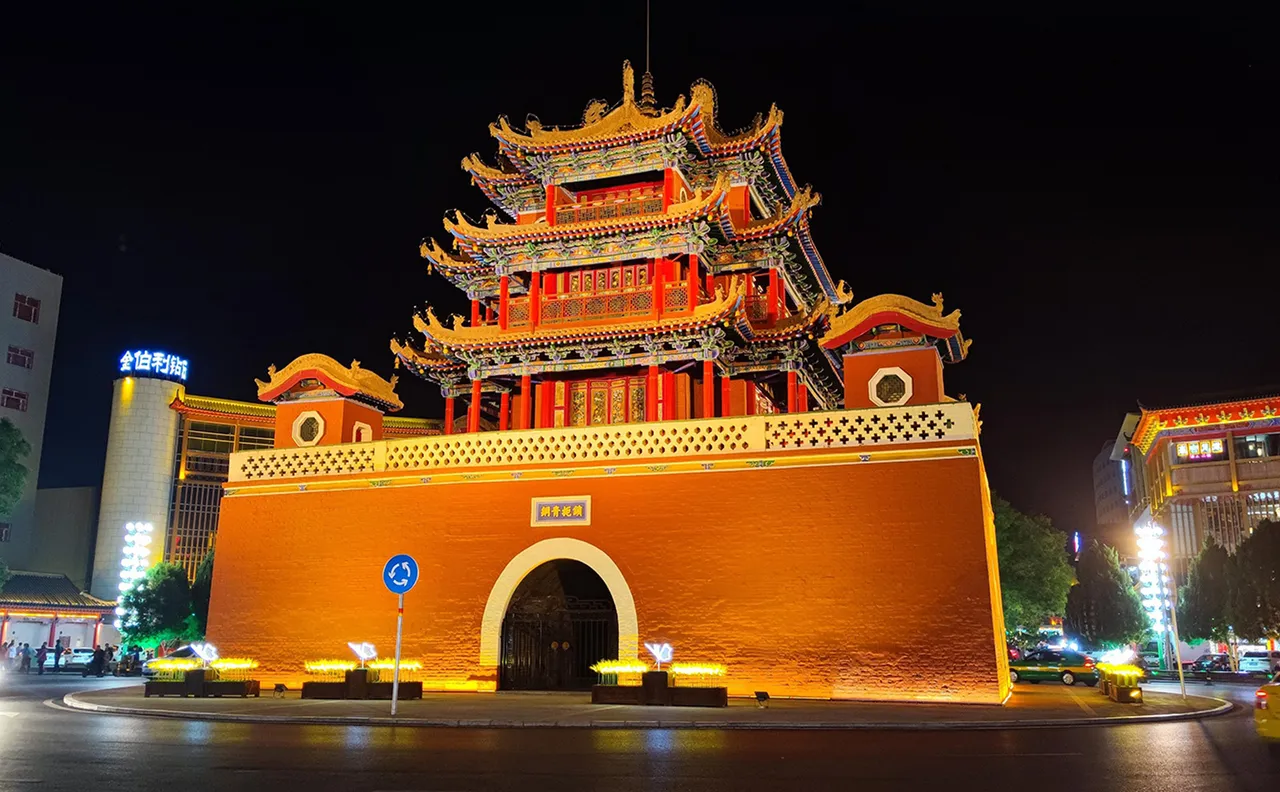
Itinerary at a glance
| 09:00 | Zhongwei Museum: Installing the Day's Historical Frame |
| 12:00 | Riverside Fish Lunch: The Wharf Flavor Lives On |
| 14:00 | The Hide Raft: The Yellow River's Oldest Transport Lesson |
| 16:00 | The Riverside Path: City Memory of the Shipping Era |
| 18:00 | Culture Coda: Rock Art and Further Reading on the Western Xia |
The route, stop by stop
Zhongwei Museum: Installing the Day's Historical Frame
Start at the free Zhongwei Museum, whose permanent exhibits run from prehistoric rock art through the Ming garrison system to modern sand control. Focus on three things: hunting scenes in rock-art rubbings from the earliest inhabitants, Yellow River shipping artifacts from the Han through the Yuan, and Western Xia porcelain and coinage, together explaining why Zhongwei was a frontier stronghold.
The museum is small; two attentive hours are plenty. Follow the timeline, pause at the relief map on the way out to grasp the spatial logic of river, desert, wall and garrison, and everything you see afterward will have coordinates.
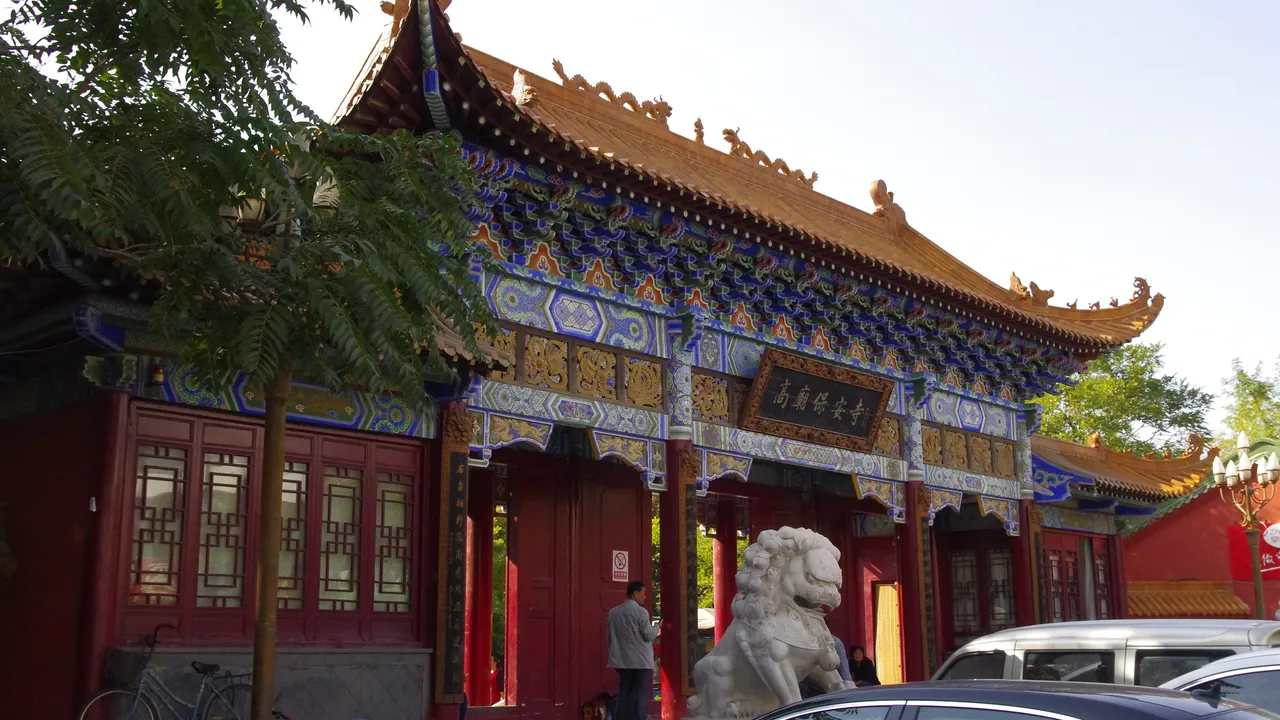
Riverside Fish Lunch: The Wharf Flavor Lives On
At midday, eat Yellow River fish at the riverside restaurants; this reach yields carp and the local pigeon fish, mostly stewed or braised in soy, balancing earthiness and sweetness. Sixty to one hundred CNY per person with rice and a seasonal cold dish makes a full meal.
Old Zhongwei hands say the wharf workers once ate aboard their boats, and today's fish houses keep that honest, generous portioning. Ask whether the fish is live or chilled, priced by the jin on an open scale; shops that post prices rarely go wrong.
The Hide Raft: The Yellow River's Oldest Transport Lesson
The afternoon centerpiece is the hide raft. Floats made of whole inflated sheepskins were the mainstream of upper Yellow River transport for two thousand years: from Zhongwei you could drift downstream to Baotou with furs and herbs, then walk the rafts back upstream, a single business loop often taking a month.
Today you can ride rafts in the urban reach or at Shapotou, 80 to 150 CNY in town depending on drift length. The boatmen often come from families on the water for generations, and they will explain how to judge a raft's age and the difference between drifting and poling upstream, details livelier than any display board.
The Riverside Path: City Memory of the Shipping Era
After the raft, walk the riverside path back slowly, stringing together traces of the shipping era: the old ferry crossing, the street grid that once moved goods by mule cart, the old locust trees by the bank, all alive in local elders' telling. The information boards along the path carry generous excerpts of oral history, worth reading plaque by plaque.
This stretch stitches the morning's knowledge to the afternoon's experience. To Zhongwei the Yellow River is not scenery but the reason the city exists, a ferry crossing, a wharf, trading houses, growing step by step into today's Zhongwei.
Culture Coda: Rock Art and Further Reading on the Western Xia
Back in the old town by evening, use the hour before dinner to digest. Two directions exist for the hungry: Damadi rock art in the hills north of town, reached by chartered car, where prehistoric hunting scenes and symbols are carved in place, the physical original of the morning's museum rubbings; and the Western Xia thread, whose main text is the imperial tombs near Yinchuan, with Zhongwei keeping the frontier footnote.
If time and legs run short, order a pot of eight-treasure tea in an old teahouse and review the museum notes saved on your phone, retracing the day's threads. A culture trip ends not with one more sight but with turning what you saw into your own telling.
| Getting around |
|
| Budget | About 200 to 350 CNY per person excluding hotels: hide-raft rides 80 to 150 CNY, museums free, food 60 to 100 per day |
| Best time | The April-to-October boating season is best; in winter the river runs with ice floes, rafts stop, but museums stay open |
FAQs
Are the hide rafts safe?
Yes. Life vests are provided, the water is calm, and the boatmen are highly experienced; service pauses in rough conditions, so simply follow the crew.
Can I ride the rafts in winter?
No. Ice floes close the rafts until spring; a winter culture day becomes the museum plus old town combination.
What does Zhongwei have to do with the Western Xia?
Zhongwei sat on the southwestern edge of the Western Xia realm as a border-defense and river-transport stronghold; for the main story visit the imperial tombs near Yinchuan, while Zhongwei offers the frontier angle.
Does the culture day suit children?
Yes for ages eight and up: the rock art and relief map are vivid, and the raft is a physics lesson in disguise; simplify to museum plus riverside play for younger kids.