
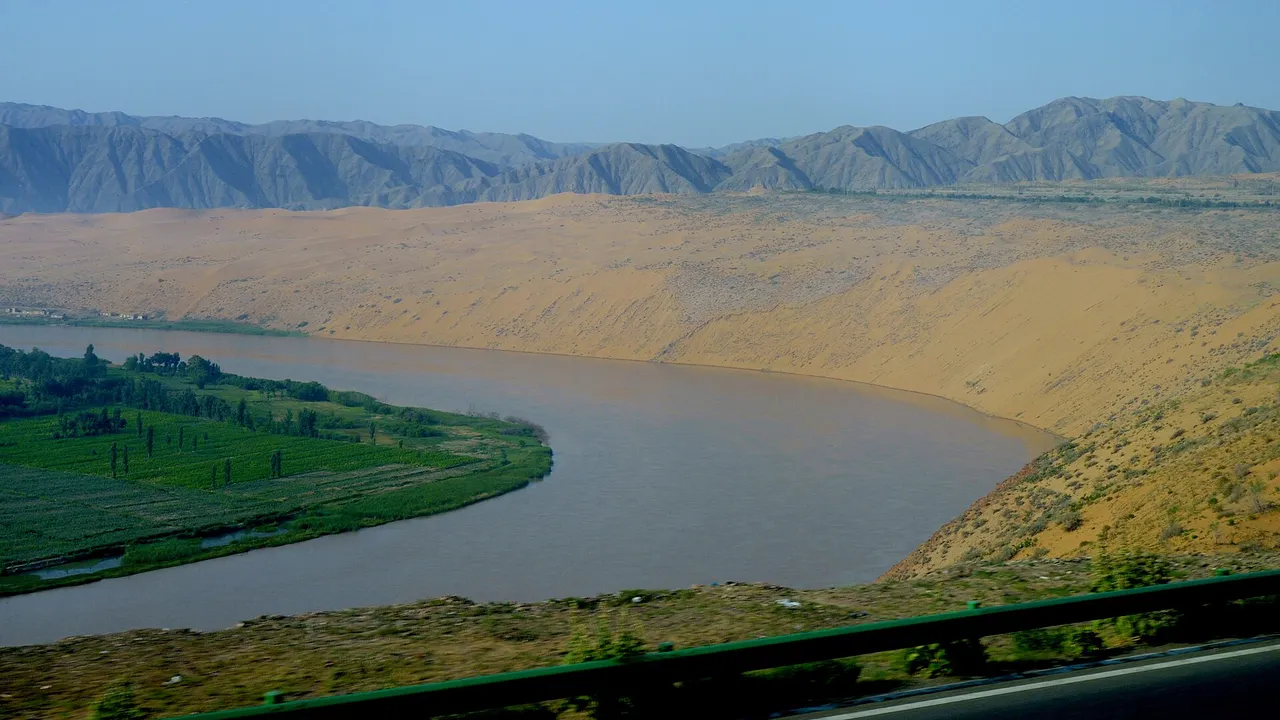
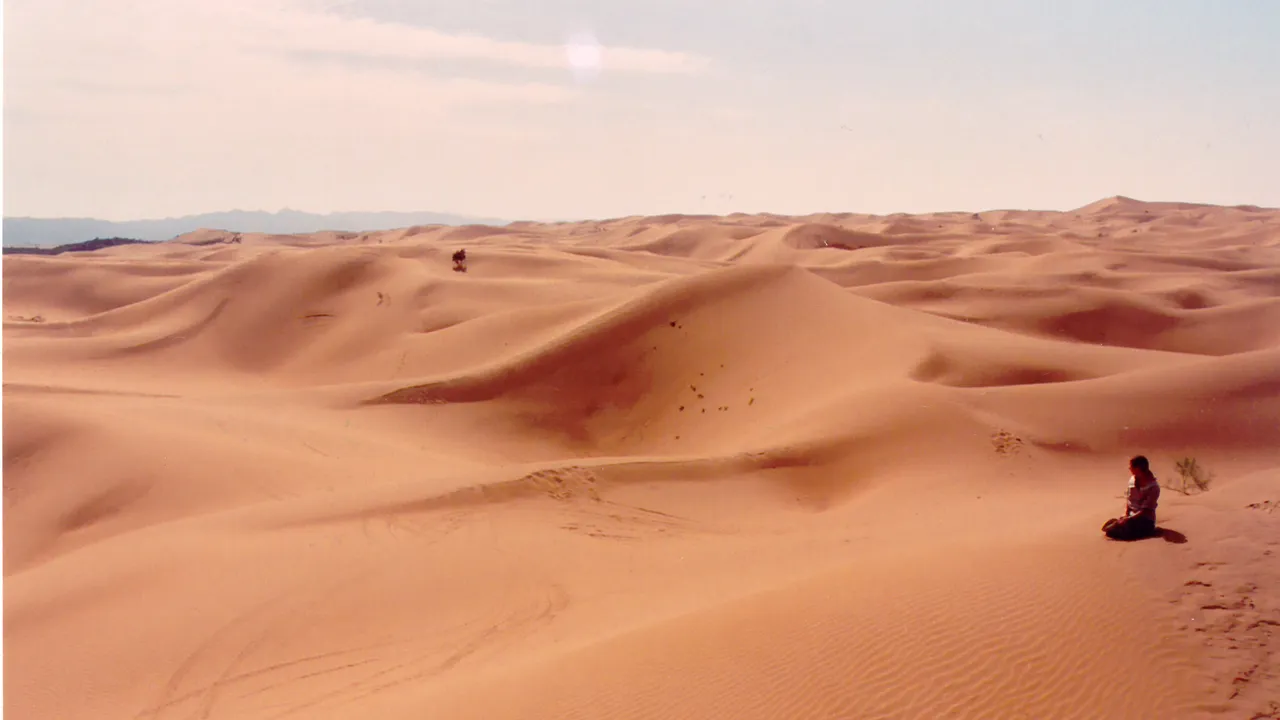
The Yellow River Collection is Zhongwei's breakout resort story: a cluster of high-end guesthouses rebuilt from relocated old houses, set on the south-bank flats facing the Yellow River with the Tengger dunes across the water and Shapotou behind. Its logic inverts sightseeing entirely: no rushing, no checklist, the whole holiday compressed into the staying itself.
Three days orbit the collection: arrive and settle on day one, then do nothing by the river; day two brings a morning hide-raft or a bike ride, with the afternoon switching between the pool and the book lounge; day three means sleeping in and a long brunch before departure. The budget runs higher, but it buys one of China's rarest formats, where the destination is the hotel.
Itinerary at a glance
| DAY1 09:00 | Arrival and Unpacking: Setting Down Bags and Worries |
| DAY2 09:00 | South-Bank Activity Day: Rafts, Riding and Wide Views |
| DAY3 09:00 | The Long Goodbye: Brunch and a Last Look at the River |
The route, stop by stop
Arrival and Unpacking: Setting Down Bags and Worries
Arrive in the afternoon, check in, then walk the cluster once: the guesthouses share the riverbank, their ochre rammed-earth walls, old timber doors and salvaged objects speaking one aesthetic language, each adding its own book lounge, pool and courtyard. Take a river-facing lounger and let Yellow River time begin.
The evening ritual is sunset: the sun sinks toward the dunes across the water as the river turns gold, then pink, then grey-blue, and the collection's lamps come on one by one. Dinner happens in-house, local and northwest-reformed home cooking at 100 to 200 CNY per person, generally a class above park food.
The village area where the cluster now stands was once settled around Yellow River irrigation channels. After villagers moved to new housing, the timber and rammed-earth walls of the old houses were cataloged piece by piece and rebuilt on the south-bank flats, giving the settlement a second life. Staying here means sleeping inside a carefully relocated piece of history; the rough grain in the wall seams and door hinges is what sets it apart from an ordinary hotel.
South-Bank Activity Day: Rafts, Riding and Wide Views
Day two's morning activities book through the house: a short hide-raft drift from the bankside dock, the river a mirror in backlighting, or a slow bicycle ride along the south-bank dirt road with the scent of Russian olive tracking your wheels. Fees ride in the room rate or bill separately, arranged at the front desk.
The afternoon holds no fixed agenda: pool, book lounge, afternoon tea and courtyard hammocks fill the hours in any order. The collection's whole value is this permission to do nothing, the river flowing past the window while you nap in a lounger, closer to the true meaning of holiday than any attraction.
The river slows along this stretch, and the bend backed by dunes across the water forms a natural frame; on many mornings a thin mist hugs the surface, the hour photographers wait for. To venture further, ask the house steward to arrange a visit to a nearby ferry crossing and jujube groves, where local red dates ripen in October. An autumn stay earns you the seasonal treat of picking and tasting them on the spot.
The Long Goodbye: Brunch and a Last Look at the River
Day three sets no alarm. After waking naturally, go to the house brunch: fresh-baked buns, hand-pulled lamb, eight-treasure tea and seasonal fruit, stretching lazily toward eleven. Before checkout, sit a final while in the courtyard and let your body memorize the rhythm.
With time to spare on the way out, add two light options: a two-hour Shapotou hit-and-run, or the Gaomiao plus a bowl of haozi noodles downtown. The collection's point was never how much you covered, but whether you left genuinely slower than you arrived.
The rise of the cluster tracks Zhongwei's own turn toward resort travel: first the desert night sky put this small city on the map, then the old-house conversion on the riverbank made the lodging itself the attraction, and in recent years it has become a benchmark for northwest China getaways. Before leaving, chat with the steward about surrounding villages and local produce, and add Zhongwei Tan lamb and selenium sand melons to your next-trip list. This little city on the Yellow River deserves a return visit.
| Getting around |
|
| Budget | About 1,500 to 3,000 CNY per person excluding long-haul transport: guesthouses run 800 to 2,500 CNY per night, with dining and experiences extra |
| Best time | April to October is best; autumn brings the clearest river color, and winter offers quiet snow-view rooms |
FAQs
Is the Yellow River Collection expensive, and is it worth it?
It does run above ordinary travel budgets, 800 to 2,500 CNY per night; what you are buying is a complete resort experience rather than a bed, and the verdict depends on the holiday you want.
If I stay at the collection, do I still need Shapotou?
The collection backs onto Shapotou within walking or a short drive, so activity seekers can go for a half day; pure slow-stayers lose nothing by skipping it.
Does the collection suit elderly parents or kids?
Yes, quiet grounds, free rhythms and proper butler service; some courtyards have steps and dirt paths, so tell the house your party mix when booking for the right room type.
Does the off-season diminish the experience?
Some outdoor activities pause in winter, but prices drop about thirty percent with far fewer guests, and snow with a stove is its own atmosphere; the temperature-sensitive should aim for May-June or September-October.