
Beyond Shapotou and Route 66, Zhongwei holds a third mode: quieter, wilder. Sikouzi lies in the Xiangshan hills south of town, where danxia and karst landforms share a frame and gorge walkways with a suspension bridge reward hikers; meanwhile the Tengger's edge hosts plenty of desert camps, where you lie back for the Milky Way and wake to dune sunrise.
The plan: arrive and head straight to Sikouzi on day one afternoon, walking the gorge loop before dark; day two fills the morning with city content, enters the desert camp after lunch, shoots dunes at dusk and stars at night; day three catches desert sunrise and returns after lunch. It suits return visitors and anyone tired of checklist travel.
Itinerary at a glance
| DAY1 09:00 | Sikouzi: An Afternoon Hike in the Danxia Gorge |
| DAY2 09:00 | The Desert Camp: In, Sunset, and the Milky Way |
| DAY3 09:00 | Desert Sunrise and the Ride Home |
The route, stop by stop
Sikouzi: An Afternoon Hike in the Danxia Gorge
Sikouzi scenic area sits about fifty minutes from downtown, tickets 60 to 80 CNY. It splits into east and west lines: the east is danxia gorge country, red cliffs set against green shrub; the west is karst with hanging walkways, and a suspension bridge spans the gorge at the crest, not for the faint of height.
Afternoon light enters from the gorge's east side, saturating the red walls. The loop takes about three hours of alternating steps and boardwalks, so wear grippy shoes and carry two liters of water. April-May mountain peach blossom and October autumn color are the gorge's two beauty peaks.
The geology here doubles as an open-air lesson: the Xiangshan range where Sikouzi sits was once an ancient lake basin. Red sandstone settled and was carved into gorges by flowing water, while dissolution of limestone produced the karst features on the west line, a pairing of two landforms that is rare in the northwest. Local legend also ties the area to the tales of the Yang family generals, and place names in the hills still carry those traces; keep an eye on the cliff inscriptions as you hike.
The Desert Camp: In, Sunset, and the Milky Way
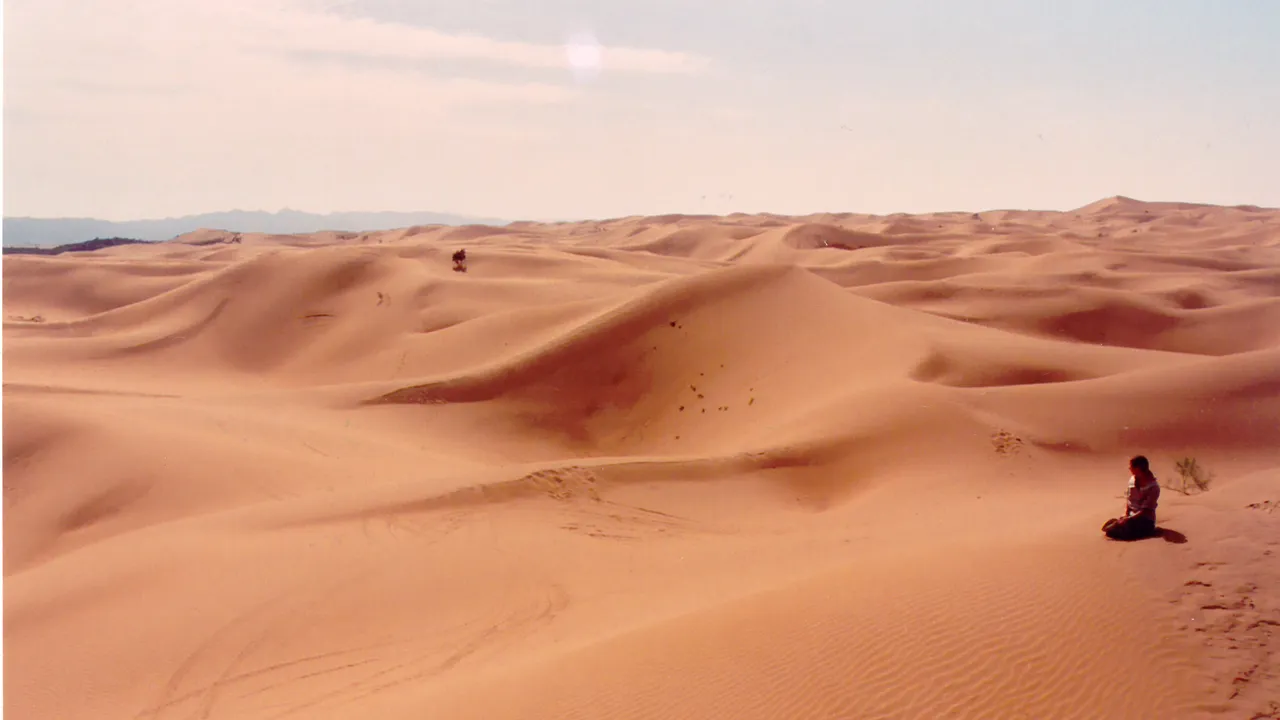
Day two afternoon enters a camp at the Tengger's edge, about an hour from downtown. Camps range from basic tents to star-view cabins with plumbing, 200 to 600 CNY per night. After settling in, climb the dune behind camp and wait for desert sunset.
The two hours after sundown are the Milky Way's golden window: on moonless nights it arches overhead, visible to the eye, and long exposure puts dune silhouettes and stars in one frame. Camps typically run bonfire evenings and desert dinners, with whole roast lamb needing a day's notice. The desert cools hard at night, so sleeping bag and heavy coat are non-negotiable.
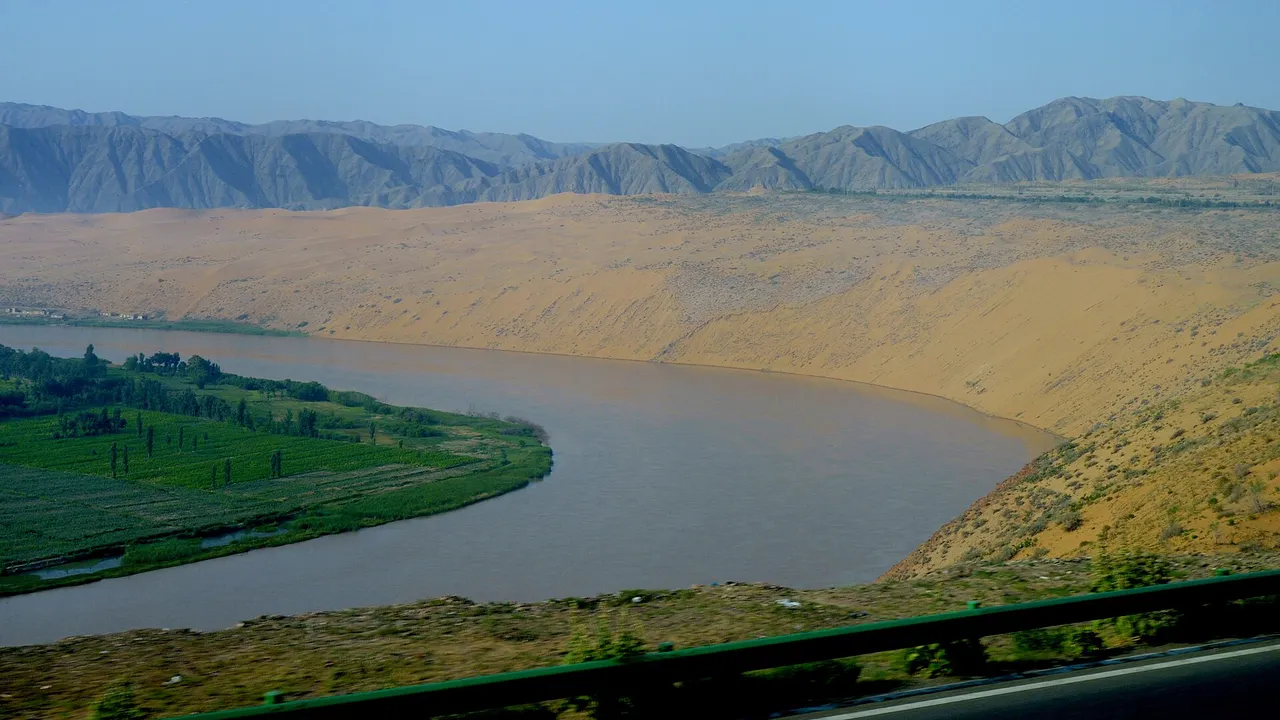
The Tengger is China's fourth largest desert, and Zhongwei sits right on its southeastern rim, barely a dozen kilometers from downtown to the dunes in a straight line, which is what gives the city its half urban, half desert layout. The camps sit on the desert's edge rather than deep inside, preserving the full experience of the Milky Way and sunrise while keeping drive time and logistics to a minimum, ideal for first-timers sleeping in the sand.
Desert Sunrise and the Ride Home
On day three, climb the dune before six for sunrise: the eastern sky shifts from indigo to orange-red, dune shadows shrink visibly, and the boundary of light and sand changes by the minute. After sunrise, camp breakfast, then a short morning walk on cool sand with crisp footprints, the desert's gentlest hour.
Return to downtown after lunch; with spare time, add a Tan lamb lunch or a lap around the Gaomiao. This three-day line carries no famous landmarks, but it delivers Zhongwei's two scarcest goods: quiet, and a whole river of stars.
The morning desert holds a layer of scenery easy to miss: overnight moisture settles as a film of dew on the sand, and wind redraws the ripples along the ridgelines, which show in fine detail under the low-angle light of sunrise. If you still have half a day after returning downtown, finish the west line you skipped at Sikouzi, or take a short hide-raft ride from a Yellow River crossing, letting this wilderness route end to the sound of the river.
| Getting around |
|
| Budget | About 600 to 1,100 CNY per person excluding hotels: Sikouzi tickets 60 to 80 CNY, desert camps 200 to 600 per night |
| Best time | May to October is best; stargazing wants clear moonless nights, so check the lunar calendar before setting out |
FAQs
Sikouzi or Shapotou if I must choose one?
First-timers pick Shapotou, whose iconic status is unbeatable; repeat visitors and hikers pick Sikouzi, as gorge landforms are uncommon in the northwest.
What are desert camp overnight conditions like?
Basic tents share bathrooms while star cabins have en-suite, so choose by tolerance at booking; the constant is extreme day-night temperature swings, and warm gear sets your floor.
Can you really see the Milky Way unaided?
Yes on clear moonless nights, with the outline and bright star clouds plainly visible; lunar phase and cloud cover decide everything, so check the moon calendar and avoid three days around the full moon.
Does this route suit children?
Suits ages eight and up, with real educational value in the hike and stargazing; young children struggle with desert overnights, so swap to daytime camp activities plus a downtown bed.