
Most travelers treat Erdaobaihe as an overnight stop before the gate, yet the town is the mountain's opening chapter by itself: the whole town center is an open scenic area, stands of famous birches, a slow greenway following the river, and museums generous by tourist-town standards. A day without the mountain is the day most like local life.
The rhythm is loose: two museums before noon, lunch back at the center, a riverside greenway in the afternoon, and the mountain-goods street at dusk. Walking plus the occasional taxi, under five kilometers total, with one task only: loosening the grip of itinerary before the climb.
Itinerary at a glance
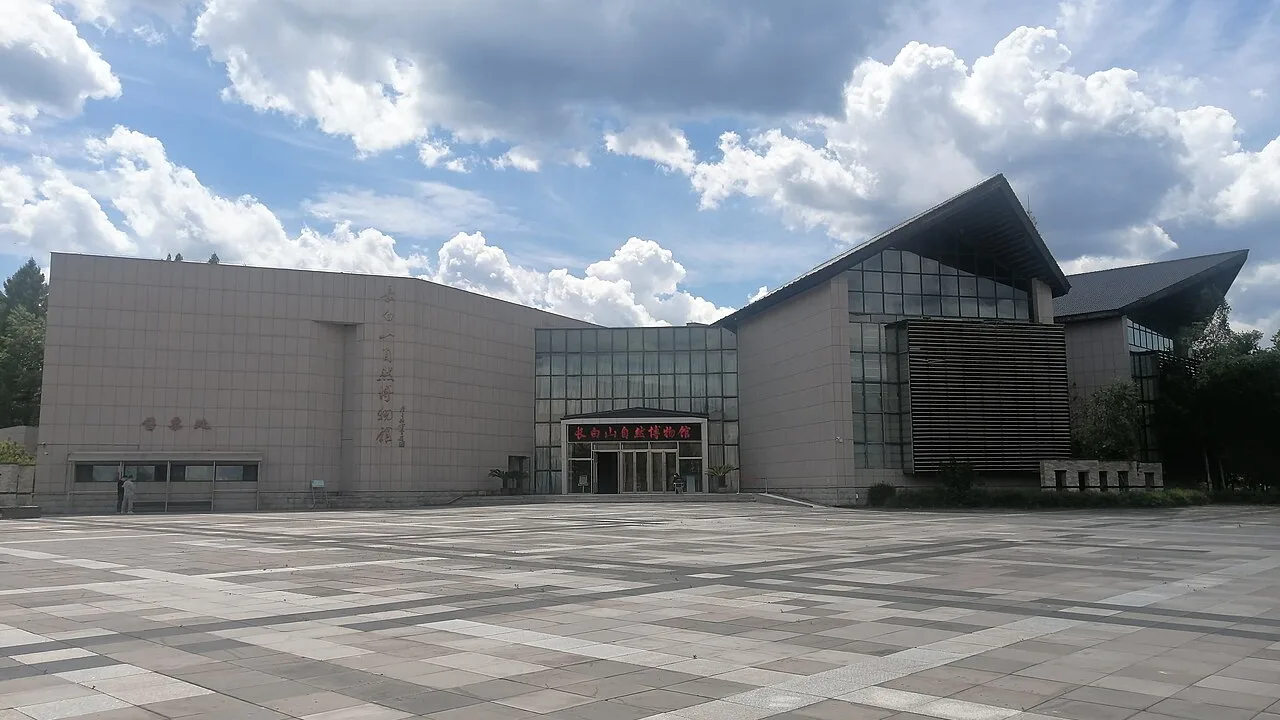
| 09:00 | Changbaishan Natural History Museum: Homework Before the Mountain |
| 10:30 | Erdaobaihe Famous Town Scenic Area: Birches and the Riverside Greenway |
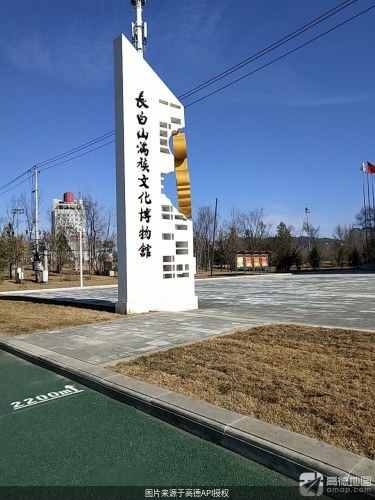
| 14:00 | Changbaishan Manchu Culture Museum: The Human History at the Mountain's Foot |
| 17:00 | The Local Specialties Street: A Mountain-Goods Class Before Dinner |
The route, stop by stop
Changbaishan Natural History Museum: Homework Before the Mountain
Reading the mountain before climbing it is this museum's real use. Volcanic geology, the vertical vegetation bands, specimens of Siberian tiger and mandarin duck stack floor by floor; once you grasp the climate that gives one slope four seasons, the rim, the birch belt and the tundra all get their names for tomorrow.
The halls are compact, an hour and a half if you are earnest. The volcanic bombs and spring specimens by the entrance deserve a stop, and the children's science zone upstairs can hold a family far longer.
Erdaobaihe Famous Town Scenic Area: Birches and the Riverside Greenway
The museum opens straight into the scenic town core; go first to the birch grove. These straight, red-barked pines unique to Changbaishan mostly stand over a century old, the paths run half an hour end to end, and morning light slanting through the trunks makes the most photogenic corner of town.
Leave the grove onto the riverside greenway along the Erdaobaihe, the water carrying that glacial clarity of volcanic country, footbridges offering one angle after another. The greenway strings the town north to south, with benches and cafes whenever legs demand.
Changbaishan Manchu Culture Museum: The Human History at the Mountain's Foot
The morning covered nature's Changbaishan; this museum adds the human side: Manchu origin legends, old hunting and gathering tools, paper cutting and shaman dress, displayed in more detail than expected. For tomorrow's climbers, the ginseng-diggers' rules and the mountain-working culture matter most, centuries of human story under these forests.
Two hours covers it. The creative counter by the exit keeps several ginseng-themed small goods, priced more honestly than at the park gates.
The Local Specialties Street: A Mountain-Goods Class Before Dinner
Give dusk to this street. Ginseng, lingzhi, dried blueberries, honey and wood-ear mushroom are the mountain's big five, stalls packed together and prices swinging wide. A few tests: ask for age certificates on ginseng, squeeze dried blueberries so they do not stick, and prefer honey shops that name their apiary.
Even buying nothing pays: most stalls offer tastes, blueberry products and pine-nut kernels handed out freely. Finish at a Korean-style diner at the street's end and close the day inside a hot soup.
| Getting around |
|
| Budget | Both museums are free or cheap and the town walk costs nothing; with three meals and coffee budget about RMB 120-200 pp. |
| Best time | May to October flatters the town most; winter days are short, so compress the plan to mid-afternoon and save evenings for hot springs and hot soup. |
FAQs
Is a town-only day worth it without the mountain?
Yes, especially around the climb. The museums explain volcano and folklore properly, the birch grove and greenway are genuine local daily life, and the goods street undercuts the park gates. On storm-closed days this line is the substitute, and it rounds out your understanding of the mountain.
Do the town museums need booking or tickets?
Both the natural history and Manchu culture museums stay free year-round, occasionally asking a same-day QR registration in season rather than advance slots. Special shows may charge separately per posted notice. Hours run roughly nine to four-thirty, shorter in winter.
Should the town day come before or after the mountain?
The day before works best. Understanding the geology and vegetation bands doubles the payoff on the rim and in the sunken forest; after the climb, museums and the greenway make a fine recovery day. Either order works, but museum first buys you more insight on the mountain.
How do I avoid being cheated when shopping in town?
Three rules: buy pricey goods only with test certificates and invoices; fixed-price stalls beat eager touts; stay calm about wild and century-old ginseng claims, since a few hundred yuan essentially never buys a high-grade wild root. When unsure, stick to standardized goods like dried blueberries and pine nuts.