
The human layers of Changbaishan live in Heaven Lake's shadow: the orally recognized birthplace of the Manchus, a full Qing sacrificial system aimed at this mountain, the diggers' argot and rules left by ginseng hunters, and shaman drums still echoing in the woods. Three days without racing the summit read that human story in order, a line that holds in rain and low season alike.
The build is progressive: day one sets a knowledge base across two museums with the evening show as overture; day two goes into the shaman village and the town streets, turning text into scene; day three runs from the market rules of ginseng and goods to old bathing customs, closing in hot water. Indoor and outdoor alternate throughout, so even foul weather keeps eighty percent of the plan alive.
Itinerary at a glance
| 09:00 | Changbaishan Natural History Museum: Science Under the Sacred Mountain |
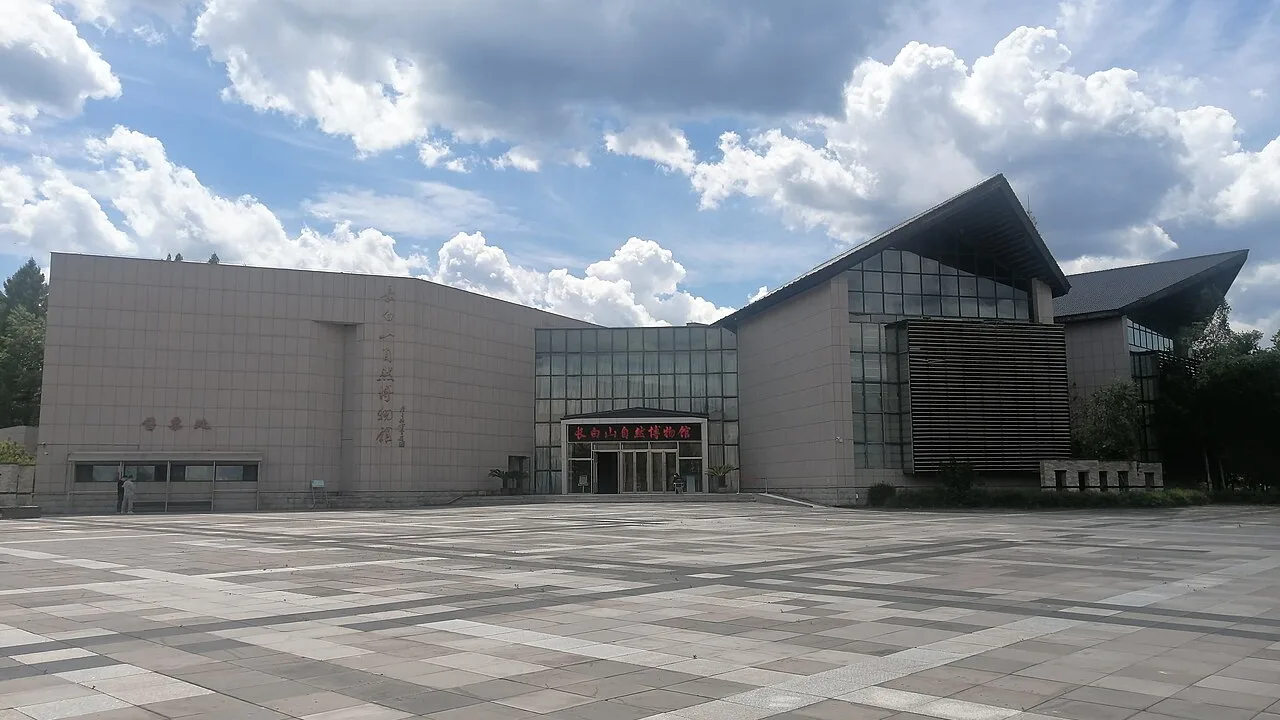
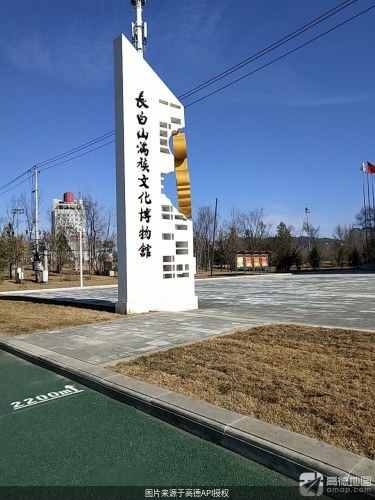
| 11:00 | The Manchu Culture Museum: The Main Hall of the Birthplace Narrative |
| 14:30 | The Primitive Shaman Tribe: From Costume to Drumbeat |
| 19:00 | Heaven and Earth of Changbaishan: The Day Recapped on Stage |
| 06:00 | The Mojie Scenic Area: An Opening Shoot in the Dawn Mist |
| 09:30 | Erdaobaihe Famous Town Scenic Area: The Human Changbaishan in Its Streets |
| 12:30 | Shanhetun Firewood Iron-Pot Stew: One Pot from the Settlers' Table |
| 18:30 | Yan Nainai Korean Soup and Rice: A Migration History on the Tongue |
| 09:00 | The Local Specialties Street: Rules Inside the Ginseng Trade |
| 13:30 | Xianrenqiao Hot Spring Resort: A Living Textbook of Old Bathing Customs |
The route, stop by stop
Changbaishan Natural History Museum: Science Under the Sacred Mountain
Heritage starts with geography. The three-stage eruption history, the vertical vegetation model, and halls of pine forest and wildlife explain why surrounding peoples consecrated this mountain for generations: rich in goods, awesome in weather, unfathomable in depth.
Focus on the hot-spring formation and mineral panels, which connect directly to ginseng and bathing topics ahead. The museum is small and dense; two hours suffice.
The Manchu Culture Museum: The Main Hall of the Birthplace Narrative
This is the densest stop of the three days. Manchu origin legends, the Qing system of sacrificing to Changbaishan, banner-household life with hunting tools, and shaman dress with altars, four threads interlacing through the halls. Give the ginseng-culture section its own slow hour, the argot, mountain rules and rites explained in finer detail than expected.
Enter by the Manchu origins, exit by ginseng culture, planting exactly the knowledge you will spend at day three's market street.
The Primitive Shaman Tribe: From Costume to Drumbeat
The shaman robes and drums watched behind glass in the morning gain sound and motion in the afternoon village. Totem poles, spirit trees and log houses spread through the woods in tribal arrangement, and timed performances dance the summons, descent and sending-off of spirits, impressing even the non-believer with that old awe before deep mountains.
After the show, walk the forest paths slowly and study the totem carvings a second time. After snow, the village wears another face, thick white on the roofs and drums carrying farther in cold air.
Heaven and Earth of Changbaishan: The Day Recapped on Stage
The first evening's show is a review session: the volcano, hunting, shamanism and lake legends read in the halls, restaged on a stage. Watch it with the morning's knowledge and you catch twice the detail, which is exactly why the show belongs on night one.
The theater sits in the town center, walkable after dinner. On the way out, buy a bottle of local blueberry juice and sip it walking home, the right close to a cold night.
The Mojie Scenic Area: An Opening Shoot in the Dawn Mist
Day two's dawn belongs to Mojie. Cold air and spring water cook up river fog along the wooded banks, rime hanging on the trees, the half hour around sunrise the scene's magic window. Seen through a heritage lens, Mojie is the morning of local photographers and forest-farm workers: tripods, dog walkers, commuters, all crossing on this one boardwalk.
Chat with the morning regulars after shooting and you often hear old forest-farm stories and the town's changes, livelier than any interpretive panel. Then back to town for breakfast and the day's main line.
Erdaobaihe Famous Town Scenic Area: The Human Changbaishan in Its Streets
Day two's morning returns to the streets. The birch grove once marked the landscape for hunting and gathering generations, and the older residential blocks along the greenway keep a forestry-town rhythm: breakfast shops, repair garages, windowsills drying red chilies. A heritage trip's second half belongs to streets like these.
Follow the river to the Korean-neighborhood blocks and read the courtyards and sauce jars by the gates. Lunch at whichever soup-rice house draws the biggest local crowd, listening to the neighboring tables.
Shanhetun Firewood Iron-Pot Stew: One Pot from the Settlers' Table
The iron pot's pedigree is half a migration history: settlers from Shandong and Hebei carried big-pot stewing into the Changbaishan forests, feeding a family on the least firewood possible. Shanhetun's firewood goose is a standard specimen of that line, its rim cakes pasted straight from the farmstead stove.
Half a goose with rim cakes and one cold dish feeds two properly. Watching the cook feed the firebox is half of what you came for.
Yan Nainai Korean Soup and Rice: A Migration History on the Tongue
The Korean table is itself a history of migration and blending: fermented soybean broth, seasonal kimchi pickle-making, and rice sausage as the frugal art of offal. This second-night dinner eats like communal memory.
Order the soybean-paste soup rice as the base, add rice sausage and steamed potato, close with a cup of house rice wine. Chat with the staff about where ingredients come from; most are happy to tell.
The Local Specialties Street: Rules Inside the Ginseng Trade
Day three's morning returns to the marketplace armed with two days of study. Ginseng age grades, the gulf between under-forest and cultivated roots, the pricing of spore powder and lingzhi, with the museums' eyes the sellers' price lists become readable.
Beyond buying, this visit is for learning: the mountain diggers' trade argot and inspection rules survive on this street, and earnest questions earn demonstrations from veteran stall keepers. Before closing any deal, certificates and invoices.
Xianrenqiao Hot Spring Resort: A Living Textbook of Old Bathing Customs
Northeastern bathing culture is rooted in spa tradition, and Xianrenqiao's radon springs have drawn sanatorium guests since the last century, what elders simply called the soup. A proper afternoon soak here on day three shows how locals turn bathing into daily life.
Pools run warm, hot and cool; start warm, graduate hot, and keep rounds under fifteen minutes. Afterward drink salt water or yogurt in the lounge, the standard northeastern bathhouse routine.
| Getting around |
|
| Budget | Museums mostly free, the shaman village and show RMB 150-360 together, with springs and meals three days total roughly RMB 900-1,600 pp. |
| Best time | Year-round, with museums and springs at their most valuable in winter; showtimes for performances swing widely between seasons, so verify schedules before leaving. |
FAQs
Are three days worth it with no Heaven Lake at all?
If your interest is heritage and leisure, yes; this line's density does not depend on gate tickets. But most first-timers would feel the miss, so compromise: swap in the north rim on day three's morning and return to springs and the market by afternoon. The two lines do not exclude each other and fit in the schedule.
Do shaman performances run every day?
In season, June to October, fixed daily shows are the norm; off season they may shrink to weekends and holidays, so confirm by phone or official notice before departure. Rain moves performances into covered sheds with content intact; heavy-snow closure days suspend them entirely.
Is this heritage line too niche for a first visit?
It is niche, granted, but it solves two common pains: weather uncertainty and seasonal crowds. With spare time, the standard play is three nature days plus one heritage day; in rain or closure, this is the substitute that loses the least, since museums and springs shrug off the weather.
Which day best absorbs a mountain trip?
Day two fits best: the village takes three morning hours, the north slope's waterfall-and-springs line fills the afternoon without chasing the rim, and you exit by five for dinner. The summit jeep carries the most weather risk, making day two the worst bet for the lake; gamblers should swap the village and the mountain instead.