
Most visitors file Changbaishan under pure scenery, yet its cultural layers run just as deep: the recognized birthplace of the Manchus, a whole rulebook carried by ginseng diggers, and a shaman faith that survived in these forests. Give this day to museums and a village, and tomorrow's mountain shows more than water and stone.
The rhythm runs shallow to deep: the natural museum grounds you in volcano and ecology, the Manchu museum adds the human record, the afternoon shaman village turns display cases into living ritual, and the evening show gathers the day's threads. All within town and its near outskirts, a taxi radius of half an hour.
Itinerary at a glance
| 09:00 | Changbaishan Natural History Museum: The Day's First Layer |
| 11:00 | Changbaishan Manchu Culture Museum: The Birthplace's Human Ledger |
| 14:00 | The Primitive Shaman Tribe: From Display Case to Ritual |
| 19:00 | Heaven and Earth of Changbaishan: Closing the Day in One Show |
The route, stop by stop
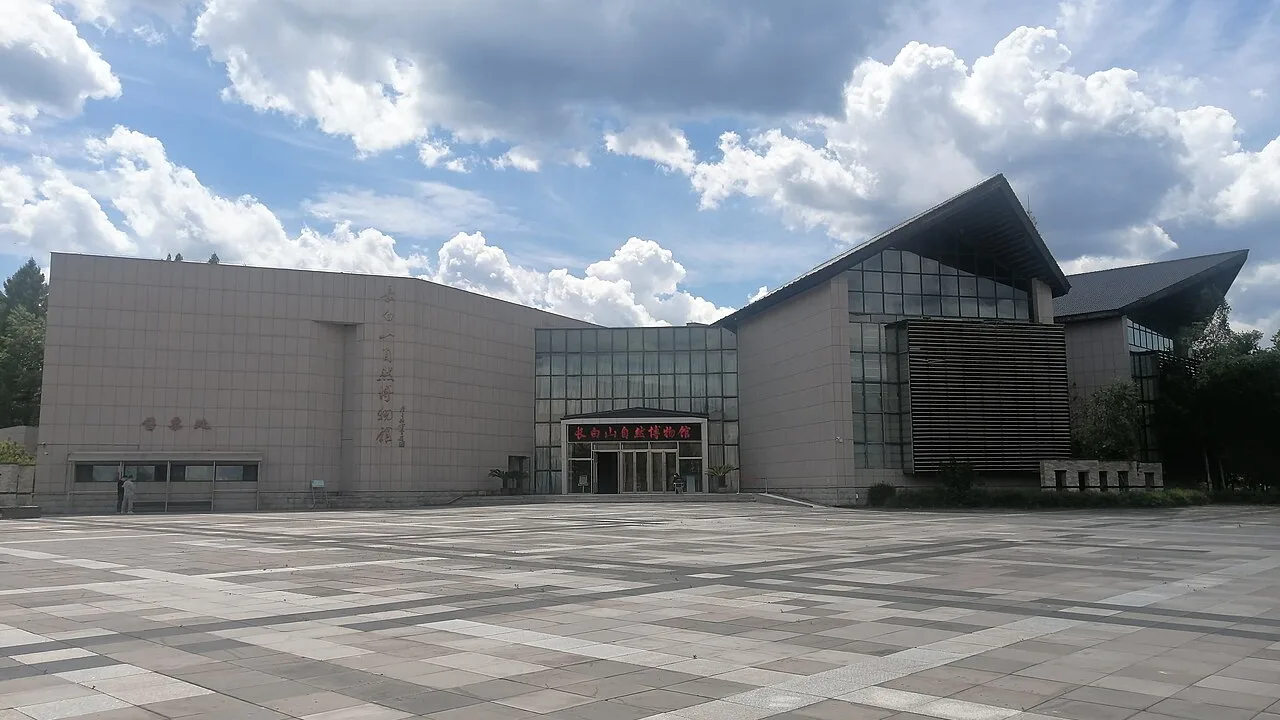
Changbaishan Natural History Museum: The Day's First Layer
A culture day starting with nature is no contradiction: every human story on Changbaishan grows out of the volcano itself. Halls spread geology, climate, flora and fauna, with eruption chronology, a vertical vegetation model, and Siberian tiger and mandarin duck specimens writing the scientific footnote to the words sacred mountain.
Linger at three spots: the volcano formation diorama, the forest ecology hall of Korean pine and sable, and the hot-spring explanation panel. With these read, the objects of Manchu and shaman reverence all find their ground.
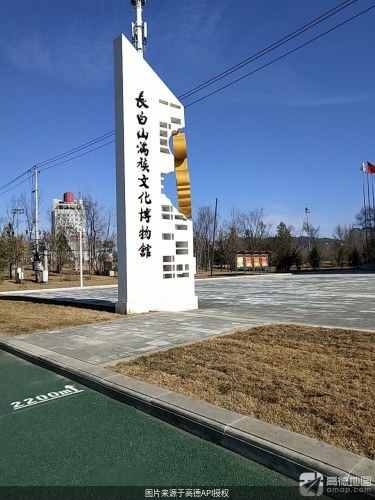
Changbaishan Manchu Culture Museum: The Birthplace's Human Ledger
The Manchu museum spreads the words birthplace wide: origin legends, banner-household objects, hunting and ginseng tools, paper cutting, embroidery and shaman dress, hall after hall. The ginseng-culture section repays the slowest look, with the diggers' code words, rules and rites, centuries of folk order on this mountain.
The second-floor life reconstructions are finely done, heated kang, hanging cradle and shaman altar arranged the old way. Two hours here and every forest tomorrow gains a layer of imagination.
The Primitive Shaman Tribe: From Display Case to Ritual
The shaman dress you watched behind glass in the morning turns into drums and footsteps here in the afternoon. The village reconstructs tribal scenes, totem poles, spirit trees and log houses scattered through the woods, and timed performances carry ritual dance and spirit-drum passages, penetrating best under an overcast canopy.
Do not orbit the stage only; the totem carvings and hunting sculptures through the woods deserve a slow loop. Showtimes follow the village's daily notice, and half an hour of forest walking after a show rounds the visit.
Heaven and Earth of Changbaishan: Closing the Day in One Show
The evening show strings the day's threads together, volcano, lake legends, hunting and shamanism retold in dance and stagecraft. The production ranks among the more earnest of tourist shows, and winter-spring runs add ice-and-snow passages that rhyme with the season outside.
For a culture day its value is emotional closure: knowledge by day, atmosphere by night. Walk back to the hotel afterward, deciding what to see first on tomorrow's mountain, and the day closes its loop.
| Getting around |
|
| Budget | Both museums free or cheap, the shaman village about RMB 50-80, the evening show RMB 100-280 pp; a full culture day around RMB 180-380. |
| Best time | Year-round in climate-controlled halls; rainy or summit-closed days are the best trigger, and show tickets want a day or two of lead time in season. |
FAQs
Any regret skipping the mountain for a culture day?
Treat it as a side dish rather than a substitute: with two days, one mountain and one culture; with one day blocked by closures or rain, this line is the optimal play. The shaman village and the show exist nowhere inside the park, and a serious pass through them pays.
Do the shaman village and the show need reservations?
The village sells tickets on site, though online buys skip queues on seasonal weekends; the evening show sells by performance, with good seats often gone a day or two ahead, so buy tomorrow's ticket on arrival day. Both support QR purchase, with foreign visitors registering by passport number.
Does the culture day suit seniors and children?
Very much so: no demanding walking anywhere, museums offer elevators and rest areas, and the village paths stay gentle. Children lock onto the shaman show and animal specimens, seniors onto the folklore halls; split at the entrance and regroup at the exit, each at their own pace.
How should I adjust for rain or a closed summit?
This line exists precisely for such weather, order unchanged. If rain only blocks the morning, swap the museums and slide the village to the later show; if the summit closes all day, add the specialties street and a hot soak, stretching the culture day into two full ones.