
The city's sights cluster tightly: puppet-era relics in the northeast and south, the film estate along Hongqi Street, parks and shopping streets between. Three days split by theme: history, then cinema, then aquarium, sculpture and a night show, effort well paced.
The routing avoids backtracking: heaviest museums in the morning, streets and parks after lunch, evenings where the crowds and smoke are. The zoo's Journey-to-the-West night show, a recent hit staged inside a century-old garden, closes the set.
Itinerary at a glance
| 08:30 | Museum of the Imperial Palace of the Manchu State: The Starting Point |
| 13:00 | Xinmin Street and People's Square: The Answers on the Ground |
| 18:00 | Guilin Road: A Street-Food First Night |
| 09:00 | Shengli Park: An Old Park's Morning |
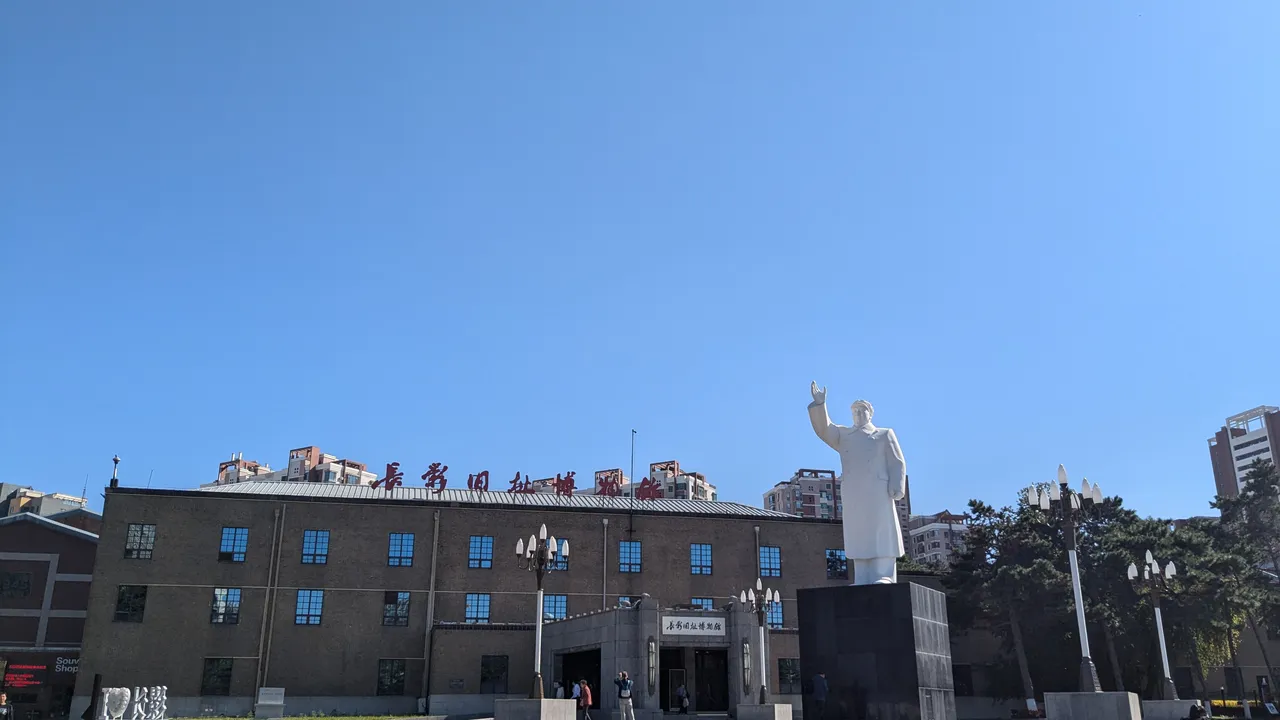
| 10:30 | Changchun Film Studio Site Museum: Day Two's Heart |
| 14:00 | Hongqi Street and Zheyoushan: The Film City's New Face |
| 09:30 | Changchun Zhongtai Ocean World: A Rainproof, Family-First Stop |
| 13:30 | Changchun World Sculpture Park: Art for Digestion |
| 17:30 | Changchun Zoological and Botanical Park: A Journey-to-the-West Finale |
The route, stop by stop
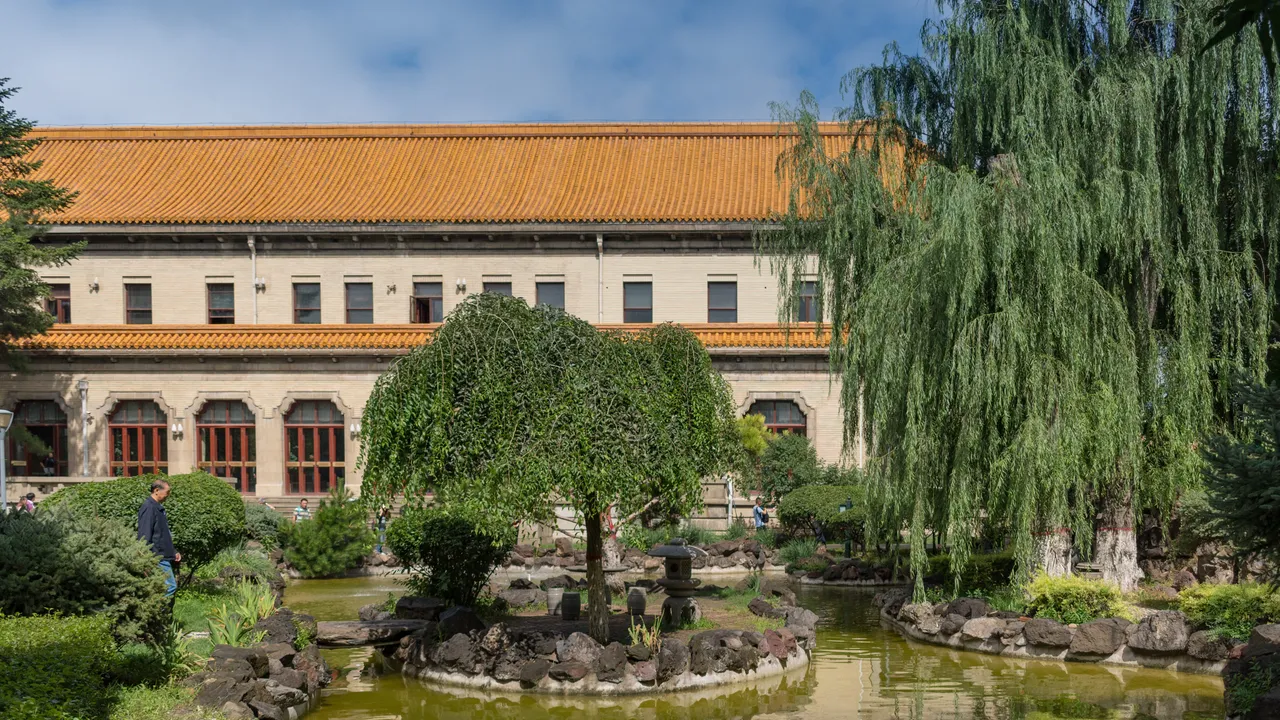
Museum of the Imperial Palace of the Manchu State: The Starting Point
Open the three days with the densest site, the puppet palace. Enter at opening, walk the building line of Jixi, Qinmin and Tongde halls, then take the occupation-history museum's objects and footage; four hours later the city's century has a full coordinate system.
After the palace, street scenes decode themselves: why Xinmin Street holds the ministries, why People's Square is round, the answers all planted in the morning's galleries. The afternoon is simply those answers on the ground.
Xinmin Street and People's Square: The Answers on the Ground
The afternoon walk along Xinmin Street grounds the morning's galleries: the pseudo-state's bureau and ministry fronts lined behind poplars. Walk to Culture Square at the north end and look at the Geology Palace built on the grand palace's foundations; the era's urban ambition and its failure share one axis.
Cut northeast to People's Square, the roundabout radiating six streets on the skeleton of the puppet era's Datong Square. The surrounding old lanes reward slow walking, grocers and barbershops wearing decades of signage, before drifting toward Guilin Road for evening.
Guilin Road: A Street-Food First Night
Eat night one on Guilin Road: open with street-side griddle noodles and skewers, then sit down at a busy veteran kitchen for sweet-and-sour pork and soy bones. The street's nighttime energy ranks first in the city; after dinner walk its length past the young queues and old bookshops.
Opening on history and closing on a night market is deliberate: the city's day and night are two different towns, and both count as having arrived.
Shengli Park: An Old Park's Morning
Day two opens with a morning in Shengli Park, the flagship of local exercise culture: choirs, tai chi teams, diabolo spinners and songbird keepers each holding a corner, morning light through old trees onto the flowerbeds, the day's gentlest hour.
Forty minutes covers the small park; the point is the locals' park life more than scenery. In winter the lake freezes and morning exercisers move onto the ice, a scene with extra vintage.
Changchun Film Studio Site Museum: Day Two's Heart
Enter at 10:30, dodging both the opening rush and the afternoon wave. The soundstage and mixing-room galleries follow the film-production pipeline, and the dubbed-voice comparisons in the workshop hold the museum's most moving ten minutes.
With time in hand, stay for an in-house screening; old films projected inside the old studio carry a ceremony no multiplex can copy. Two to two and a half hours, doubling for cinephiles.
Hongqi Street and Zheyoushan: The Film City's New Face
The afternoon's Hongqi Street was once the studio's living quarter and is now the city's liveliest mall district. Zheyoushan's hill-town-in-a-mall conceit mirrors the morning's film history: the old studio manufactured images, the new street turns them into lifestyle.
Two hours on the hill suffices; watch the architectural circulation and lighting design, and pick two or three small items from the design shops. Dinner on the hill or along the street, with choices enough to paralyze.
Changchun Zhongtai Ocean World: A Rainproof, Family-First Stop
Day three's morning goes to Zhongtai Ocean World, a downtown aquarium that doubles as the perfect rain backup and the highlight stop for families: the tunnel's moving walkway, mermaid shows and diver-shark feedings rotating on a timetable.
Two hours covers the modest halls; shows cluster between 10 am and 3 pm, so photograph the day's schedule on entry. For travelers without kids it is optional and can fold straight into the sculpture park when time is tight.
Changchun World Sculpture Park: Art for Digestion
The sculpture park carries the trip's art quota: masters indoors, contemporary works from many countries on the lawns, the garden itself a piece. Pace it loosely, riding the shuttle and resting on lakeside benches at will.
Here the three-day logic closes: history, then cinema, then art, three spiritual registers of the city on three days. Indoor halls stop admitting around 4:30 pm, so galleries before grounds.
Changchun Zoological and Botanical Park: A Journey-to-the-West Finale
The final stop is the zoo's night tour, the century-old garden turned viral by its Journey-to-the-West theme: light installations laying the epic's scenes through the grounds, actors as Wukong and Bajie roaming for photos, with the headline show on the lakeside stage.
Sessions and tickets run fully online, and Friday to Sunday sell out. The old garden in new lighting and script makes the lightest possible close to three urban days; afterward, head home and let the step count reset.
| Getting around |
|
| Budget | Tickets total about RMB 250-350 pp including the palace, film museum and zoo night show; meals and city transit extra. |
| Best time | Year-round; the zoo night show and Guilin Road each have summer and winter flavors, long summer days allow full schedules, while winter outdoor stops should move earlier. |
FAQs
How do I choose between the urban and nature three-day plans?
Follow your weights: history and cinema, or families, pick urban; forest and countryside with good legs, pick nature. With five days the two plans simply concatenate, the sculpture park handing off to Jingyuetan with no repeated rhythm.
Is the zoo's night show worth waiting an evening for?
Depends on schedule density: it is atmosphere-driven, winning on garden staging and light sets rather than theatrical production. With only two or three days and a wish for one local show, give it an evening; production purists should pick a proper duet-opera theater and tour the zoo by day.
Can the aquarium be skipped?
Yes. It is the plan's only functional backup, aimed at families. Travelers without kids should trade it for a Guilin Road morning or the Chongqing Road district for a fuller city feel; deploy it as the rain or deep-freeze backup and it earns its slot.
How many steps over three days, and how should effort be spread?
About fifteen thousand steps daily, heaviest on days one and three. Rule: heavy mornings, light afternoons, since the big museums sit early with restful streets and parks after. Older or lower-energy travelers should lean on the park shuttle and night-show seating, saving a third of the distance.