
Visitors imagine industry and film, overlooking that this is one of China's greenest provincial capitals: the man-made forest of Jingyuetan has almost no rival among major cities, and a belt of parks fills the urban area, so three green days need no long drives.
The days run from heaviest to lightest: day one commits your legs to Jingyuetan, the lake loop plus forest trails; day two switches to park tempo, four light stops across a flower garden, zoo, wetland and lakeside; day three mixes garden art at the sculpture park with a mountain finish. Each evening keeps an easy close, and in winter cap outdoor time by 3 pm daily.
Itinerary at a glance
| 08:30 | Jingyuetan National Forest Park: The First Lake Loop |
| 10:30 | The Vasaloppet Museum: An International Ski Story in the Woods |
| 13:00 | The Siberian Tiger Park: Big Cats at the Forest Edge |
| 15:30 | Changchun Film Century City: The Theme Park's Evening Shift |
| 08:30 | Changchun Hundred Flowers Garden: The Day Opens in a Greenhouse |
| 10:00 | Changchun Zoological and Botanical Park: An Old Park's Morning |
| 14:00 | Nanxi Wetland Park: Reed Beds in the Middle of Town |
| 16:30 | Nanhu Park: Dusk on the City Lake |
| 09:00 | Changchun World Sculpture Park: The Garden as a Gallery |
| 14:00 | Lianhua Mountain: A Mountain-Breath Finale |
The route, stop by stop
Jingyuetan National Forest Park: The First Lake Loop
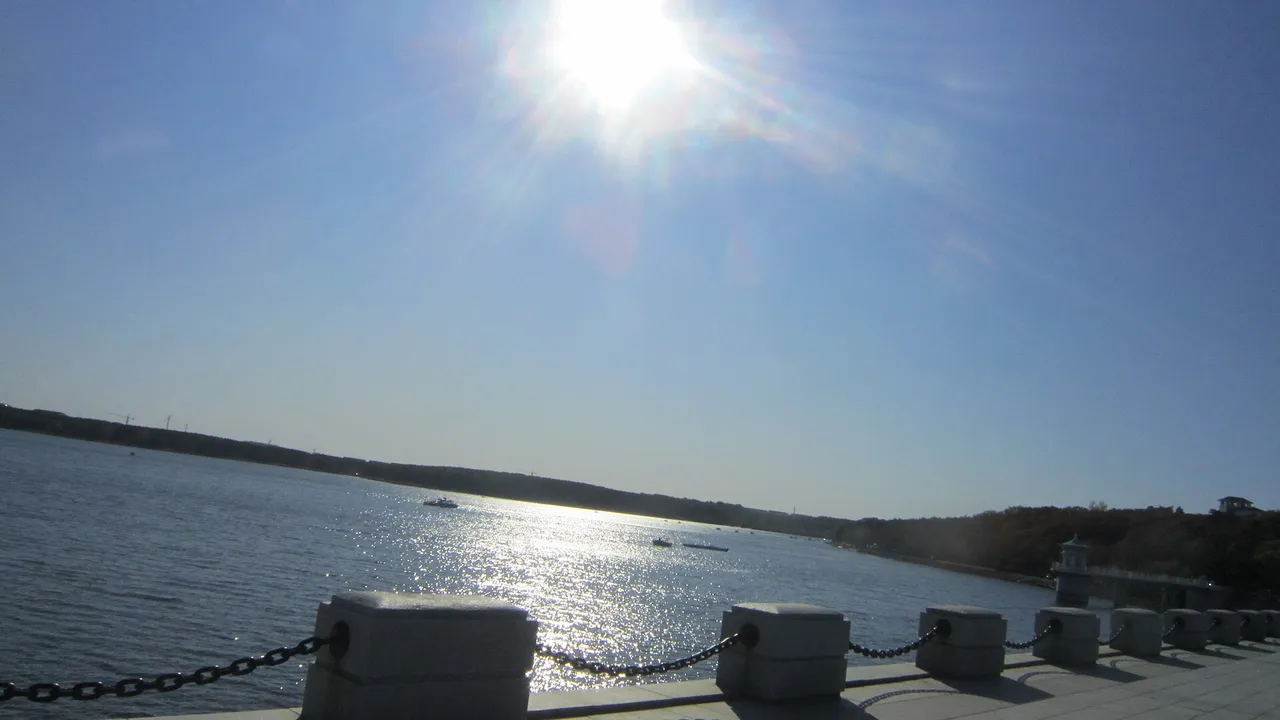
Give the day's best energy to Jingyuetan. Ride the sightseeing cart to the lake's west side and start counterclockwise from Goddess Square along the lakeside boardwalk, black pines closing overhead and light shifting on the water. When legs tire, switch to a sightseeing bicycle; the level loop road takes about two hours.
The name comes from the crescent lake, itself a reservoir, and the surrounding woods grew from plantings begun last century, a genuine man-made sea of trees. From the dam, waves of pine press against the water, the city's weekend backyard.
The Vasaloppet Museum: An International Ski Story in the Woods
The park's bond with skiing has a formal name: Vasaloppet. The ninety-kilometer Swedish cross-country race took root here in 2003 and grew into China's largest ski festival, and the museum keeps that transnational story.
The museum takes an hour: Swedish snowfields and Jingyuetan's ice hang side by side in old photographs, race skis and bibs arranged by year. For the ski-curious it is a footnote to the park; for anyone who has skied the region's resorts, the equipment evolution reads familiar.
The Siberian Tiger Park: Big Cats at the Forest Edge
Adjacent to Jingyuetan's southeast, the tiger park keeps Siberian tigers, white tigers and ligers in roaming enclosures; the signature scene is a caged sightseeing vehicle gliding past tigers dozing by the wheels.
Set expectations right: this is a conservation and education park, not a circus, and by afternoon the cats mostly sunbathe. The upside is scale, an easy hour that pairs perfectly with the lake, and for families it becomes the day's highlight.
Changchun Film Century City: The Theme Park's Evening Shift
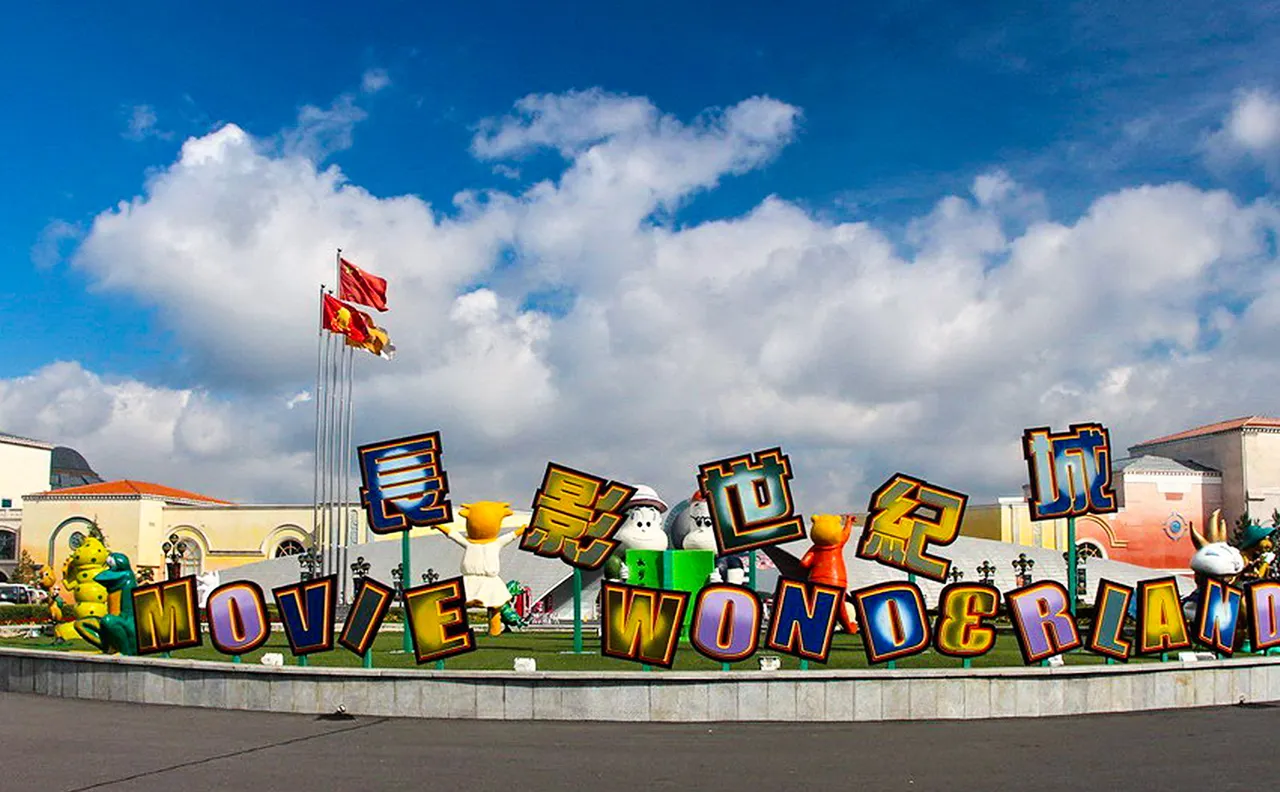
South of the tiger park sits Film Century City, the studio's theme park of special-effects theaters, motion cinemas and giant-screen halls. Entering after 3 pm is the value play: queues shrink and the grounds light up for the evening.
The attractions center on screening experiences; the giant-screen and effects halls deserve a full pass, thrills are few, and that suits the end of the trip's most tiring day. Families treat it as a full-day anchor, while younger travelers often make it the daytime centerpiece instead.
Changchun Hundred Flowers Garden: The Day Opens in a Greenhouse
Day two slows down, starting at the free flower garden. The theme park rotates blooms by season: tulips and peonies in spring, lilies and lotus in summer, chrysanthemum shows in autumn, evergreen glasshouses year-round. Early mornings are quiet and dewy, the best photo window.
The scale is friendly, a full lap in an hour, while gardeners stall among the roses and perennials. For everyone else it is a palate cleanser before the city, setting an unhurried tempo for the park line ahead.
Changchun Zoological and Botanical Park: An Old Park's Morning
The zoological and botanical park is a childhood landmark nearly a century old, split in two registers: animals on the east, monkey hills and big cats, and shaded heritage trees in the western garden. Its Journey-to-the-West night shows went viral recently, leaving daytime the quietest slot.
Animals move most in the morning, the monkey hill and bird-feeding shows reliably funny; the lily tower anchors the gardens and its top frames the whole green lung. Two hours covers the grounds, doubling automatically for families.
Nanxi Wetland Park: Reed Beds in the Middle of Town
Nanxi Wetland is a recent urban restoration along an old channel of the Yitong River, boardwalks threading between reed beds and ponds. Summer belongs to dragonflies and egrets, autumn turns the reed flowers white, and winter freezes the water into spare plainness.
Its trick is proximity: a quarter-hour drive from the zoo, and ten minutes down the boardwalk the city recedes behind you. The main loop takes forty minutes, the gentlest afternoon walk on the itinerary.
Nanhu Park: Dusk on the City Lake
Nanhu is the city's largest park, a rare sweep of open water kept downtown. The lakeside ring road turns into the locals' evening gym: runners, cyclists and dance troupes each holding a stretch, while the sunset drops behind the opposite skyline.
No need to circle the whole lake; enter at the south gate, walk the west shore to the bridge and back, forty minutes of full lake light. In winter the frozen surface fills with ice cycles and sleds, the playground version only a northern city offers.
Changchun World Sculpture Park: The Garden as a Gallery
Day three opens at the sculpture park, which gathers works from over a hundred countries: originals by Rodin, Maillol and other masters inside the halls, contemporary pieces scattered across the outdoor lawns, so the walk itself is an un-walled sculpture exhibition.
The park is large; see the main hall's anchor collection first, pick a few famous outdoor pieces, then rest on a lakeside bench. Garden and sculpture borrow scenery from each other, spring cherry and autumn foliage included, and most visitors leave remembering the cast of Rodin's Thinker indoors.
Lianhua Mountain: A Mountain-Breath Finale
Finish at Lianhua Mountain, the eco-resort in the eastern suburbs, hiking and forest play in summer and the city's nearest large ski area in winter. About an hour's drive from the sculpture park, it lands you in the hills by early afternoon.
In summer, take the forest trails, three to five degrees cooler than town, with a summit deck over rolling wooded ridges; in winter, go straight to the slopes, beginner-friendly runs and full rental gear. As the last stop before leaving, the mountain air ends the green trip clean.
| Getting around |
|
| Budget | Tickets total about RMB 150-250 pp before meals and transit; Film Century City runs about RMB 240 and is optional. |
| Best time | June to September is greenest and early October brings Jingyuetan's annual color peak; winter flips the city to an ice-and-snow theme and outdoor segments should shrink. |
FAQs
Are three days of parks monotonous?
No, because the three days are three different greens: the forest-and-water sweep of Jingyuetan, the manicured gardens and wetland, and the hill terrain of Lianhua Mountain. Sight and effort rotate daily, with the film park and sculpture art as seasoning, and the whole reads looser than a city-sights line.
How long does the full Jingyuetan loop take on foot?
The loop is about eighteen kilometers, four to five hours at a normal pace, so most people should combine a highlights walk with cycling instead. Full-loop hikers should carry supplies, since vendors cluster at the entrance and the dock with a long vendorless middle stretch.
Does this itinerary suit young children?
Very much so: the stars are all open grounds. The tiger park and zoo are hard currency for kids, the wetland boardwalk and lake paths stay flat, and few Film Century City theaters have height limits. Watch winter cold, layer children one step beyond adults, and alternate one-hour outdoor blocks with indoor rewarming.
Does this itinerary hold up in winter?
It holds, but the theme flips to ice and snow: Jingyuetan becomes a ski and snow park, Nanhu freezes into an ice playground, and Lianhua Mountain is the ski main stage, while the garden and wetland sections close. Interleave indoor halls (the Vasa museum, sculpture galleries, the zoo) each morning and put snow activities at the warmest two or three pm.