
Outside the city, Changchun looks more like the legendary frontier Northeast than the town itself: southeast, Shuangyang is China's sika deer country, where the whole market street of Luxiang trades antler; north, Nong'an raises an eleventh-century Liao brick pagoda over an ordinary county town, and the time scale wobbles.
The three days trace a shallow loop: day one in the eastern hills and the folk museum, hot springs at Guandong Culture Park by night; day two southeast past Jingyuetan's fringe to the Diaoshuihu caves and the deer town; day three north to the pagoda, with the sculpture park easing the return and Zheyoushan closing the night. Rural transit is thin, so chartering a car is a hard prerequisite.
Itinerary at a glance
| 09:00 | Lianhua Mountain Eco-Resort: First Mountain Air |
| 14:30 | Northeast Ethnic Folk Museum: Making Sense of Guandong Ways |
| 17:00 | Guandong Culture Park: Hot Springs and a Frontier Dinner |
| 08:30 | Jingyuetan's Fringe: A Morning Stretch in the Woods |
| 11:00 | Diaoshuihu National Forest Park: Caves and Spring Water |
| 13:30 | Luxiang, Shuangyang: A Living Market in Deer Country |
| 16:30 | The Transfer: From Deer Country Back to Jingyue |
| 08:30 | The Nong'an Liao Pagoda: A Tower over a County Town |
| 15:00 | The Return: Sculpture Park Afternoon and Zheyoushan Night |
The route, stop by stop
Lianhua Mountain Eco-Resort: First Mountain Air
Lianhua Mountain sits an hour east of town: hiking and forest adventure in summer, skiing in winter, ridge walking in the shoulders. The elevation stays gentle, and the summit deck rolls wooded hills out beneath you.
Mornings have the mountain's best mood: mist not yet lifted, birdsong through the trees. Trails come in long and short; take the short line to leave room for an iron-pot stew in town. Winter skiers find beginner-friendly gradients and complete rentals.
Northeast Ethnic Folk Museum: Making Sense of Guandong Ways
Back toward town via Jingyue, the Northeast Ethnic Folk Museum ranks among China's largest devoted to the region's folkways: housing, dress, tools and shaman objects of the Manchu, Mongol, Korean and Daur peoples, with real kang platforms, sleds and tobacco baskets.
Read it as the field manual for the trip: study Manchu hunting and deer customs in the afternoon, then meet the living version at the deer market next day. Two hours, solid labels, and friendly to anyone starting from zero.
Guandong Culture Park: Hot Springs and a Frontier Dinner
Give day one's night to Guandong Culture Park, a resort folding hot springs, shows and frontier dining together. Outdoor pools in a winter night, breath rising off the water, is one of the classic Northeastern travel scenes; the park's dinner portions are honest, iron-pot stews and sticky bean dumplings included.
Evening performances cluster after dark; the duet-opera and folk song theaters run hot with fun that survives any dialect barrier. Bring your own swimwear, since on-site prices run high.
Jingyuetan's Fringe: A Morning Stretch in the Woods
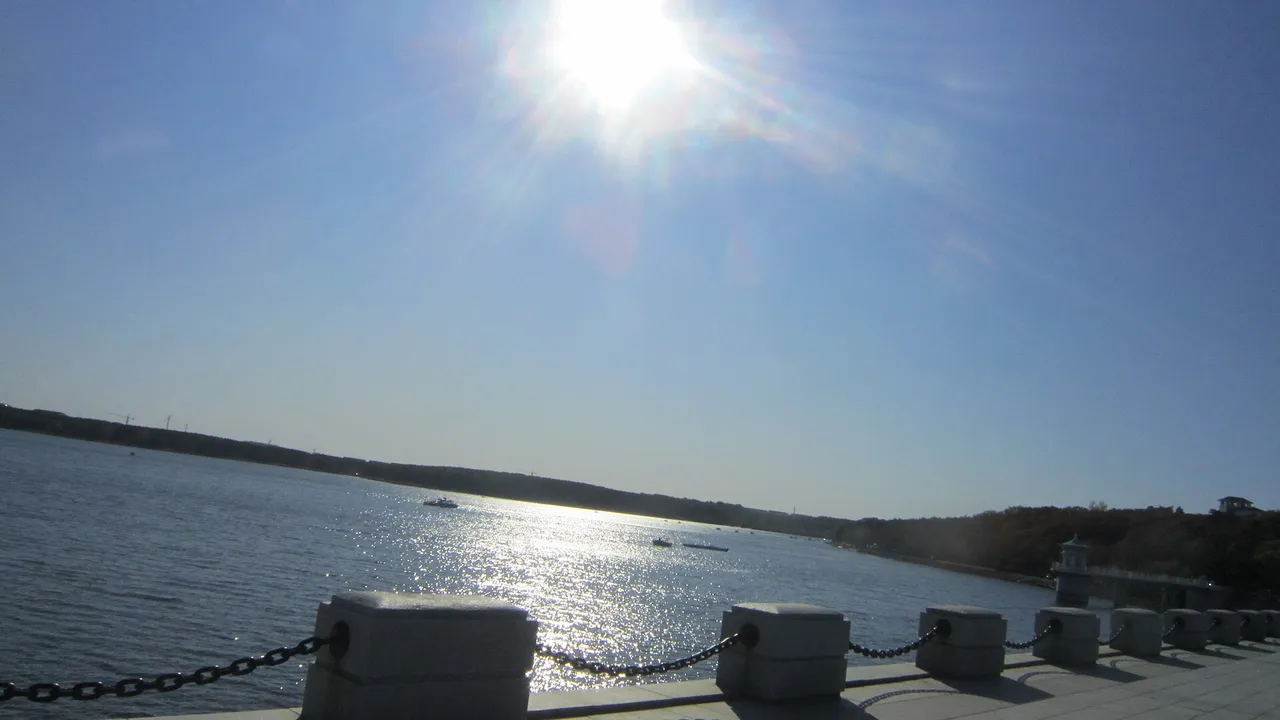
Day two heads southeast, warming up on Jingyuetan's fringe. Skip the main park and take the woodland trail by the east gate, black pines and white birches mixed, morning light slanting through trunks; the stretch is free and forty minutes of it wakes the legs for the day.
On a countryside day the lake is only a pass-through, with Shuangyang farther south the real target. But keep this morning walk: waking among trees beats waking in a cafe by half.
Diaoshuihu National Forest Park: Caves and Spring Water
Diaoshuihu hides in the hills of Shuangyang, its draw a karst cave group rare in the Northeast: lit stalactites and an underground river unfolding level by level, the cave holding single-digit temperatures, natural air conditioning in summer. Above ground, forest trails run to a waterfall and springheads.
See the surface first and the cave last, saving the thermal shock for the exit. The cave section is stepped and damp, about an hour, and for southern visitors it is a surprise karst stop in the far Northeast.
Luxiang, Shuangyang: A Living Market in Deer Country
Shuangyang is China's sika deer homeland, and the Luxiang market is the trip's most atmospheric stop: a whole street trading deer, antler priced by tier, antler-blood wine, placenta paste and venison products lining the counters, medicine buyers from across the country inspecting and haggling.
For travelers it is the most transparent place to buy antler products: whole fresh racks on view, grade differences explained, far more honest than scenic-area counters. Eat in town, venison dumplings or an iron-pot stew, and kitchens around the market keep firing past 2 pm.
The Transfer: From Deer Country Back to Jingyue
The drive back from Luxiang takes about an hour, good time to digest the day's contrasts. Eat dinner around Jingyue, where kitchens serving both tourists and locals turn out reliable sweet-and-sour pork and mountain vegetables at below downtown prices.
Turn in early, since day three starts north to Nong'an. On a countryside trip skip fancy hotels; pick Jingyue or Nanguan with parking for the easiest pickup by your chartered car.
The Nong'an Liao Pagoda: A Tower over a County Town
Day three drives north to Nong'an county, about ninety minutes. The pagoda stands at the town center, an octagonal thirteen-eave brick tower raised in the reign of Emperor Shengzong of Liao, among the most intact Liao pagodas surviving in the Northeast; its clean taper and carved Buddha niches throw crisp shadows, and a millennium of brickwork deserves several slow minutes.
The block around it is ordinary county life, breakfast stalls beside farm-machinery shops. An hour suffices; the real work is the Khitan-Liao historical context, thin on the ground here, so a little prep doubles the visit.
The Return: Sculpture Park Afternoon and Zheyoushan Night
Back from Nong'an, give the afternoon to the sculpture park, an aesthetic gear change after three country days: eyes tuned to hills and markets suddenly compare material and mass in works from sculptors worldwide. The shuttle cart covers the highlights in two hours.
Close the night at Zheyoushan, hilltop lamps completing the contrast with three days of open country, the last dinner landing in a summit restaurant. The loop's logic now closes: frontier days belong to forests and markets, nights to city smoke and bustle.
| Getting around |
|
| Budget | Ticket costs stay low at RMB 150-250 pp; two days of chartered driving are the main expense, RMB 150-250 per person per day when shared. |
| Best time | May to October suits the countryside best; winter swaps in ski slopes while the deer market and Nong'an run year-round. |
FAQs
Can this trip work without driving?
Yes, with chartering as part of the budget. Rural buses are sparse with awkward transfers, and two chartered days split across three or four people cost little more than renting a car plus fuel. Solo backpackers can drop Nong'an and run Jingyuetan plus Shuangyang by scheduled bus, trading time for savings.
Can antler products go on planes or trains?
Dried sliced antler and processed goods generally travel, provided sealed packaging and quarantine papers; fresh racks and blood products are restricted, with rules differing across provinces and between airport and rail checks. Safest is dried slices from licensed vendors with receipts kept for inspection.
Is Nong'an's pagoda worth the detour?
For lovers of ancient architecture and Liao history, yes: surviving Liao pagodas are scarce in the Northeast and this one is well placed and well kept. If pagodas leave you cold, swap day three for a deep Jingyuetan day or a makeup visit to the palace museum. The test is simple: does the photo of an octagonal brick tower make you look twice.
Is food easy across three country days, and what should not be missed?
Easy, and township kitchens keep honest hours, still firing past two. Musts: venison dumplings in Luxiang, iron-pot stews around Shuangyang and Lianhua, baked flatbread and stews in Nong'an. State dietary needs early; the cooking leans oily, and most kitchens will cut the oil if asked.