
Seven days is the shortest span that turns Changsha from a tourist city into a city. Three days settle the town: museum, old streets, Yuelu and three museums, peeling two millennia of strata in order; day four opens the new city's galleries; day five goes country to the kilns and river port; day six buffers at the botanical garden; day seven runs far east to Dawei Mountain in Liuyang.
Deep means blank space, not stacked sights: one easy day in every two, evenings left open for Jiefang West suppers, Meixi fountains or simple riverbank idling. Changsha deserves slow looking, and seven days just cover it.
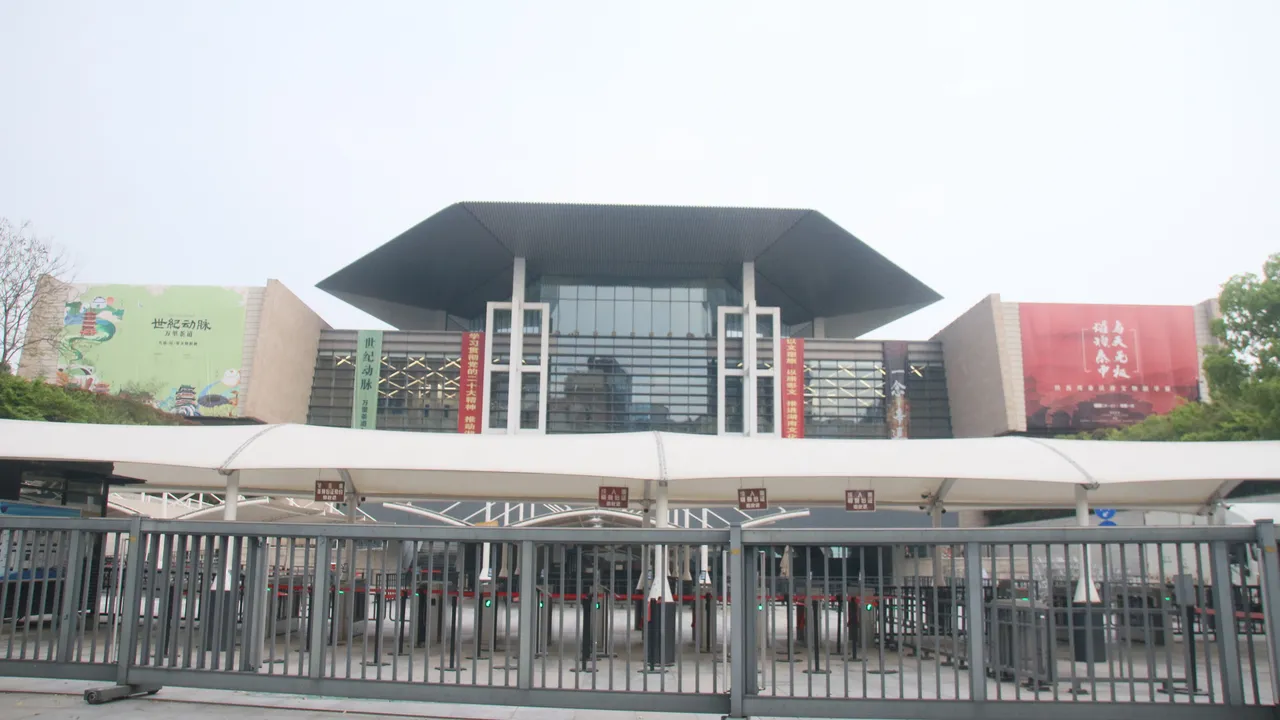
Itinerary at a glance
| 第1天 09:00 | The Hunan Museum: Day One, the First Stratum |
| 第1天 14:30 | Taiping Old Street and the Jia Yi Residence: The Old Town, First Pass |
| 第2天 08:30 | Yuelu Academy: Morning at the Thousand-Year Academy |
| 第2天 11:00 | Aiwan Pavilion and Lushan Temple: From the Poem Pavilion to a Jin Temple |
| 第2天 14:00 | The Climb and the Descent: Yunlu Retreat and the Modern Fallen |
| 第2天 17:30 | The Head of Orange Isle: Handing the Day to the River Wind |
| 第3天 09:30 | Tianxin Pavilion: Morning on the Old Wall |
| 第3天 11:30 | The Changsha Jiandu Museum: A Three Kingdoms Office Drawer |
| 第3天 15:00 | The Changsha Museum: Closing with the Long View |
| 第4天 10:00 | The Xie Zilong Photography Museum: The New City's White Overture |
| 第4天 14:00 | The Li Zijian Art Museum and Meixi Lake: Oils and Curves |
| 第5天 09:00 | The Tongguan Kiln Park: Where Tang Kilns Still Speak |
| 第5天 14:00 | Jinggang Old Town: A Slow Afternoon in the Old Port |
| 第6天 09:30 | The Hunan Botanical Garden: The Buffer Day's Green |
| 第7天 08:00 | Dawei Mountain National Forest Park: The Final Chapter in the Liuyang Hills |
The route, stop by stop
The Hunan Museum: Day One, the First Stratum
The deep trip opens at its heaviest gate. Give Mawangdui a full two hours, from the sheer robe's weave to the T-shaped painting's structure of heaven and earth, then Lady Xinzhai's hall; follow with the Hunan People galleries to read where the region's character comes from.
The museum is the trip's master key: every later city fragment finds its source here. Lunch local around Dongfeng Road, then the old streets in the afternoon.
Taiping Old Street and the Jia Yi Residence: The Old Town, First Pass
The afternoon enters the old town, walking the old street south to north. Register into the Jia Yi Residence for the Western Han essayist's footprint and steles, then read the granite main line, old teahouses, guild halls and the lanes' directions.
Keep the first pass light: memorize that the north mouth feeds Wuyi Square and the south feeds Jiefang West, since both return all week. One round of snacks at dusk, the evening free.
Yuelu Academy: Morning at the Thousand-Year Academy
Day two belongs entirely to Yuelu hill. Enter the academy at opening, when the hall and stele corridor get their best light and thinnest crowds. Stand and read the Only Chu Holds Talent couplet and the Seek Truth from Facts plaque, the two keys to Hunan.
From the academy the stone steps climb, reaching Aiwan Pavilion before noon. Two highlights banked by midday, the afternoon's climb keeps all its time.
Aiwan Pavilion and Lushan Temple: From the Poem Pavilion to a Jin Temple
Aiwan Pavilion in Qingfeng Gorge sits quiet in the morning, the stream and maples composing cleanly. Twenty minutes higher, Lushan Temple's Western Jin gate and ancient trees push the hill's timeline back further, the courtyard quiet enough to hear sweeping.
The stepped path between runs through bamboo, the hill's easiest stretch. In late autumn the whole gorge turns red and packed, so within a seven-day frame you can pick your hour freely.
The Climb and the Descent: Yunlu Retreat and the Modern Fallen
Climb to the Yunlu retreat after lunch, its terrace overlooking the city and the Xiang, the full outline of Orange Isle visible in clear weather. Descend toward the south gate past the tombs of Huang Xing and Cai E, both 1911 generals buried here, where one hill holding half of modern history turns concrete.
The descent takes forty minutes with inscriptions along the way. Near twenty thousand steps for the day, so leave the evening unbooked: eat in the university district and rest early.
The Head of Orange Isle: Handing the Day to the River Wind
Do not end the descent in town: from the west bank go straight onto Orange Isle. The dusk headland suits doing nothing, seated on the embankment as sunset gilds the Xiang, the thirty-two-meter statue of young Mao silent behind.
The famous Changsha poem describes precisely this autumn view. Mountain by day, river by dusk, Yuelu and the isle answering each other within one day, the neatest footnote to the city's geography.
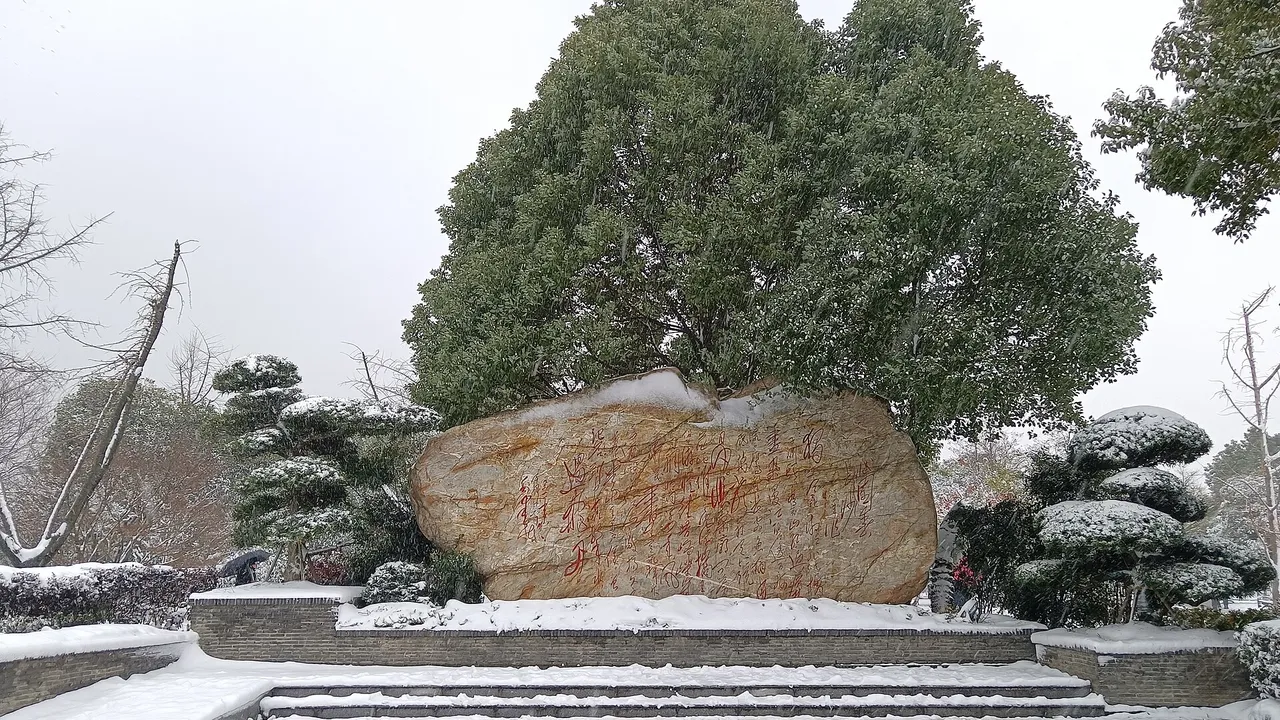
Tianxin Pavilion: Morning on the Old Wall
Day three returns downtown, trading the streets already walked for depth. The Ming wall at Tianxin Pavilion proves the city site unmoved for two millennia; from the three tiers, watch the old slopes fall to the river, yesterday's mountain-scale city read today in wall-level detail.
The park is free, the climb a few tens of yuan. Morning light rakes the pavilion facade, the best hour for the upturned eaves, crowds arriving only after ten.
The Changsha Jiandu Museum: A Three Kingdoms Office Drawer
Ten minutes on foot from the pavilion reaches the slips museum. Over a hundred thousand Wu-kingdom slips from the Zoumalou well are the whole institution's backing: household registers, tax rolls and court documents on bamboo and wood, one county office's daily life laid open behind glass.
Free entry and thin crowds, an hour read closely suffices. The city's most underrated museum has no place in a skip list on a deep trip.
The Changsha Museum: Closing with the Long View
The afternoon taxis to Binjiang Culture Park. The Changsha Museum's permanent show runs from Shang-Zhou bronzes into modern times, weaving against day one's Hunan Museum: one tells the province, this one tells the city itself.
Two hours covers the halls; then stroll the riverside paths where two waters meet. The park at dusk is hushed, the best place to digest three days.
The Xie Zilong Photography Museum: The New City's White Overture
Day four switches to the new city's tempo. The morning goes to the Xie Zilong Photography Museum, board-formed concrete and image shows reflecting each other, the pool-side reflection shot best early before the photo queues thicken after ten.
After the main hall, walk the lake; this green of the Yanghu new district contrasts sharply with the old town's density, one clean breath inside seven days.
The Li Zijian Art Museum and Meixi Lake: Oils and Curves
The afternoon walks to the Li Zijian Art Museum, two hours for the realist oils and the weight of the Nanjing Massacre triptych, then northwest to Meixi Lake, where Zaha Hadid's culture centre pours curves along the shore.
Book a show if one plays; otherwise the fountains and the island lookout fill the evening. The lakeside wind bites, so walk the shore to the metro after and close day four with a lakeside dinner.
The Tongguan Kiln Park: Where Tang Kilns Still Speak
Day five goes country. Tongguan powered Tang export porcelain and helped invent underglaze painting, the Black Stone wreck's fifty-thousand-plus pieces largely fired here; dragon-kiln remains, museum and workshops compose a two-hour deep route, wheel time optional.
About fifty minutes by charter or taxi from downtown. The remains fill the morning, river fish at the still-firing Tongguan old street at noon, livelier than the park itself.
Jinggang Old Town: A Slow Afternoon in the Old Port
Twenty minutes south of the kilns lies Jinggang, the Qing frame of eight streets, four lanes and seven wharves intact, old shops keeping slow time on the granite. After 2 pm the town relaxes, and an hour in a riverside teahouse with flower-drum opera is time well spent.
Watch the Xiang from the wharf steps a while, then return by dusk, handing the evening to Pozi and Jiefang streets, suppers tasting extra good after a country day.
The Hunan Botanical Garden: The Buffer Day's Green
Day six is a deliberate buffer. The provincial garden in the city's south drops your pace to minimum: cherry groves, bamboo, dawn-redwood avenues. Off-season it empties almost fully, deep breaths and long walks the whole assignment.
The afternoon returns to town freely: the Wanjiali rooftop for a full skyline, or the Wuyi core topping up souvenirs, then an early night banking legs for day seven's expedition.
Dawei Mountain National Forest Park: The Final Chapter in the Liuyang Hills
Day seven runs long east to Liuyang. Dawei holds the highest country in eastern Hunan, with forest, stream gorges and alpine azaleas as its three aces: spring blankets the slopes in azalea seas, summer runs eight degrees cooler than downtown, and a wild ski field opens in winter.
About two hours by road from the city, an out-and-back demanding an early start. Cableway plus walking is the kind combination, the summit's azaleas and cloud sea the trip's closing frame. On the way home, eat a steamed-dish banquet in Liuyang town and write the period.
| Getting around |
|
| Budget | Tickets total near RMB 200 pp with most big museums free; the mountain and Wangcheng legs carry the transport weight, dining plus transit some RMB 1200-1800 over seven days. |
| Best time | Azalea seas on Dawei in April-May, Yuelu maples in late November; big museums close Mondays, so trade outdoor and museum days by weather. |
FAQs
Are seven days too many? Does Changsha really hold this much?
The length rests on rhythm and depth, not stacked sights: each of the five town days keeps half a day blank, while the two country days add kilns, river trade and mountain country, three distinct landscapes. Finding it long, cut Dawei or merge days five and six, plenty of slack.
How do I control transport spend on the two country days?
Two levers: pool or charter, since a four-seat charter day beats four separate taxis; and merge Tongguan with Jinggang into one day, swapping the garden day into town, cutting cross-city runs. Dawei is the big line item; pressed for cash, take the rail to Liuyang then transfer.
How do I avoid museum fatigue across seven venue days?
The plan already dilutes: only two of seven days are pure museum days, galleries and the kiln park slot between, and country days enter no halls at all. Cap in-venue time near four hours daily and hand the rest to streets and the riverbank, the key to staying fresh.
How should rain or heat reshuffle the seven days?
The rule is rain goes indoors, heat climbs early. On rain, swap country and museum days, checking first since Dawei's cableway may halt; in heat, start Yuelu and Dawei at dawn, spend afternoons in museums or napping, and come out at night for suppers, since Changsha's nights were always the headliner.