
Chongqing's artistic temperament hides in three kinds of places: art-school campuses, industrial ruins and the opera stage. This day runs three acts: the Luo Zhongli Art Museum and its campus in the morning, an old steelworks reading the city's industrial past in the afternoon, the Huangjueping graffiti street by dusk, and Sichuan opera to close.
The stops lie far apart, as Chongqing demands, spread across hills where every transfer costs half an hour or more. Bank time for the afternoon: the industrial museum earns two hours, and the graffiti walls look best in slanting light.
Itinerary at a glance
| 09:30 | Luo Zhongli Art Museum: A Coat of Broken Tiles |
| 13:00 | Chongqing Industrial Museum: Modern History in Rust |
| 15:30 | Huangjueping Graffiti Street: A Whole Street as Canvas |
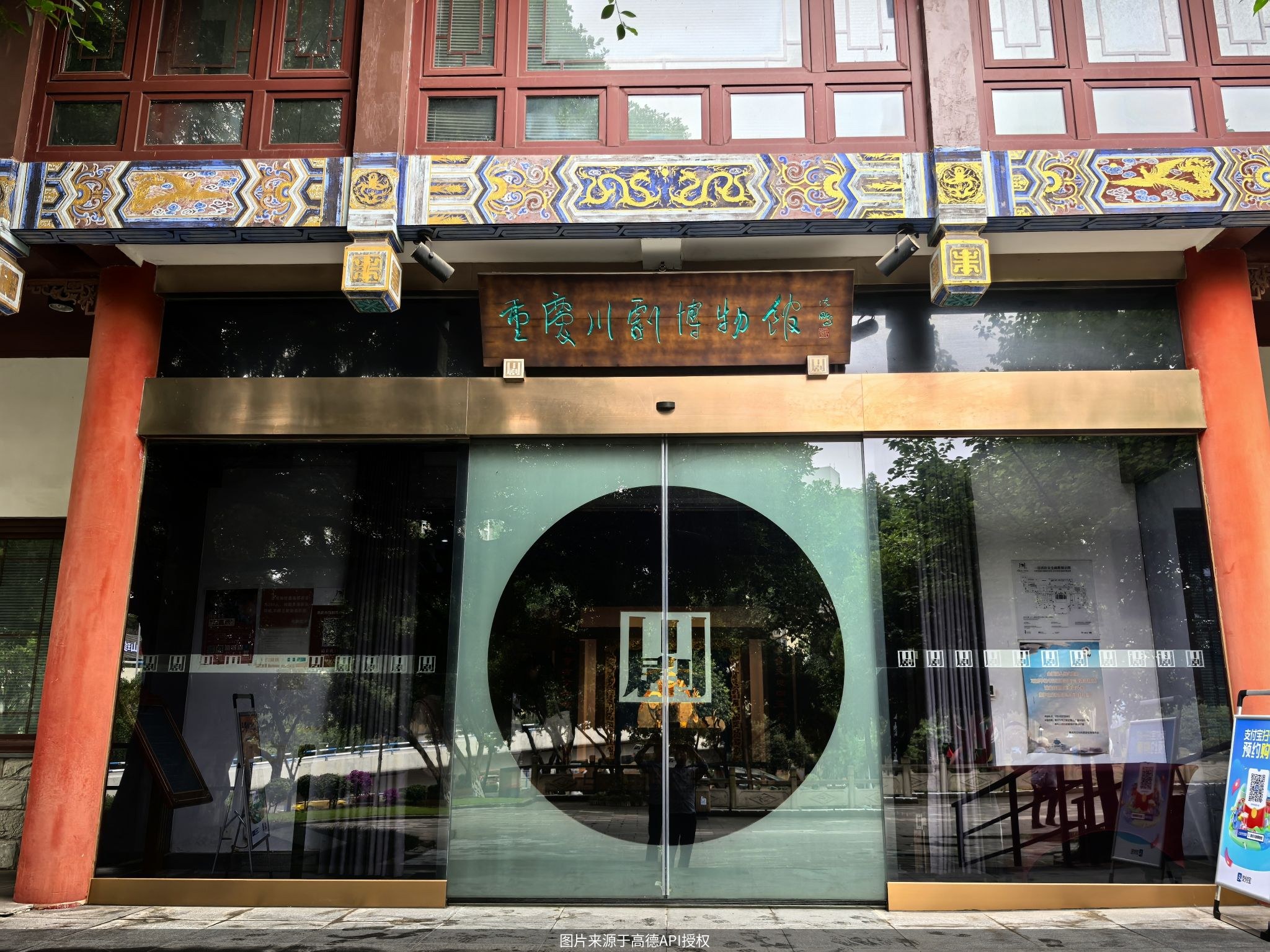
| 19:30 | Chongqing Sichuan Opera Museum: Face-Changing by Night |
The route, stop by stop
Luo Zhongli Art Museum: A Coat of Broken Tiles
The museum's facade is a mosaic of countless colored tile shards, laid by hand by the academy's teachers and students; in slanting sun the whole building wears a flowered coat. Permanent and rotating shows center on painters of the academy line, tracing the making of Luo Zhongli's famous Father in detail.
The museum hugs the Huxi campus of the art academy, itself an open-air gallery of murals, sculpture and field paths; with time to spare, spend half an hour among students who treat the whole campus as a canvas.
Chongqing Industrial Museum: Modern History in Rust
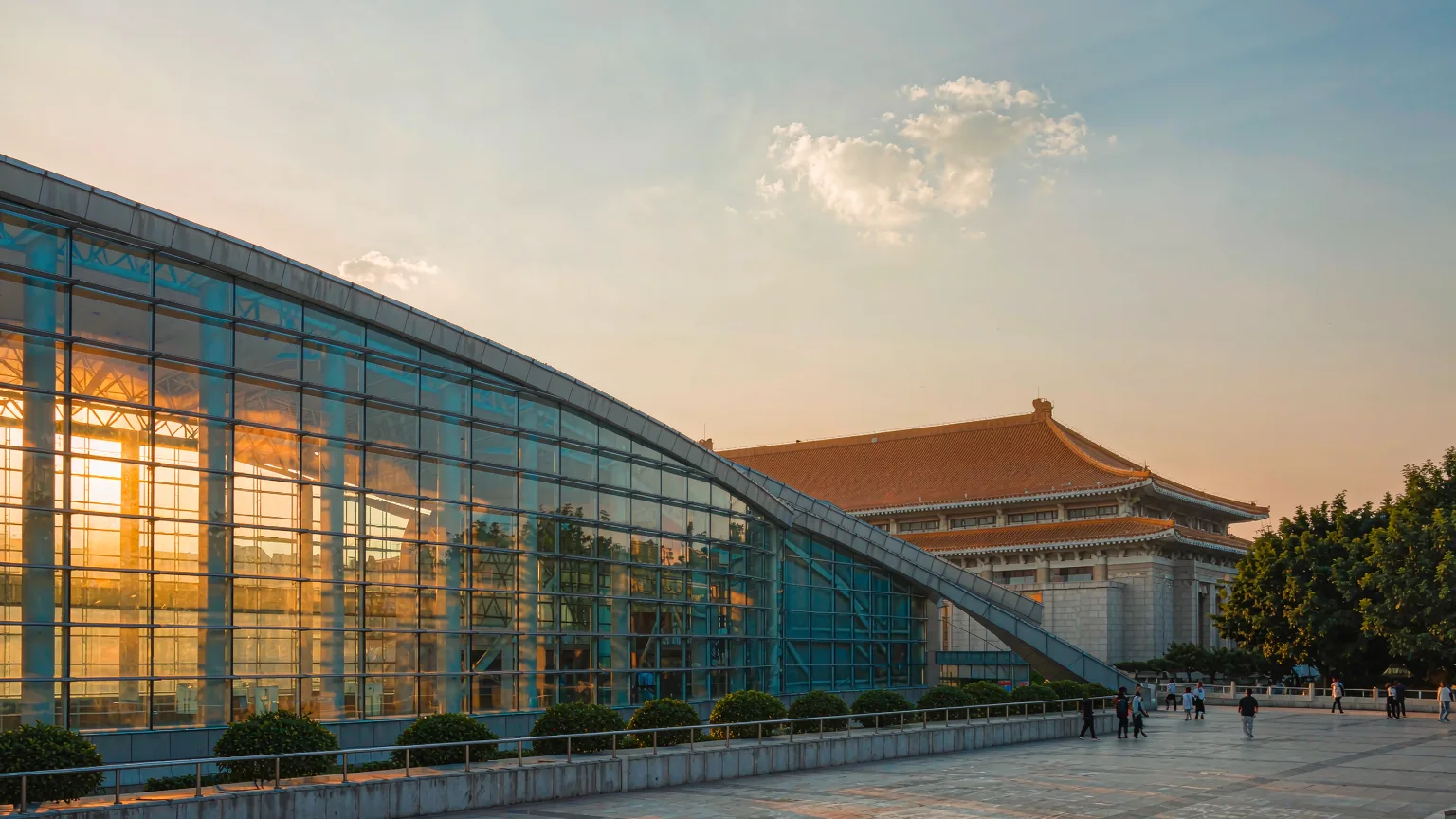
The museum occupies the old steel plant's section-mill site, with giant stacks, steam locomotives and rolling machinery displayed in place, rust as the dominant color. The skeleton of Chongqing industry, ordnance, steel and machinery, unrolls by decade: you look at machines and read a city's temperament.
The outdoor yard photographs harder than the halls, every furnace and pipeway a ready backdrop. Coming over from the university town at midday, you can let this century-long industrial narrative digest through the afternoon.
Huangjueping Graffiti Street: A Whole Street as Canvas
Huangjueping grew around the art academy's old campus, and the street's walls, from apartment blocks to corner shops, wear layer upon layer of graffiti, a rare whole-street painting. The street's old teahouse still pours lidded bowls at old prices; one cup buys an afternoon, another way to read the street.
The Huangjueping art museum stands beside the strip, so pair the walls with a cool gallery hour for the complete neighborhood. After four, slanting light brings out the walls' texture best.
Chongqing Sichuan Opera Museum: Face-Changing by Night
The finale belongs to Sichuan opera. The museum stages costumes, face patterns and old playbills, laying out clearly how five vocal schools merged into one tradition; if a program of highlights plays that night, a few dozen yuan buys face-changing and fire-spitting, whose heat you feel rows away.
Exhibition by day, performance by night is the ideal order; if no show runs, move the museum visit to daytime and compress Huangjueping, and the route still closes cleanly.
| Getting around |
|
| Budget | Venues are mostly free with ride-hailing the main cost, about RMB 100-200 pp; an opera ticket adds RMB 80-280. |
| Best time | Year-round with climate-controlled halls; several venues close Mondays, so check opening days before planning. |
FAQs
Is this route too scattered?
It is genuinely scattered: university town, Dadukou and Huangjueping each hold a corner, and transfers total around three hours. Either treat the rides as a city tour from the window, or cut the university town act and keep the industrial museum, Huangjueping and the opera house, which a half day covers without losing coherence.
Do the museums all need reservations?
The Luo Zhongli museum and the industrial museum are free year-round but often require official online booking on holidays and during special shows, so check notices a day ahead. The Huangjueping street and teahouse need no tickets; opera seats sell separately, best bought two or three days ahead for popular nights.
If I must choose between the opera show and the exhibits?
Choose the performance. Exhibits have cousins elsewhere, but face-changing and fire-spitting exist only in the theater, and the house sits near Jiefangbei, where a late-night snack follows on foot. Compress the exhibits to a half-hour sweep, focusing on the costume and face-pattern rooms.
Any etiquette for watching Sichuan opera?
Photography is generally allowed during face-changing and fire-spitting, though some plays ban it until the curtain call, so heed the in-house notices. The hall runs cold in summer, bring a layer; front balcony seats read the face patterns and gestures best, while the front two stalls rows can lose the fire acts behind heads.