 TripMyChinaJOURNEYS THROUGH REAL CHINA✦ AI Trip✦ Plan My Trip
English
简体中文
繁體中文
日本語
한국어
ไทย
Tiếng Việt
Bahasa Indonesia
Italiano
Español
العربية
Русский
Deutsch
Français
Bahasa Malaysia
TripMyChinaJOURNEYS THROUGH REAL CHINA✦ AI Trip✦ Plan My TripDali sits between the 19-peak Cangshan range and crescent-shaped Erhai Lake, home to Bai minority villages, wind-and-flower weather and some of China's most laid-back guesthouses. Rent an e-bike around the lake, sip Bai three-course tea, and understand why creatives have been relocating here for years. Made for slow travelers.
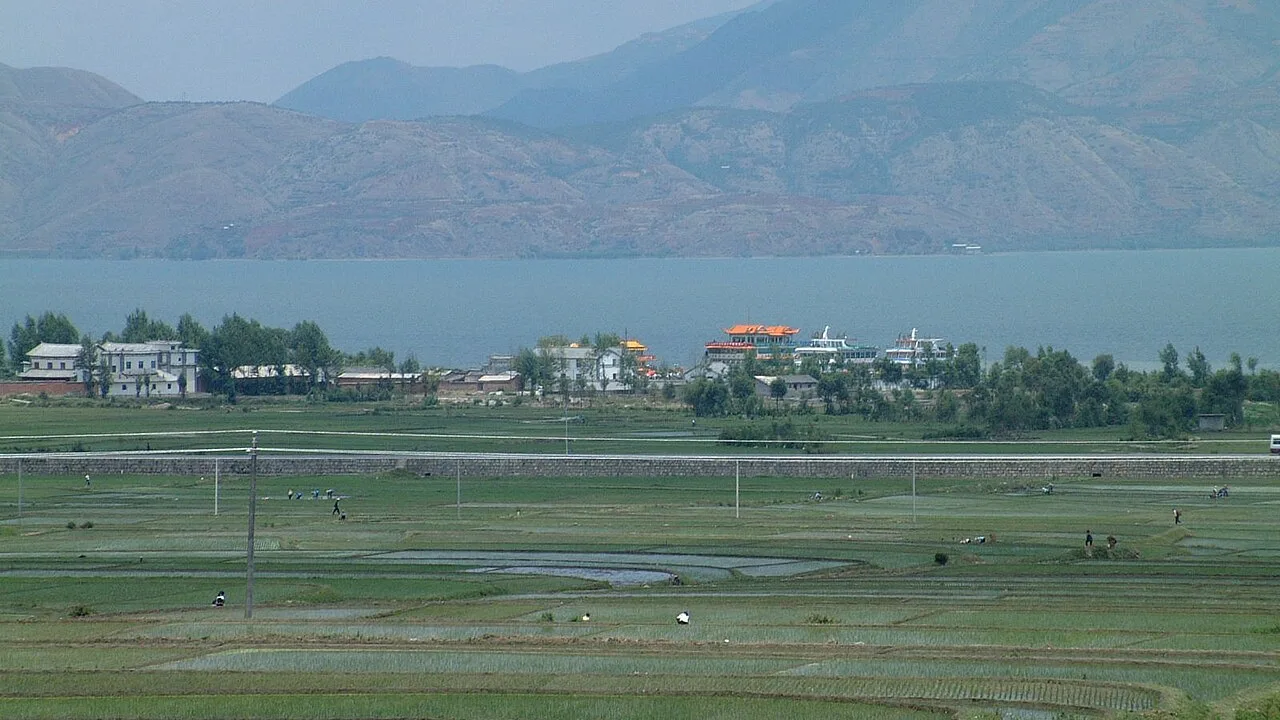
Dali, located in Yunnan Province, southwestern China, is a historic city that served as the capital of the Nanzhao and Dali Kingdoms over a thousand years ago. Nestled between the Cangshan Mountains and Erhai Lake, it has long been a crossroads of cultures, where the Bai ethnic minority's traditions blend with Buddhist heritage and a laid-back atmosphere that attracts travelers seeking both natural beauty and cultural depth.
The city is divided into the ancient walled town of Dali Ancient City, the modern administrative and transport hub of Xiaguan, and numerous picturesque villages scattered around Erhai Lake, such as Xizhou and Shuanglang. The Cangshan range rises to the west, offering hiking trails and panoramic views, while the lake's eastern shore is dotted with fishing villages and boutique guesthouses.
Visitors to Dali can explore the well-preserved ancient city with its cobblestone streets, visit the iconic Three Pagodas, cycle around Erhai Lake, or hike up Cangshan to see the famous Cloud Pass. The region's mild climate, vibrant arts scene, and delicious Bai cuisine make it a perfect destination for relaxation and adventure alike.
Dali covers an area of 2,946 square kilometers and has a population of approximately 610,000. It is divided into 1 district (Dali City) and 11 counties, with the ancient city being a major tourist attraction. The region is renowned for its well-preserved Bai culture and the scenic Erhai Lake, a UNESCO Global Geopark.
World-class, national and global recognition earned over the decades.
The mountain-lake pair has been a national scenic area since 1982 and a global biodiversity hotspot.
The seat of the Nanzhao (738–902) and Dali (937–1253) kingdoms for five centuries.
Dali is the cultural centre of the Bai people — architecture, tie-dye and the Third Month Fair.
A magnet for long-stay travellers, with lake villages, cafés and mountain trails.
Named in the first batch in 1982.
A 9th-century triple pagoda complex, the symbol of Dali.
Indigo resist-dyeing in Zhoucheng village, a national intangible heritage.

The moments that shaped the city — and the stories its people still tell.
Piluo's Nanzhao kingdom made Dali its capital and controlled the tea-horse trade routes.
Duan Siping founded the Dali Kingdom, which lasted 316 years and left the Three Pagodas and Chongsheng Temple.
Kublai Khan crossed the Jinsha River and ended the Dali Kingdom — the first step in the conquest of Song China.
The prefecture was established, with Dali as its capital.
Dali was named one of China's first 24 historical and cultural cities.
A princess who eloped with a fisherman is said to return as a cloud over Cangshan each winter, searching for him on the lake.
A young couple leapt into the spring rather than be separated; butterflies are said to gather there each spring.
The lake is shaped like an ear — hence the name 'Erhai' (ear sea).
Three paces, one city — every route built from places we actually operate.
Weather, crowds and the best months for what you want to see.
Mild and dry — the best season for cycling the lake.
Clear skies and calm water — the classic Dali light.
Rainy but green, with afternoon showers most days.
Sunny days with cold wind; the lake is at its clearest.
What this city is known for — the things worth planning your day around.
The places worth building a day around.
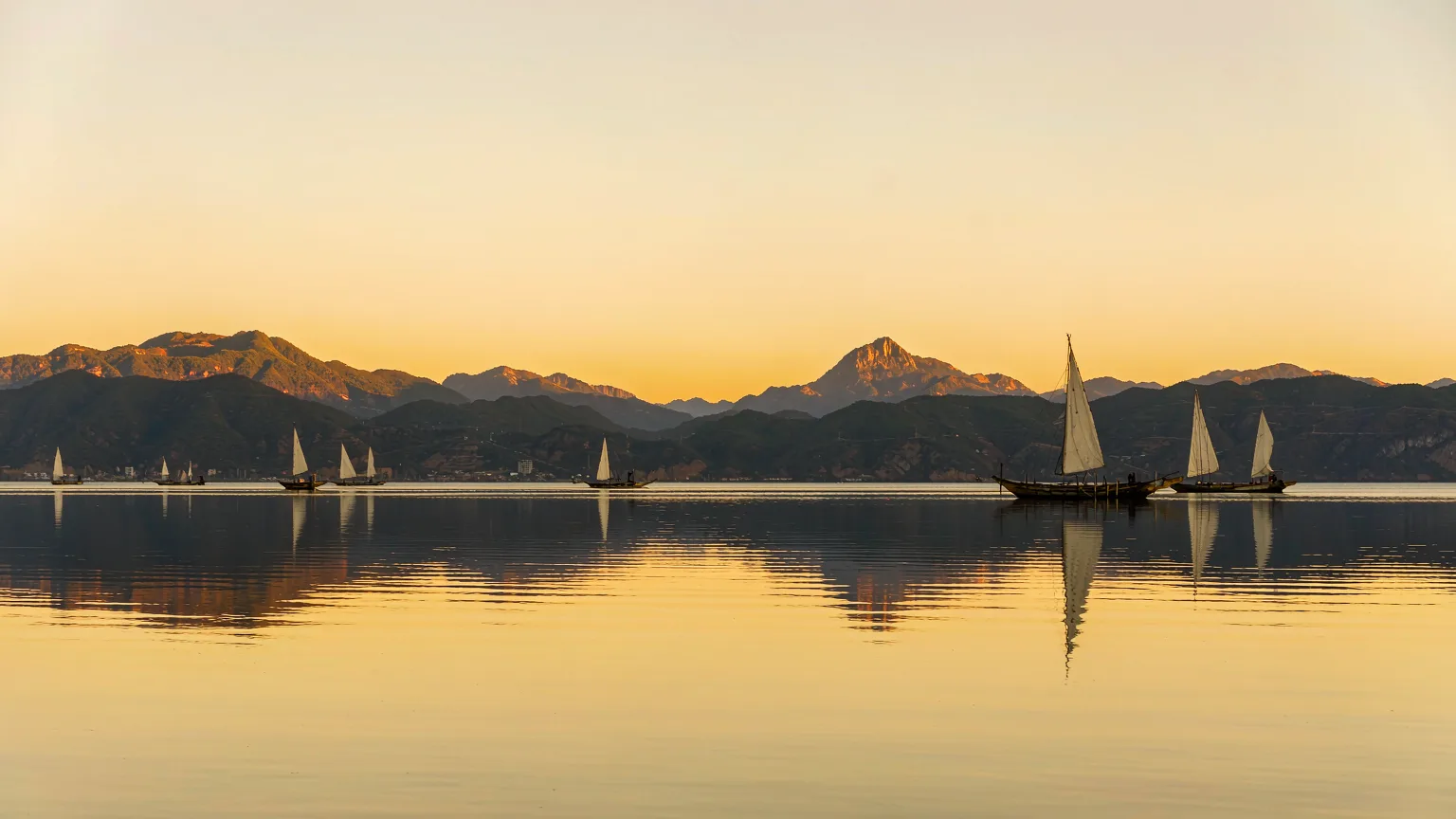
A 250-square-kilometre lake, 42 kilometres from north to south, with the Cangshan range along its west shore and a 129-kilometre path around the water
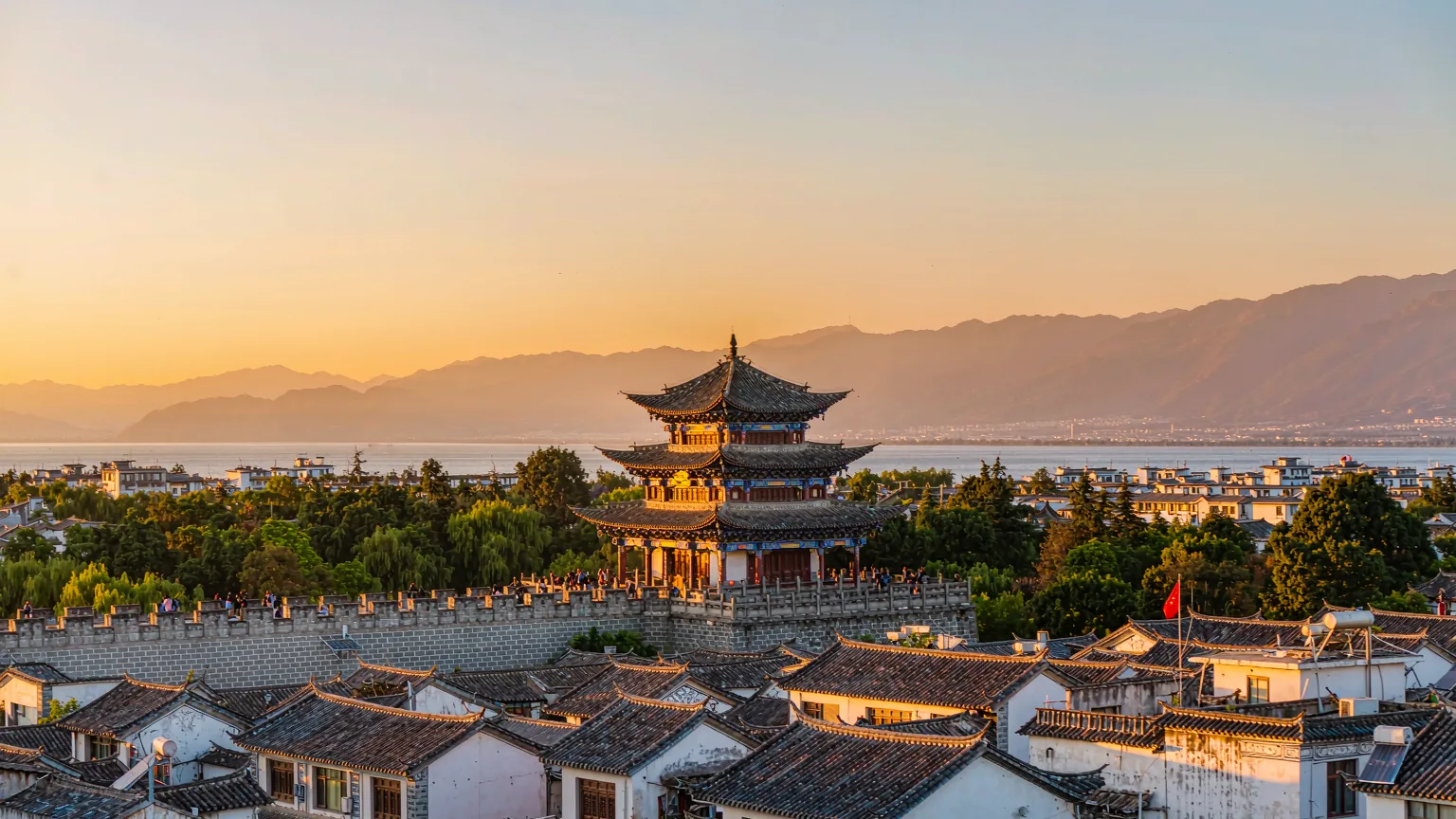
A Ming walled city laid out in 1382, one and a half kilometres square, with the west gate facing Cangshan and the east gate facing the lake. The walls
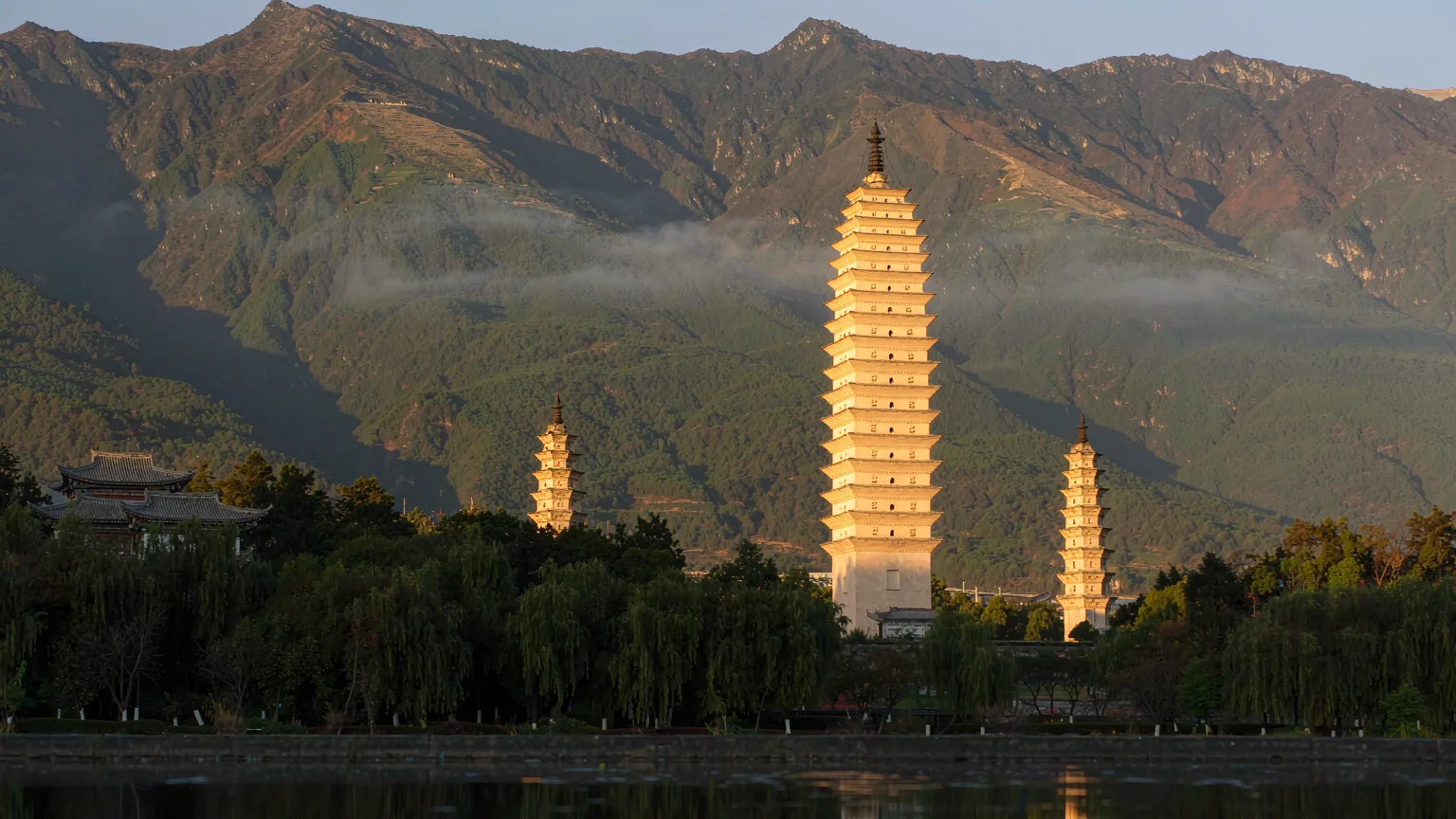
Three brick pagodas built between the ninth and twelfth centuries, the tallest 69 metres with sixteen storeys, standing in front of a temple that was
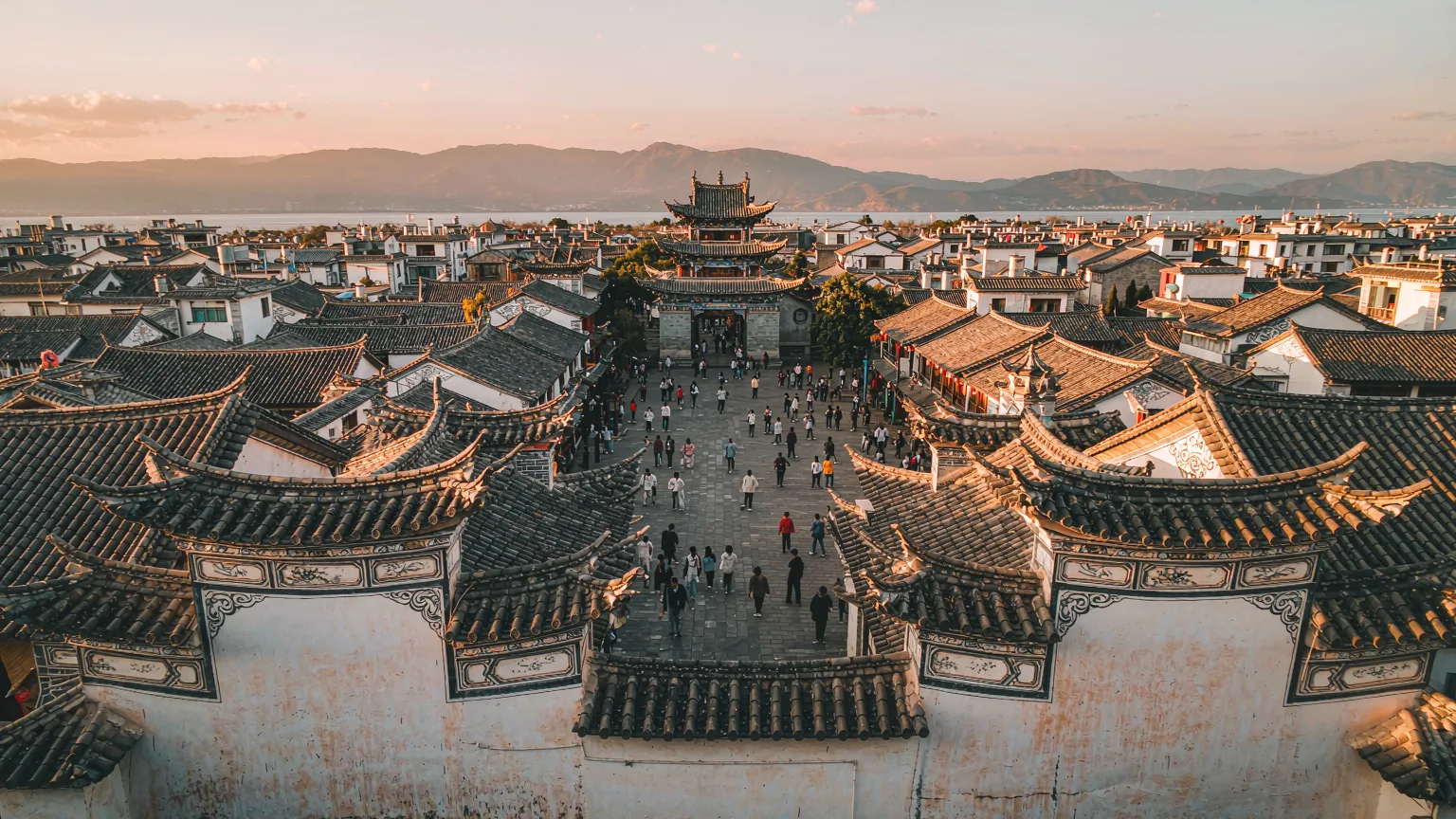
A Bai market town 18 kilometres north of Dali, with a morning market, a courtyard mansion built in 1907 by a tea merchant, and rice fields that run to
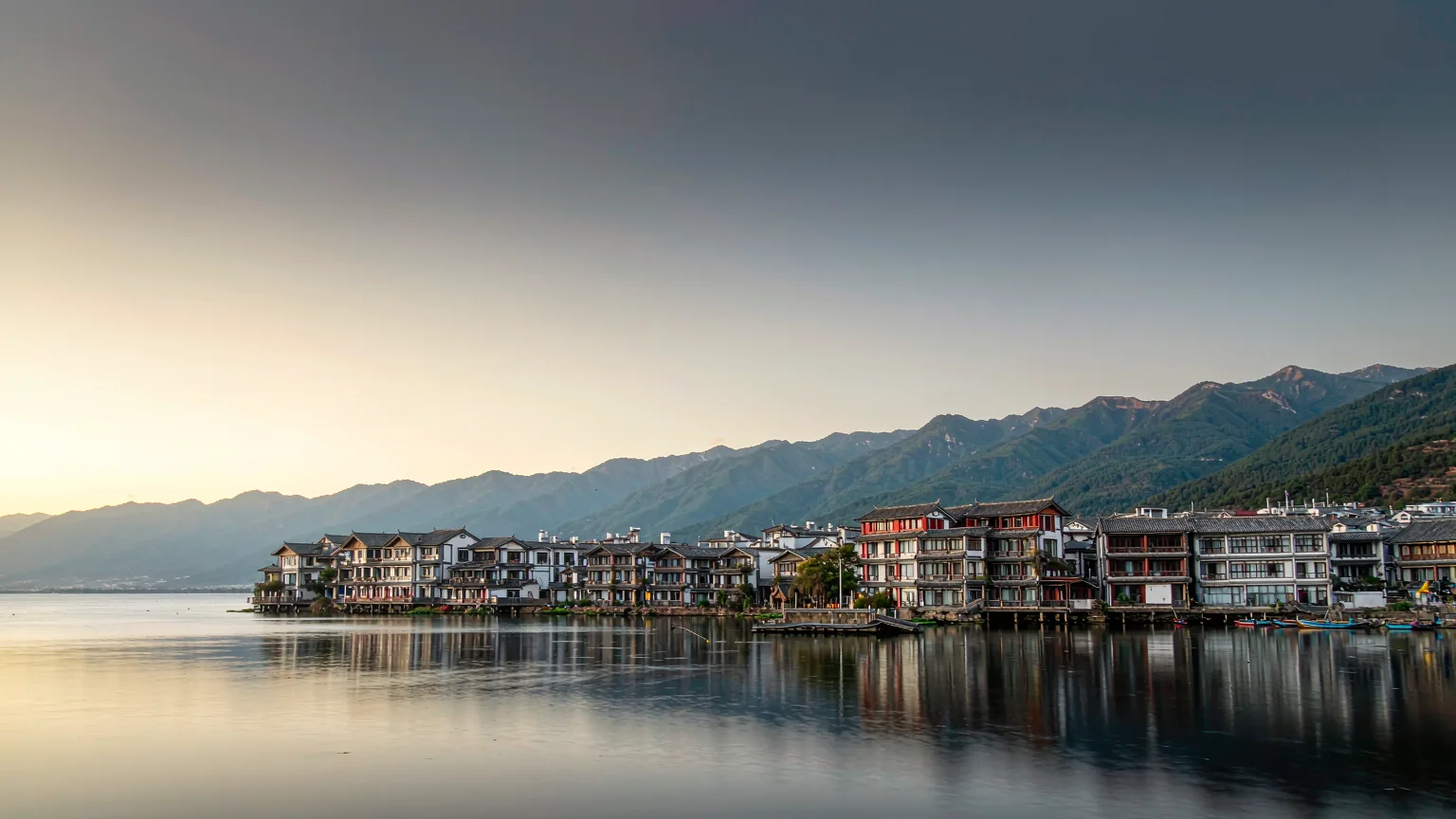
A fishing village on the east shore of Erhai that became the most fashionable address in Yunnan around 2013, was shut down almost entirely in 2017 for
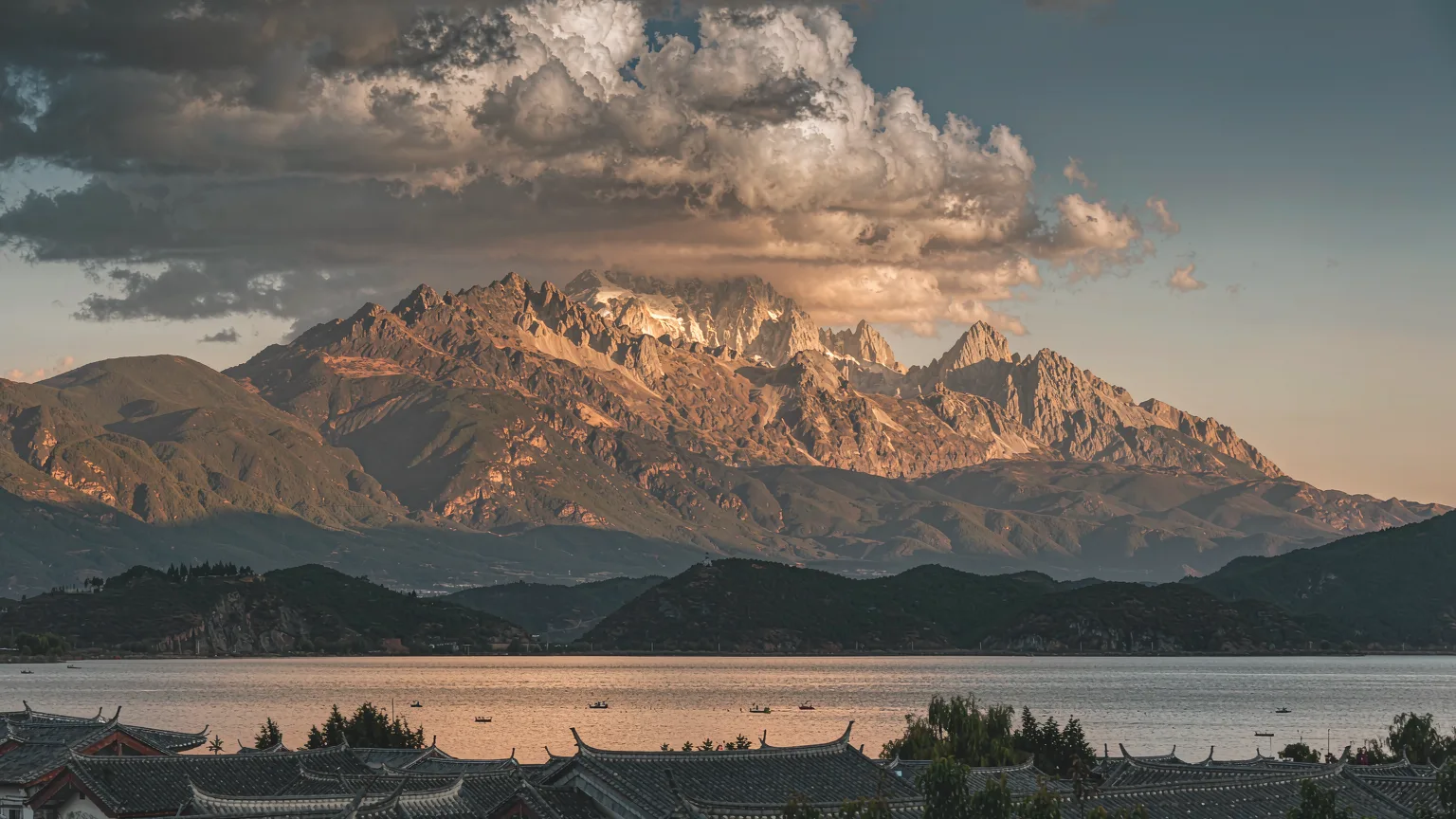
Nineteen peaks in a line above the lake, the highest at 4,122 metres, with a footpath running along the 2,600-metre contour for 18 kilometres. Three c
A little further out, for a spare half-day.
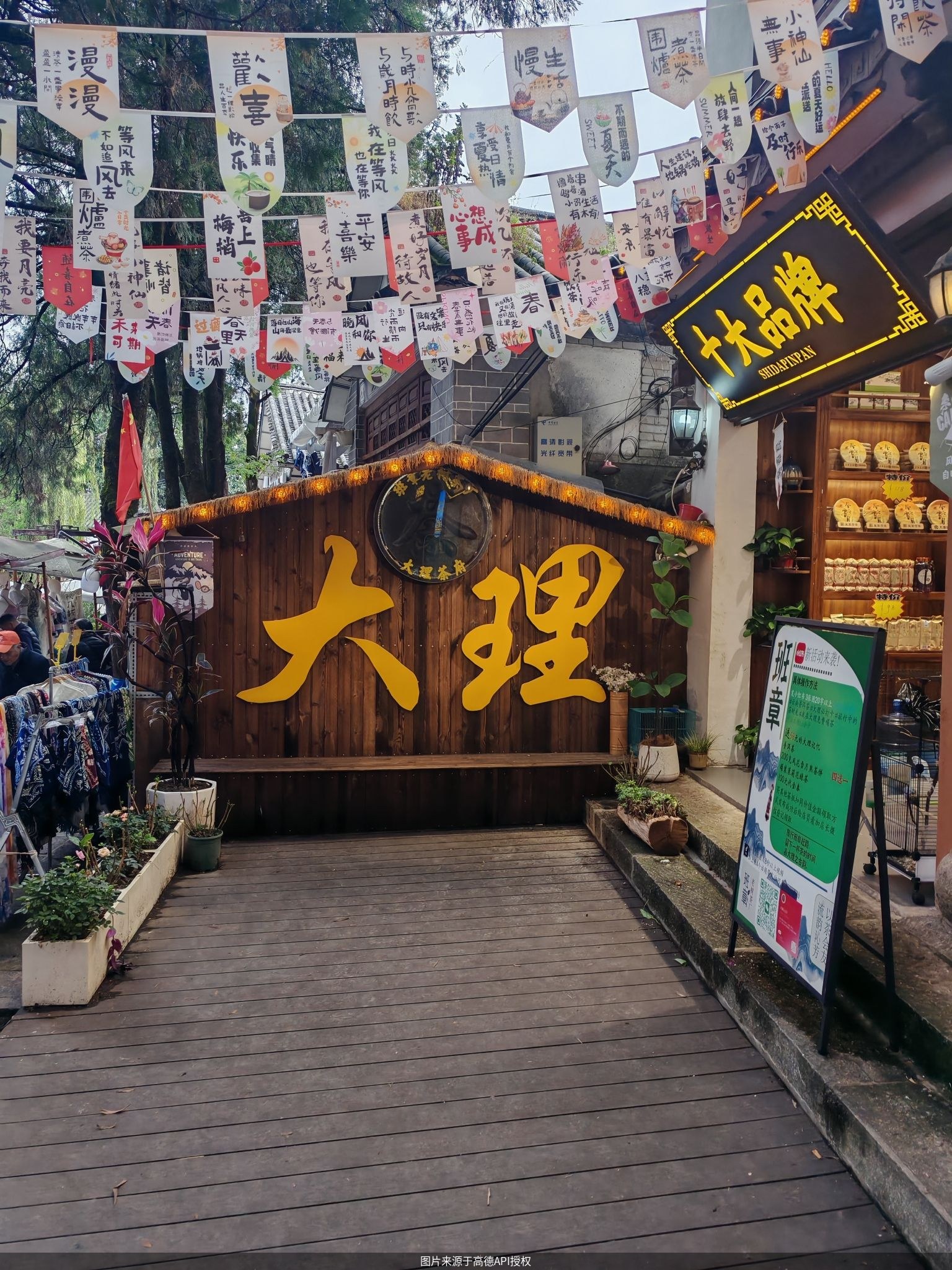
The main shopping street of the ancient town, lined with tie-dye, silverware, flower cakes and craft shops.…
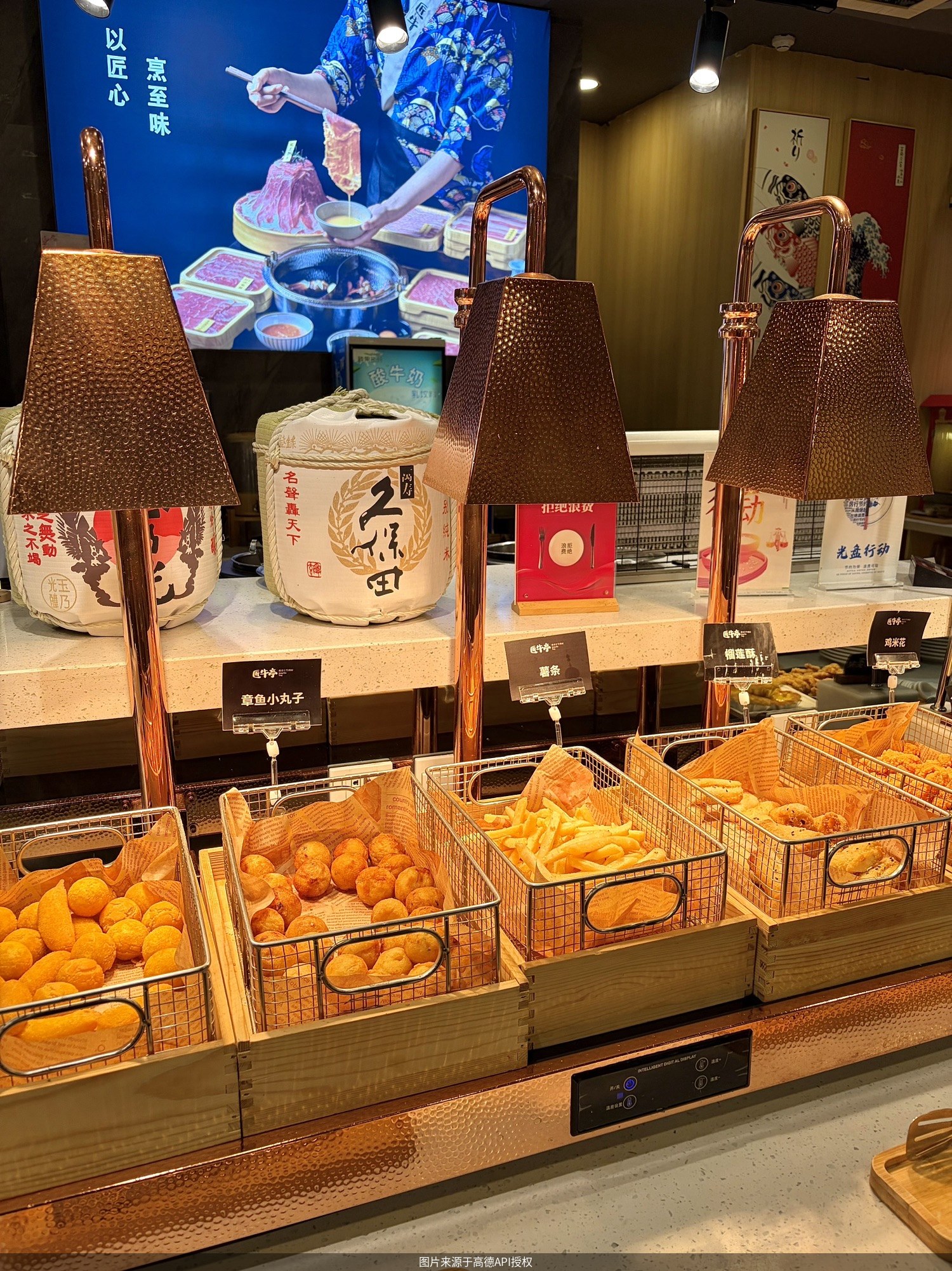
A large shopping mall in Xiaguan combining retail, dining, cinema and leisure with diverse brands. A popular…
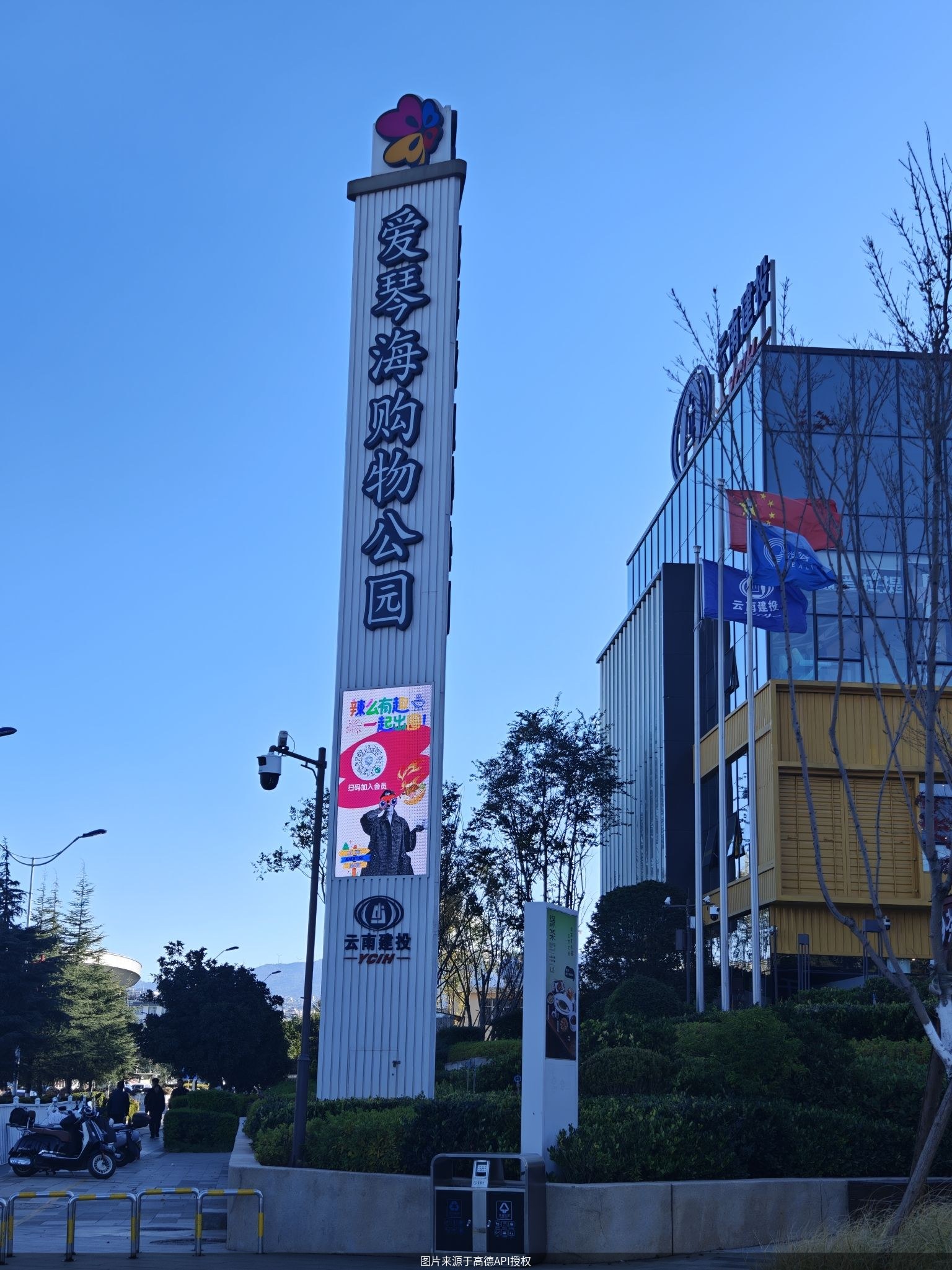
A comprehensive shopping park in Dali, blending retail, dining, family and entertainment in a modern setting.…
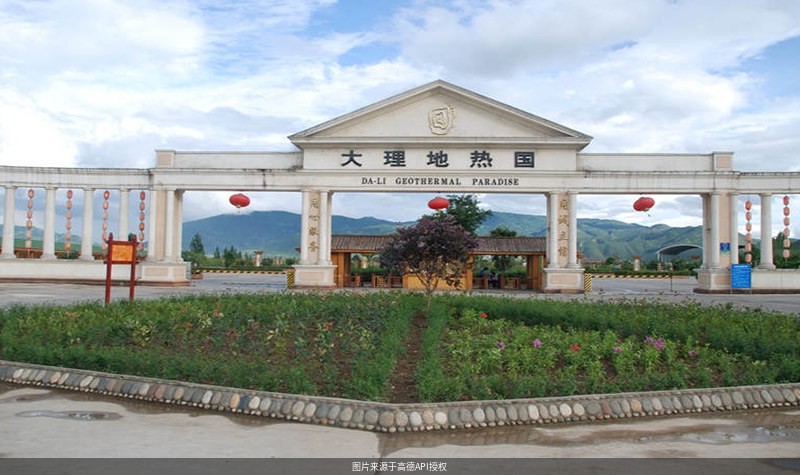
A large hot-spring resort in Eryuan with abundant thermal pools, swimming and resort facilities. Its…
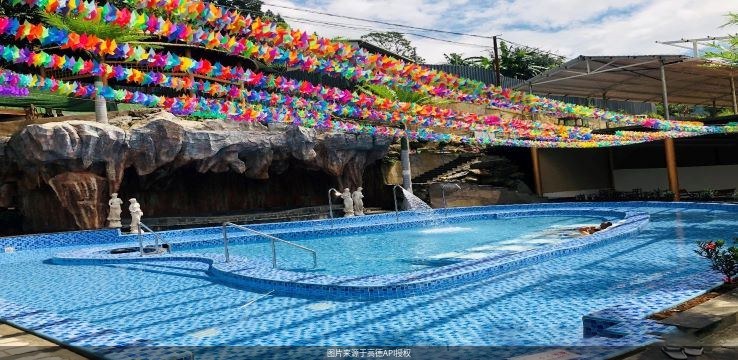
A leisure venue combining hot springs with a water park, offering thermal pools and play facilities. A great…
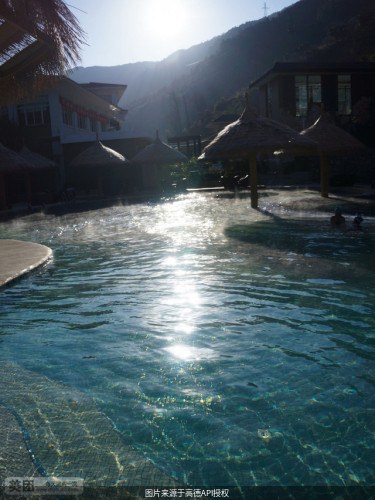
An urban hot-spring venue in Dali with varied pools and a tranquil setting. A convenient escape for soaking…
Museums, galleries and workshops still keeping old crafts alive.
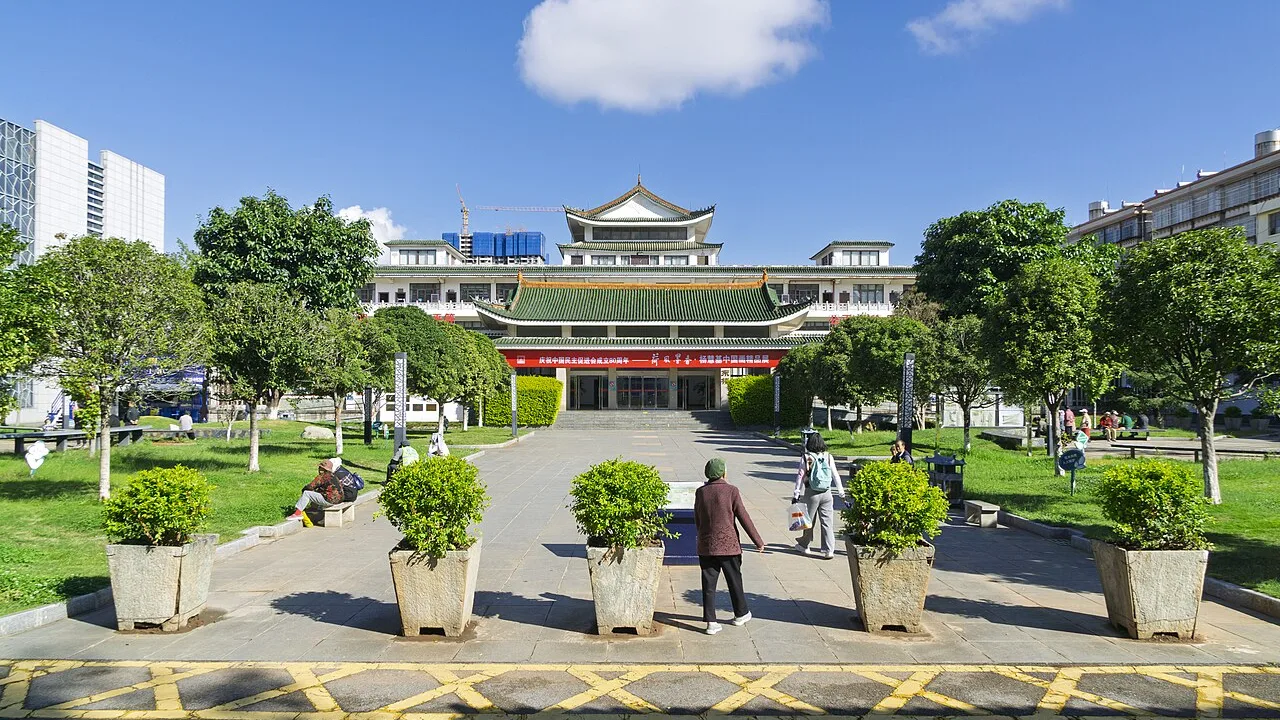
Dali Prefecture's largest public library, with extensive collections and dedicated reading and…
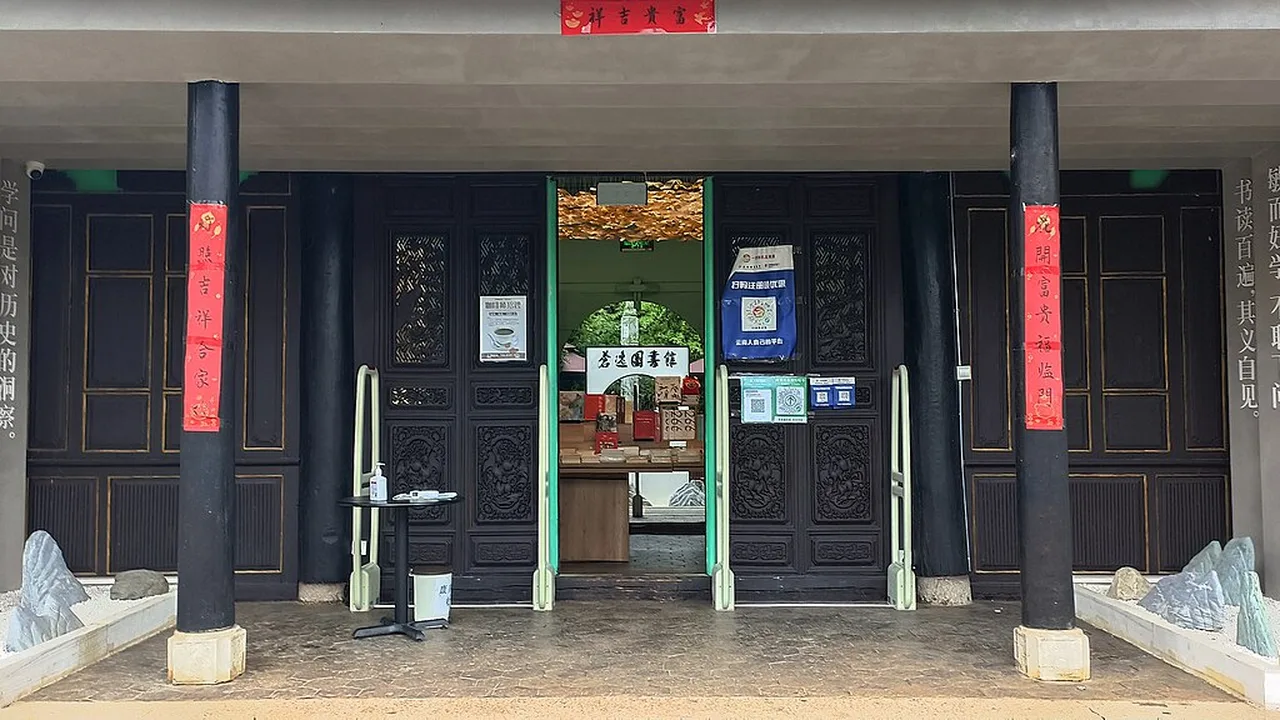
A distinctive library in Xizhou, housed in a converted heritage building with an elegant setting and…
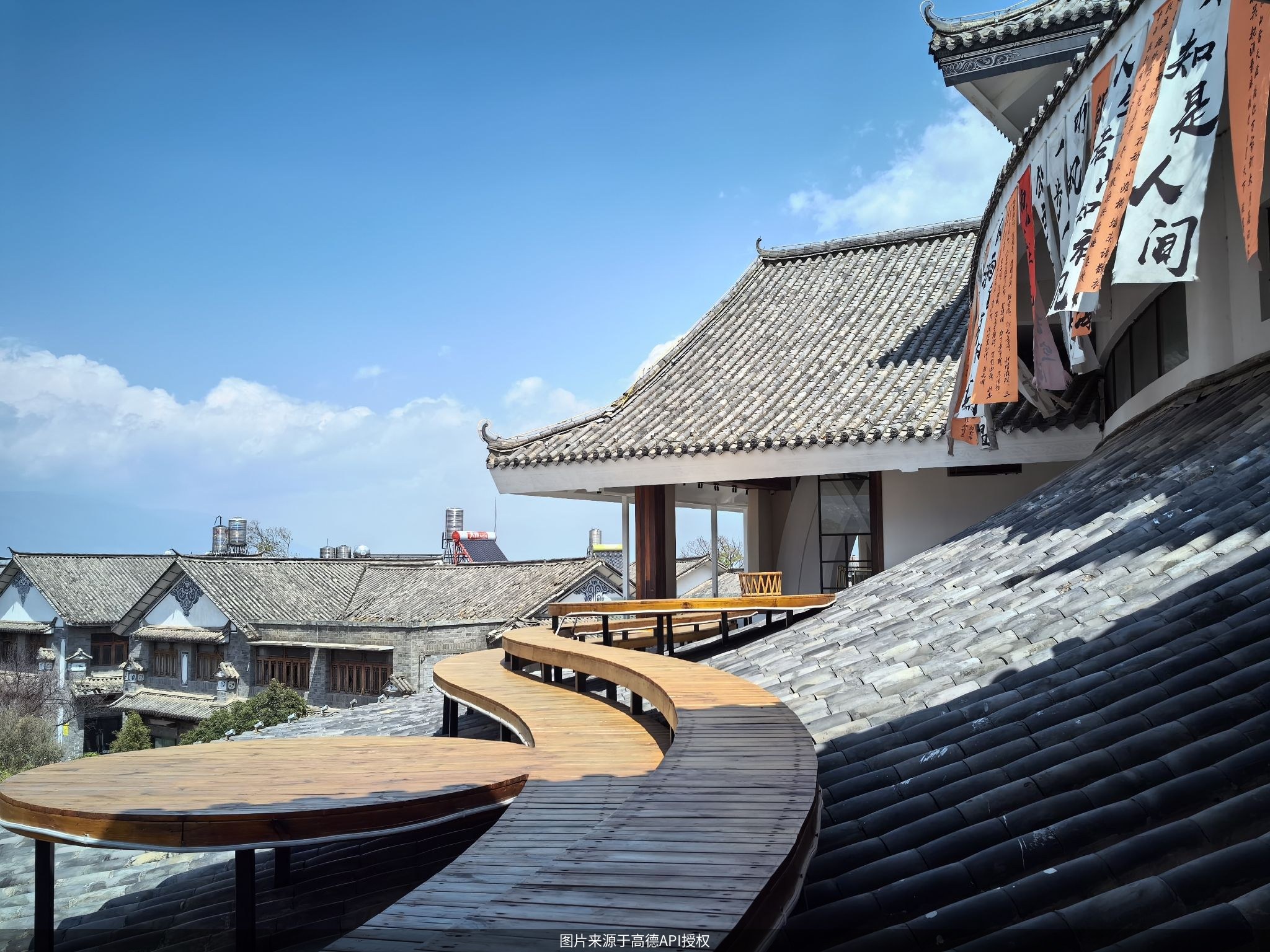
A contemporary art museum in Dali featuring local and international artists. Its modern, open space showcases…
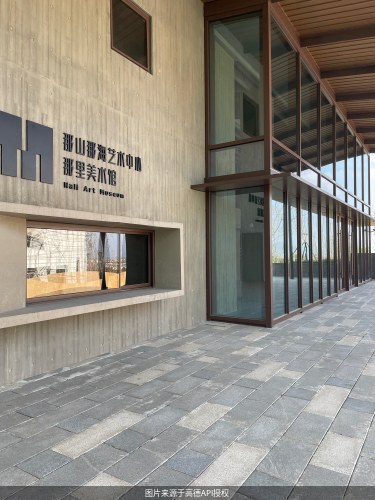
An arts centre between Cangshan and Erhai Lake, combining gallery exhibitions, residencies and cultural…
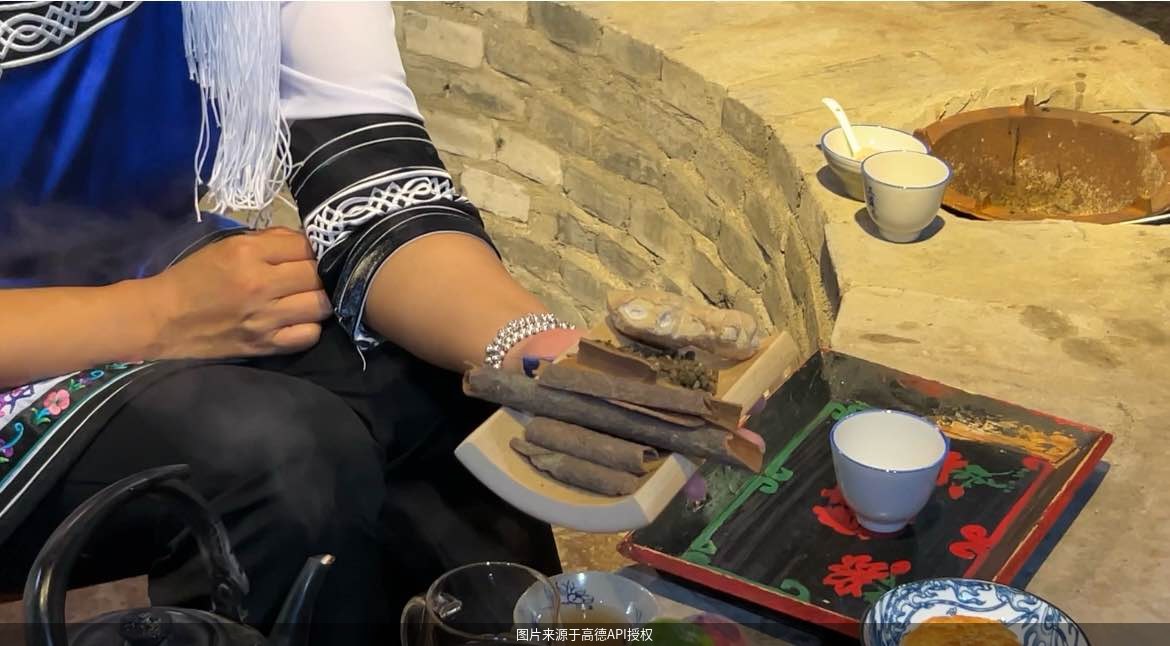
A traditional Bai hospitality ritual of bitter, sweet and aftertaste teas, symbolizing life's journey.…
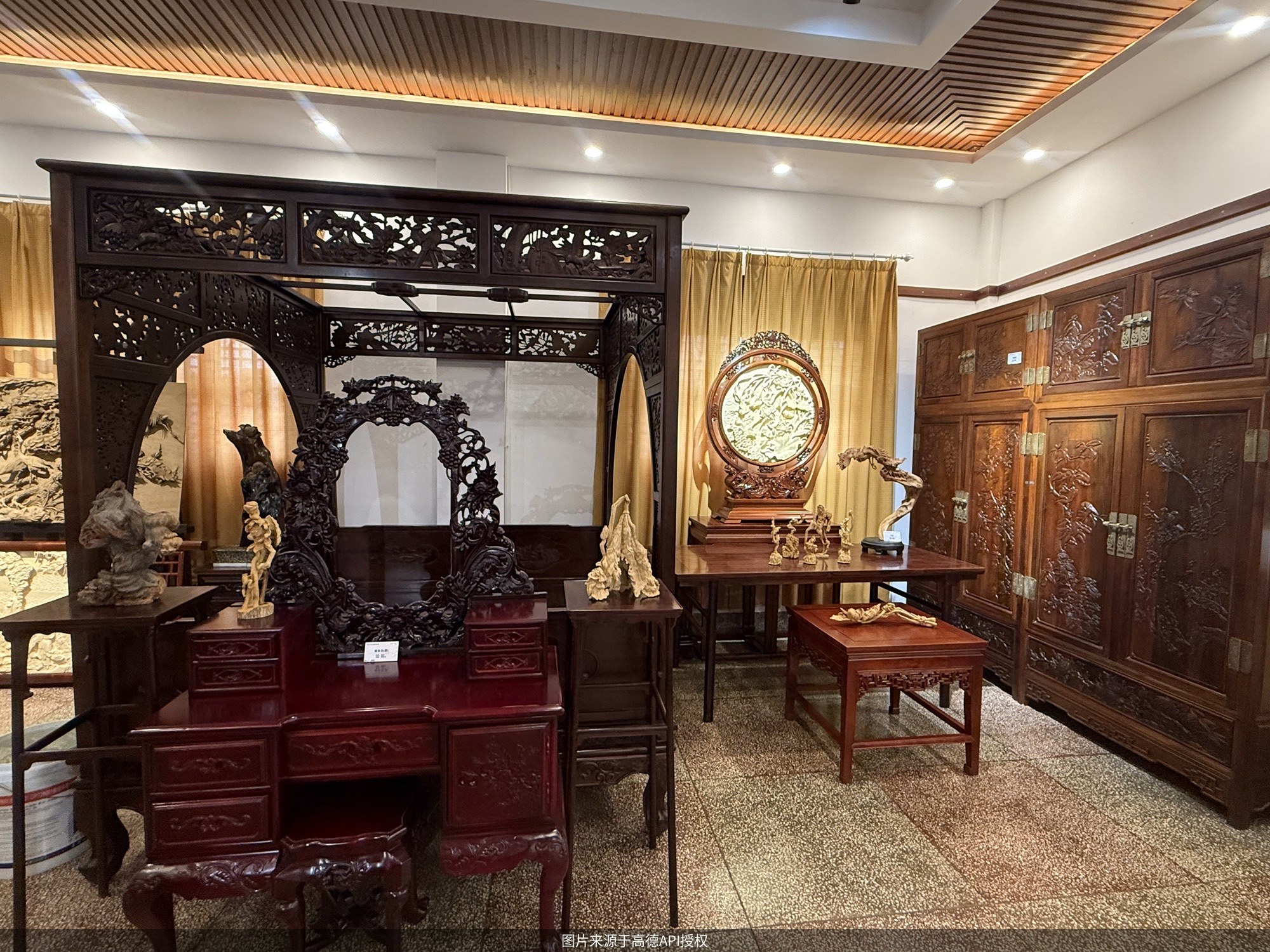
A national intangible heritage from Jianchuan, known for intricate carving on Bai doors, windows and…
What is on stage after dark.
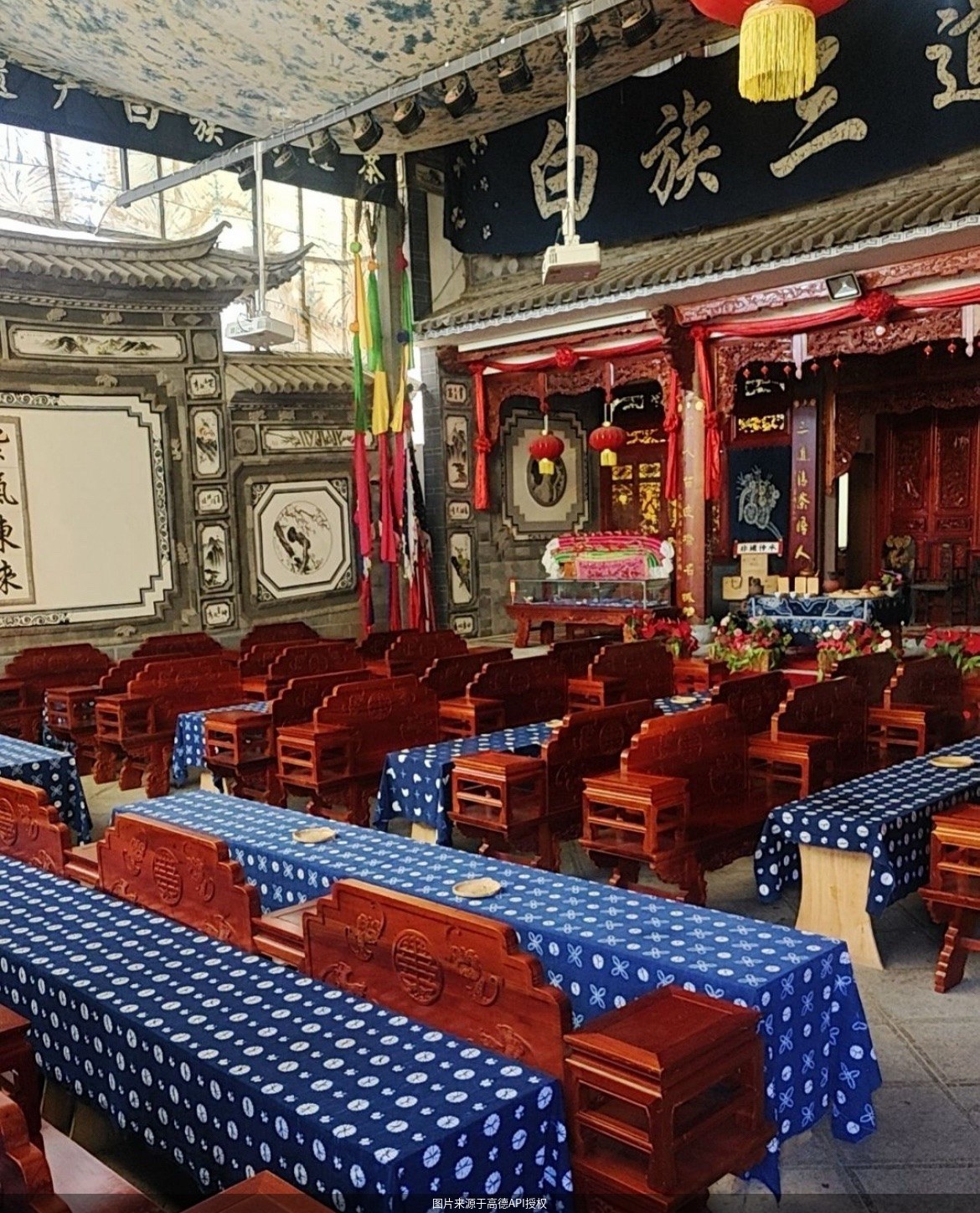
A performance of the Bai 'three-course tea' ceremony, moving from bitter to sweet to aftertaste, blending tea…
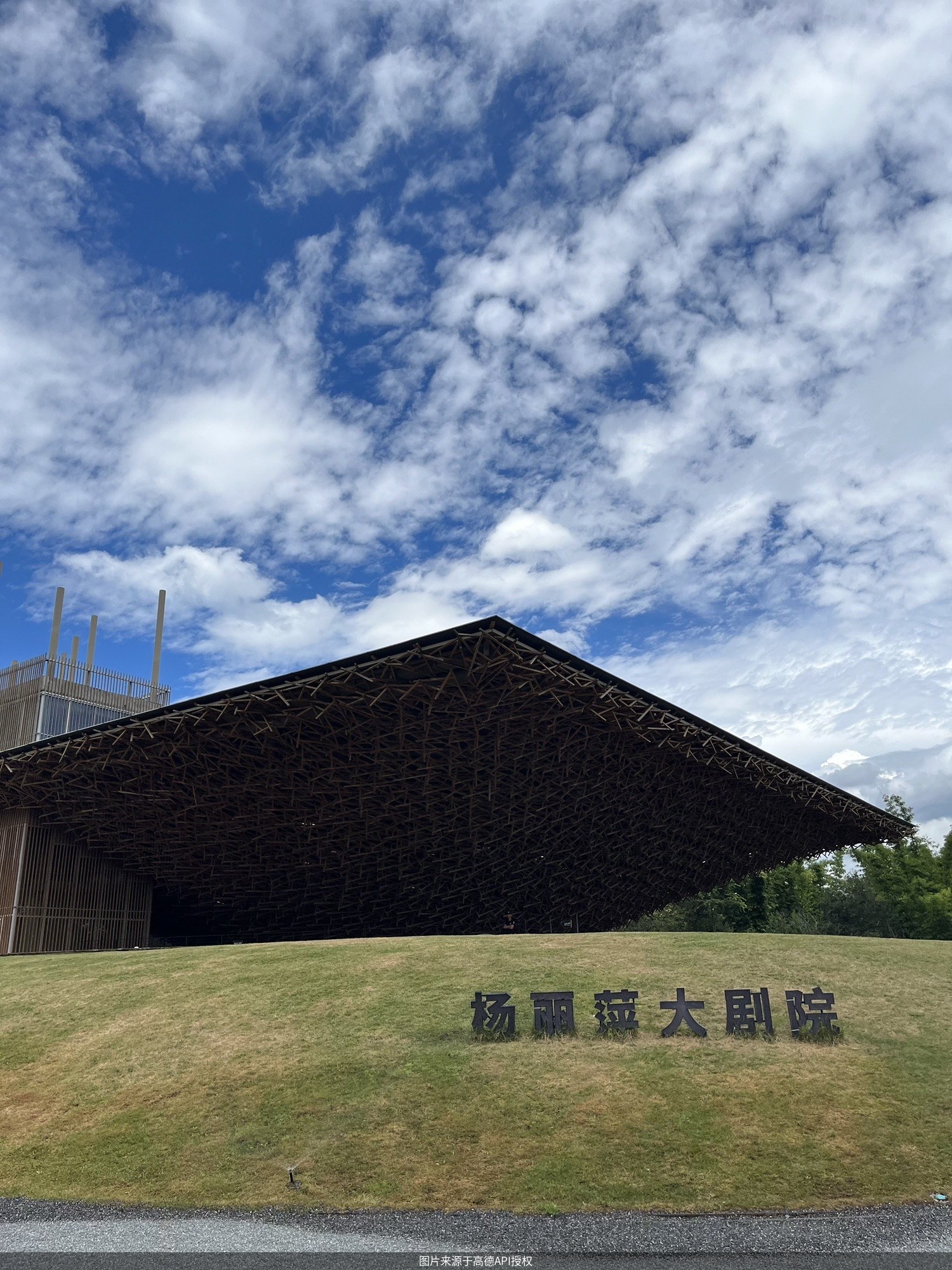
An arts theatre by dancer Yang Liping on the shores of Erhai Lake, modern yet ethnic in spirit. It stages…
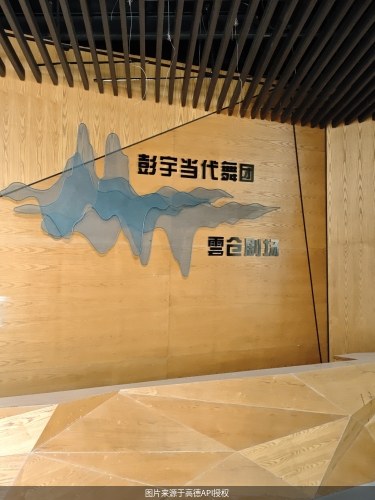
A contemporary dance theatre founded by choreographer Peng Yu, dedicated to modern dance creation. It…
Where the whole street eats — the city's most famous food streets, each with its own guide page.
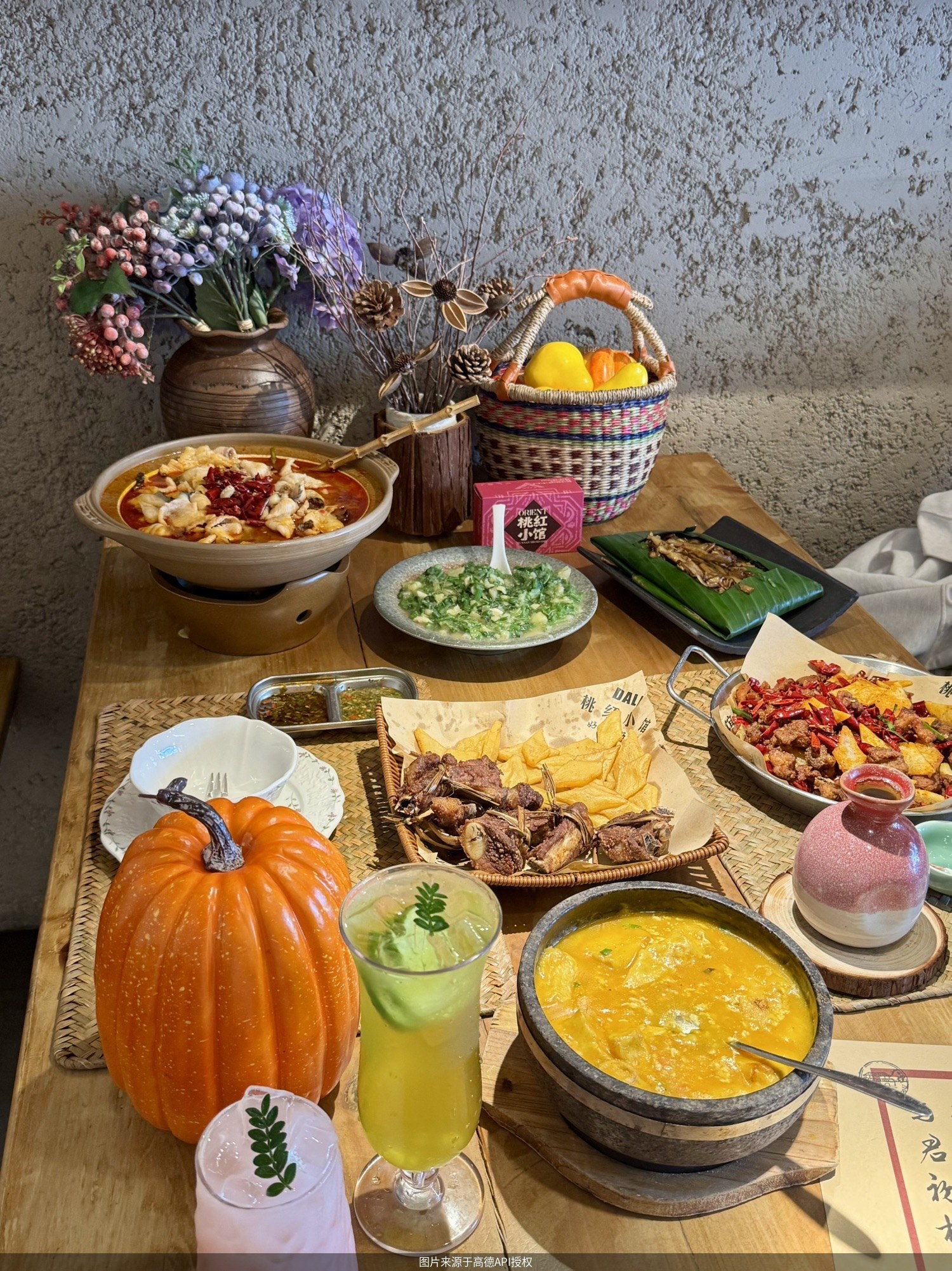
A popular eatery in the ancient town serving Bai and Yunnan home-style dishes, with sour-spicy fish and…
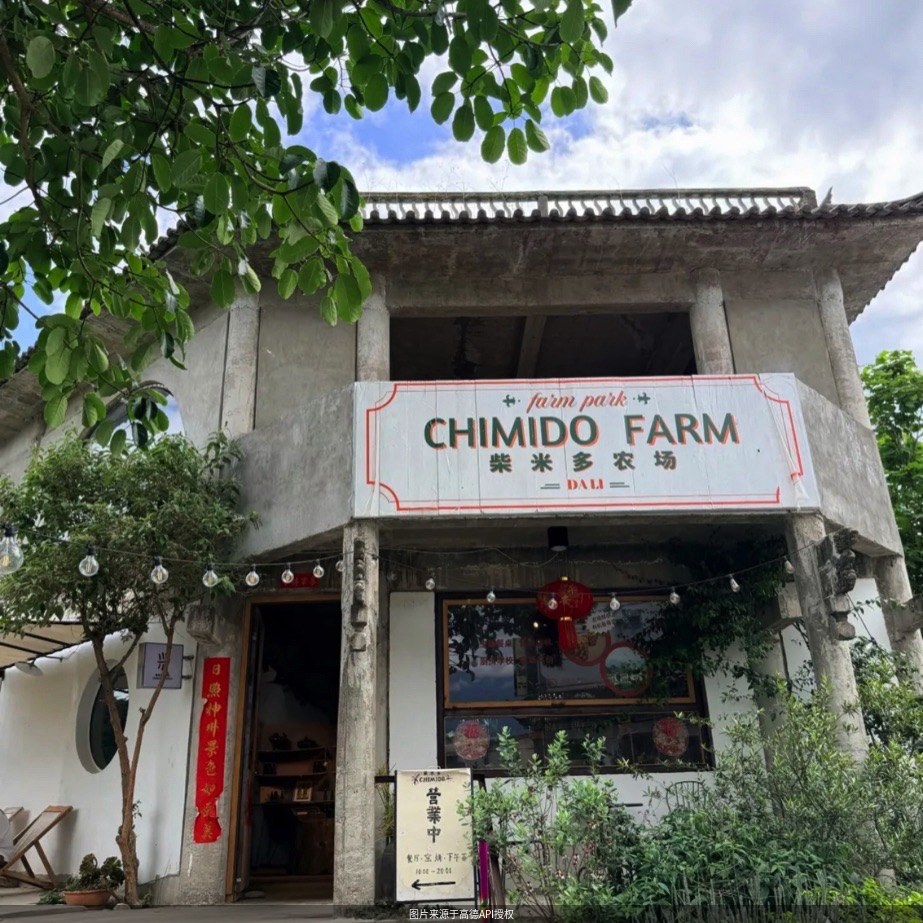
A farm-to-table restaurant sourcing fresh organic produce from its own farm. Dishes blend Yunnan and seasonal…
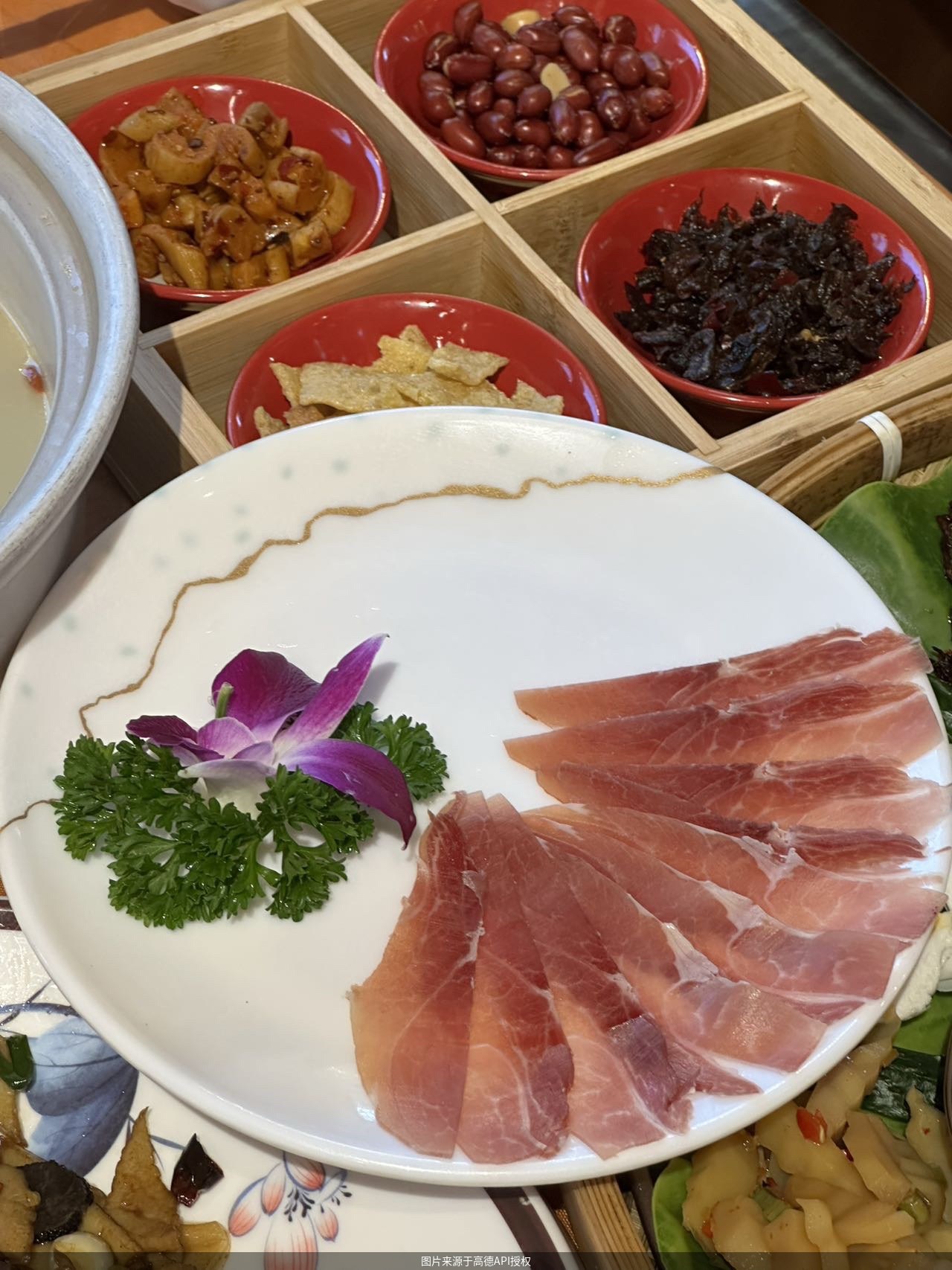
A celebrated wild-mushroom hotpot restaurant in the old town, featuring matsutake and porcini in a fragrant…
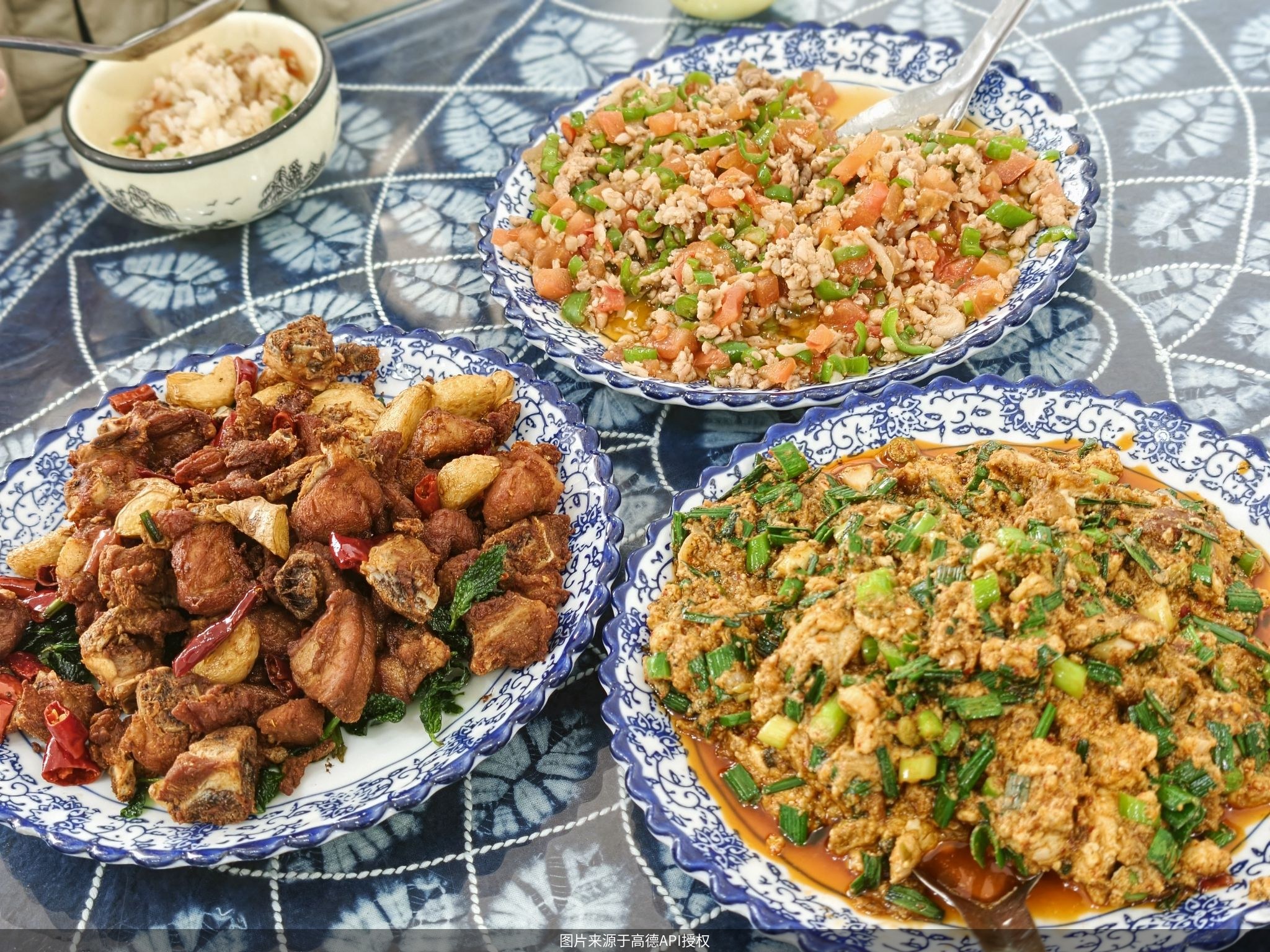
A restaurant serving Erhai fishing-village home cooking, known for sour-spicy fish and sea-vegetable taro…
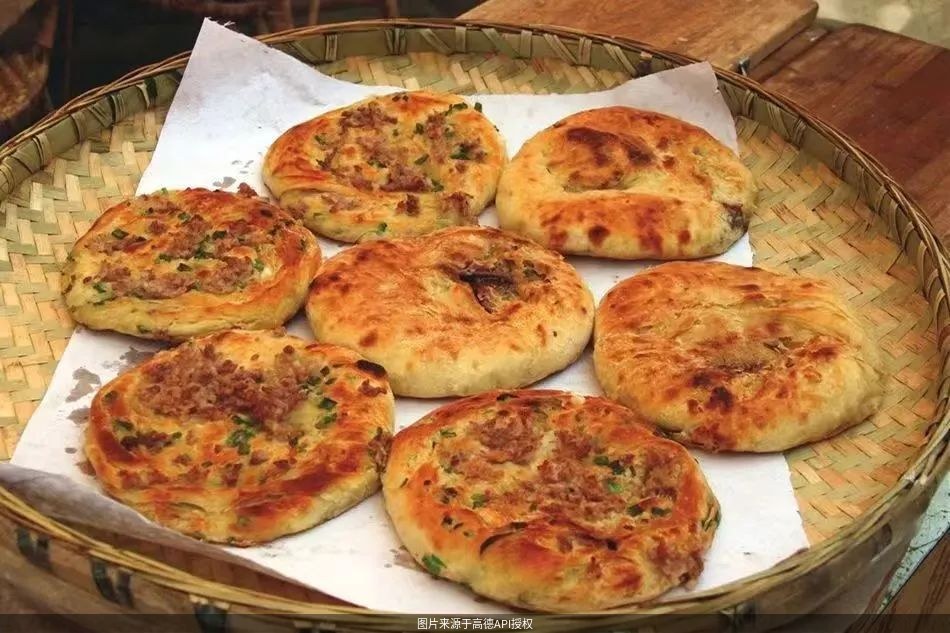
A well-known shop for Xizhou's signature crisp baba flatbread, freshly baked and flaky in both sweet and…
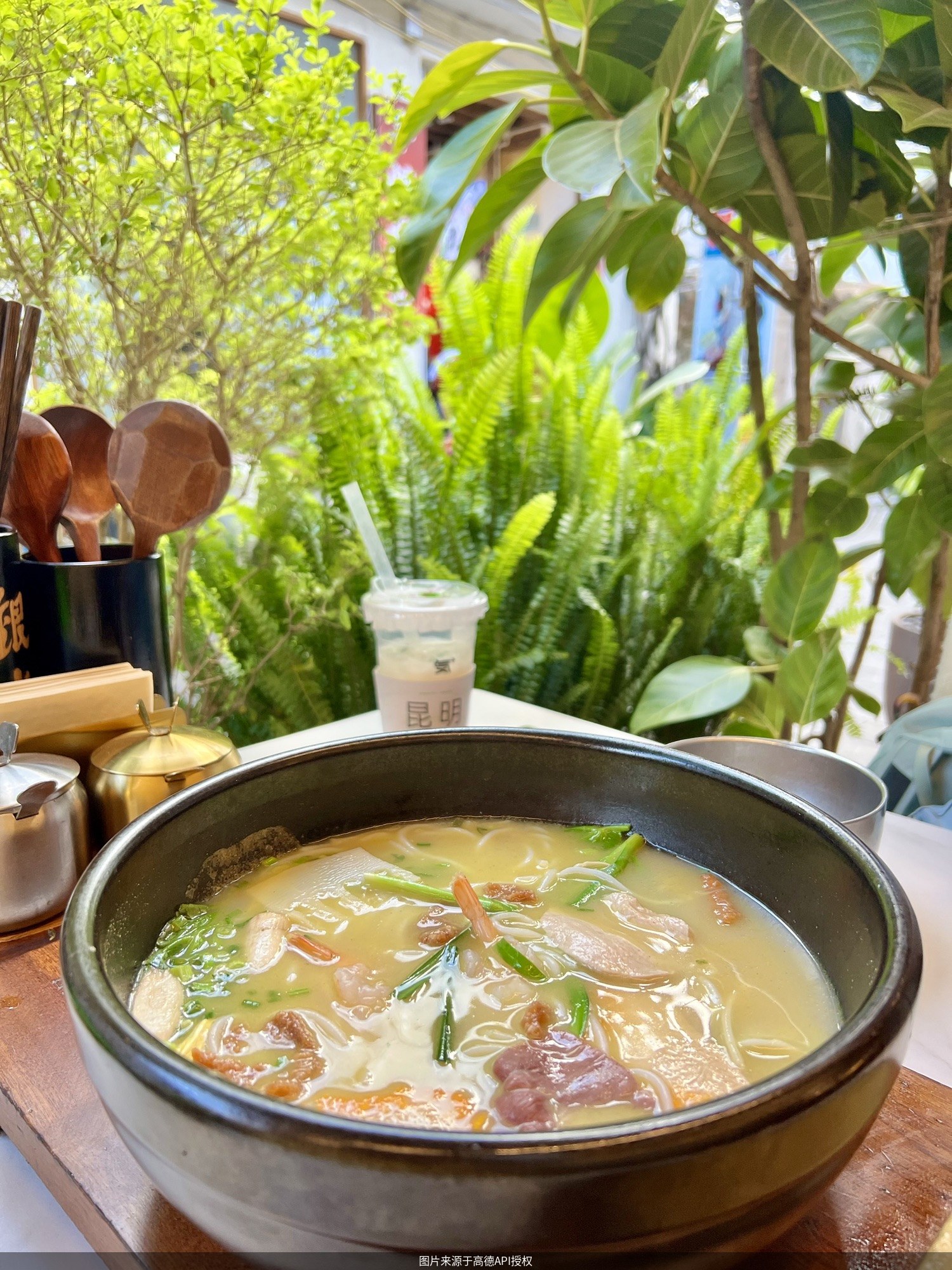
A rice-noodle specialist in the old town, focused on traditional technique and slow-simmered broth. An…
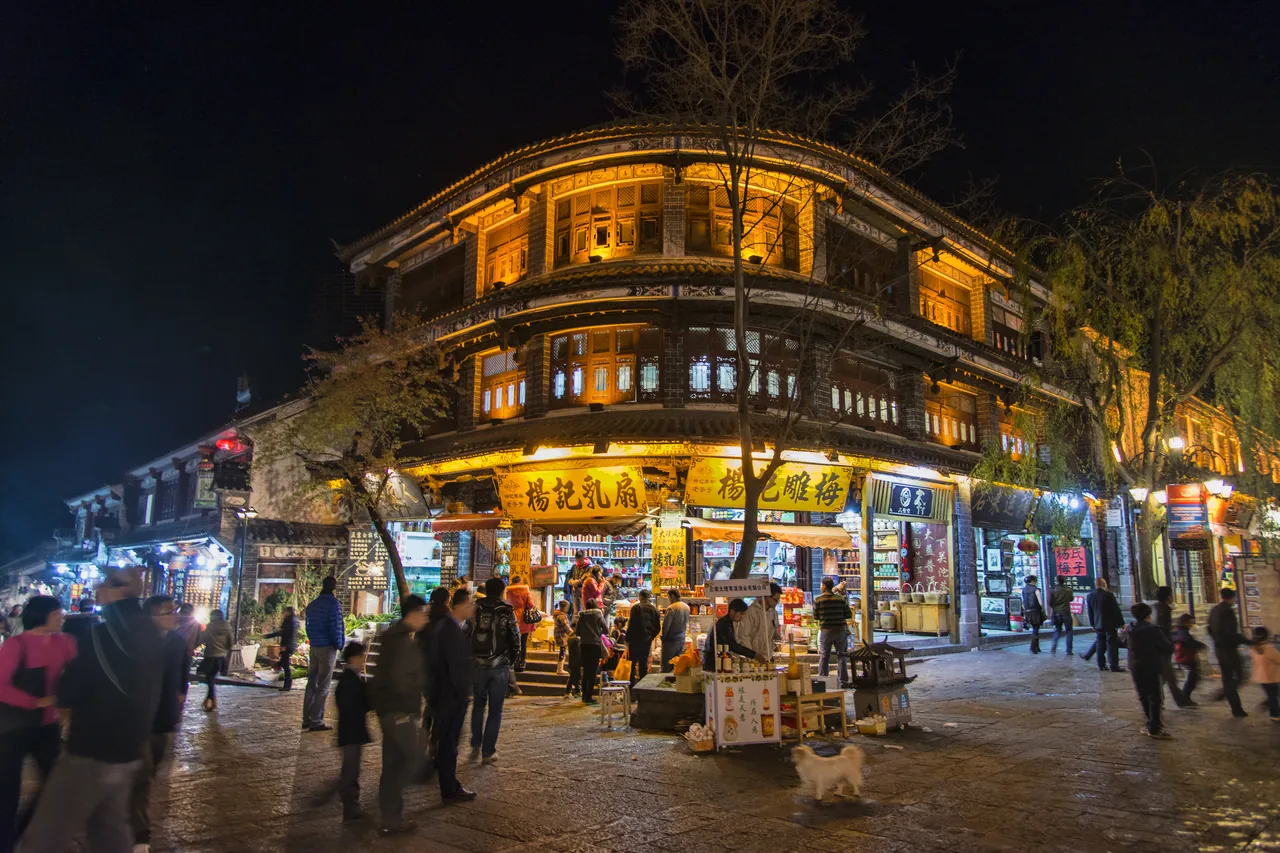
Small venues with live folk music and cheap drinks.
The old town's busiest night strip.
Beer on a Bai courtyard roof under the stars.
Grilled erkuai rice cakes and skewers.
Dali's nights are folk bars and rooftop beer — relaxed, not polished.
Listed sites and the crafts that made this city famous.
A 69 m main pagoda (9th century) flanked by two smaller ones — Dali's symbol.
A Ming-dynasty walled town laid out on a grid below Cangshan.
Indigo resist-dyeing with wax and thread — a national intangible heritage.
The finest surviving examples of Bai 'three courts, one screen wall' houses.
Indigo resist-dyeing producing blue-and-white patterns.
Courtyard songs and the stick dance performed at the Third Month Fair.
Timber frames, stone walls, and painted screen walls.
Fan-shaped stretched milk curd, grilled or fried.
Sour-fish hotpot from the lake's whitebait.
Floral embroidery on aprons, headscarves and baby carriers.
Senior licensed guides with 10+ years in the field and fluent English — deep on history, culture and local life.
Experienced licensed guides with clear English — solid on city highlights, food and day-to-day logistics.

Licensed guides with workable English — a good-value choice for city days, transfers and standard commentary.

Chauffeur-driven by the day, plus airport and intercity transfers.
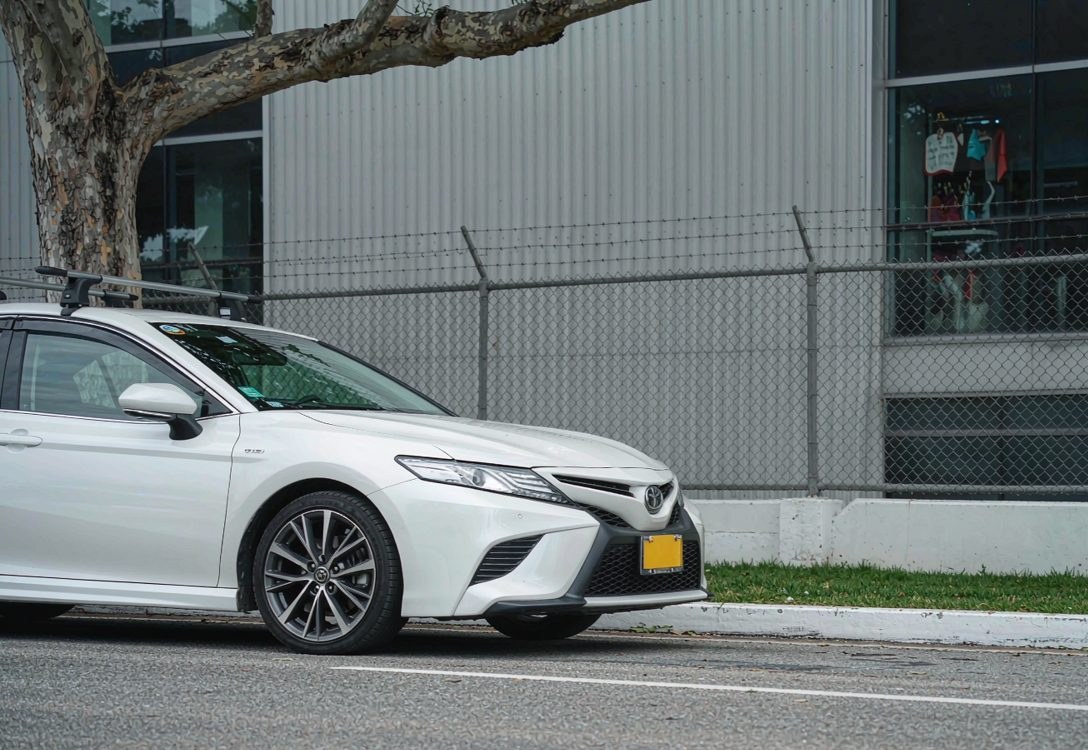


Private chauffeur-driven vehicles, priced per vehicle not per person. Airport transfer from $45; intercity transfer from $180.
Dali's main railway station, served by high-speed and conventional trains from Kunming, linked to buses and taxis. The primary rail hub into the city.
Dali's main civil airport, linking the city to Kunming, Chengdu, Beijing and other Chinese cities. The key air gateway to Dali and northwest Yunnan.
A wharf in Wase town on Erhai's east shore, used by cruise boats and fishing vessels. A stop along the eastern lake route with fine scenery.
Dali's main long-distance coach station, with routes across the prefecture and Yunnan province. A key terminal for road travel.
The main shopping street of the ancient town, lined with tie-dye, silverware, flower cakes and craft shops. Rich in Bai goods, it is the go-to for souvenirs.
A large shopping mall in Xiaguan combining retail, dining, cinema and leisure with diverse brands. A popular commercial complex for shopping and entertainment.
A comprehensive shopping park in Dali, blending retail, dining, family and entertainment in a modern setting. A popular destination for leisure and family fun.

10 guides split by trip length: one-day city routes, three-day escapes and longer journeys, with stops, costs and transport in each.
Walk the old town early, catch the pagodas against the Cangshan range at midday, spend t
Three DaysThree Nature Days in Dali: Cangshan, the Corridor and the East ShoreDay one up Cangshan for its vegetation, day two cycling the ecological corridor, day thr
Multi-DayDali in Five Classic Days: Mountain, City, Towns and Lake in One PassThe complete Dali, five days and four nights: the old town as base, Cangshan and the pag
Real routes, real travellers — a sense of what a trip looks like.
Most travellers spend 3 days here. Add a day for a side trip if you want a slower pace.
Spring and autumn are usually the most comfortable. Check the seasonal notes above before booking.
We arrange airport/rail transfers and private drivers. Tell us your arrival point and we plan the connection.
Send an enquiry and a human expert replies within 12 hours with a draft plan and real prices. Flexible rescheduling; clear cancellation terms in your quote.
2-day private itineraries in Dali start from $590 per person, two travelling together. Your proposal itemises hotels, tickets, guide and car — no hidden fees.
Dali is slower and more lived-in; Lijiang is more dramatic with the snow mountain. Many travellers do both, two hours apart by train.
It is about 120 km — doable for strong cyclists but rushed. Most people split it into two days and stay in Shuanglang.
March–May and September–November — dry, mild and clear. July–August is the rainy season.
Recent listed prices: Erhai Lake free; Dali Ancient City free; Three Pagodas of Chongsheng Temple ¥75; Xizhou Ancient Town free; Shuanglang Ancient Town free. Ticket prices change seasonally — we confirm them in your quote.