
Daocheng's scenery is famous and its culture often skipped, yet the pagoda, the monasteries, the mani piles and the people circling them are where the name Shambhala comes from. Three unhurried days link the county town, the Sangdui line and Yading, scenery included but half your attention kept for the people who live here.
The rhythm matters: day one drifts through the county town and Sangdui to adjust to altitude, day two enters Yading with educated eyes, and day three walks Yading village slowly before an evening show back in Shangrila Town. Charters plus buses, never pushing the body.
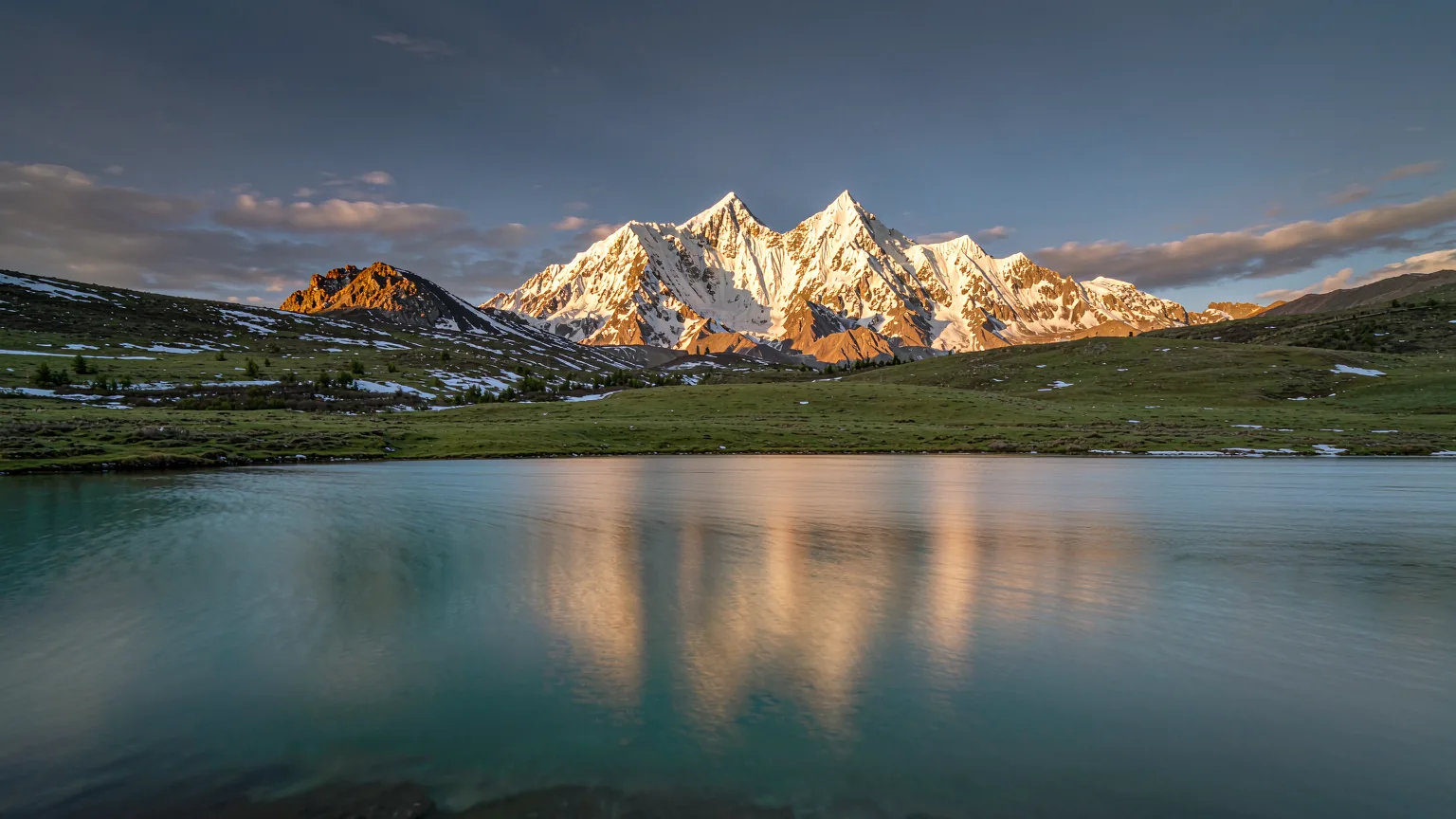
Itinerary at a glance
| D1 09:00 | Daocheng White Pagoda: First Lesson in a Stupa Forest |
| D1 11:00 | Shambhala Culture Museum: Footnotes for the Monasteries Ahead |
| D1 14:30 | Zhuje (Bangpu) Monastery: An Old Temple on the Hillside |
| D1 17:00 | Sangdui Red Grassland: Dusk on the Monastery Road Home |
| D2 09:00 | Gongga Langjiling Monastery: The Kagyu Gateway to Yading |
| D2 11:30 | Yading Nature Reserve: Entering at a Walk |
| D2 14:00 | Chonggu Monastery: Chanting Beneath the Peak |
| D2 16:00 | Pearl Lake Short Line: A Passing Glance at the Holy Lake |
| D3 09:00 | Yading Village: Hearth and Home Beneath the Peaks |
| D3 15:00 | Yading Code Grand Theatre: Closing Three Days with a Show |
The route, stop by stop
Daocheng White Pagoda: First Lesson in a Stupa Forest
The heritage line opens at the stupa forest north of town. The central stupa and its ring of smaller ones share one symbolic system: body, thirteen tiers, sun-and-moon crown, each level mapped to doctrine, the forest itself a standing scripture.
Locals circle at full pace mid-morning; join clockwise and watch elders scatter tsampa at the base and children race the colonnade. The first lesson of heritage travel is not in display cases but in these unremarkable motions.
The grass slope outside frames the town panorama, Tibetan roofs beside the white stupa. An hour suffices; breakfast back in town as the museum unlocks.
Shambhala Culture Museum: Footnotes for the Monasteries Ahead
Placing the museum before the monasteries is the line's ordering trick: learn thangka composition, ritual implements and monastic structure in the halls first, and the chambers of Zhuje and Gongga Langjiling turn from scenery into text.
The Khampa costume room rewards slow reading; whatever people wear on the street and in temple courtyards traces its lineage to these cases. The Tea Horse Road room explains why Daocheng commands the Sichuan-Yunnan corridor.
Allow ninety minutes, lunch on the main street, then a charter toward Sangdui strings Zhuje and the red grassland into the afternoon.
Zhuje (Bangpu) Monastery: An Old Temple on the Hillside
Zhuje, also called Bangpu, sits on a hillside beside the Sangdui road, an over-eight-hundred-year-old monastery tied by tradition to the Kagyu master Phagmo Drupa; small in scale, immense in age.
The halls are modest but the murals and ritual objects carry real patina, a few monks debating or sunning in the yard, visitors scarce, a fine place to read a temple slowly. Circle clockwise; no photos inside without leave.
The terrace looks down the valley and the highway. If a monk offers to explain, slow down and listen; the stories here beat any recorded guide.
Sangdui Red Grassland: Dusk on the Monastery Road Home
Below Zhuje lies the Sangdui stretch, where October's red grassland lights through under the evening sun, wetland, poplars and Tibetan houses layered into dusk, a heritage day closing in color.
Sangdui's heritage runs deeper than the viewing deck: villages, mani piles and field ridges all within walking range, and with spare time a short walk on the lanes catches yaks coming home.
Thirty minutes to an hour, back in town before dark. Sleep early, no alcohol, entering Yading tomorrow with the body at its best.
Gongga Langjiling Monastery: The Kagyu Gateway to Yading
On the county-to-Shangrila road, Gongga Langjiling stands on a river terrace, Daocheng's largest Kagyu monastery and the customary stop before Yading, where locals light lamps before setting out.
The main hall is grand, butter-lamp scent thick in the air, painted beams and mandala layout clearest in morning light; with yesterday's museum footnotes, every painted beam bears a name.
About an hour covers it, Shangrila Town right along. Settle tickets and lodging in town, then enter the valley lightly in the afternoon.
Yading Nature Reserve: Entering at a Walk
Day two at Yading climbs nothing; the task is learning the paths and the light. Shuttle to Zhaguanbeng, walk toward Chonggu through gorge and prayer flags near 4,000 meters, stride deliberately short.
This heritage line reads Yading not by lakes but by the bond of people and mountain: pilgrims circling, monks painting thangkas, fresh stones atop mani piles. Seen this way, the Yading beyond postcards appears.
No long line today; bank all strength. Watch alpenglow on Xiannairi at dusk, return early, sleep at the village or in town.
Chonggu Monastery: Chanting Beneath the Peak
Chonggu sits at Xiannairi's foot, named by tradition for a lama who practiced here; the halls are small but the setting supreme, the heart of Yading for heritage eyes: the peak sacred, the temple its gate.
By afternoon most visitors chase lakes and the lawn falls quiet. Sit by the mani piles listening to wind through flags, watching pilgrim elders approach from the boardwalk's end, closer to Yading's essence than any deck.
The boardwalk beside leads to Pearl Lake, saved for tomorrow or walked halfway today. Fill bottles at the temple before returning and carry every scrap down.
Pearl Lake Short Line: A Passing Glance at the Holy Lake
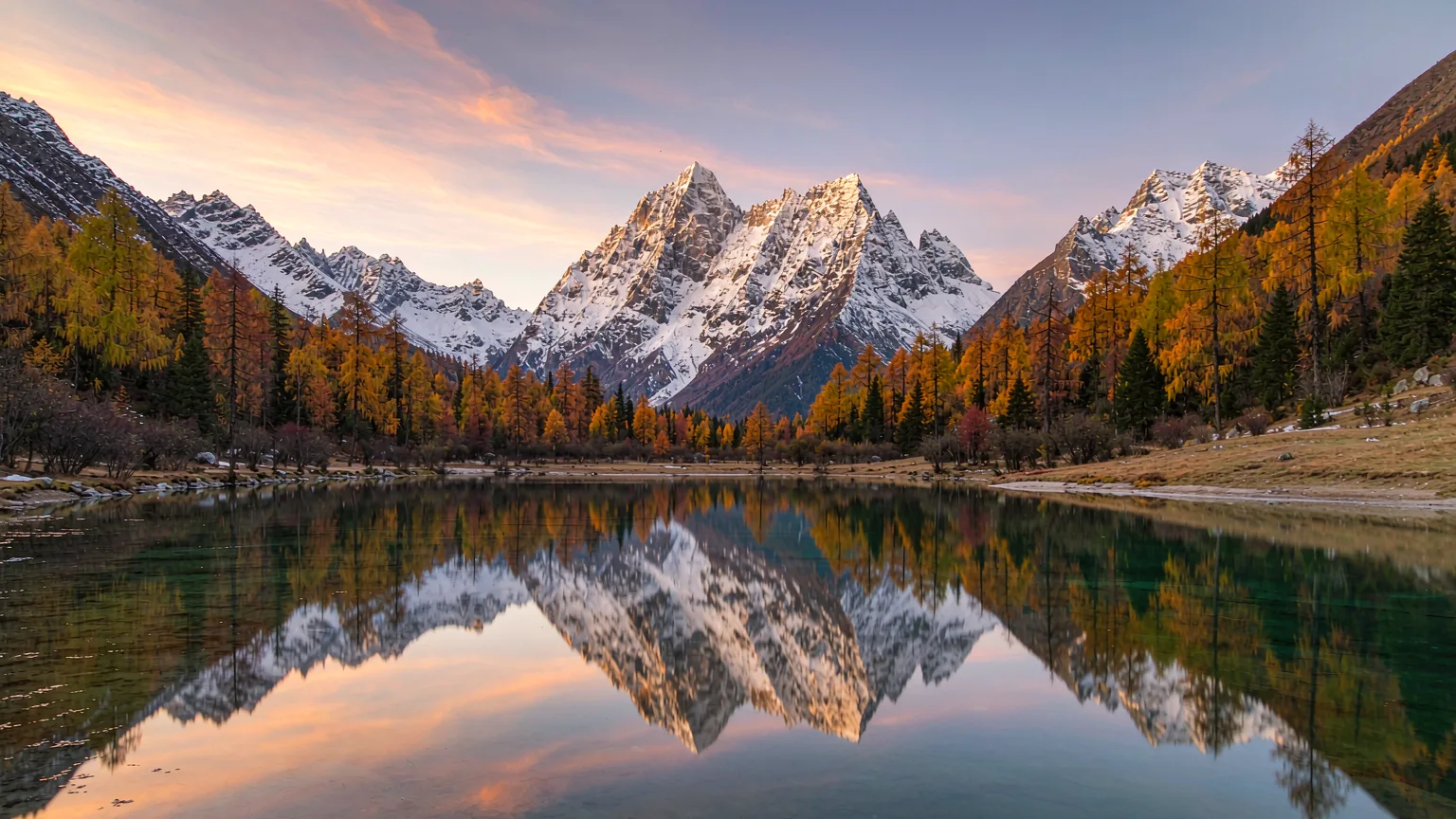
With legs to spare, walk Pearl Lake off, an hour's gentle climb through dappled rhododendron light. Pilgrims circle the holy lake at soft pace, and on windless days Xiannairi pours whole into the water.
Seen through heritage eyes, the lake is less reflection than devotion: mani piles layered generation on generation, flags renewed season upon season, mountain and lake reaffirmed by each cohort.
Shoot around worshipers, circle clockwise, and descend unhurried; the downhill through the woods slides worse than the climb, so use the rails.
Yading Village: Hearth and Home Beneath the Peaks
Day three's morning belongs to Yading village, a Tibetan settlement ringed by the three peaks, half homes and half guesthouses now; morning smoke, elders with wheels and packhorses hauling luggage make the village's truest hour.
Walk the lanes slowly once around: chili strings sharing window ledges with flags, expedition photos tacked in hostel halls. The village is small, but an hour goes deep.
Chat with your guesthouse host for unexpected dividends: which valley blooms in which month, whose butter is genuine. Check out by ten, ride to Shangrila Town, and turn homeward in the afternoon.
Yading Code Grand Theatre: Closing Three Days with a Show
Before turning home, catch the resident show at the Yading Code Grand Theatre in Shangrila Town; its staged peaks, pilgrimages and Shambhala legend tie the heritage threads of three days into one narrative.
Pick afternoon or evening by your departure; the show runs an hour-plus with a hot dinner after. Every question raised at the pagoda, monasteries and village finds an echo on stage.
The show is also a converter, switching you from trekking pace to sightseeing pace and giving the night before flights and long rides a gentle buffer.
| Getting around |
|
| Budget | Monasteries are mostly free or a few tens of RMB, shows RMB 100-280; with two nights and meals, three days run about RMB 1,000-1,800 pp. |
| Best time | Year-round, richest during Tibetan festival dates; circle temples clockwise and visit in the morning, when halls are open and quiet. |
FAQs
What rules must I follow inside the monasteries?
Circle halls and stupas strictly clockwise, never on thresholds, no photos inside without leave; keep voices down, never point at statues, and observe debates and rites in silence. Most monasteries are free or ask a small offering; donate as you wish, never under pressure.
What needs booking in advance on a heritage line?
The museum is mainly free registration, so confirm hours in season; reserve entry and shuttle under real names; buy theatre tickets one to two days ahead in peak; and charters toward Sangdui and town need only half a day's notice.
How do three days balance scenery and culture?
Fit scenery inside a culture skeleton: day one pagoda, museum and monastery with the grassland's color; day two Yading centered on Chonggu and Pearl Lake, one glance at the water; day three the village plus a night show. For Milk Lake, add a dedicated long-line day rather than squeezing it in.
Is this heritage line suitable for seniors?
Yes, the effort is naturally low: the town-Sangdui stretch is all short walks, and at Yading seniors may stop at Chonggu meadow without the boardwalk. Altitude is the real factor: rest fully on landing day, move the next, carry medicines and a thermos, and charter so stops come on demand.