
Daocheng's culture runs deep: the daytime museum tells where this land came from, and the evening stages show what it feels like. Stringing one full day-and-night into a culture line works as a buffer between hikes and as a key to Tibetan country.
Two rules govern the rhythm: first, late nights cost real energy at altitude, so head straight to bed after a show; second, schedules shift often, so confirm the day's lineup by phone or online before setting out, museum in the morning, with slack left for the afternoon and evening stages.
Itinerary at a glance
| 09:00 | Daocheng Yading Shambhala Culture Museum: The Culture Draft |
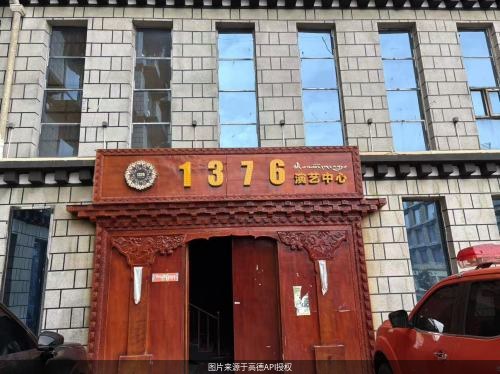
| 11:00 | Daocheng 1376 Performing Arts Center: Back of House by Day |
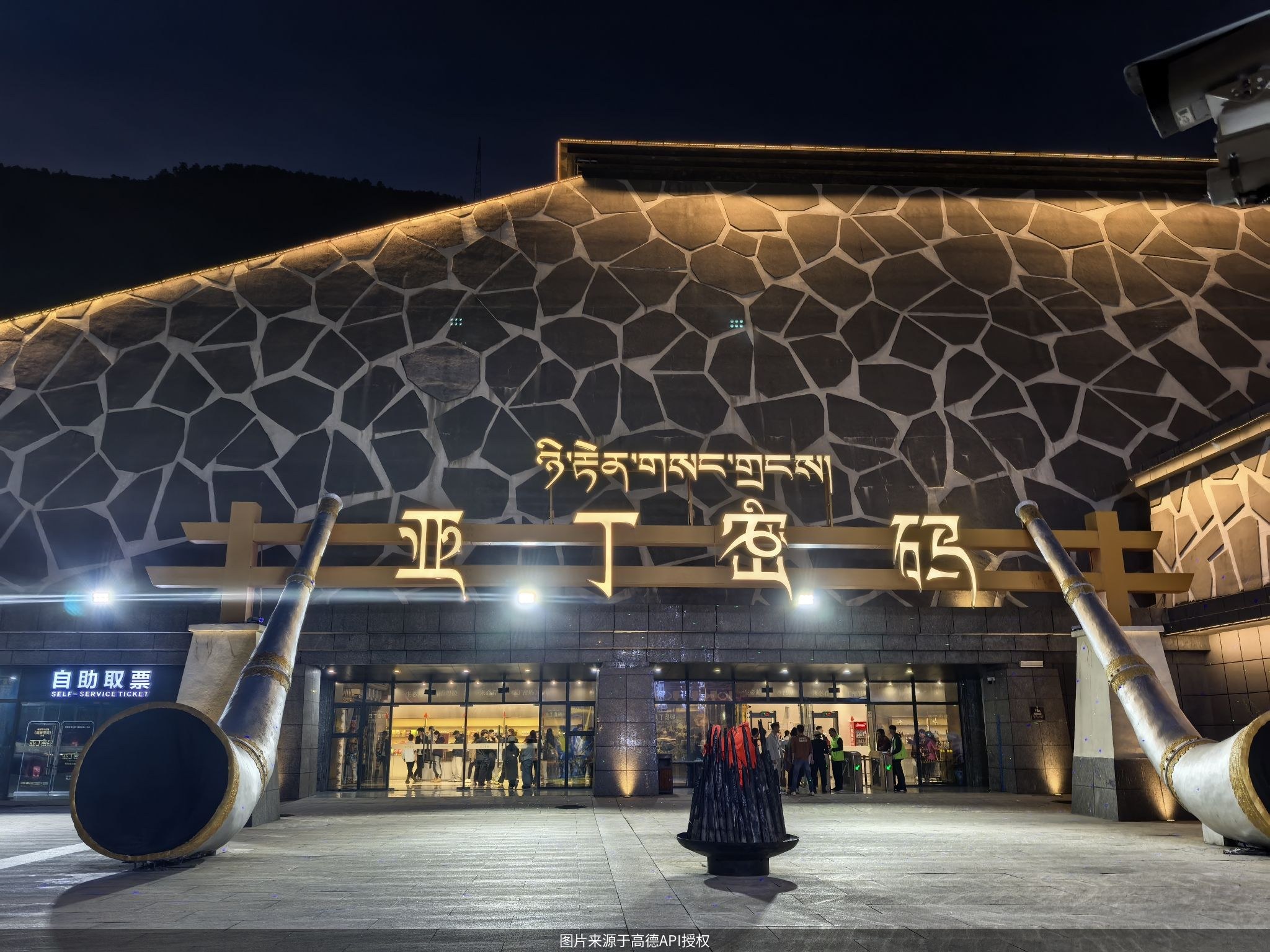
| 14:30 | Yading Code Grand Theatre: The Afternoon Spectacular |
| 19:30 | Gangjianba Performing Arts Center: The Guozhuang Circle |
The route, stop by stop
Daocheng Yading Shambhala Culture Museum: The Culture Draft
Open at the museum, reading the table of contents before the main text. The halls lay out the Shambhala legend, Khampa dress and Tea Horse Road relics along one thread; watch a show afterward and every gesture on stage gains provenance.
Two rooms matter most: the folk costume and objects hall, where wool robes, jewelry and horse gear match what locals still use, and the religious art room, where thangka composition logic feeds the colors and formations of tonight's dances.
Mornings are quiet and well lit; allow ninety minutes to two hours. Labels run dense, so skip word-by-word reading and follow whichever thread hooks you, far richer than a checklist pass.
Daocheng 1376 Performing Arts Center: Back of House by Day
By day the 1376 center runs on visits: stage, rehearsal halls and costume displays form a backstage line, filling in what the museum left out, how traditional song and dance get rehearsed and passed down.
If you catch a rehearsal, ten minutes of Tibetan opera or xianzi melody from the doorway beats any display panel. The front desk is also a reliable window for the evening's schedule across the town's stages.
Allow forty minutes to an hour, dovetailing with lunch. Everything by day is setup; the afternoon and night shows are the main courses.
Yading Code Grand Theatre: The Afternoon Spectacular
The afternoon belongs to the Yading Code Grand Theatre. Its resident show draws on the Shambhala legend and the three sacred peaks of Yading, with staging and sound-light production at the town's top tier; the afternoon session means thin crowds and easy tickets.
A handy trick: the costumes and colors you noted at the museum start matching up on stage. Pick seating mid-back and centered; formation changes matter more here than facial expressions.
The show runs about an hour-plus; afterward head back for a rest and something hot, banking energy for the evening Guozhuang. Plateau midday ultraviolet is fierce, so walk indoors or wear a hat.
Gangjianba Performing Arts Center: The Guozhuang Circle
The night closes at the Gangjianba center. Guozhuang is the Tibetan circle dance, led in song and step from the head of the ring with everyone following; the audience stands outside the circle, yet the mood often pulls you in.
Compared with the grand theatre's scale, this night feels closer: simple steps and repeated melodies mean half a show is enough to pick up the basics. If invited in, follow the circle's direction and nothing can go wrong.
It usually ends near nine, the town already silent on the walk home. Take the plateau night slowly, breathe deep at the door, for tonight's sleep sets tomorrow's strength.
| Getting around |
|
| Budget | The museum is mostly free; show tickets swing RMB 100-280, so the day lands near RMB 200-400 pp. |
| Best time | Year-round, with peak season, July-August and October, offering more shows and tighter tickets; evenings turn cold fast at altitude, so bring a heavy coat to night shows. |
FAQs
Will show nights interfere with acclimatization?
Not if you schedule it right. Place the culture day on trip days two or three, slow the daytime pace, one show per night, straight to bed afterward. What actually hurts is two consecutive late shows plus alcohol; at altitude that combination sharply raises next-day headaches.
Where do I buy show tickets? Can I buy at the door?
All three venues sell at the door and online; in peak season, July-August and October, book hot shows one to two days ahead. Afternoon sessions sell easier than evening ones, and confirm start time and length when buying, with dinner an hour before curtain.
Is a museum plus two shows too much for one day?
The effort is modest: the museum is seated, the afternoon show barely an hour, and Guozhuang nights stay relaxed, with very little walking. The real cost is late sleep; rest the moment the show ends and keep the next morning empty, and this becomes a high-quality buffer between hikes.
What etiquette and practicalities apply at the shows?
Check house rules before filming, as most shows restrict flash and livestreaming; in Guozhuang move with the circle, never against it, and mind the ritual trimmings at your partner's feet. Nights chill fast, so check your coat at the door and grab it at curtain; carry both cash and phone payment, small venues can lose signal.