
Daocheng county town is no shopping city, yet every souvenir a plateau trip needs is here: dried matsutake and yak jerky to eat, Tibetan handwork to use, and postcards postmarked to remember. The trick is the order: fix your price baseline at the supermarket, then the market and craft stalls, postcards last.
Two rules first: for all foodstuffs, ask shelf life and packing before haggling; and amber, turquoise and dzi beads run deeper than a visitor's judgment, so without an expert beside you the best policy is looking, not buying.
Itinerary at a glance
| 09:30 | Shambhala Shopping Center: Fix Your Baseline First |
| 13:30 | Jinzhu Market and Craft Stalls: Filling the Specialty Gaps |
| 16:30 | Town Post Office and Postcards: Mailing Daocheng Home |
The route, stop by stop
Shambhala Shopping Center: Fix Your Baseline First
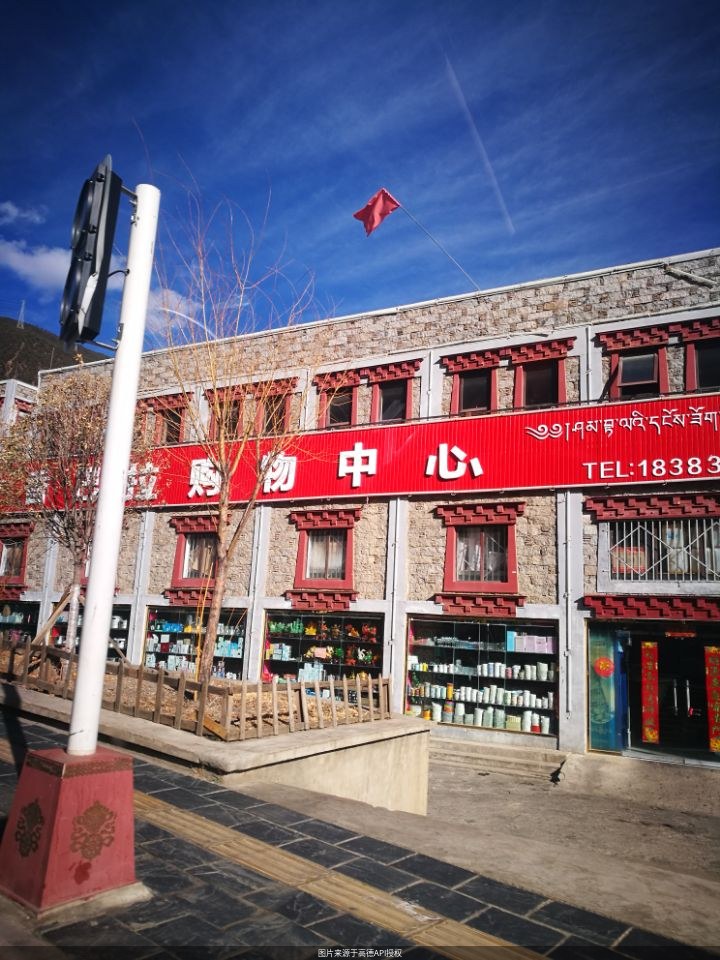
Starting a shopping day at the supermarket looks roundabout but saves money. The Shambhala center is the town's most comprehensive store, dried matsutake, yak jerky, barley products and butter all clearly priced; one lap sets your baseline.
Supermarket goods carry origin and shelf-life labels; pick jerky in small sealed packs for carrying and gifting. For dried matsutake, judge by slice evenness and color, uniform cuts in natural yellow usually the safer bet.
Finish big purchases here and let the market stalls fill only the specialty gaps. Park your cart and check out after the full loop, the classic cure for impulse buys.
Jinzhu Market and Craft Stalls: Filling the Specialty Gaps
The afternoon market and craft stalls along the main street form the second layer beyond the supermarket: Tibetan ornaments, copperware, wooden bowls, handmade soap and wind-horse crafts, with prices and quality all over the map, a real test of the eye.
Three categories earn purchases: hand-turned wooden bowls, small copper items and local incense, low-priced, distinctive and free of authenticity disputes. Silver trinkets are fine, but amber and turquoise sell by the gram in deep water; novices look, do not pay.
Haggling room is everywhere, opening near thirty percent off the ask is normal. Check the price against the supermarket's twins afterward, and tomorrow at the reserve gate you will not be led by the nose.
Town Post Office and Postcards: Mailing Daocheng Home
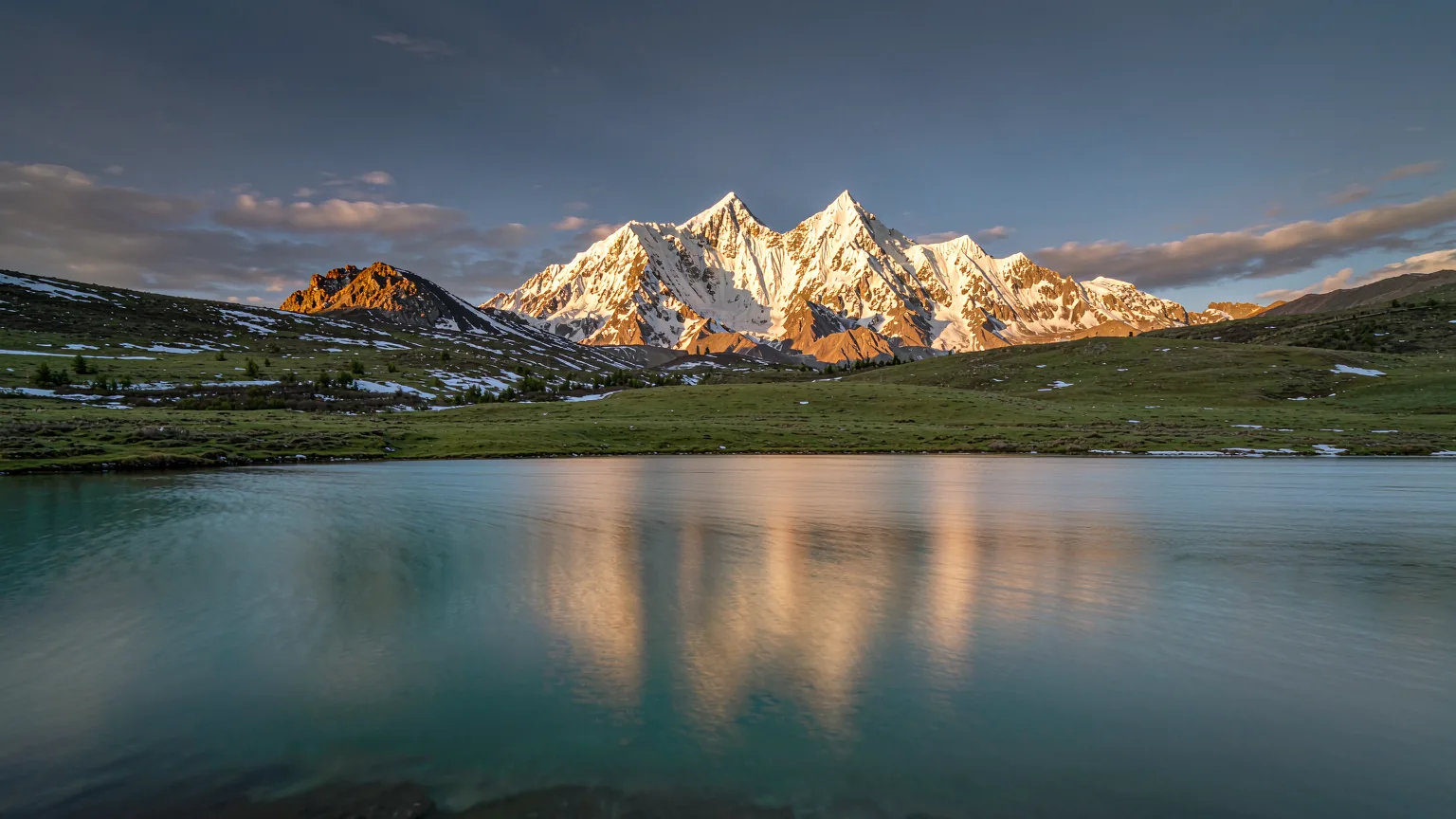
The shopping day ends with the lightest luggage: postcards. The town post office and creative shops on the main street stock cards of the three peaks, the red grassland and the starry sky; write and drop them, and memory arrives on schedule.
The post office stamps Daocheng and Yading commemorative marks, worth a dedicated trip for stamp and postmark collectors. Cards run a few yuan up, stamps sold on site, delivery one to two weeks, so mail before you leave.
With time to spare, save the writing until after Yading, letting real snow peaks guide the pen. Close the shopping day by packing and re-checking seals and shelf dates on all foodstuffs.
| Getting around |
|
| Budget | Souvenirs swing wide: postcard-level tens of cents, jerky and dried mushrooms tens to hundreds of RMB; most travelers do it within RMB 200-600 pp. |
| Best time | July-September brings the matsutake season at fullest stock, October refreshes the cultural goods; mornings restock best, and shopping doubles as acclimatization. |
FAQs
Where is it safest to buy dried matsutake and yak jerky?
County supermarkets and veteran grocers first, with clear prices, origin and shelf dates; gate stalls run steep premiums and mixed stock. For jerky judge the grain and dryness, for matsutake the evenness of slices, ask about vacuum packing before paying, and watch the scale display while weighing.
Can hot spring and show tickets be bought together in town?
Usually yes. Some hotel front desks and visitor-service points in town resell hot spring and show tickets at par or slightly below; buying in passing during your shopping beats queuing later. Keep receipts, schedules can shift in peak times, so reconfirm by phone before use.
When is the best season to buy matsutake?
July to September is matsutake season, fresh and dried on sale together, fullest stock and best bargaining room. Fresh mushrooms travel poorly, so ordinary visitors should favor dried slices; pick the current season's goods, natural in color with a clean aroma, since year-old stock darkens and loses scent and should price thirty percent lower.
What should I avoid buying in Daocheng?
Three to avoid: amber, turquoise and dzi beads, priced by the gram in water too deep for a visitor's eye; controlled blades, which cannot fly or mail; and so-called snow lotus or wild herbs at gate stalls, dubious in both source and effect. Spend on edibles and small crafts instead, the best value and zero worry.