 TripMyChinaJOURNEYS THROUGH REAL CHINA✦ AI Trip✦ Plan My Trip
English
简体中文
繁體中文
日本語
한국어
ไทย
Tiếng Việt
Bahasa Indonesia
Italiano
Español
العربية
Русский
Deutsch
Français
Bahasa Malaysia
TripMyChinaJOURNEYS THROUGH REAL CHINA✦ AI Trip✦ Plan My TripThe thousand-year Buddhist realm of the Yungang Grottoes and the cliff-defying feat of the Hanging Temple make Datong the most breathtaking stop in Shanxi.
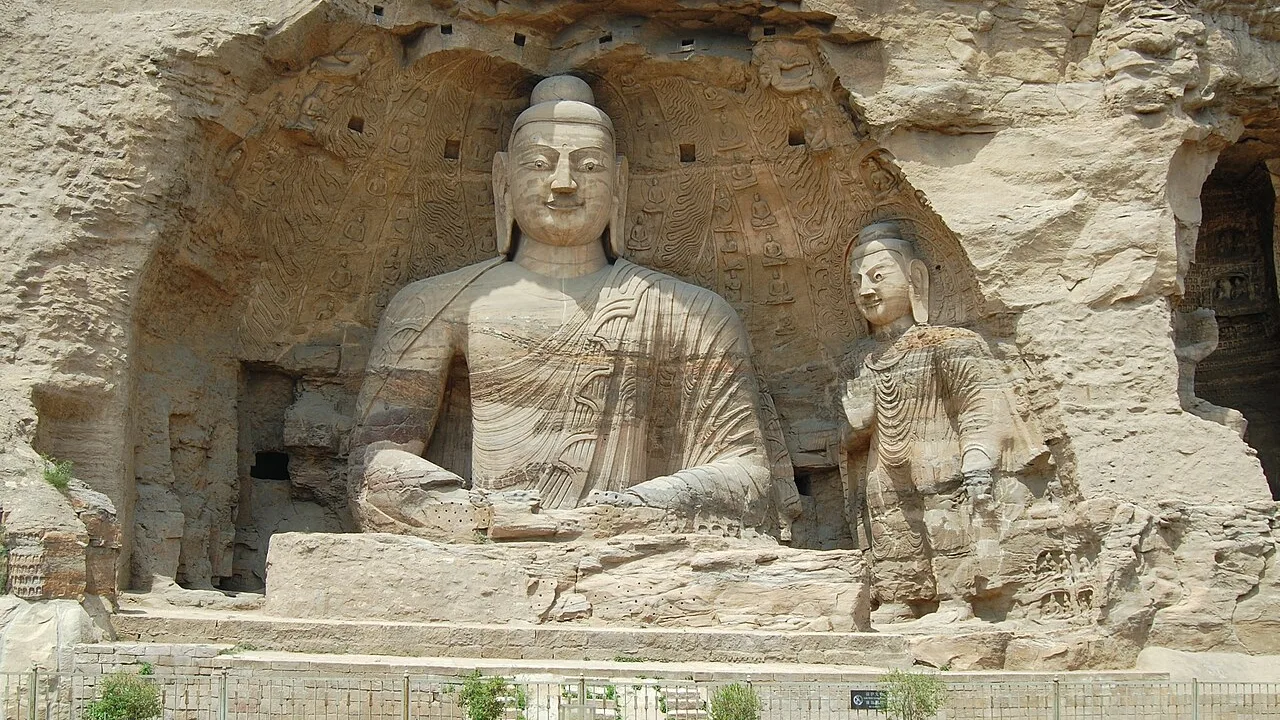
Datong, a historic city in northern Shanxi Province, China, has been a strategic gateway between the Central Plains and the steppes for over two millennia. As the capital of the Northern Wei Dynasty (386–534 AD), it flourished as a Buddhist center, leaving behind the magnificent Yungang Grottoes, a UNESCO World Heritage Site. Later, during the Liao and Jin dynasties, it served as a secondary capital, and its well-preserved old city walls and temples reflect a rich cultural tapestry. Today, Datong blends its ancient heritage with modern industry, offering travelers a glimpse into China's deep past.
The city is divided into several districts, with Pingcheng District forming the historic core, where the ancient city wall, Huayan Temple, and Shanhua Temple are located. To the west, Yungang District is home to the famous Yungang Grottoes, while Xinrong District in the north is known for its coal mines and the nearby Hanging Temple. The newer Yunzhou District to the east is developing rapidly, and Kouquan District in the southwest is an industrial area. The Yudong area, east of the old city, features modern residential and commercial developments.
Visitors to Datong can explore the awe-inspiring Yungang Grottoes with their thousands of Buddhist statues, marvel at the engineering feat of the Hanging Temple built into a cliff, and wander through the restored ancient city to see temples, pagodas, and traditional architecture. The city also offers a chance to taste Shanxi's famous knife-cut noodles and aged vinegar. With its blend of history, culture, and natural beauty, Datong provides a unique and enriching travel experience.
Datong covers an area of 14,176 km² and has a population of approximately 3.1 million. It is divided into 4 districts and 6 counties. The city is renowned for the Yungang Grottoes, a UNESCO World Heritage Site, and was the capital of the Northern Wei Dynasty.
World-class, national and global recognition earned over the decades.
252 caves and 51,000 Buddhist figures carved in the 5th century under the Northern Wei, inscribed in 2001.
Datong was the Northern Wei capital for nearly a century (398–494), when the grottoes were cut.
A 1,500-year-old monastery pinned to a cliff 50 m above the ground — one of China's architectural wonders.
Once China's coal city, now rebuilding its Ming-Qing walled town and tourism economy.
Named in the first batch in 1982.
China's largest and oldest glazed-tile nine-dragon screen (1392).
Huayan and Shanhua monasteries preserve China's finest Liao-dynasty timber halls.

The moments that shaped the city — and the stories its people still tell.
The Tuoba Wei moved their capital to Pingcheng and began carving the Yungang caves.
The Liao made Datong its western capital; the Huayan Monastery dates from this era.
General Xu Da rebuilt the city walls, which still define the old town grid.
A decade-long project rebuilt the Ming wall and cleared the old town.
The Yungang Grottoes were inscribed by UNESCO.
The glazed dragons were said to swim at night; a monk sealed them with a mirror so they would stay on the wall.
Legend says the whole temple hangs on three wooden beams — the rest is faith.
Three paces, one city — every route built from places we actually operate.
Weather, crowds and the best months for what you want to see.
Mild and dry — the best light for the grottoes.
Clear and cool, with golden light on the sandstone.
Cool for North China (25°C) — a summer escape.
Cold (−15°C) and very quiet; the grottoes are empty.
What this city is known for — the things worth planning your day around.
The places worth building a day around.
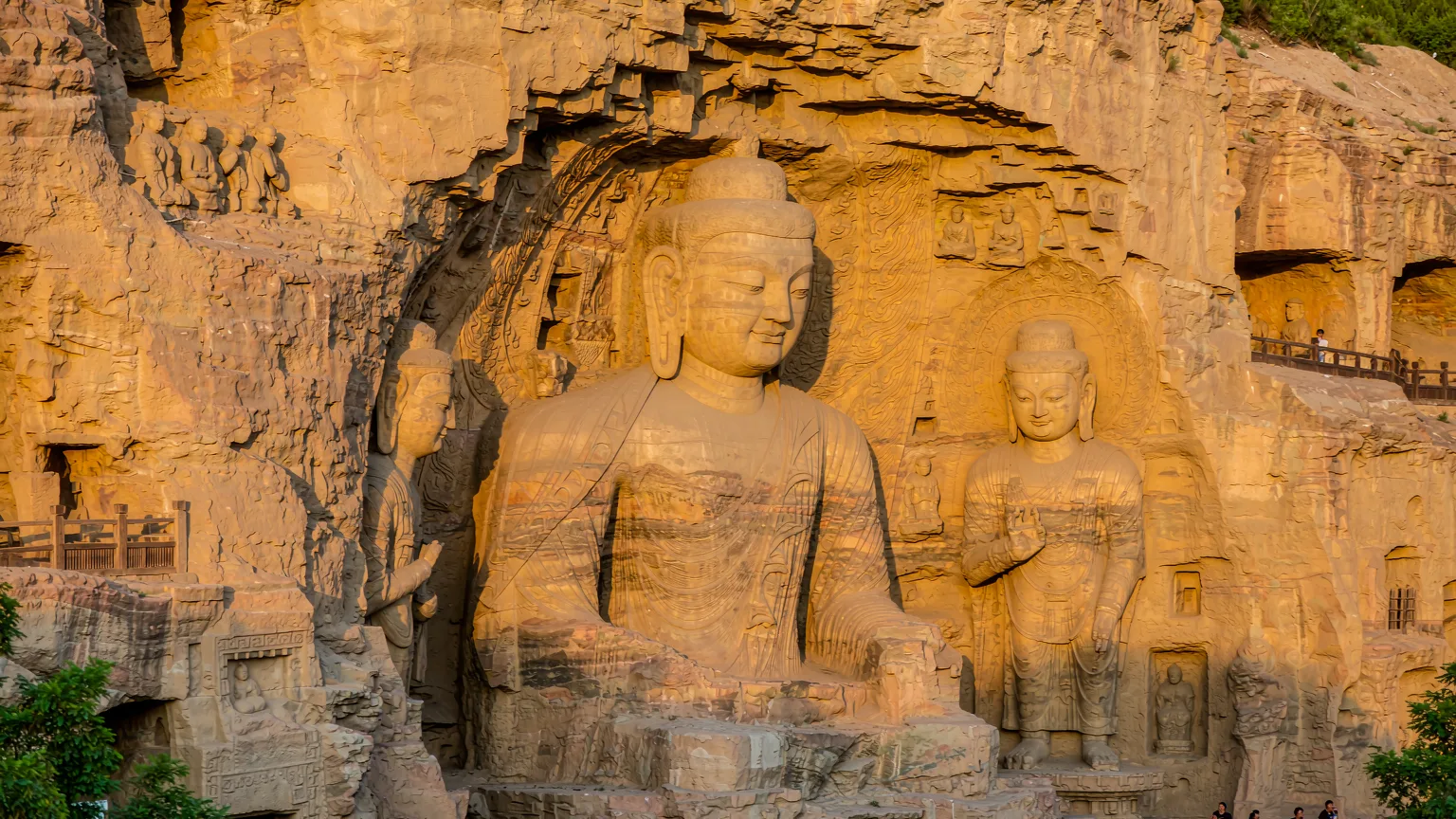
Fifty-one thousand figures in 252 caves, cut into sandstone between 460 and 525 AD under the Northern Wei. The cave 20 Buddha, open to the sky after i
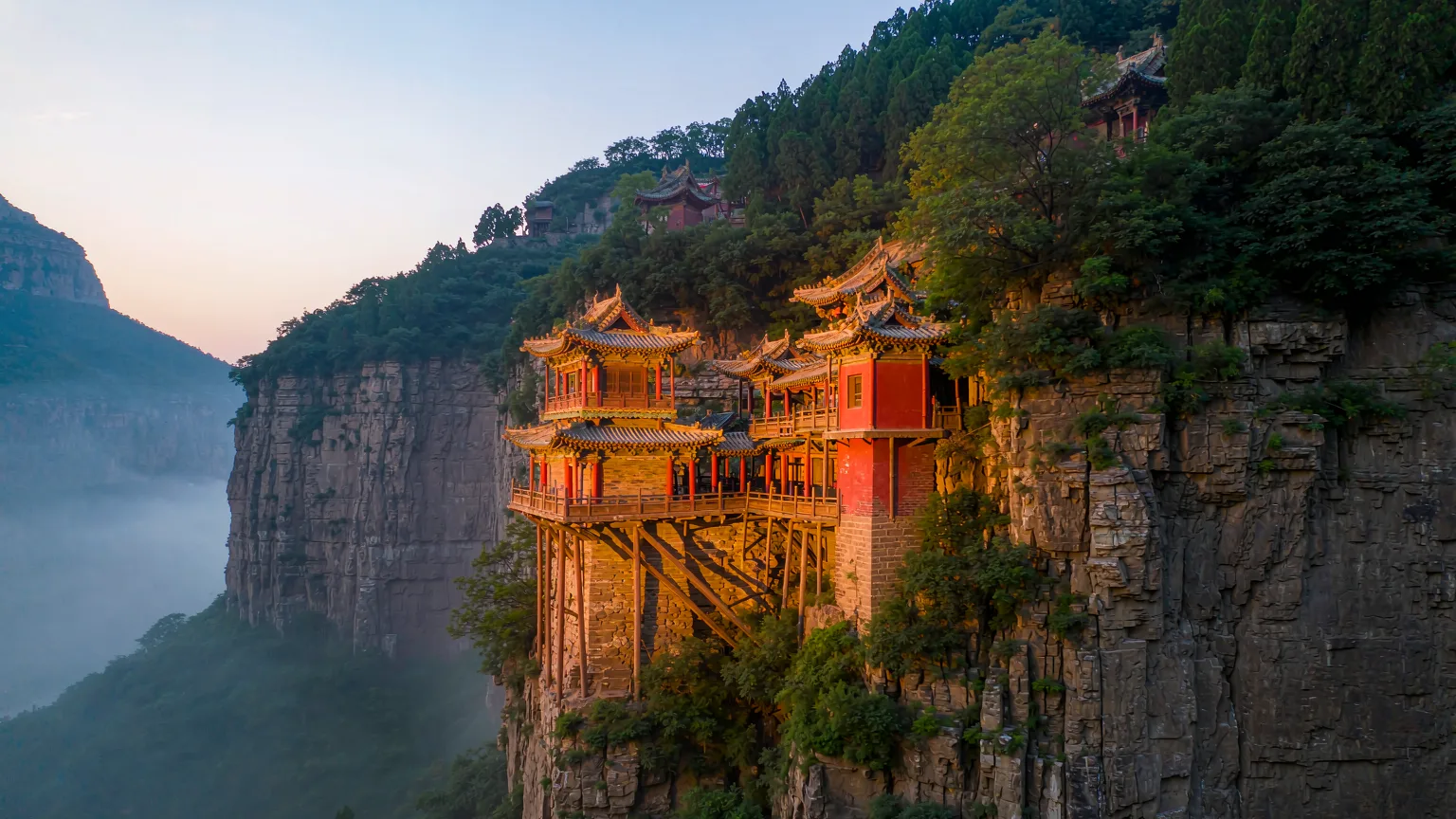
Forty halls and pavilions pinned to a cliff 75 metres above the valley floor, supported by beams socketed into the rock. Built around 491 AD, and the
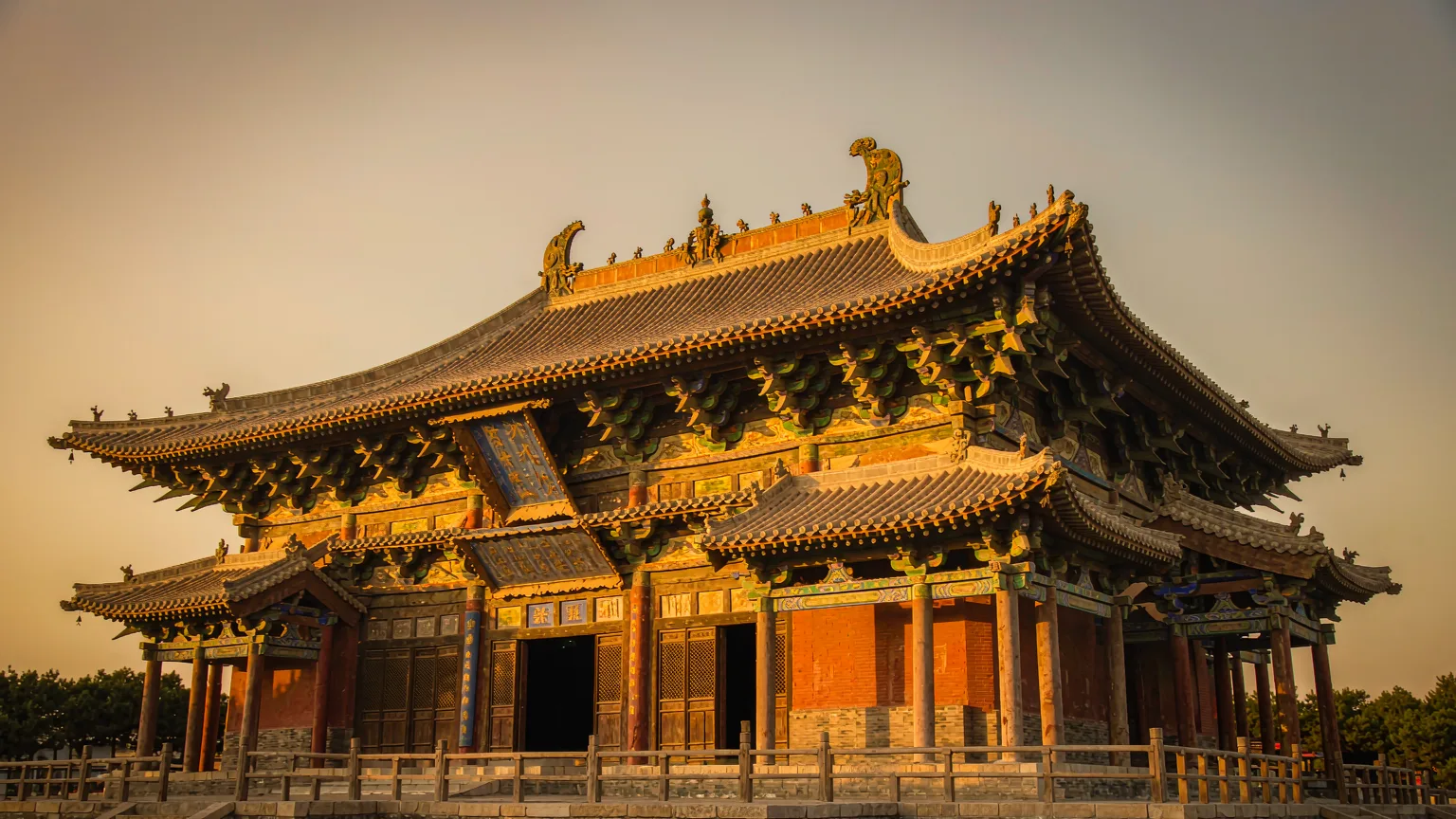
A Liao dynasty monastery from 1038, with two of the largest timber halls surviving from that period: the Mahavira Hall at 1,559 square metres, and the
A little further out, for a spare half-day.
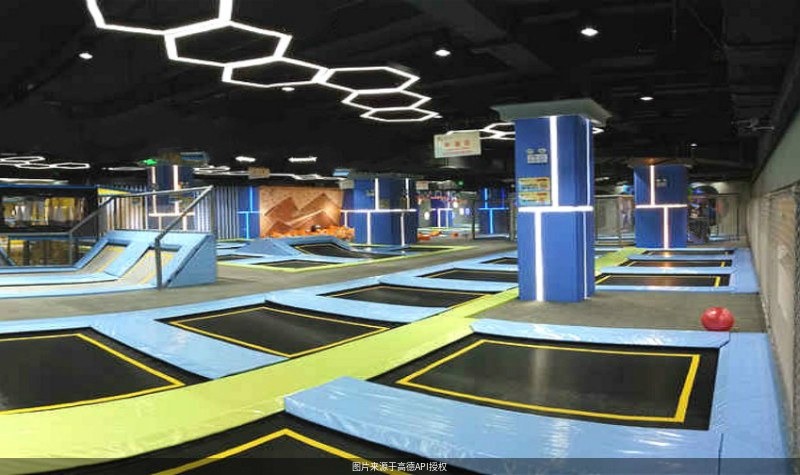
At the corner of Yonghe and Nanhuan East roads, it is one of Datong's largest modern malls. Brand retail…
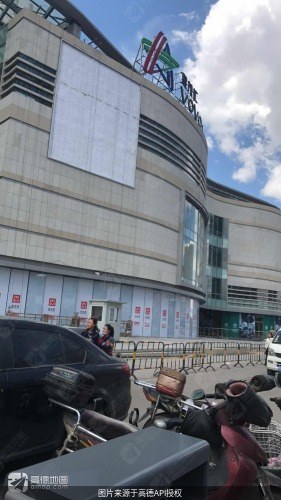
A one-stop shopping centre at 3333 Yongtai South Road in the new district. Fast fashion, dining, cinemas and…
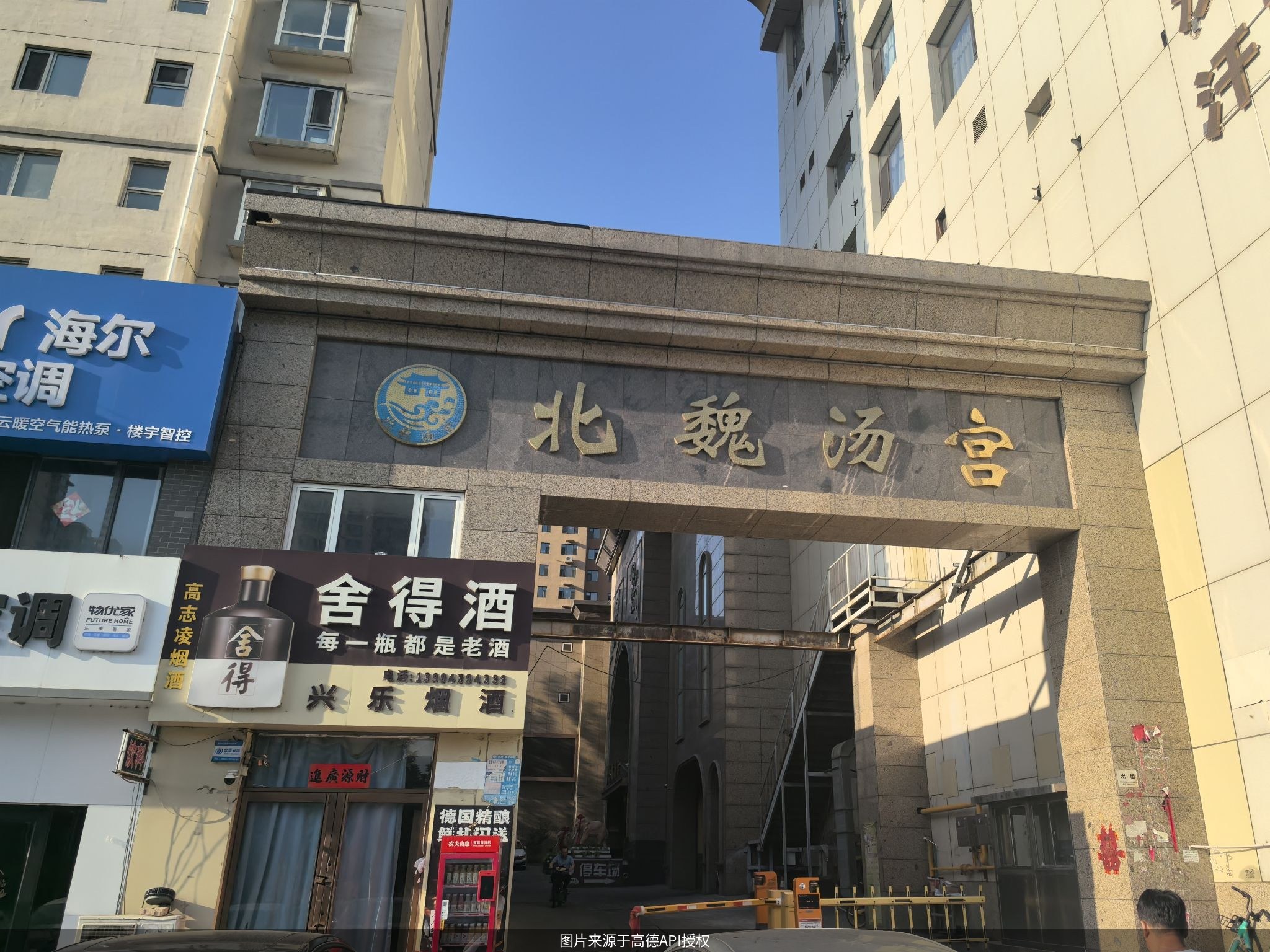
A city-centre wellness hot spring at 378 Nanhuan Road inside Jinkai International Hotel. Its themed pools…
Museums, galleries and workshops still keeping old crafts alive.
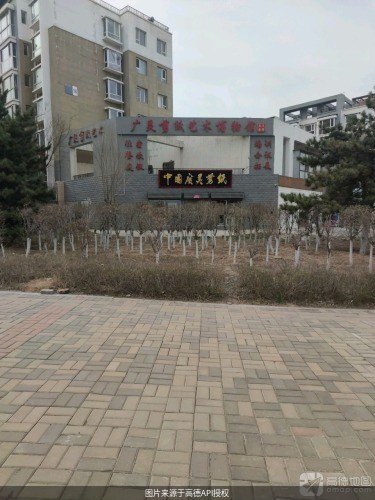
A museum devoted to Guangling dyed paper-cutting, a national intangible heritage, at Haili Dongyuan on…
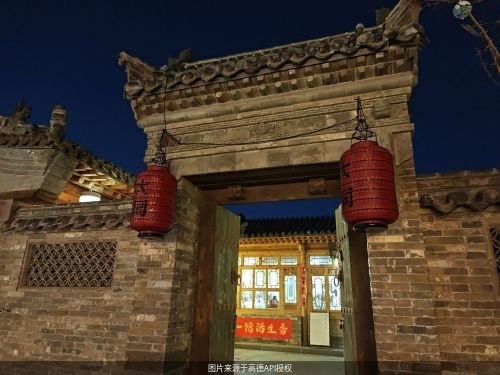
A heritage space at 11 Guangfu Corner devoted to traditional incense making. Displaying aromatic materials…
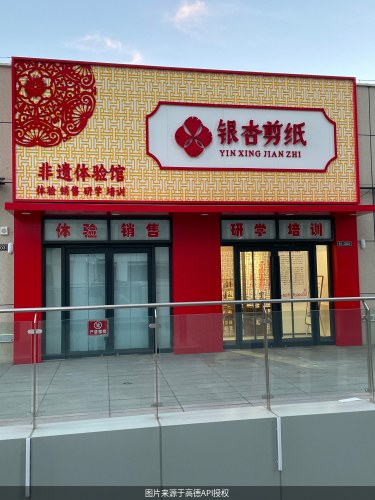
A hands-on paper-cutting workshop at Tongruili in Wenyinhu. Gathering works from across Datong and Shanxi, it…
What is on stage after dark.
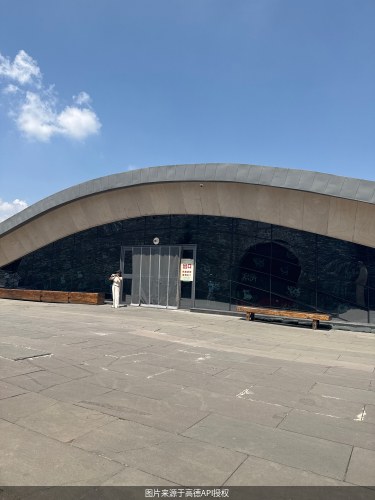
Set in the southwest corner of the Yungang Grottoes scenic area, this night-show venue draws on the World…
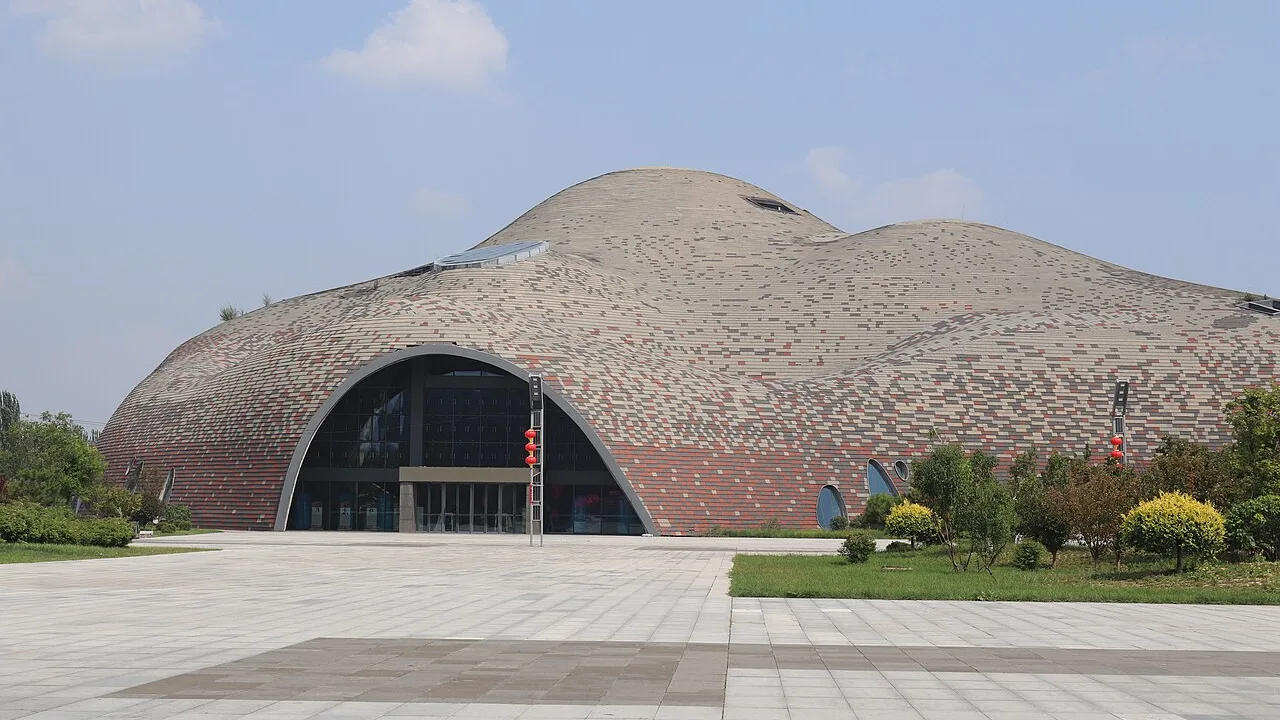
At 609 Wenyinghu North Road, this modern complex houses a main and a small hall for drama, concerts, dance…
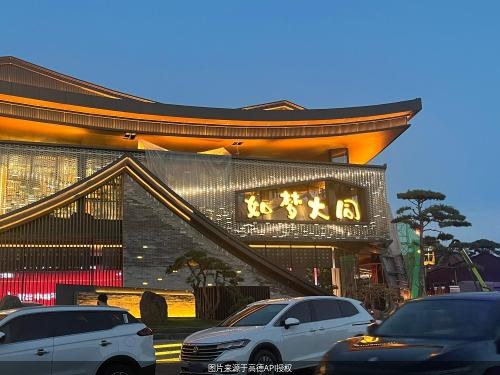
An immersive theatre near Panjiayuan's west gate in the old city. Following the building of Pingcheng, the…
Where the whole street eats — the city's most famous food streets, each with its own guide page.
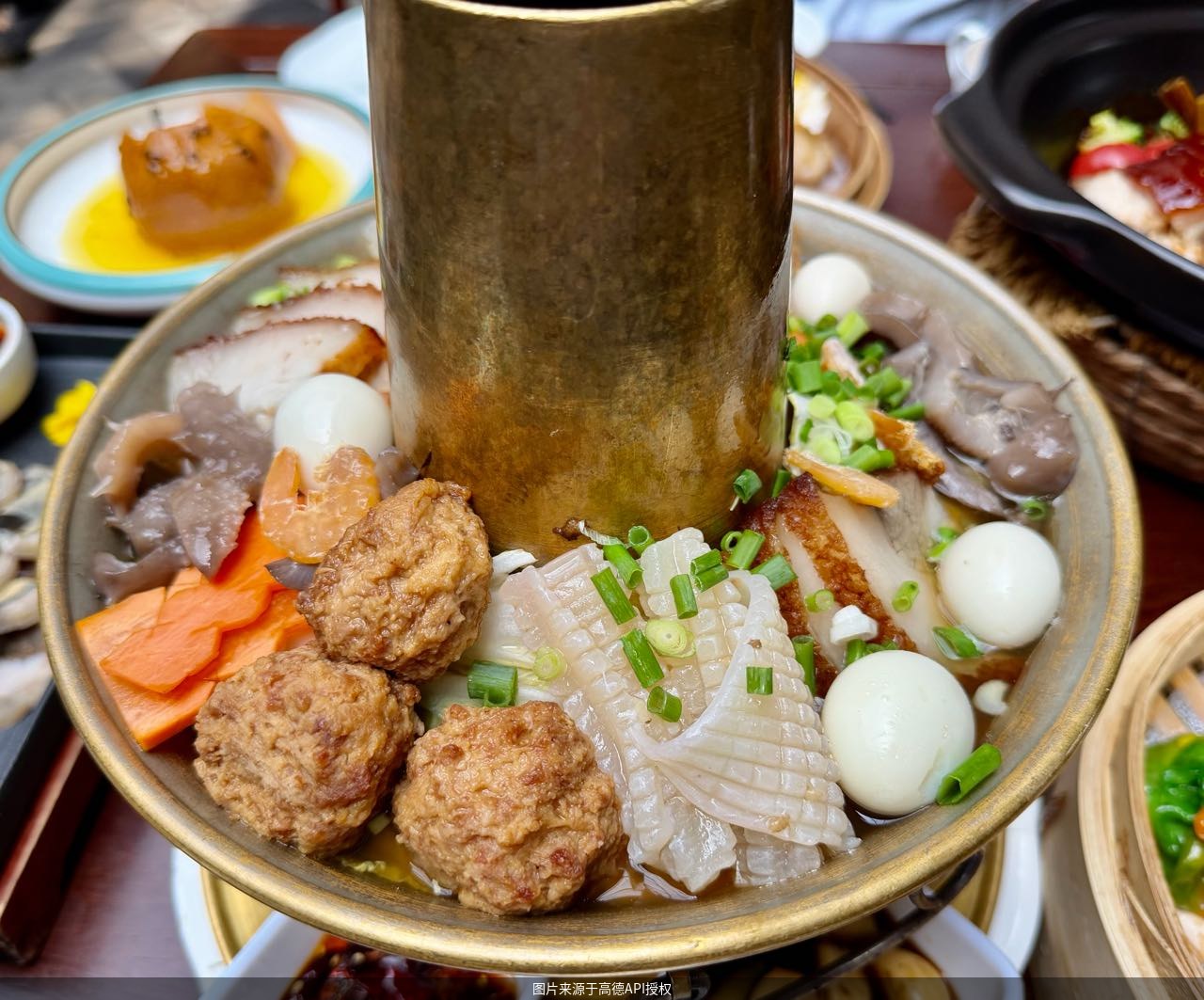
A century-old institution at 51 Gulou West Street, famed for its 'hundred-flower' shaomai with thin skins and…
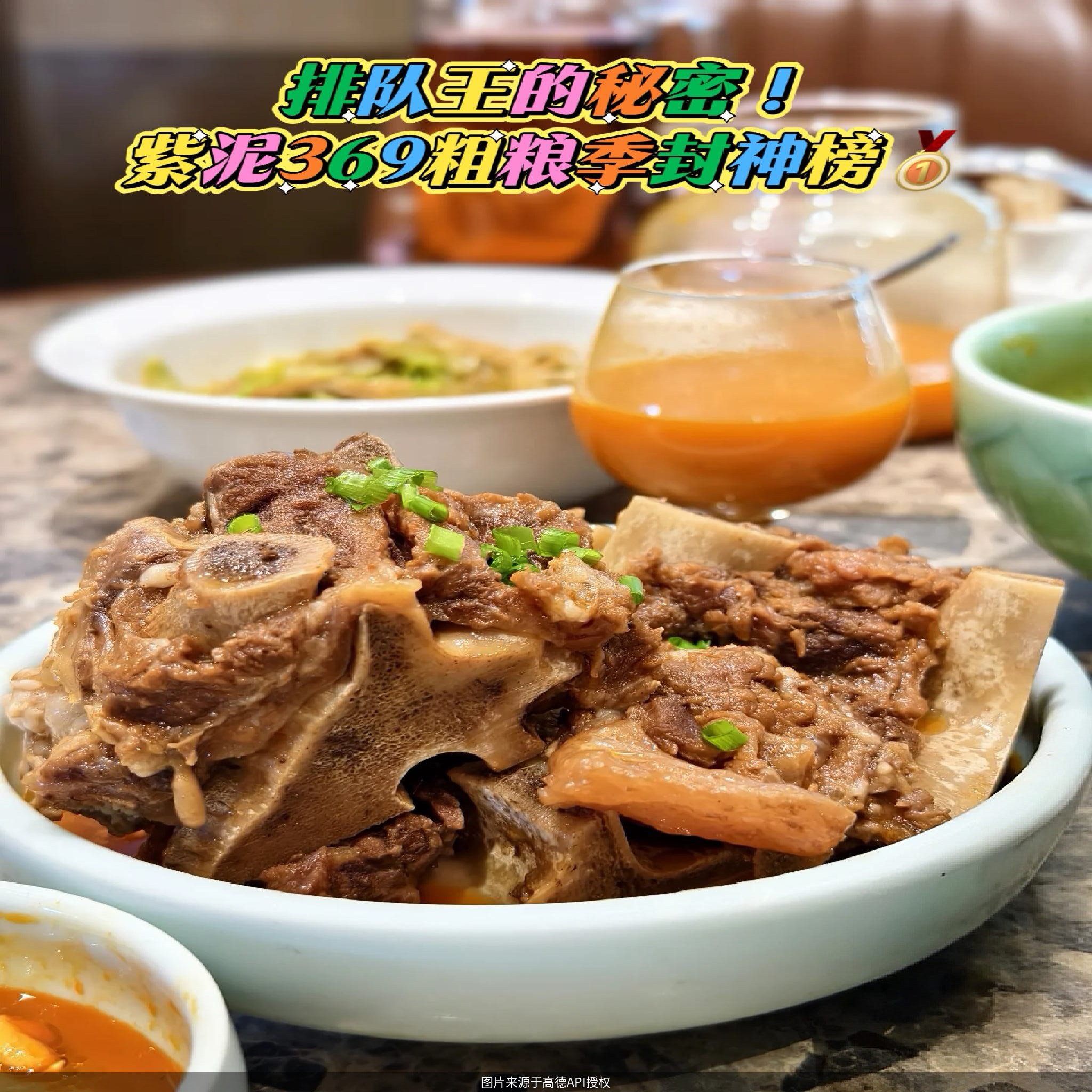
A chain restaurant on the northwest corner of Sipaifang devoted to northern-Shanxi coarse grains. Oat…
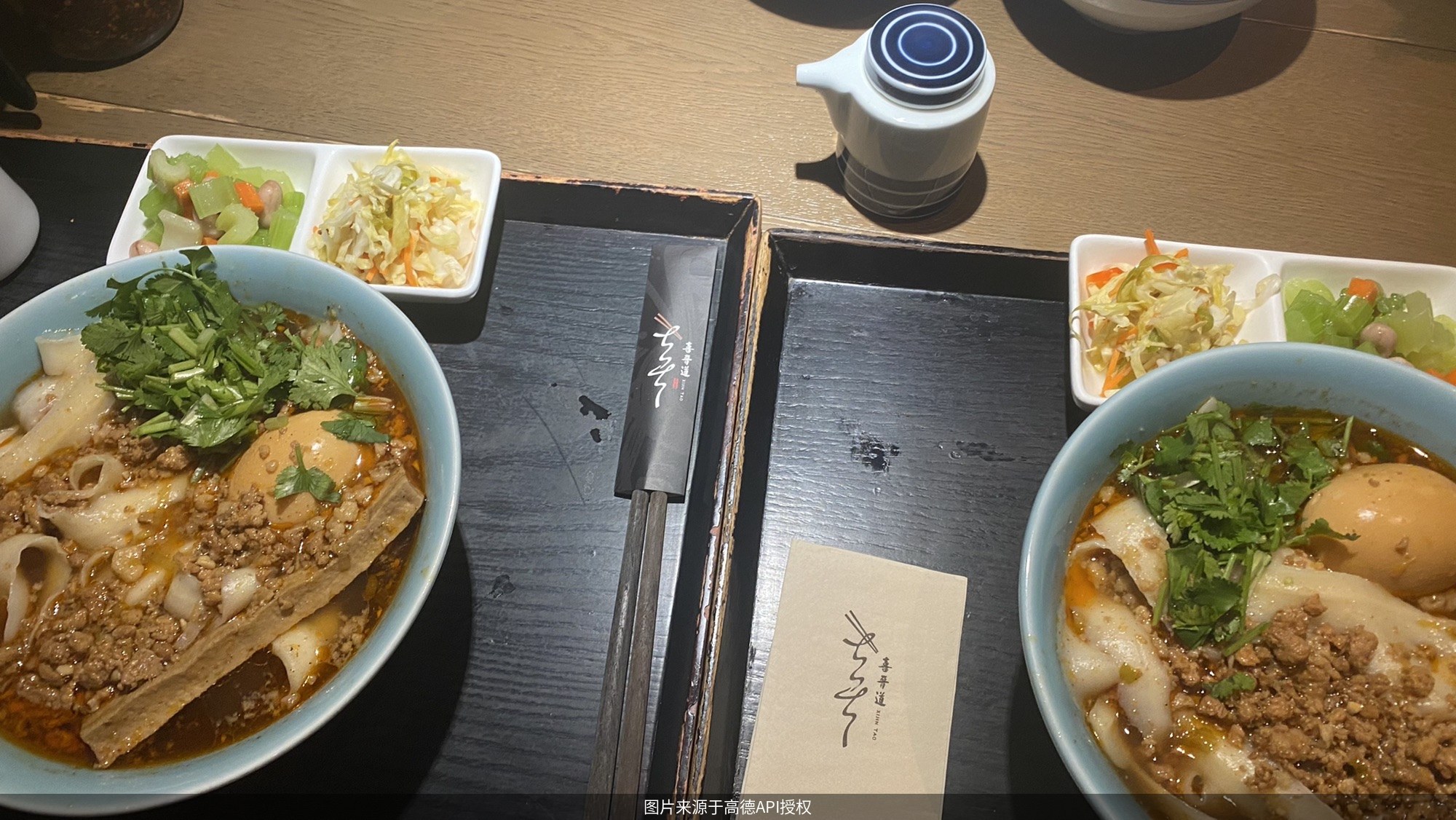
A well-known noodle house at 2306 Yuhe West Road for Datong's hand-cut noodles, the emblem of Shanxi pasta.…
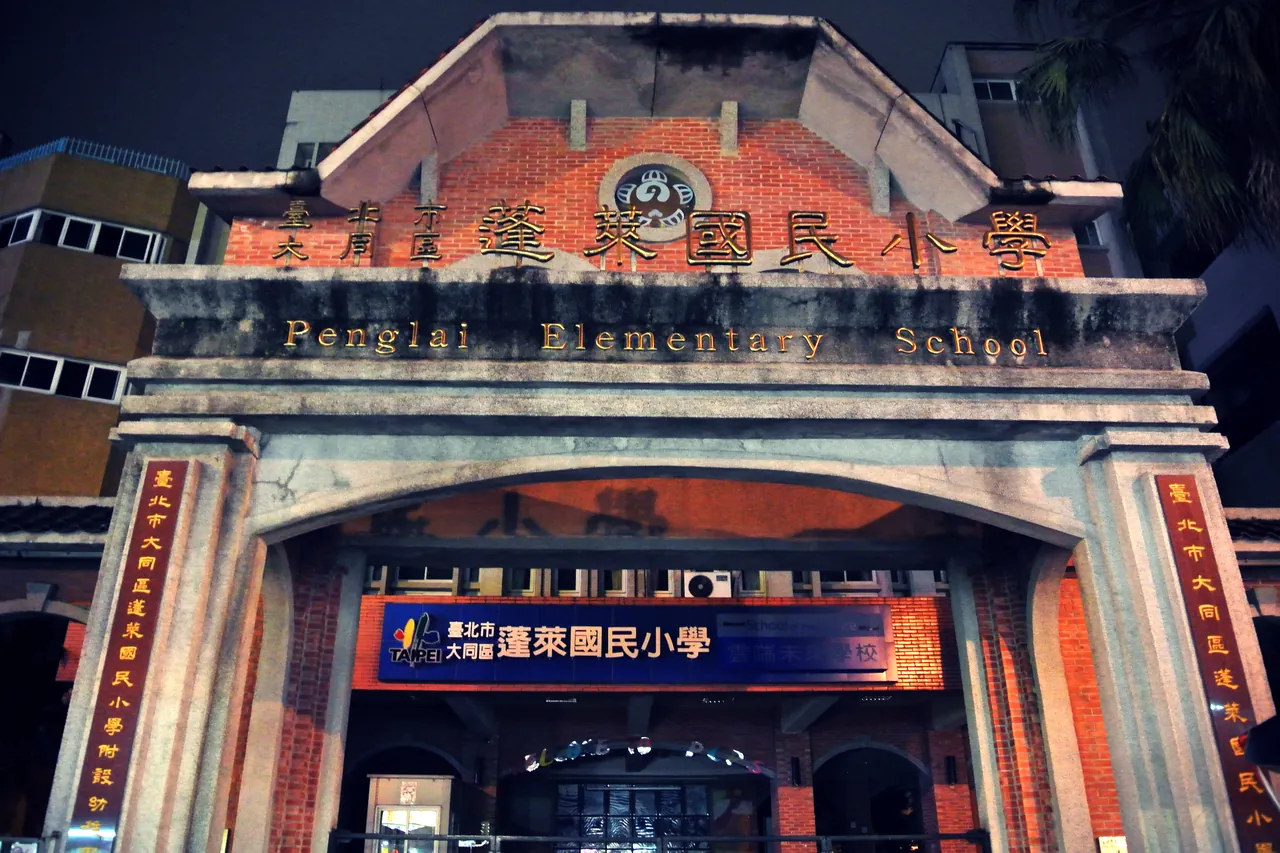
Lit gates and empty streets inside the wall.
Hand-shaved noodles with lamb broth.
A local breakfast and late-night staple.
The old town is lit and quiet — dinner is lamb and noodles.
Listed sites and the crafts that made this city famous.
252 caves with 51,000 figures, the finest early Buddhist cave art in China (2001).
A 491 AD monastery built into a cliff, mixing Buddhist, Taoist and Confucian halls.
Hand-hammered copper pots and vessels — national intangible heritage.
A local opera form with a distinctive back-throat singing style.
Senior licensed guides with 10+ years in the field and fluent English — deep on history, culture and local life.

Experienced licensed guides with clear English — solid on city highlights, food and day-to-day logistics.
Licensed guides with workable English — a good-value choice for city days, transfers and standard commentary.

Chauffeur-driven by the day, plus airport and intercity transfers.



Private chauffeur-driven vehicles, priced per vehicle not per person. Airport transfer from $45; intercity transfer from $180.
A key regional international airport in Beijiazao, Yunzhou District. It serves Beijing, Shanghai, Guangzhou, Chengdu, Kunming and other domestic routes plus some international flights, about a dozen kilometres from the…
The main high-speed rail station on Kaijie Street for the Datong-Zhangjiakou and Datong-Xi'an lines. Trains link Beijing, Taiyuan and Xi'an from its modern hall near Fantawild and Wenyin Lake, the chief rail gateway…
A key station on the Beijing-Baotou and North Tongpu railways at 4 Zhanqian Street. It mainly serves conventional trains to Beijing, Taiyuan, Hohhot and Baotou, just north of the old city with dense bus links, the…
At the corner of Yonghe and Nanhuan East roads, it is one of Datong's largest modern malls. Brand retail, dining, cinemas and family entertainment fill its floors near Wenyin Lake and Datong South Station, a core hub…
A one-stop shopping centre at 3333 Yongtai South Road in the new district. Fast fashion, dining, cinemas and family fun fill its bright modern space, drawing a young crowd alongside nearby Wanda Plaza to form the…

10 guides split by trip length: one-day city routes, three-day escapes and longer journeys, with stops, costs and transport in each.
Hit the Yungang Grottoes at opening for the Tanyao Five Caves, return to the old town fo
Three DaysThree Days of Datong Heritage: From the Northern Wei Tanyao Caves to the Ming Drum TowerThree days through Datong's standing heritage: Yungang's imperial Northern Wei caves, th
Multi-DayFive Classic Days in Datong: Yungang, the Old Town, Mount Heng and HunyuanFive days collecting Datong's headliners: a full day at Yungang, the old town's four sto
Real routes, real travellers — a sense of what a trip looks like.
Most travellers spend 3 days here. Add a day for a side trip if you want a slower pace.
Spring and autumn are usually the most comfortable. Check the seasonal notes above before booking.
We arrange airport/rail transfers and private drivers. Tell us your arrival point and we plan the connection.
Send an enquiry and a human expert replies within 12 hours with a draft plan and real prices. Flexible rescheduling; clear cancellation terms in your quote.
2-day private itineraries in Datong start from $540 per person, two travelling together. Your proposal itemises hotels, tickets, guide and car — no hidden fees.
Yes — Yungang alone justifies a night, and the high-speed rail puts it 1h40 from Beijing.
About 1.5 hours including the climb; it is 75 km from the city, so pair it with Hengshan.
Recent listed prices: Yungang Grottoes ¥120; Hanging Temple ¥130; Huayan Temple ¥50; Shanhua Temple free. Ticket prices change seasonally — we confirm them in your quote.