
One day in Fenghuang has a single spine: the Tuo River. Shen Congwen's house sits in a lane off the water, the stepping stones lie beside the North Gate wharf, the boat reads the stilt houses from midstream, and the night show is the lamps on both banks. Every sight falls within walking radius, and a day covers the essence.
Two things matter: the coverage and price of the joint ticket for the core sights have shifted in recent years, so follow the same-day postings before buying; and the rail station sits some way from the town, so plan the final approach. Wear grip-soled shoes, since riverside steps and stones turn slick in rain.
Itinerary at a glance
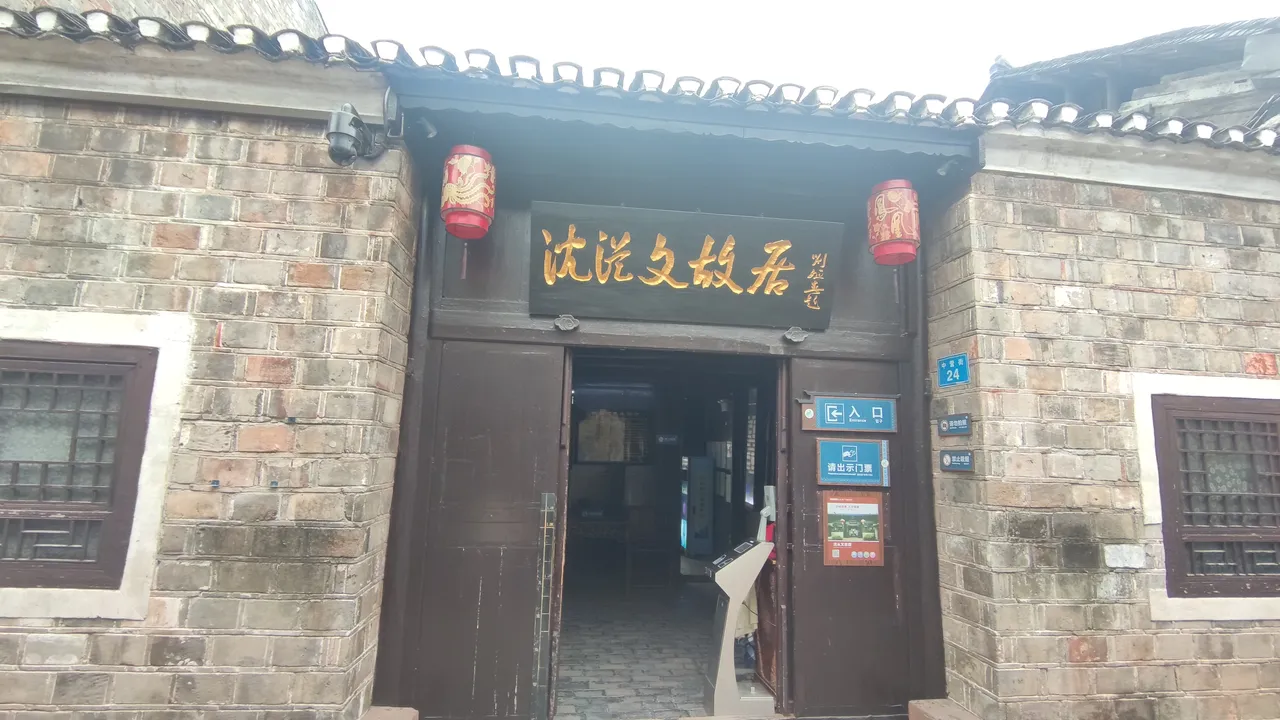
| 08:30 | The Former Residence of Shen Congwen: Morning on Zhongying Street |
| 11:00 | The Tiaoyan Stepping Stones and North Gate Wharf: Two Rows of Stones over a River |
| 14:30 | Tuo River Boating: The Stilt Houses from the Water |
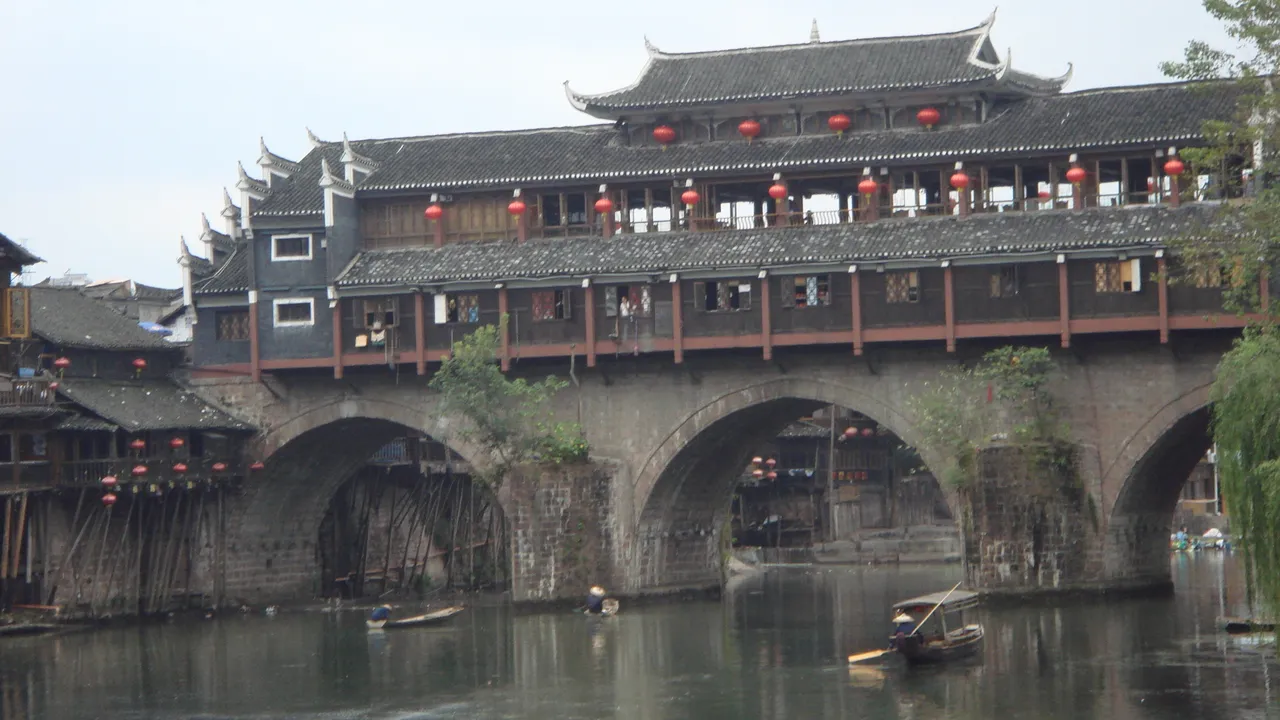
| 19:00 | Hongqiao and the Night View: The Tuo after the Lamps Come On |
The route, stop by stop
The Former Residence of Shen Congwen: Morning on Zhongying Street
Open the day at Shen Congwen's residence. This courtyard house of post-and-beam timber is where the writer was born and grew up, its sunwell, desk and bedroom restored to old form, with manuscripts and editions of Border Town displayed in the rear rooms. The courtyard's quiet sits one threshold from the street's noise.
The right way to visit is to read: the life on the panels, and the route by which he carried the west Hunan border into world literature. An hour suffices, and turning left outside drops you into the town's lane web, old houses and ancestral halls within reach.
The Tiaoyan Stepping Stones and North Gate Wharf: Two Rows of Stones over a River
The stepping stones are the river's most famous image: two rows of stone piers, one high, one low, walkers passing sideways. Look ahead and plant each step; travelers with big bags or strollers take the wooden bridge beside. The gaps were set to local strides, and a slow pace never wobbles.
The North Gate wharf lies beside the stones, once the water gate where journeys began. Look back from the jetty and Wanshou Palace, Hongqiao and the stilt-house rows share one frame, the town's classic postcard. Lunch in the riverside lanes, with blood-glutinous-rice duck the mandatory order.
Tuo River Boating: The Stilt Houses from the Water
Give the hot afternoon slot to the boats. From the wharf the punters pole into midstream, and the stilt houses, washing steps and Hongqiao retreat in sequence. From the water the town reads differently: houses hanging over the current, people crouched on the stones, the whole daily life of Fenghuang on this one reach.
The run lasts twenty to thirty minutes, mostly downstream. Dawn and pre-sunset light softens everything, while midday glare bounces hard off the water, so watch your angle.
Hongqiao and the Night View: The Tuo after the Lamps Come On
After dark the Tuo becomes another river: lamp strips on the stilt houses, Hongqiao's lit outline, boat reflections stacking on the water. The night cruise hits its most photogenic window after the lamps, and the lamps look far better from the water than the water does from the bank.
Hongqiao spans the river with shops and viewing decks. After dinner, take any stretch of riverside steps, watch the lights, listen to the current, feel the wind: the correct way to end a Fenghuang day.
| Getting around |
|
| Budget | The joint ticket for the town's core sights follows on-site postings, boating tens of yuan extra; meals run RMB 50-80, some RMB 150-250 pp for the day. |
| Best time | Apr-Jun and Sep-Nov steadiest; boat in the morning or before sunset, night views peak after 7:30 pm, and holiday crowds double inside the walls. |
FAQs
How do tickets work in the old town, and what does the joint pass include?
The core sights, Shen Congwen's house, Xiong Xiling's and the Yang ancestral hall among them, run on a joint pass whose coverage and price have shifted in recent years; follow the same-day postings. Boating and night cruises bill separately. Streets and riverside stay free, so buy the pass only by taste.
What is the easiest way from the rail station to the old town?
A scenic-area shuttle runs from the station toward the old town in twenty to thirty minutes, with taxis and pooled cars as options. On evening arrivals favor the official shuttle or taxis and settle the fare before boarding; no cars enter the town, so alight at the nearest gate and walk in.
If boating and the night cruise fit only once in a day, which wins?
Take the night cruise. Daylight boating shows architecture and water that walking already delivers seven-tenths of, while the lamp reflections exist only from the water, and the lit river is Fenghuang's calling card. With spare hours do both, daylight slots at dawn or before sunset.
Any practical cautions for one day in the old town?
Three things: flagstones and stones slick in rain, wear grip shoes; the lanes repeat, so fix Hongqiao and the gates as landmarks; and ask prices before ordering riverside or at night markets, comparing ginger candy and silverwork first. Cash is nearly dead here, phone payment works town-wide, though signal dips deep in the lanes.