
Fenghuang's shopping list is four crafts and one crop: ginger candy, Miao silver, batik and tie-dye, kiwi products, plus vacuum-packed cured pork and blood duck. The town is small, all four shop types inside walking reach, and a day lets you understand each before spending.
The day's rule is understand first, pay second: taste the candy, read the silver's stamps, check the batik's bleed, date the produce. Main-street prices run two to three tenths above the lanes, and the makers' own workshops beat any souvenir store for trust.
Itinerary at a glance
| 09:30 | The Ginger Candy Workshops: Start with the Samples |
| 11:00 | The Miao Silver Shops: Read the Stamps, Feel the Weight |
| 14:00 | The Batik and Tie-Dye Workshops: Taking Home a Made Piece |
| 16:00 | The Local-Goods Close: Kiwi, Cured Pork and Blood Duck |
The route, stop by stop
The Ginger Candy Workshops: Start with the Samples
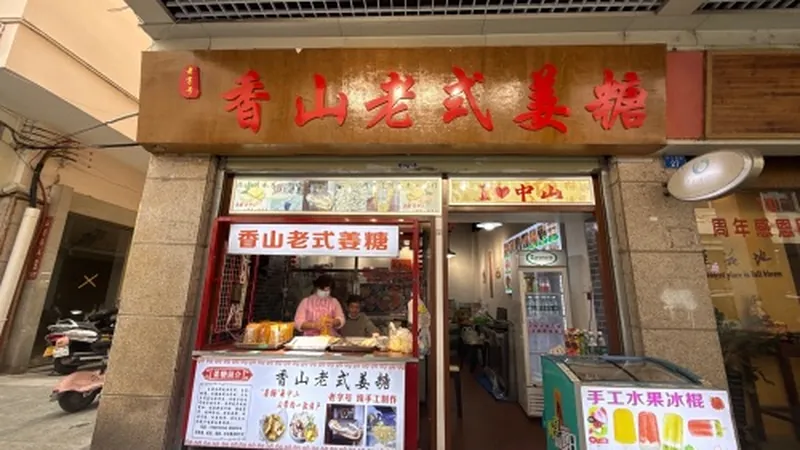
Open the shopping day at the candy workshops, where judging costs least: pulled on the spot, cut to order, samples free. Watch the master draw the mass to a shine, and a warm-cut piece with ginger heat resolving sweet is the real thing.
Buying has its craft: loose by weight is the honest deal, gift boxes run premium. For presents, pick simple boxes with handwritten labels from the workshops, more sincere than the scenic-area gift line and a notch cheaper.
The Miao Silver Shops: Read the Stamps, Feel the Weight
Miao silver anchors bridal dowries and festival dress, and the town's shops split two ways: hand-forged traditional patterns versus machine-made stock. Check stamps and stated fineness, then feel the weight; handwork's chased lines vary in depth while machine engraving repeats perfectly.
No expertise needed if you hold two lines: price by the gram with on-the-spot weighing, and demand a receipt stating the material. Among headdresses, collars, bracelets and earrings, the bracelet is the most wearable and value-steady, right for gifting or keeping.

The Batik and Tie-Dye Workshops: Taking Home a Made Piece
The afternoon belongs to batik. Wax resist and indigo runs one lineage from Fenghuang to the Guizhou border, and the workshops hang finished and half-made goods: tablecloths, scarves, cloth bags and garments. Judge batik on three things: the layers of blue and white, the naturalness of the crackle veins, and the fineness of pattern.
Most workshops offer sessions: dye your own square of cloth in about an hour, taking it home the same day. At a few tens of yuan it costs little more than buying finished, and it turns Fenghuang blue into a memory you made.
The Local-Goods Close: Kiwi, Cured Pork and Blood Duck
Close the day at the local-goods shops. The hills around Fenghuang grow outstanding kiwi, fresh fruit in autumn, dried and juiced year-round; vacuum-packed cured pork, blood duck and sour fish anchor the table gifts, so pick recent production dates.
Settle two things before packing: domestic flights generally take vacuum-sealed meats as checked baggage while most countries bar them at international customs, and fresh fruit faces its own screening limits. International travelers do better shifting budget to candy, silver and batik.
| Getting around |
|
| Budget | Loose ginger candy runs tens of yuan per jin, silver prices by the gram, batik around a hundred, and the local list assembles under a hundred, RMB 200-500 keeping the day easy. |
| Best time | Any season; silver shops idlest in the morning with time to answer questions, fresh-cut ginger candy freshest morning and dusk. |
FAQs
Is the silver in the old town genuine?
Established shops pricing by the gram with fineness marks and receipts rate trustworthy; wary of one-price, unweighed Miao silver of unclear origin, usually low-content alloy. The rule: read the stamp, weigh it, take the paper, pay only with all three, and anything far under the day's silver rate plus craft fee deserves a pass.
Can ginger candy and cured pork board planes or trains?
Candy and dried kiwi are ordinary foods, fine carry-on or checked on trains and domestic flights; vacuum meats generally ride domestic checked baggage but face meat-import bans in most countries. Check destination rules before travel, and the safest play is finishing meats on your last day in town.
How long is a batik session, and is it hard?
A square takes about an hour: waxing or tying, dipping, rinsing, each step guided, so zero-basis makers still finish. Depth of color and crackle come from dye and hand together, and imperfection is precisely the handmade value. A few tens of yuan, booked by slot.
How much haggle room exists?
Loose candy and produce price by weight with thin margins, round down on volume; silver negotiates the craft fee over the gram rate; batik and brocade flex within about thirty percent, though workshop prices are already fair, so haggle like a souvenir store's inflated tag and you insult the maker. Compare first, buy second, the universal formula here.