
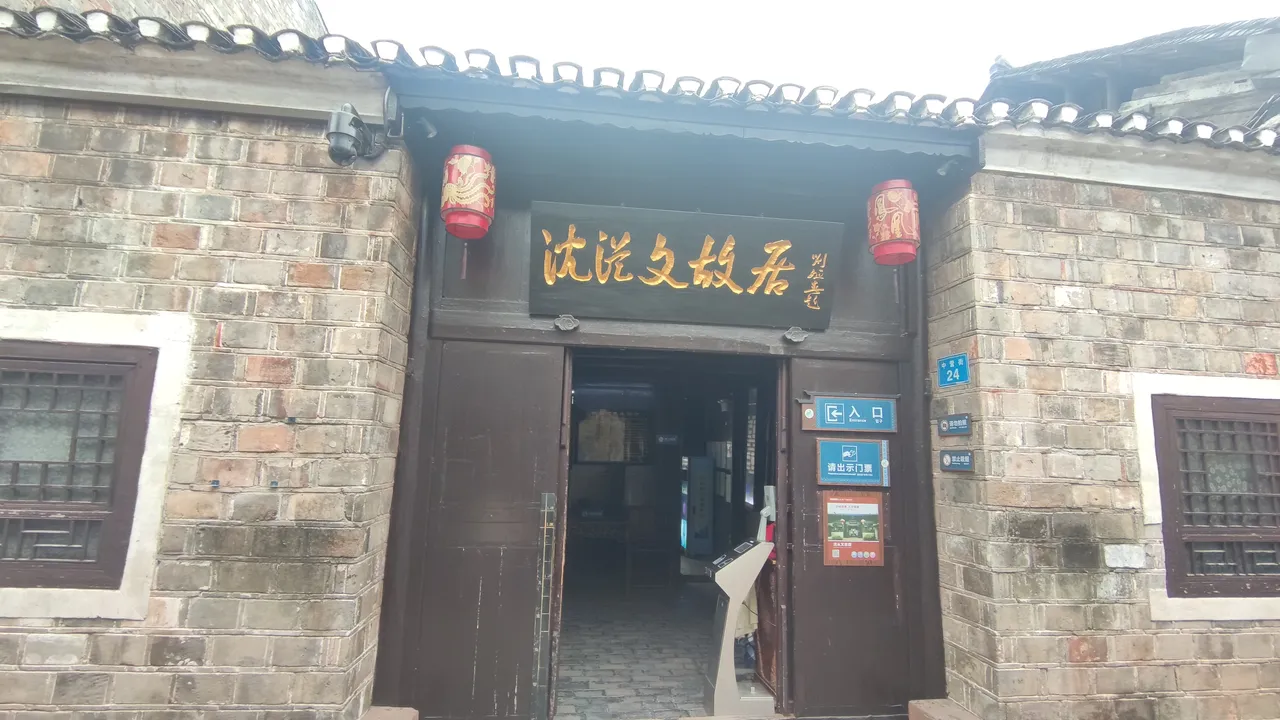
Fenghuang is a small town that produced large figures: the houses of the writer Shen Congwen and the Republican premier Xiong Xiling both stand in the old town, minutes apart on foot. Stringing two residences, one ancestral hall and one museum together reads the town's four weightiest calling cards in a day.
The culture runs dense while the legs run light, all four stops inside the walking circle. The joint pass's coverage and price have shifted in recent years, so check same-day postings before setting out; if you want more from the displays, share a guide at the residences, worth every cent.
Itinerary at a glance
| 08:30 | The Shen Congwen Residence: From Border Town to the World |
| 10:30 | The Xiong Xiling Residence: The Childhood House of a Republican Premier |
| 13:30 | The Yang Ancestral Hall and the Town Museum: Family History inside a Hall |
| 16:00 | The East Gate Tower and Old Wall: A Cultural Landing at Dusk |
The route, stop by stop
The Shen Congwen Residence: From Border Town to the World
The culture day opens at Shen Congwen's residence. This courtyard timber house keeps the rooms of the writer's birth and childhood, its displays running on manuscripts, first editions and life photographs, from which the shadow of Cuicui in Border Town slowly assembles.
View it courtyard first, rooms second: feel the light and scale of a west-Hunan dwelling in the sunwell, then read the texts inside. In late life Shen turned to dress history, and the display of his study of ancient Chinese clothing rewards a long pause.
The Xiong Xiling Residence: The Childhood House of a Republican Premier
A few minutes' walk from Shen's house stands the Xiong Xiling residence, birthplace of the early Republic's premier. The house is modest and the display biographical: from west-Hunan prodigy to philanthropic educator, he poured his fortune into charity and founded the Xiangshan children's home.
The pairing of the two houses is the real exhibit: one giant of letters who wrote the border region, one statesman-philanthropist who spent a life on deeds, both careers setting out from these few lanes. Forty minutes covers it.
The Yang Ancestral Hall and the Town Museum: Family History inside a Hall
After lunch visit the Yang ancestral hall, a Qing family temple of a military lineage, its stage, sunwell and ancestral tablets in full array, wood carving and paint well kept. Local opera and folk shows often play here, a bonus show when timing lands.
The Fenghuang town museum in the same block gathers the town's history, folkways and Miao silversmithing under one roof, complementing the residences: the houses tell of people, the hall of a family, the museum of the town. An hour covers both.
The East Gate Tower and Old Wall: A Cultural Landing at Dusk
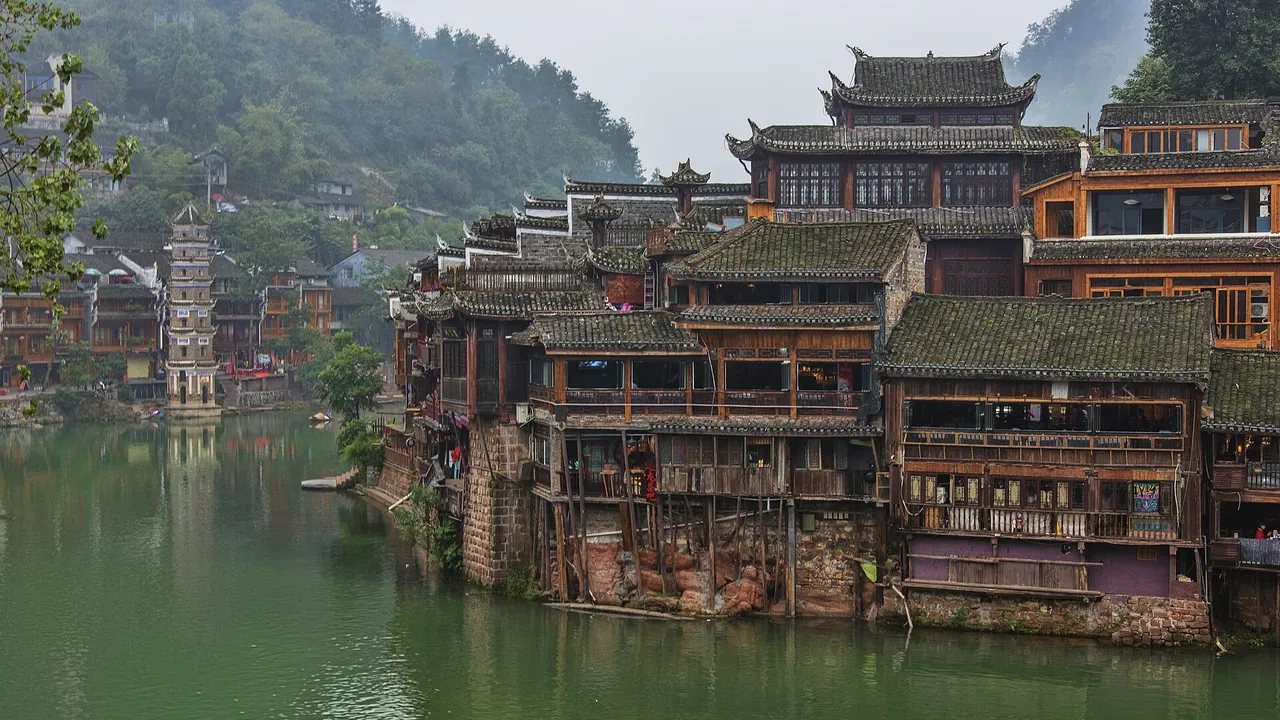
The culture day's last stop is the East Gate Tower. From the parapet, the Tuo and stilt houses lie beyond the battlements, gray roofs inside. Having spent the day reading people, read the town itself from the wall at dusk: defense, river trade and family, the three keywords of its history.
Descend and walk a stretch of bank, replaying the four venues in your head. Lamps and boats take the river at night, so let the culture day close loosely.
| Getting around |
|
| Budget | All four sights fall within the core-sight joint pass, whose terms and price follow same-day postings; guiding bills separately. |
| Best time | Year-round, weatherproof inside; morning light suits the courtyards, while tour groups thicken after midday in peak season, so go early. |
FAQs
Can I buy single tickets instead of the joint pass?
The core sights mostly run on the joint pass; whether singles sell, and at what price, follows same-day postings. Three or more venues usually make the pass cheaper; for just one residence, ask the box office about single rules before deciding and skip double spending.
Do I need a guide?
Depends on depth: the two residences' panels read fine on their own, but without background in west-Hunan family history or Miao silversmithing, a shared guide multiplies the hall and museum's value. Guide groups often form at the residence gates for tens of yuan a head.
Will kids find the old houses dull?
It need not be: tell the Shen house as the courtyard where the grandpa who wrote Border Town grew up, the hall's stage as an ancient theater, then let kids count battlements and watch boats from the wall. Cap each indoor stop at half an hour, interleaving riverside walks, and the day lands whole.
How do I choose between the culture day and the classic day?
Taste decides: for pictures, boating, stones and night views, take the classic line; for why this town bred talent and what Miao culture looks like, take the culture line. With time for both they never conflict: museums in the morning, the river in the afternoon.