
Guangzhou people call eating taan, to savor: taan morning tea, taan fine soup, one character meaning slow enjoyment. This day follows the local stomach clock: morning tea as the main event with a full two hours, no real lunch but guerrilla Xiguan snacking, an afternoon dim sum encore, and a wok-breathed sizzling claypot close.
The route stays in the old city: teahouse, Shangxiajiu, Lychee Lake and the Binjiang West bank, linked by metro and foot, no leg over twenty minutes. The only variable to manage is stomach capacity; the Guangzhou rule is small portions and many orders, never one full sweep.
Itinerary at a glance
| 08:30 | Dian Du De: The Regular Army of One Pot, Two Plates |
| 12:30 | The Old Brands of Shangxiajiu: A Guerrilla Lunch under the Arcades |
| 15:30 | Panxi Restaurant: A Garden Afternoon Tea by Lychee Lake |
| 18:30 | Huishijia: Closing on a Sizzling Claypot |
The route, stop by stop
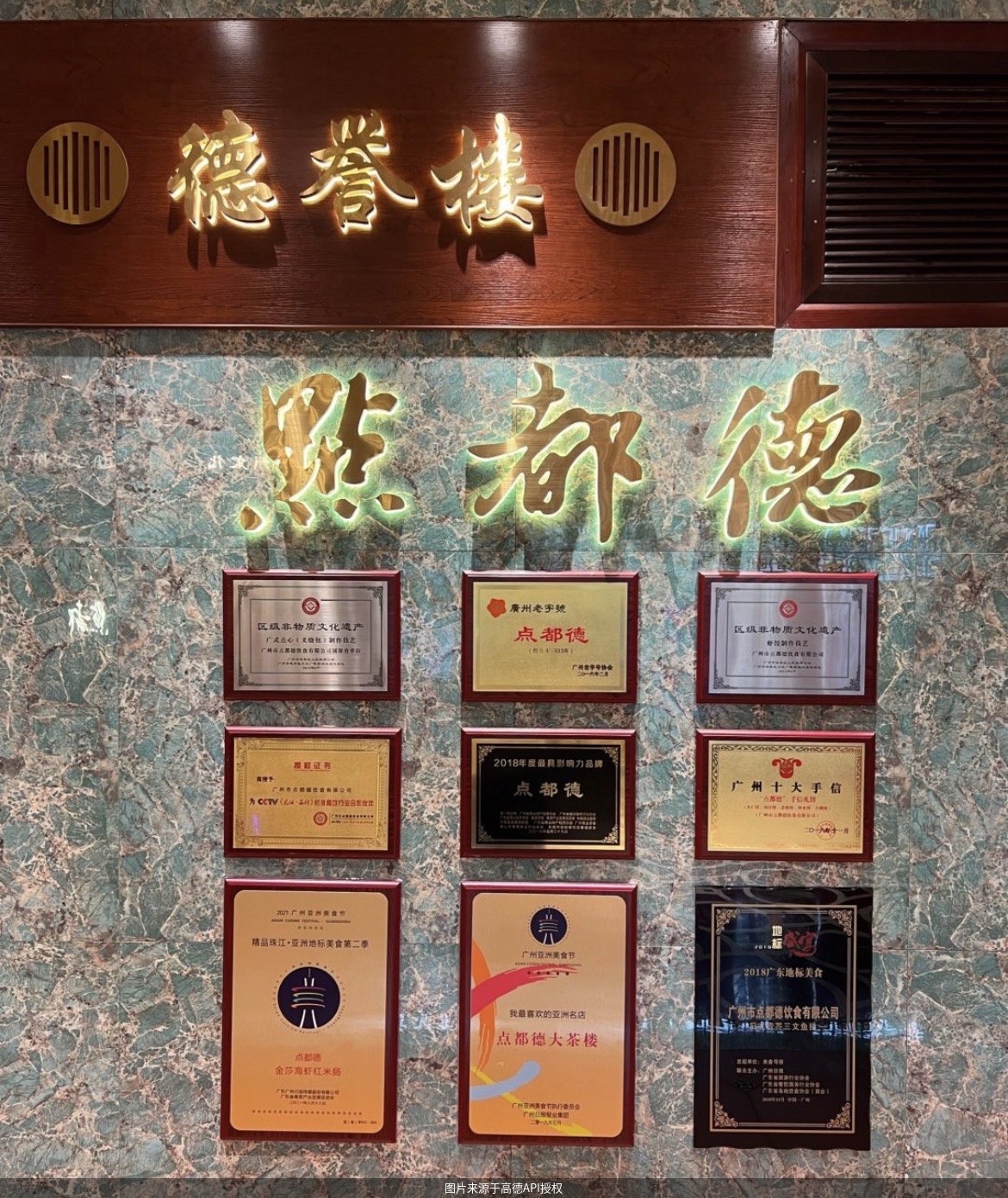
Dian Du De: The Regular Army of One Pot, Two Plates
Dian Du De is Guangzhou's national-chain backbone for morning tea, branches thick across the old city. Har gow, pork-and-shrimp siu mai, black-bean chicken feet and the golden red-rice roll head the must-order list, fast from the steamer and steady in quality, a no-trap room for first-timers.
The right pace is unhurried: a pot of pu'er, dim sum ordered basket by basket, a sweet soup to close. Arrive at half past eight and queues barely exist; family crowds after ten double the wait.
The Old Brands of Shangxiajiu: A Guerrilla Lunch under the Arcades
No real lunch; fight a guerrilla campaign under the Shangxiajiu arcades: Chen Tianji's chilled fish-skin salad with peanuts and coriander for crunch, Nanxin's double-skin and ginger milk for sweets, Baohua's fresh-shrimp wonton noodles for a sweet-savory broth, all chained within five minutes' walk.
The guerrilla rule: one portion of each, shared. A few chopsticks of fish skin per person suffice. Afterward digest by walking the arcades toward Hualin Temple, the jade street's street life matching the meal.
Panxi Restaurant: A Garden Afternoon Tea by Lychee Lake
Panxi is the country's largest garden restaurant, pavilions and water terraces built along Lychee Lake; dim sum by the window frames lake views and banyans, an ambience in a class of its own downtown. The afternoon's anchors are har gow, water-chestnut cake and durian puffs.
After three the main hall frees up without mealtimes queues. Portions run refined; pair a pot of chrysanthemum or pu'er and stretch the sitting to two hours, the day's most comfortable two.
Huishijia: Closing on a Sizzling Claypot
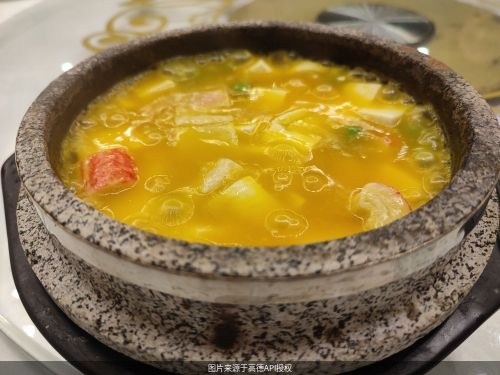
Dinner goes to wok breath. Huishijia's zhe zhe claypots are the city's signature night meal: eel, chicken and spare ribs dry-seared over fierce flame in earthenware, the lid lifting with a hiss of sauce and char. Pair blanched choy sum and a pot of silky rice, and this is a proper Cantonese dinner.
Claypots cook to order, twenty minutes of waiting being normal, so order first and study the menu after. For soup, watercress with dried duck gizzard; at a Cantonese table, every pot deserves its soup.
| Getting around |
|
| Budget | RMB 180-320 pp: morning tea RMB 60-100, snacks RMB 40-80, garden-restaurant dim sum RMB 60-100, claypot dinner RMB 80-140. |
| Best time | Any season; dodge tea queues before eight or after ten, Panxi frees tables after two, and famous dinner rooms queue past seven. |
FAQs
Can one person finish this eating line?
Not at a normal appetite, nor should you finish it. The right play is seventy percent across four sittings: four baskets at tea, half of each snack, two baskets at afternoon tea, one pot plus one vegetable at dinner. Guangzhou's small portions make solo execution work; the discipline is never over-ordering within a sitting.
Does morning tea have to be an old brand?
Not necessarily. Chains like Dian Du De run stable quality in modern rooms, right for a first experience; old brands like Tao Tao Ju and Guangzhou Restaurant win on atmosphere and history, with quality varying by branch. Practice at a chain first, then learn the old-school one-pot-two-plates rituals at an old brand, in that order.
How should diners avoid offal or exotic items order?
This line avoids them easily: morning tea centers on har gow and siu mai, trade fish skin for double-skin milk, and order the chicken or rib version of the claypot. Note that changfen rice rolls contain no offal despite the name, so order freely; simply sidestep anything labeled beef offal trio or paddy worms.
Which meal queues worst, and how do I beat it?
The evening claypot runs fiercest, with waits from forty minutes after seven at hot branches. Beat it by arriving before half past six or taking an online number and strolling the river meanwhile; morning tea peaks dissolve before half past eight or after ten, and Panxi's afternoon tea barely queues after three. Stagger all four sittings off peak and total daily queuing drops under half an hour.