
Guizhou's cultural depth is chronically underrated: prehistoric marine reptiles and fossil beds, the gold and silver of the Bozhou chieftains, and the full regalia and silver ornaments of seventeen long-settled ethnic groups including Miao, Dong and Buyi. Linking Guiyang's museums into one day reads the whole provincial archive in order.
The day hinges on bookings and closing days. The provincial and ethnic museums are free but ticketed via official channels a day or two ahead; the workshop teaches small classes and needs notice in peak season. Order it as history in the morning, ethnic arts in the afternoon, hands-on at dusk, and you leave with your own batik piece.
Itinerary at a glance
| 09:00 | Guizhou Provincial Museum: The First Hour with the Fossils |
| 11:30 | Guizhou Provincial Ethnic Museum: Regalia of Seventeen Peoples |
| 14:30 | Guizhou Art Museum: The Contemporary Lens on a Highland Province |
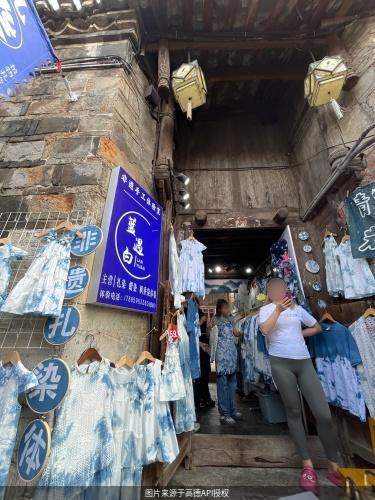
| 16:30 | Lanyubai Batik Studio: Making Your Own Piece of Blue |
The route, stop by stop
Guizhou Provincial Museum: The First Hour with the Fossils
Enter at opening and head for nature first. Guizhou is a heavyweight of Chinese paleontology, with Keichousaurus and the Guanling ichthyosaurs displayed as their own unit; over two hundred million years ago this was ocean, and the fossil wall is the best opening line.
Then run the historical sequence: bronze wares of the Yelang era, the gold, silver and pottery figures from Bozhou chieftain tombs, and onward through the Ming and Qing, giving you a full coordinate system for where Guizhou came from. The ethnic galleries overlap with your afternoon stop, so pass quickly and keep the weight on general history.
Guizhou Provincial Ethnic Museum: Regalia of Seventeen Peoples
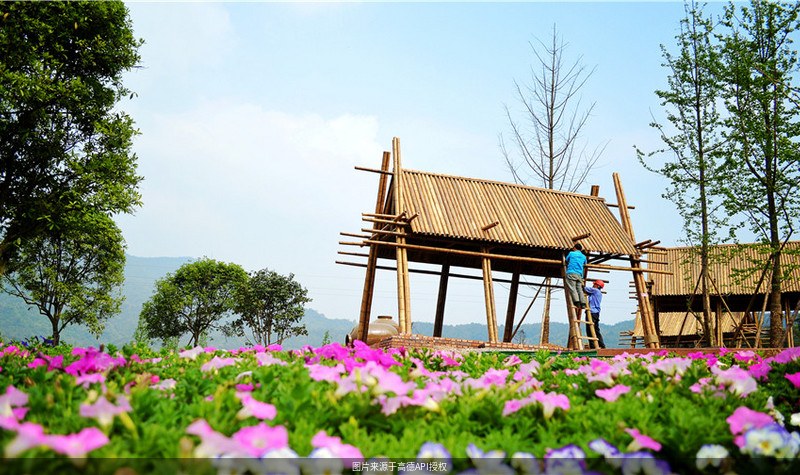
Midday, move to the older downtown branch, whose home ground is ethnic material: Miao hundred-bird coats, Dong shiny cloth, silver horns and crowns, batik and embroidery in full series, ranking among the country's best costume collections. Standing before one complete Miao outfit, the weight of silver and density of stitching will reset your idea of handicraft.
The museum runs small, ninety minutes enough. Where the provincial museum gives grand chronology, this one tells people and their lives: migration patterns on a silver torc, totemic memory on a bird coat; one understood piece repays the trip, and entry is free. Lunch nearby is easy, with wrap stalls and noodle shops dense in the lanes.
Guizhou Art Museum: The Contemporary Lens on a Highland Province
Give the afternoon museum an hour or two. The Guizhou Art Museum is the province's main stage for exhibitions on rolling schedules, mixing permanent and temporary shows: ethnic-themed oil painting, Miao and Dong village photography, contemporary ink, with the occasional national touring blockbuster.
The building itself rewards a look, its atrium and circulation among the better gallery designs in southwest China's cities. Rest areas between halls make it the day's best halftime, a chance to digest the morning; before leaving, scan the ground-floor design shop for Guizhou-themed postcards and picture books.
Lanyubai Batik Studio: Making Your Own Piece of Blue
Close with your hands. Lanyubai is an intangible-heritage craft studio running small classes in batik and tie-dye: drawing with the wax knife, dipping into the indigo vat, watching the blue oxidize, two hours turning white cloth into your own piece, more soothing than expected.
Guizhou batik is called the first dye of the East, with Miao totems like the Butterfly Mother and bronze-drum motifs waiting in the pattern library while the teacher explains each line's origin. The dried, mounted piece is the most honest souvenir of all. If costume patterns pull you deeper, add the Oudonghua Ethnic Costume Museum, a dedicated collection, earlier in the day.
| Getting around |
|
| Budget | Major museums are free with booking; the hands-on workshop runs RMB 100-200 pp, so about RMB 200 covers the day. |
| Best time | Year-round with climate-controlled halls; most venues close Mondays, so plan around it. |
FAQs
How should I arrange transit between the museums?
Reach the provincial museum in Guanshanhu by metro from downtown; the ethnic and art museums sit in the old town and chain to the studio on foot or by flag-fare taxis. Skip driving altogether since museum parking is tight; metro plus taxi is the standard museum-day move.
How do free museum bookings work, and what if slots run out?
Both the provincial and ethnic museums book by real name on official WeChat accounts, releasing slots one to seven days ahead, with peak-weekend mornings tightest. If sold out, camp for cancellations, switch to afternoon slots, or flip your order. Special exhibitions may charge separately per the day's notices.
If I must choose between the provincial and ethnic museums, which one?
With half a day, take the provincial museum for its fuller sweep of history, fossils and chieftain artifacts; if ethnic dress, silver and batik pull you, the ethnic museum packs denser treasures. Since both are free, the only cost is time, and a full day fits both, so do not agonize.
Does the craft workshop need prior skill, and is it good for kids?
Zero experience is fine; the teacher starts from how to hold the wax knife, with templates from simple to complex. Kids over five or six can finish simple tie-dye alone, while batik line work takes some patience with a parent alongside. Dyes and wax are safe, but watch children near the hot wax pot.