
Guiyang's shopping map has two layers: the new city of mega-district commercial zones like Huaguoyuan, with MIXC and Hunter City Mall representing modern retail, and the old Guizhou of the Intangible Heritage Museum, where Miao embroidery, batik, silver and Nuo masks make souvenirs with provenance.
Budget discipline beats routing on a shopping day. Three rules: compare mall staples against online prices first; for ethnic crafts, check handwork marks and heritage certification, since machine-made should cost an order less; and buy food souvenirs at supermarkets or the museum, cheaper than sight-stall prices with honest shelf dates.
Itinerary at a glance
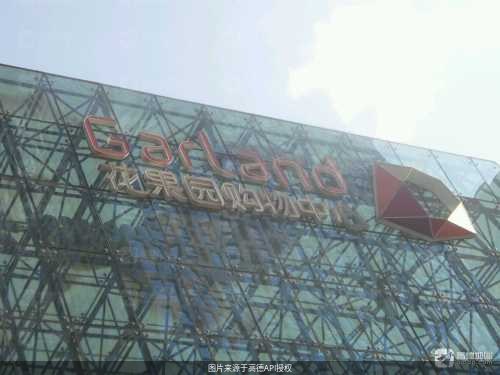
| 09:30 | Huaguoyuan Shopping Center: The Scale of a Mega-District |
| 11:30 | Guiyang MIXC: Lunch and the Mid-Luxury Main Force |
| 14:30 | Hunter City Mall: Practical Sweeps by the Old-Town River |
| 17:00 | Guizhou Intangible Heritage Museum: Souvenirs with Provenance |
The route, stop by stop
Huaguoyuan Shopping Center: The Scale of a Mega-District
Huaguoyuan is Guiyang's most famous mega-district, hundreds of thousands of residents inside a forest of towers, and the mall is its heart. Before ten the halls are emptiest, cosmetics and sport counters run complete, chain prices match the national standard, and the real wins are full size runs and stacked promotions.
Do not rush off: the White House art center and twin towers are the district's landmark backdrop, free to shoot. Basement and surrounding eateries price friendly, so take brunch here and save the afternoon for serious buying.
Guiyang MIXC: Lunch and the Mid-Luxury Main Force
MIXC anchors the city's top mall tier, mid-luxury and designer brands fairly complete, with a dining floor among the city's best. Eat lunch here: Guizhou restaurants, chains and bakeries all present; take a queue number at peak and browse floors one and two while waiting.
Buying strategy: price international brands online first and commit when the gap is real; try local designers and fragrance houses in person, a layer of experience online cannot match. Departing travelers should keep receipts and ask the service desk about refund rules on the spot rather than fixing it later.
Hunter City Mall: Practical Sweeps by the Old-Town River
In the afternoon return to the riverside Hunter City Mall, trusted by old Guiyang for years, strongest in sportswear, outdoor and home categories with a solid local reputation for sale-season pricing. Its positioning sits apart from MIXC, one for the new, one for the practical.
Arrive with a clear list: sneakers, luggage, small appliances for family; price every standard item against e-commerce before paying. Top-floor and basement dining runs cheap, and a local coffee facing the Nanming is the right breather, since a shopping day need not stay taut throughout.
Guizhou Intangible Heritage Museum: Souvenirs with Provenance
Give the closing evening to the heritage museum inside Colorful Guizhou City. Its halls systematize Miao embroidery, batik, silver forging, Nuo masks and the Dong grand song, with master-artisan workshops and a sales area where every piece can be traced to a county and a craft lineage.
Three souvenirs earn their keep: a hand-batiked square scarf (tens to a hundred-odd yuan), small Miao silver pieces (priced by gram, look for the fine-silver mark), and Nuo mask pendants (tens of yuan, light to pack). They cost a bit more than sight-stall goods and less than nothing in peace of mind, each traceable to its maker.
| Getting around |
|
| Budget | Standard souvenirs run RMB 200-600; genuine silver and batik are open-ended, so set a budget before entering. |
| Best time | Any season; weekends pack the malls but concentrate promotions, while the heritage museum rewards quiet weekdays. |
FAQs
How far apart are Huaguoyuan and MIXC, and what is the easiest way between them?
The ride takes about twenty minutes, with taxis the most direct link and public transit needing a transfer or so. Order the malls as Huaguoyuan, MIXC, then Hunter into one through-line, keep the heritage museum for the evening toward the airport, and the day never doubles back.
Does the heritage museum charge, and are its goods expensive?
The halls are normally free, with special events notified separately. Prices run three tiers: scarves and Nuo pendants from tens of yuan, mid-range embroidery and batik wear at one to two hundred, hand silver by the gram. Three hundred yuan covers three provenance-backed gifts, top value in Guiyang.
How do I tell genuine handwork silver and batik from fakes?
For silver check three things: the fine-silver assay mark, irregular hammer textures, and seam and filigree detail, since machine pieces look too uniform. For batik look for crackle veins, the natural crack texture inside hand-dyed indigo that prints lack. If unsure, buy only small tens-of-yuan pieces, or spend on a workshop and make your own.
Which Guiyang specialties can leave on an international flight?
Batik textiles, Nuo pendants and teas all travel, with batik dry-cleaned and bagged against wrinkles; most countries bar meat products and fresh fruit, so chili chicken and cured pork must stay domestic. Declare high-value silver, and keep receipts and assay certificates handy.