
Most visitors drink one cup at the mouth of Longjing Village and leave, but the world of Longjing is larger: the core appellation splits into five namesakes, Shi Feng, Longjing, Yunqi, Hupao and Meijiawu, each with its own elevation, soil and roasting details; the craft runs through ten steps from withering to final pan-firing; and brewing has its own grammar of water temperature, vessel and dose. Three days suffice to walk the whole chain.
The structure escalates: day one builds the framework at the museum with a first comparative tasting in Longjing Village; day two digs into Meijiawu, the larger, quieter core village, then unwinds through the Cloud-Lodge bamboo grove; day three walks the Nine Creeks valley to see how the water feeds the downstream terraces, then returns to buy the teas worth carrying home. One theme, deepened daily, theme travel at its cleanest.
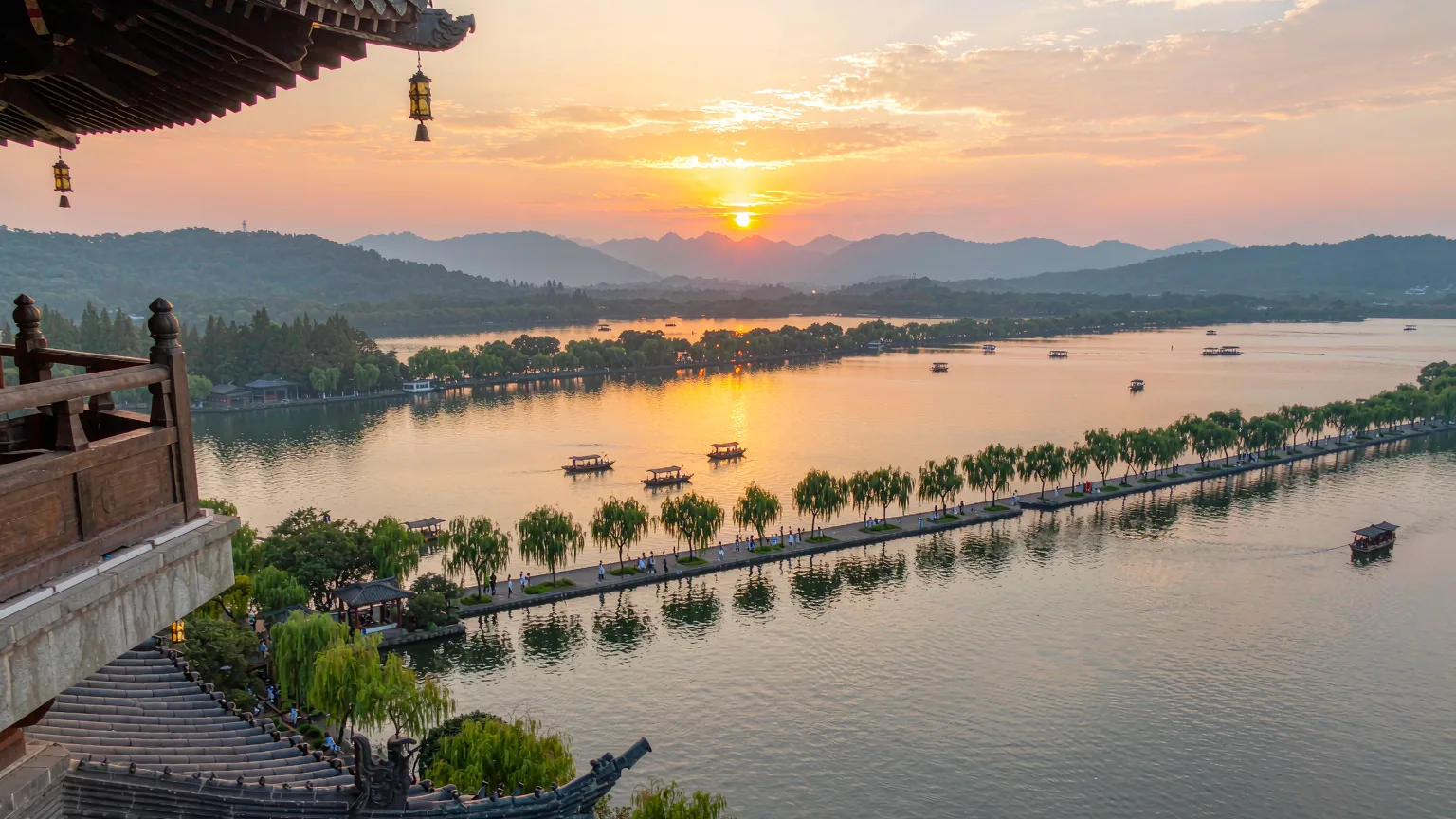
Itinerary at a glance
| DAY1 09:30 | Tea Museum, Then Longjing Village: Build the Map First |
| DAY2 09:00 | Meijiawu and Yunqi Grove: The Other Core Village and Its Bamboo |
| DAY3 09:00 | Nine Creeks and the Final Order: Following the Water That Feeds the Tea |
The route, stop by stop
Tea Museum, Then Longjing Village: Build the Map First
Day one builds the coordinate system. Spend two morning hours at the free National Tea Museum Shuangfeng branch (closed Mondays) walking the history, wares and brewing galleries, locking in three facts: Longjing is a green tea, pan-fired rather than dried, and Shi Feng sits at the top of the five core appellations. Catch the free brewing demo if your day is a weekend.
Lunch simply near the museum or on Longjing Road, then enter the village for round one of tasting, cheap on purpose: ask a farmer to brew three cups from everyday grade up to top picking and train your tongue on freshness and layers of bean aroma, ticking off the eighteen imperial tea bushes at the gate. Walking in with museum vocabulary changes the whole conversation.
Evening back at Hubin: pick a tea-themed restaurant or teahouse, replay the day's sensory notes, and write down your palate preferences; the next two days of buying will follow that note.
Meijiawu and Yunqi Grove: The Other Core Village and Its Bamboo
Day two belongs to Meijiawu, spreading along a wide valley with far more tea acreage than Longjing Village, dense with farmhouse teahouses and thin on tourists, so comparable tastings typically run 20 to 30 percent cheaper. Spend the morning in an early-opening house comparing samples against yesterday's Longjing cups: Meijiawu teas often lift a bit higher in aroma and hit a little harder in flavor, and only after both villages can preference mean anything.
Harvest season justifies this day most: pickers work both slopes, drying grounds line the lane, and some teahouses open their kitchens to show the firing, hands tossing leaves in a pan over two-hundred-degree heat, worth watching once. Lunch is at the teahouse, tea-smoked chicken, river snails and farm vegetables beside fresh brews, 60 to 100 yuan a head.
In the afternoon, walk 20 minutes up the road to Yunqi Bamboo Grove (8 yuan), a thousand-year bamboo trail and the quietest walk west of the lake, about 90 minutes out and back with a creek alongside. You leave the grove with the trip's center of gravity shifted from taste to terroir.
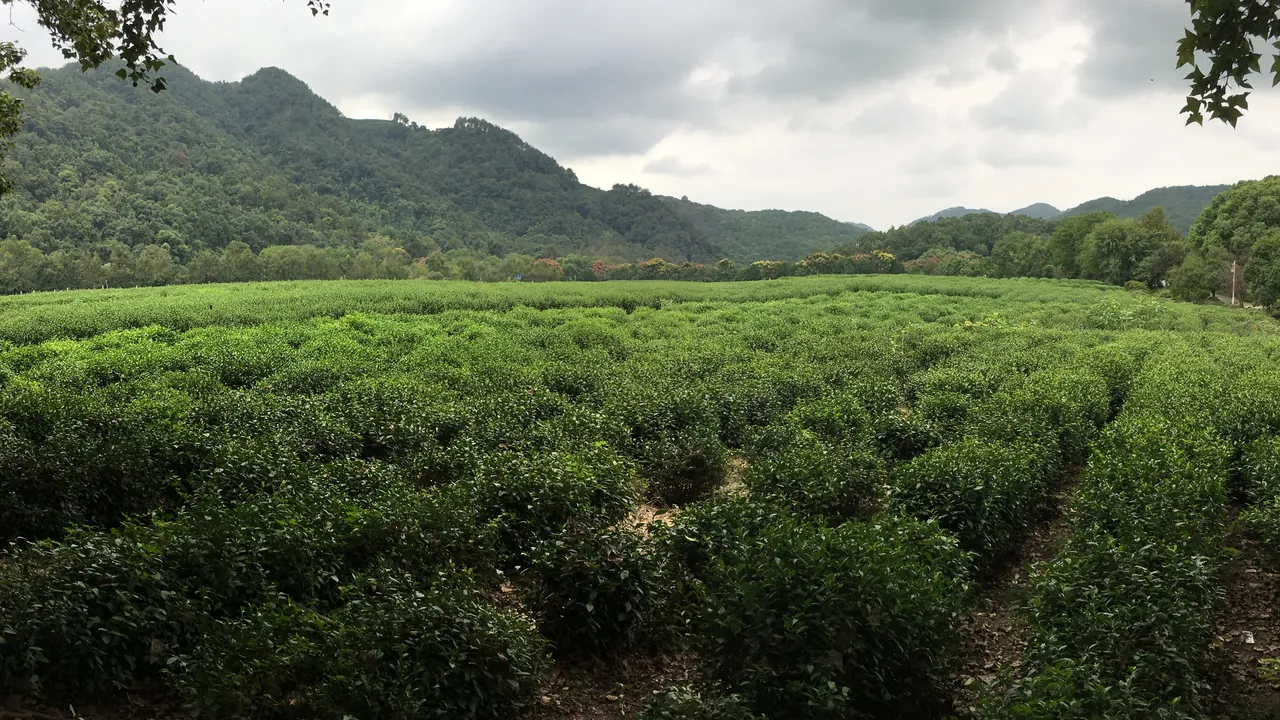
Nine Creeks and the Final Order: Following the Water That Feeds the Tea
The last morning enters the valley at the Nine Creeks bus stop, climbing past the forest pavilions toward Yangmeiling, a creek gorge that doubles as a field lesson in how the Qiantang watershed feeds the tea hills: terraced gardens line both slopes, and the logic of humidity, mist and drainage explains itself at a glance. An easy two hours out and back, ideal for replaying three days of learning.
At midday, return to Longjing or Meijiawu for the final decision. Three rules: buy only a tea you tasted and can name; get picking date and grade written on the receipt; for daily drinking, 250 grams is plenty, replenished fresher than a hoarded tin. Benchmarks run 200 to 600 yuan per 500 grams for pre-Grain-Rains everyday grades, hundreds to thousands for pre-Qingming.
Keep the afternoon elastic: with time, add Hupao Spring (about 15 yuan), since brewing Longjing with Hupao water is the old Hangzhou pairing; if pressed, ride straight back and pack. Ending three days with a tin matched to your own palate outlasts any souvenir.
| Getting around |
|
| Budget | About 500 to 1,000 yuan per person: tastings and tea purchases swing widest at 100 to 600, food around 200, tickets and transit near 100, museum free. |
| Best time | Late March to mid-April, harvest season, is the only window with full wok-roasting scenes; September to November brings quiet autumn teas at better prices; winter shifts focus to the museum and brewing. |
FAQs
Will three days of tea bore someone who knows nothing about it?
Quite the opposite, knowing nothing is the best starting state, because the learning curve is steepest: the museum lifts a beginner to question-asking level on day one, the first side-by-side tasting delivers the first perceptible jolt, and by day two's two-village comparison you can already name differences in aroma and body. Bamboo groves, creek walks and farmhouse lunches keep bodies and eyes busy beyond the palate. What actually bores people is three days seated in teahouses; this route runs about forty percent on foot precisely to prevent that.
Outside harvest season, which months still justify this route?
September to November is the runner-up: autumn teas cost less than pre-Qingming fame, teahouses sit quiet, and osmanthus plus autumn color upgrade the walks. May to August is shoulder season with brilliantly green hills and normal tastings, minus the roasting scenes, a modest discount on the village experience. December to February is the quietest, dormant terraces but fully open museum, indoor tastings and brewing classes, suiting a knowledge-first trip. In short, the route works all year, harvest simply adds the most spectacle.
What should tastings plus purchases realistically cost across the trip?
Tastings run 30 to 80 yuan per head per village, so two rounds land near 100 to 150, cheaper if a meal offsets the fee. Purchases swing widest: daily-drinking 250 grams of pre-Grain-Rains caps at 150 to 300, while a smitten upgrade to top pre-Qingming can run hundreds to a thousand a tin. Set a hard ceiling before entering the villages, say 500 yuan, and make every decision inside it. Overall the three days cost about 500 to 1,000 per person excluding lodging, half of it tea, decided entirely at the moment of purchase.
What etiquette applies when tasting in a farmer's home?
The basics are simple: once seated, the host warms the cups, and the first brew invites you to smell first; the courteous reply is a real smell and a real comment, and naming bean or chestnut notes delights the host. Small sips with a light slurp are acceptable, even read as praise. Not buying is fine, thank them after three or four cups and leave gracefully, but haggling hard and then walking away is not. Ask before photographing, especially roasting scenes. And with kids, keep hands off the wares, the one boundary that matters most in a tea home.