
Hangzhou cuisine gets mislabeled as bland, when really it runs two tracks at once: clean, umami-driven dishes like West Lake vinegar fish and Longjing shrimp on one side, and rich soy-braised plates like Dongpo pork and soy-brined duck on the other, with street foods such as piansuan noodles, cat-ear pasta and dingsheng cakes holding up the everyday end. The challenge is rationing your stomach across a day or two while dodging the tourist chains.
This route plans five to six eating moments: noodles fresh off the wok for breakfast, rice cakes and scallion rolls mid-morning, a proper sit-down lunch of Dongpo pork and shrimp, a copper-pot tea paste break on Hefang Street, and the vinegar fish finale at a lakeside institution. Each stop lists what to order and what it costs; couples should share plates, which is the highest-coverage way to eat here.
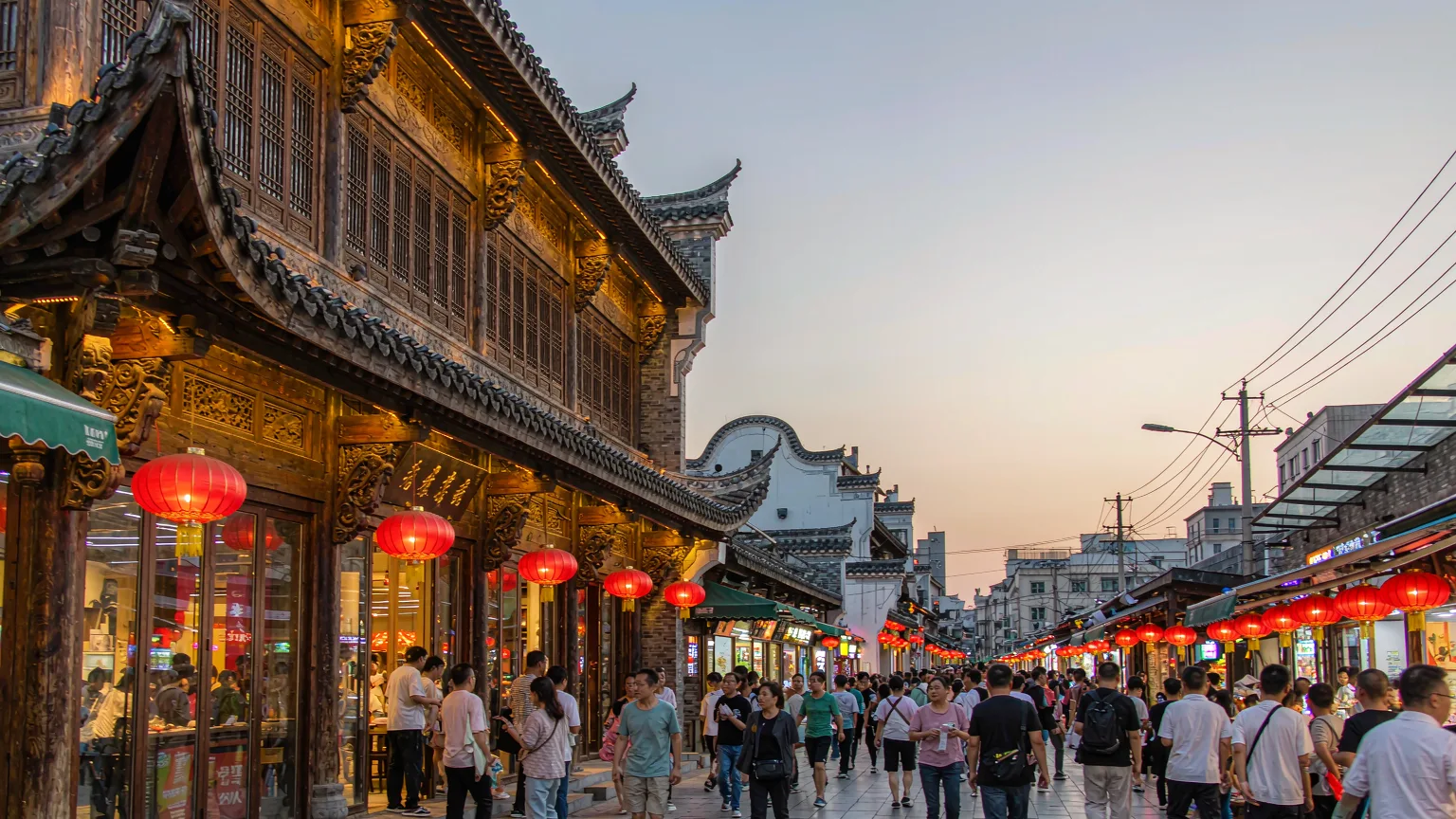
Itinerary at a glance
| 08:00 | Pian'erchuan Breakfast: The Science of a Noodle Bowl |
| 10:00 | Dingsheng Cake and Scallion Rolls: Two Century-Old Street Snacks |
| 11:30 | The Main Meal: Ordering Dongpo Pork and Longjing Shrimp |
| 14:30 | Afternoon Break: Copper-Pot Tea Paste and Osmanthus Sweets |
| 17:30 | Vinegar Fish Finale: Getting the Controversial Dish Right |
The route, stop by stop
Pian'erchuan Breakfast: The Science of a Noodle Bowl
Pian'erchuan is the face of Hangzhou noodles: preserved mustard greens, bamboo shoots and sliced pork wok-fried first, then broth and noodles added in a single-serve wok, giving a springy, firm bite. Quality lives or dies on the bamboo; spring shoots from the hills multiply the freshness compared to canned, which is why old-timers only swear by spring versions. Heritage houses like Kuiyuan and countless neighborhood shops each have loyalists, 15 to 30 yuan a bowl.
Add a fried egg or upgrade to the shrimp-and-eel topping for 10 to 20 yuan more, worth trying once. A local quirk is guoqiao, the toppings arriving on a side plate for you to fold in yourself, controlling the salt. Arrive around 8 am when retired regulars fill half the tables; order whatever they order.
Do not rush off: many noodle shops share a wall with a baked-shaobing stall, 2 to 3 yuan each, splendid wrapped around a fried dough stick, the second movement of a proper Hangzhou breakfast if your stomach allows.
Dingsheng Cake and Scallion Rolls: Two Century-Old Street Snacks
Dingsheng cake is a small pink rice-flour cake steamed to order with red bean paste inside; legend says townsfolk sent them to Southern Song troops marching out, wishing victory, hence the name. Fresh off the bamboo steamer it is warm and airy with real rice fragrance, 5 to 8 yuan each on Hefang Street; pick stalls steaming on site rather than fridge displays, which lose half the texture.
The scallion roll, congbaoguai, carries a name that curses the Song-era villain Qin Hui: a thin wrap around a fried dough stick and scallion stalks, pressed on a griddle and brushed with sweet bean or chili sauce, 8 to 12 yuan for two. It collapses within minutes of leaving the griddle, so eat it standing right at the stall.
Budget about 20 yuan for both and call it the morning's only duty; the stomach belongs to lunch. Ignore the generic souvenir stalls and stay on food targets.
The Main Meal: Ordering Dongpo Pork and Longjing Shrimp
Lunch is where Hangzhou cuisine shows off. Dongpo pork is a square of belly pork with four even layers, braised for hours in Shaoxing wine instead of water, collapsing without greasiness; Longjing shrimp stir-fries river shrimp with pre-Qingming tea buds, the tea a backdrop for the shrimp's snap. Add Song sister fish chowder or crisp fried bean-curd rolls and you have the classic table for four, well executed at proper restaurants for 80 to 150 yuan a head.
Avoid pure tourist traps: heritage names along Hubin and Hefang are edible, but locals trust neighborhood institutions, often menu-without-photos places in old residential blocks. Ask whether the pork was braised that day; if the answer waffles, switch to the soy-brined duck.
For two, order the pork, the shrimp, one fish chowder and a vegetable, plus rice, since mixing the pork's syrup into rice is the hidden move. Expect 150 to 220 yuan.
Afternoon Break: Copper-Pot Tea Paste and Osmanthus Sweets
The afternoon slot belongs to copper-pot tea paste, a near-lost craft now revived: the pot weighs several kilos, and the master pours boiling water from a long spout across the room into your bowl of rice-flour paste and tea blend, the arc itself the show. It drinks warm and gently sweet, 15 to 25 yuan a bowl, with stands on Hefang Street and at the foot of Wushan Hill.
For a quieter break, duck into the old Zhiweiguan branch or a lakeside teahouse for cat-ear pasta or a happy-double pastry. Cat ears are actually gnocchi-style dough with ham and shrimp in broth, no cats involved, 15 to 25 yuan, the most underrated item in the Hangzhou snack canon.
Keep this stop under 30 yuan; it is survival rations before dinner. The lanes below Wushan Hill suit a digesting stroll, lined with decades-old grocery facades that photograph well.
Vinegar Fish Finale: Getting the Controversial Dish Right
West Lake vinegar fish is the most argued-over dish in the canon: grass carp fasted for days to purge muddiness, poached, then dressed in sweet-sour glaze, prized for a crab-like sweetness. Most bad experiences come from inferior fish or skipped fasting, which is why the lakeside institutions remain the fairest test, 98 to 168 yuan depending on size.
Three rules: eat it hot, since the glaze magnifies any muddiness as it cools; skip extra vinegar, the ginger sauce is already balanced; and order fish-ball soup or Song sister chowder alongside to map the cuisine's whole fish spectrum. If the first bite resists you, look for places offering marble goby as an easier entry.
Budget 120 to 250 yuan a head for dinner, then walk it off along Hubin pedestrian street, catching the musical fountain on the hour for a breezy close to six meals.

| Getting around |
|
| Budget | About 150 to 300 yuan per person: 15 to 25 for breakfast, 100 to 200 for the main meal, 30 to 50 in street snacks, tea and drinks extra. |
| Best time | All year, with spring adding fresh-tea shrimp and autumn the pork season; avoid the 12 pm and 6 pm rushes and take a queue number early at the heritage restaurants. |
FAQs
Is Hangzhou food all bland? What if I am worried I will not like it?
The biggest misconception. The cuisine splits in two: the clean-umami track like Longjing shrimp and fish chowder, built on stock and ingredient quality, and the rich soy track like Dongpo pork, brined duck and the sweet-sour fish, where sweetness is explicit. If blandness worries you, anchor on the pork and duck dishes and you cannot go wrong; if sweetness does, say so when ordering and swap the vinegar fish for crisp bean-curd rolls or fried fish. Spice sits near zero, and most tables carry no chili condiment, so bring your own if you must.
Is West Lake vinegar fish actually bad, and is it worth ordering once?
The polarization is real, but most bad reviews trace to three avoidable causes: fish past its prime, insufficient fasting leaving muddy notes, and eating it cold. Hot from a reputable kitchen with the ginger sauce, most people call it a fair once-in-a-lifetime try; still, poached grass carp is a texture not everyone loves, a different species of experience from spicy fish stews. Order one to share as an experience while banking on safer dishes, so one controversial plate never carries the whole meal.
Should I pick heritage restaurants or hole-in-the-wall shops, and are the famous names all tourist traps?
Heritage names split into neighborhood shops serving locals and scenic-area branches serving tourists; the latter are not always bad, just pricier and less consistent. The tell is the crowd and the menu: mostly local voices and a plain, ingredient-organized menu mean steady hands, while staff steering you to scanned set meals at the door is a warning. Hole-in-the-walls win on freshness and price and lose on comfort, and arriving before noon or before 6 pm nearly guarantees a seat. The best strategy mixes both: one heritage restaurant anchoring the day, street-corner shops for everything else.
Which dishes are absolutely safe for kids who avoid offal and strong flavors?
The safe list is clear: Dongpo pork, Longjing shrimp, shrimp noodles without the eel, piansuan noodles with lean-pork-only toppings, dingsheng cake and cat-ear pasta. Avoid brined duck for salty palates, fish-ball soup if muddiness is an issue, vegetarian goose for its unusual texture, and anything named stinky. Let kids taste the vinegar fish once but expect nothing. The sweets are gently sugared, and both rice cakes score near-perfect acceptance among children, so dessert is an easy win.