
Hangzhou shopping runs three tracks: the mall belt around Hubin with international labels, new Chinese brands and heritage flagships; the China Silk City wholesale-retail market, where the savvy read fabric weight and content labels; and Longjing tea, which is less shopping than procurement, where channel and season decide whether your money buys tea or tuition.
The route sequences around closing times: malls and the pedestrian street in the unhurried morning, the Silk Market right after lunch before stalls thin out, then tea shops or the village by mid-afternoon to taste and compare before buying. Every hop stays within 20 minutes by metro or bus, and each section comes with insider vetting standards for silk and tea, so the odds stay firmly on your side.
Itinerary at a glance
| 09:30 | The Hubin District: New Chinese Labels Beside Heritage Names |
| 12:30 | China Silk City: Judging Silk by Weight and Content |
| 14:30 | Hefang Street Heritage Row: Fans, Scissors and Herb Chests |
| 15:30 | The Tea Market: Two Hours of Tasting Before Buying |
| 17:30 | Final Sweep: Heritage Pantry Items and Packing It All Up |
The route, stop by stop
The Hubin District: New Chinese Labels Beside Heritage Names
Hubin pedestrian street is the heart of Hangzhou retail, linking the lakefront with several malls of the Hubin complex. The layering is clear: lakeside blocks carry international flagships and heritage brand stores, while the malls east of them are the stronghold of new Chinese brands, with beauty, apparel and home-fragrance labels at near-top national density. Start at the lakeside heritage stores and push east, saving the malls for later.
Set aside time for homegrown names: Wang Xingji fans with calligraphy written on the spot from a few dozen yuan, Zhang Xiaoquan's professional scissors and knives, Hu Qingyutang's wellness items and sachets for elders. New Chinese fragrance and teaware labels are equally browsable, friendlier in both design and price than the international counters.
Basement and street-level dining around the malls covers lunch without planning. Weekday mornings are quietest; on weekends, enter right at the 9:30 opening.
China Silk City: Judging Silk by Weight and Content
China Silk City packs hundreds of wholesale-retail stalls into the lanes between Fengqi and Tiyuchang roads, the most price-transparent silk arena in town. Vet like a pro in three steps: read the content label and hold out for 100% mulberry silk, asking ratios on any blend; feel the weight, with scarves at 16 to 22 momme, higher meaning better drape and snag resistance; and hold the weave to the light, where jacquard and dye evenness sort the good stalls instantly.
Reference prices: scarves 100 to 400 yuan, sleepwear sets 300 to 900, heavyweight silk shirts 400 to 1,000. Open at 40 to 50 percent of the quote; settling around 70 percent is usually the floor. For sleepwear, try it on or confirm the return policy, as color variation is the market's classic dispute.
A few stalls pass off synthetics as silk. The simplest test is burning a thread, which vendors usually allow: real silk leaves crumbly ash with a burnt-hair smell, synthetics melt into hard beads. Test your own offcut discreetly if asking feels awkward.
Hefang Street Heritage Row: Fans, Scissors and Herb Chests
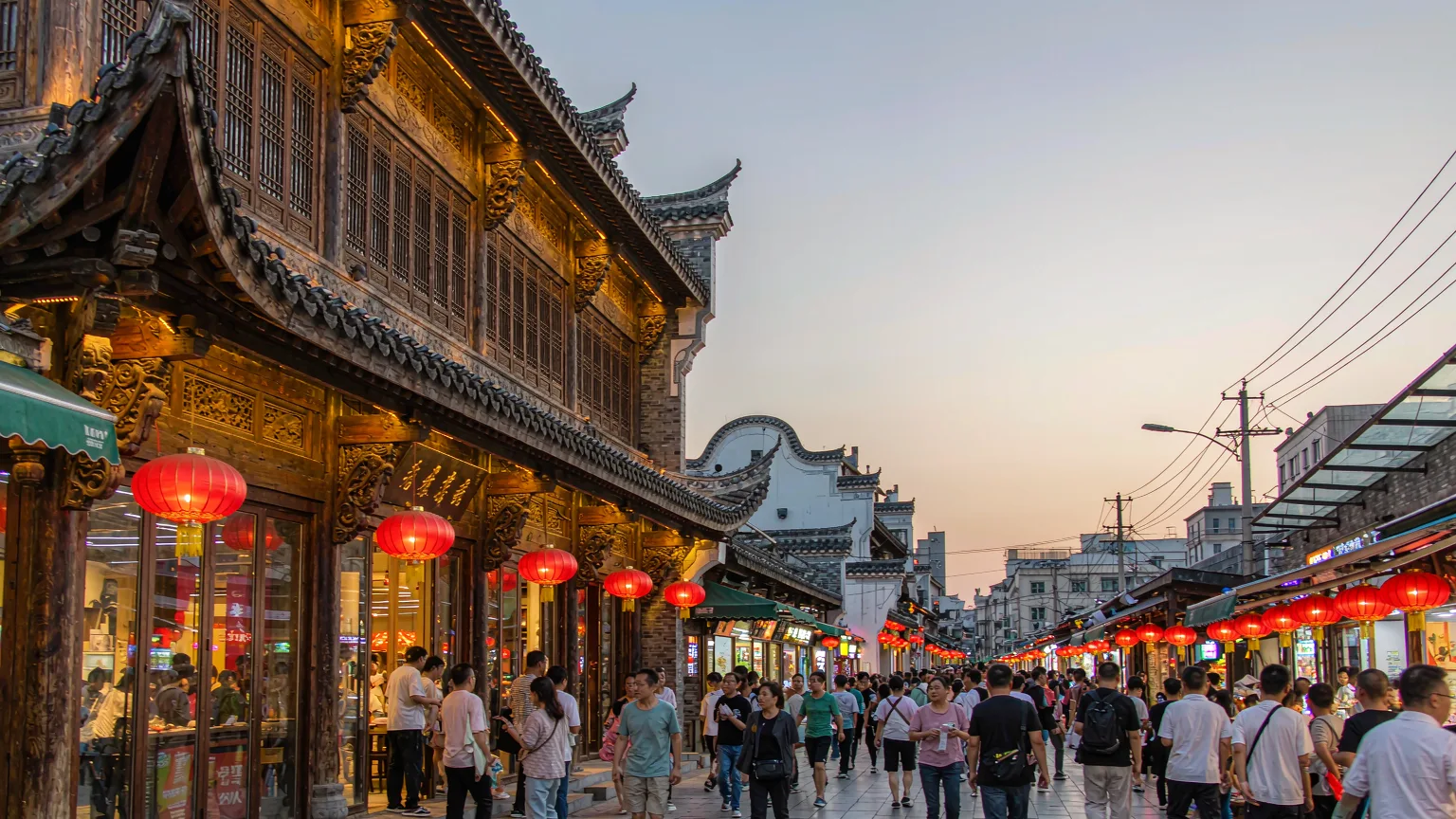
From the Silk Market, ride the metro to Dingan Road and walk five minutes to Hefang Street, the flagship row of heritage brands, fuller in range than any mall counter: Wang Xingji's fan shop spans a dozen-yuan silk fans to four-figure black-paper ones, with a craftsman pulling fan ribs deep in the store, and watching the process sharpens your eye for the purchase.
Zhang Xiaoquan splits its floor into kitchen knives and scissors, household pairs from a few dozen yuan, professional tailoring shears in the hundreds; Hu Qingyutang's shop adjoins the medicine museum, a natural stop for sachets and wellness teas at 30 to 100 yuan. All three price clearly and issue receipts, the safest corner of the souvenir list.
The row takes 40 minutes to an hour, with rice cakes and copper-pot tea paste as street-side dessert. From here the tea market lies east, a clean line with no backtracking.
The Tea Market: Two Hours of Tasting Before Buying
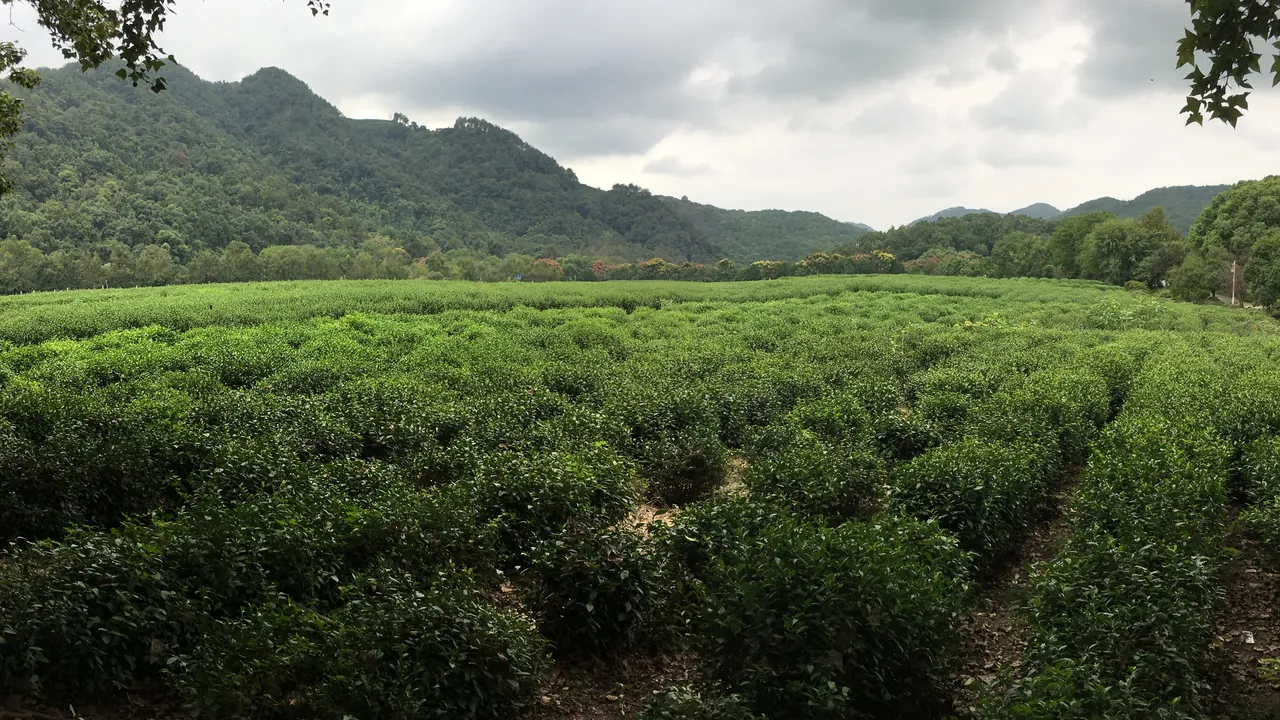
Skip the village and downtown tea markets plus heritage tea houses will finish the job. State your budget and purpose at the counter, gift or daily drinking, price per 500 grams, and a good vendor brews a lineup by grade. Always compare, same grade from at least two shops, and differences surface immediately; this single step is the best defense against overpaying for mediocrity.
Benchmarks: everyday pre-Grain-Rains Longjing runs 200 to 600 yuan per 500 grams, pre-Qingming top picks in the hundreds to thousands, floating with each year's weather. Ask for picking date and origin labeling, have loose tea weighed and sealed in front of you, and confirm packaging costs early, since gift boxes can add 50 to 200 yuan.
For gifts, branded tins with origin labels from heritage shops save trouble; for yourself, the market's loose bins outperform on value. Ask the vendor to write down brewing notes, 85-degree water and a glass tumbler being the correct way with Longjing.
Final Sweep: Heritage Pantry Items and Packing It All Up
Head back to Hubin or Hefang Street at dusk for the final sweep. For elders, three items cover everyone: wellness tea packs and sachets from Hu Qingyutang or Fang Hui Chun Tang at 30 to 100 yuan, osmanthus cakes and pastry gift boxes from Zhiweiguan at 40 to 120, and local lotus-root starch at 20 to 60 a box, all stocked in supermarkets and heritage stores alike.
Pack fragile and aromatic items separately: tea tins absorb smells, so keep them away from fragrance and herbal goods; fold silk with tissue to prevent set creases; travel fans in their original boxes, since snapped ribs cannot be repaired. If the day continues, the mall lockers hold everything until the last pickup.
Dinner at Hubin is easy, with dependable Hangzhou chains and noodle shops beating scenic-area stores. Evening trains from Hangzhou East sit about 35 metro minutes away, a comfortable buffer.
| Getting around |
|
| Budget | Wide open: silk scarves run 100 to 400 yuan, silk sleepwear 300 to 900, everyday Longjing 50 to 150 a tin, pre-Qingming grades in the hundreds and beyond, plus about 100 yuan for food and transit. |
| Best time | Any time, with late March and April special for tea; weekday mornings are calm at the malls, while Silk Market stalls thin out after 2 pm, so put silk before lunch. |
FAQs
Is everything at the Silk Market real silk, or will I end up with synthetics?
Silk dominates, but synthetics and blends mix in, especially at suspiciously low prices. Three defenses: read content labels and negotiate only on 100% mulberry silk; run the burn test, which vendors usually allow, real silk leaving crumbly ash with a burnt-hair smell versus melting beads; and get a receipt stating content and momme for any dispute later. Absurdly low prices are themselves the alarm, since raw silk has a floor; a so-called heavyweight scarf at 30 to 40 yuan deserves no hesitation, skip it.
Is Longjing safer bought in the scenic village or at downtown markets?
Each fits a scenario: the village offers origin atmosphere and fresh roasting but heavy tourist premiums unless you know a farmer or bring a local; downtown heritage shops and markets offer clear pricing, comparative tastings and saner after-sales. For daily drinking value, choose downtown markets and compare at least two vendors; for gifts that need story and packaging, choose village cooperatives or labeled branded tins. Anywhere, a cheap pre-Qingming promise is fiction, and price common sense remains the universal scam filter.
Can I get a tax refund on purchases, and how does it work?
Hangzhou runs a departure tax refund for overseas visitors: same-day, same-store purchases above the threshold, goods unused and leaving the country within the window, at refund-flagged shops. Ask the shop to issue a refund form with your passport at payment, then at the airport have customs inspect goods and documents before claiming cash or a card refund at the refund counter. Major Hubin mall service desks help assemble the paperwork. Domestic travelers do not qualify, though keeping receipts still matters for any after-sales dispute.
Is one day really enough for silk, tea and souvenirs?
Yes, but the order is fixed. This route pins silk to the 1 to 3 pm window since the market closes early, tea after 3 pm since tastings need a clear head and no rush, and malls plus heritage stores in the morning since they open all day. Follow that and a tight version runs about seven hours. Weekend crowds are the wild card, with the Silk Market jammed even by mid-morning, so mission-driven shoppers should pick a weekday; traveling with a partner, splitting silk and tea into parallel tracks saves another hour.