
Jinan's culture stacks in three layers: underground, the slips and pottery of the Han; in the streets, the trading houses and old facades of the port-opening era; and on the hills, Buddhist carvings and temples from the Sui and Tang onward. This day walks all three: heavy museum work in the morning, the old port after lunch, and the city dissolving into dusk from Thousand Buddha Mountain.
The day is ordered by booking difficulty: the museum is free but reserved and closed Mondays, the port district is an open street quarter, and the mountain sells tickets on site. Follow this sequence and nothing jams at a gate.
Itinerary at a glance
| 09:00 | Shandong Museum: Han Slips, Pottery Eagles and Eggshell Ware |
| 13:00 | The Old Commercial Port: A Century of Streets the Railway Pulled In |
| 15:30 | Thousand Buddha Mountain: Sui Carvings and the Nine Hills |
| 18:30 | Chaoran Tower at Night: The Signature of a Culture Day |
The route, stop by stop
Shandong Museum: Han Slips, Pottery Eagles and Eggshell Ware
Shandong Museum is routinely underrated: bamboo slips from the Yinqueshan Han tomb carry both The Art of War attributed to Sunzi and the text of Sun Bin, resolving a question mark that hung for centuries. The eggshell-black pottery goblet, thin as an eggshell, still defies easy reproduction four millennia on. The bronze yue axe with its grinning face is the building's most photographed object.
Work the second-floor chronological gallery in order, then give the Han pictorial stone reliefs their own time, the processional carvings still fluent after two thousand years. A full sweep takes three hours; pressed visitors should lock onto the slips, the eggshell ware and the reliefs.
The Old Commercial Port: A Century of Streets the Railway Pulled In
In 1904 Jinan opened itself as a trading port, and the streets around Jinger Road grew banks, trading houses and a cinema; the Rui Fu Xiang silk house started here, and the Hongjitang pharmacy still keeps its counter. Baroque facades and Chinese courtyards share the same block, the lesser-known face of the city.
The Little Guanghan cinema, among the oldest surviving cinemas in China, now works as a film-themed restaurant, its vintage posters worth a pause at the door. Lunch happens on Jinger Road, old-name restaurants and new noodle shops in one lineup, walkable end to end.
Thousand Buddha Mountain: Sui Carvings and the Nine Hills
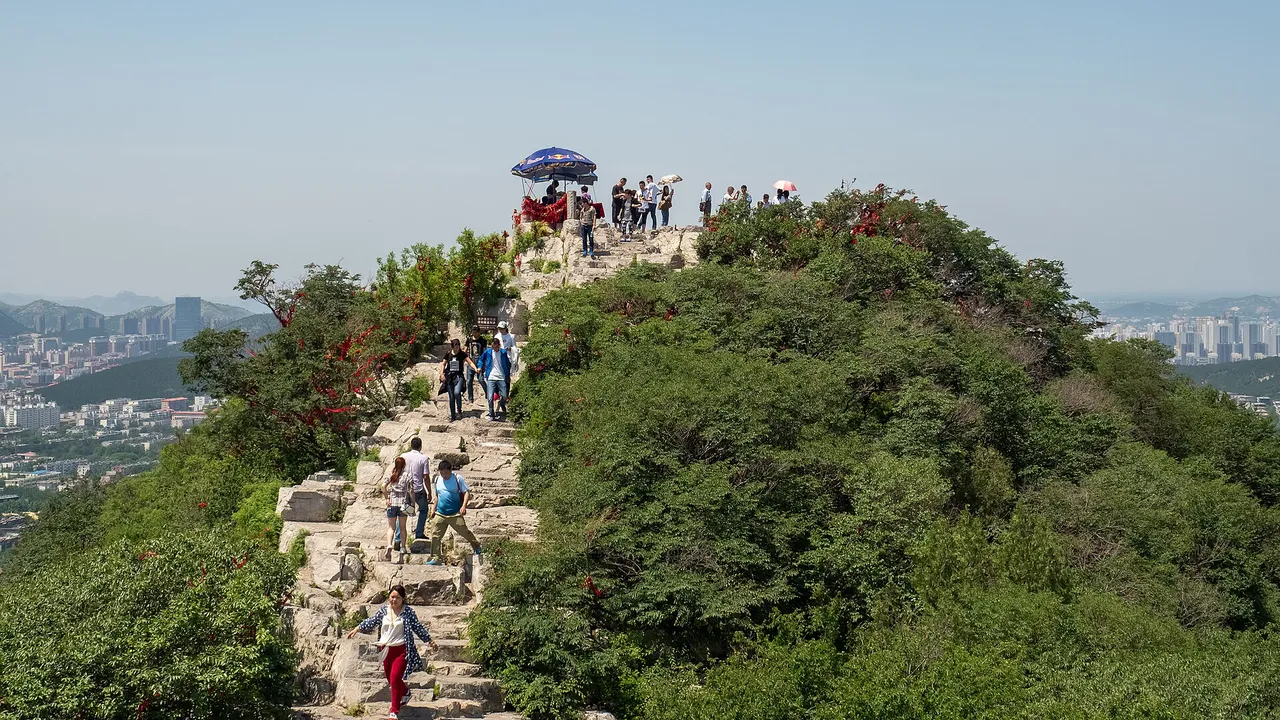
Thousand Buddha Mountain screens the city from the south, its cliff walls carved with Buddhas from the Sui dynasty onward; the Xingguo Temple courtyard preserves the cliffside images. The stepped path reaches the temple in about half an hour, with a cableway to spare the knees. The hill is modest, the view immense, and it has always been the city's viewing balcony.
The Nine Hills archway midway frames the classic panorama, nine hilltops lining the northern horizon on clear days; from the lake-view pavilion higher up, Daming Lake and the direction of the Yellow River share one frame. Descend at dusk and watch the city light up window by window, the right closing image for a culture day.
Chaoran Tower at Night: The Signature of a Culture Day
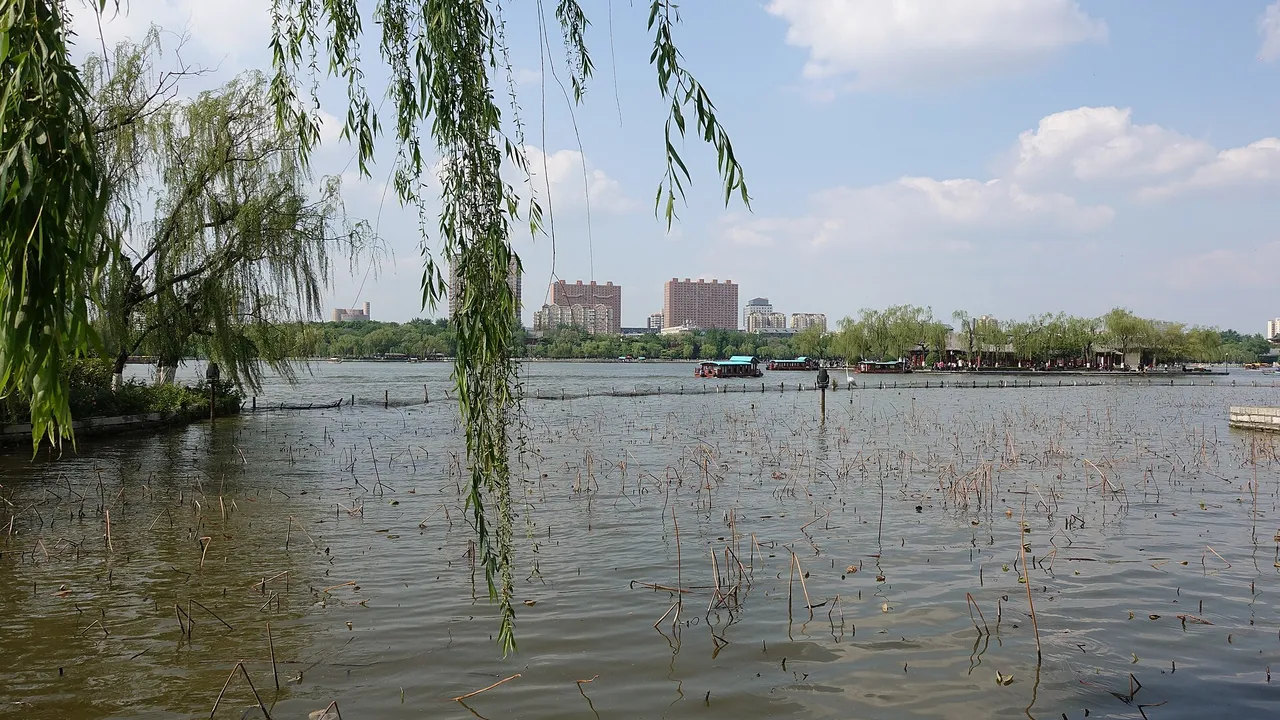
Twenty minutes by taxi from the mountain brings you to the east gate of Daming Lake in time for the lighting of Chaoran Tower. A literati tower of the Yuan dynasty rebuilt as today's landmark, its name means to stand aloof from the world, and the evening lights haul it straight out of the history books.
After the lights come on, walk a stretch of shore where reflection and tower answer each other, and look back from the Tiegong Shrine stretch for the most complete composition. The day has seen two thousand years in the museum and a century in the port; from this tower it finally sees now.
| Getting around |
|
| Budget | Shandong Museum is free by reservation, Thousand Buddha Mountain entry RMB 30, meals RMB 80-120, about RMB 110-150 per person. |
| Best time | Year-round; keep the museum and the climb off the midday heat, and avoid Mondays when most venues close. |
FAQs
What if museum reservations are all taken?
Three routes: watch for cancellations, which drip back onto the official channel before opening; switch to the afternoon slot, since mornings go first; or shift the visit to a weekday away from holidays. If it truly fails, the port district and the mountain need no booking, so reorder the day and catch the museum later.
Are four stops in one day too rushed?
The effort is moderate. The museum is the heavy item, so set a two-hour alarm and leave on time; the port district is walking plus lunch; and the temple sits half an hour up the steps, no summit required. The only real risk is a museum overrun, and past that the afternoon stays loose.
Is it worth climbing to the top of Thousand Buddha Mountain?
Worth it, time permitting. The temple carvings are the must, and the summit adds twenty-odd minutes, shifting the view from the city toward the hills and the Yellow River. If legs or the tower lighting are pressing, turn back at the lake-view pavilion; save the full summit for those arriving two hours before sunset.
Any dress code or etiquette for the museum?
No dress code, just comfortable shoes, and bring a light layer since the halls run cold. Three rules: no selfie sticks or tripods and flashes off, no food in the galleries with water bottles bagged, and enter with the physical ID or passport matching the reservation, as screenshots fail.