 TripMyChinaJOURNEYS THROUGH REAL CHINA✦ AI Trip✦ Plan My Trip
English
简体中文
繁體中文
日本語
한국어
ไทย
Tiếng Việt
Bahasa Indonesia
Italiano
Español
العربية
Русский
Deutsch
Français
Bahasa Malaysia
TripMyChinaJOURNEYS THROUGH REAL CHINA✦ AI Trip✦ Plan My TripJingdezhen has fired porcelain for centuries, and the evidence is spread across the city: kiln sites, imperial workshops and old factory halls turned into studios. A visit here moves between the Ancient Kiln Folk Customs Expo Area, the Taoxichuan creative district and the Yaoli old town outside the centre.
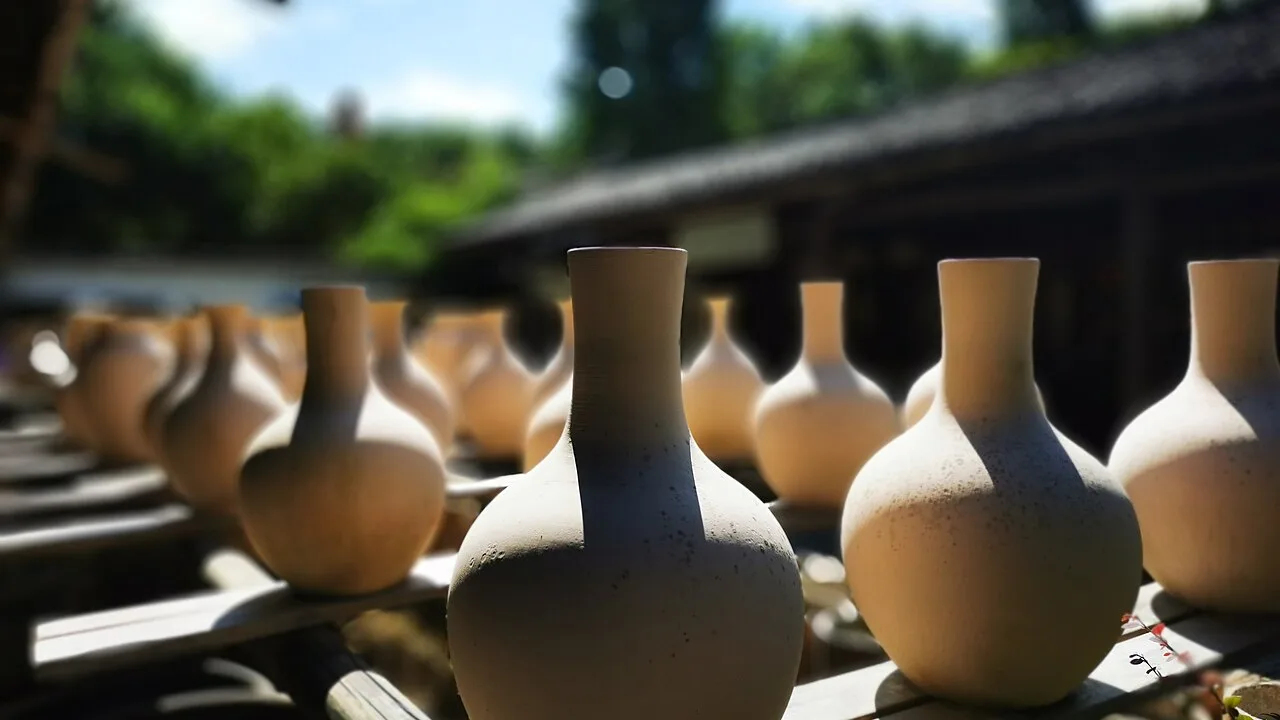
Jingdezhen sits in northeastern Jiangxi, on the edge of the Poyang Lake plain where low hills begin. It is a prefecture-level city whose name is inseparable from porcelain, and the ceramic industry still shapes its economy and urban layout.
The city's kilns have supplied imperial and export markets for centuries, and the old workshop districts, kiln remains and river wharves record that trade. The atmosphere is workmanlike rather than monumental: a city of workshops, clay and small factories.
Visitors can trace the craft from raw clay to finished ware: the ancient kilns and workshops at the Guyao Folk Culture Expo Area, the imperial kiln site at Yuyao Chang, the studios and galleries of Sanbao Village, the old riverside town of Yaoli, the China Ceramic Museum, and the weekend market and creative district at Taoxichuan.
World-class, national and global recognition earned over the decades.
Jingdezhen has been a center of porcelain production for centuries and is widely known as China's porcelain capital.
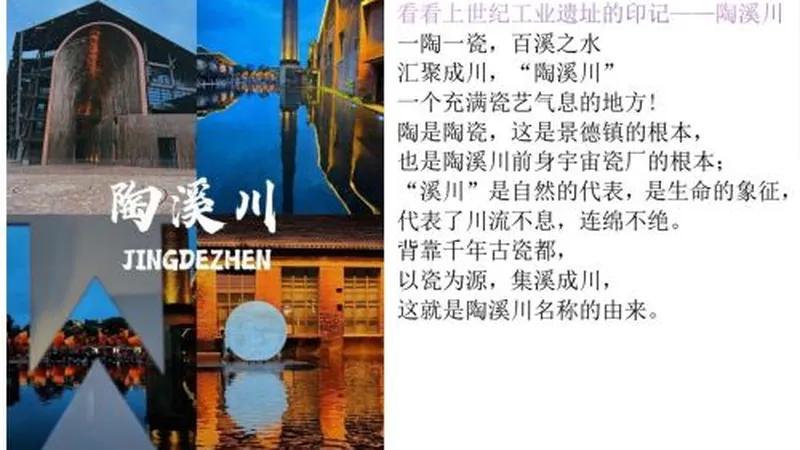
Taoxichuan Creative District turns former factory buildings into a cultural and creative hub with weekend markets.
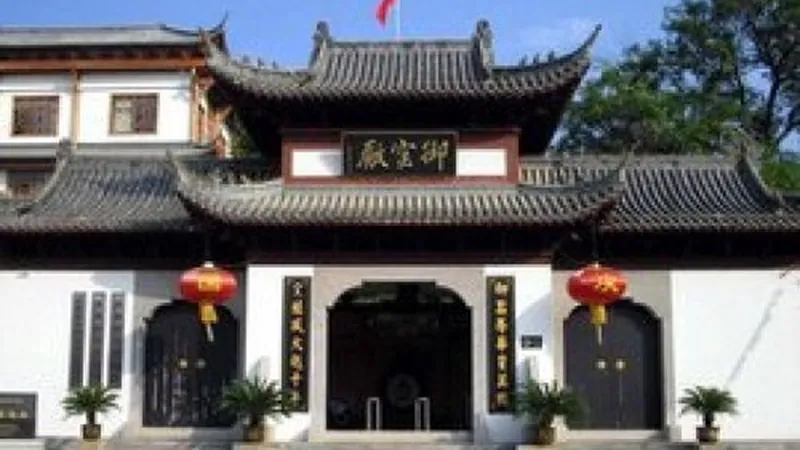
The Imperial Kiln Site is a key historical landmark in Jingdezhen, associated with porcelain made for the imperial court.
Jingdezhen is closely associated with blue-and-white porcelain, a local specialty.
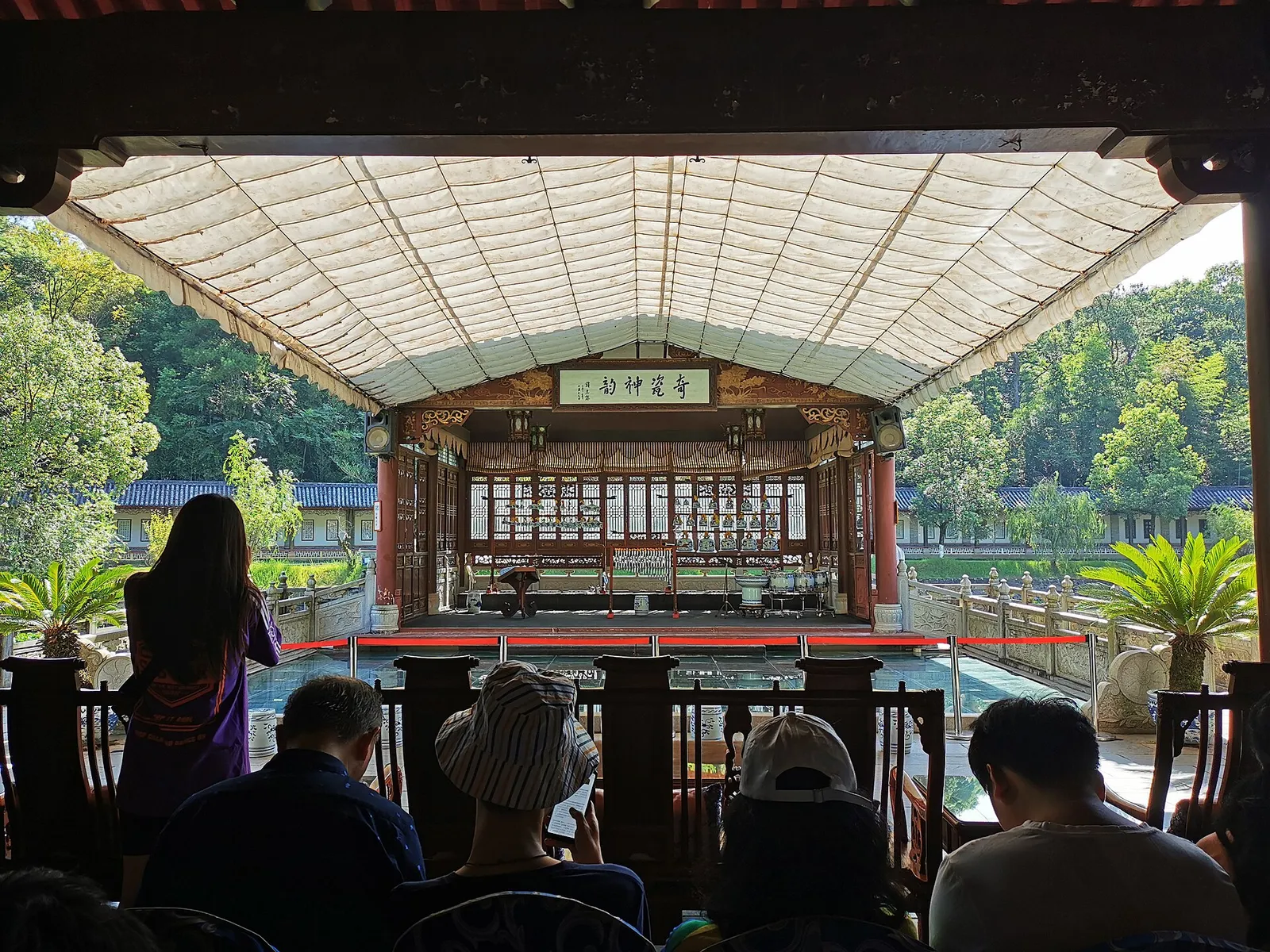
The Ancient Kiln Folk Customs Area includes kilns and workshops that present traditional porcelain-making.

The moments that shaped the city — and the stories its people still tell.
Jingdezhen has a long history of porcelain production and is known as China's porcelain capital.
The Imperial Kiln Site reflects Jingdezhen's role in producing porcelain for the imperial court.
The area preserves kilns and workshops, including the Zhen kiln, showing traditional methods.
Former factory buildings in Taoxichuan have been converted into a cultural and creative district.
The China Ceramic Museum in Jingdezhen presents ceramics and related history.
Yaoli Ancient Town is a historic town in the Jingdezhen area.
Jingdezhen's long association with porcelain has earned it the name China's porcelain capital.
Blue-and-white porcelain is a local specialty closely linked to Jingdezhen.
Taoxichuan's old factory buildings now host creative studios and a weekend market.
Three paces, one city — every route built from places we actually operate.
Weather, crowds and the best months for what you want to see.
Mild weather for visiting kilns and villages; check official channels for opening details.
Warmer weather; carry water and check official channels for site hours.
Comfortable temperatures for walking in Taoxichuan and Sanbao Village.
Colder weather; indoor sites such as the China Ceramic Museum are options.
Mild and dry conditions suit visits to kilns, markets and ancient towns; check official channels for details.
What this city is known for — the things worth planning your day around.
The places worth building a day around.
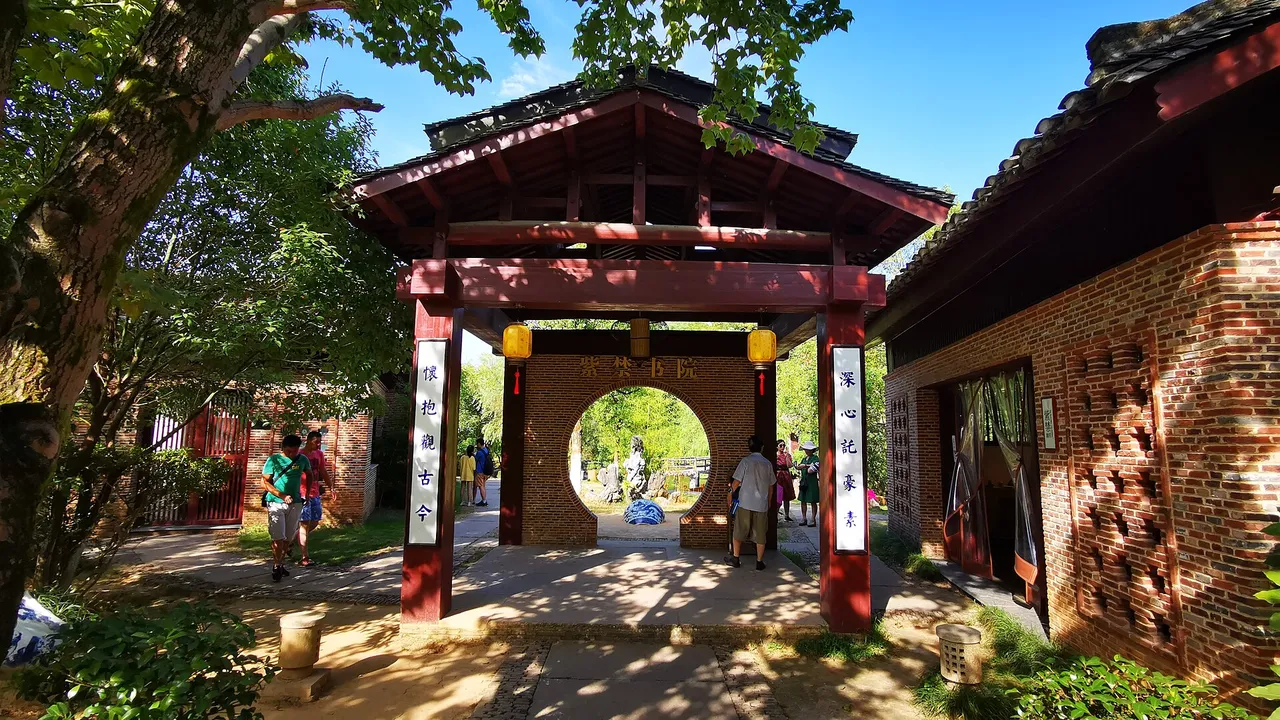
The Ancient Kiln Folk Customs Museum is the best single introduction to Jingdezhen, the Porcelain Capital — a park where history's great kilns have be
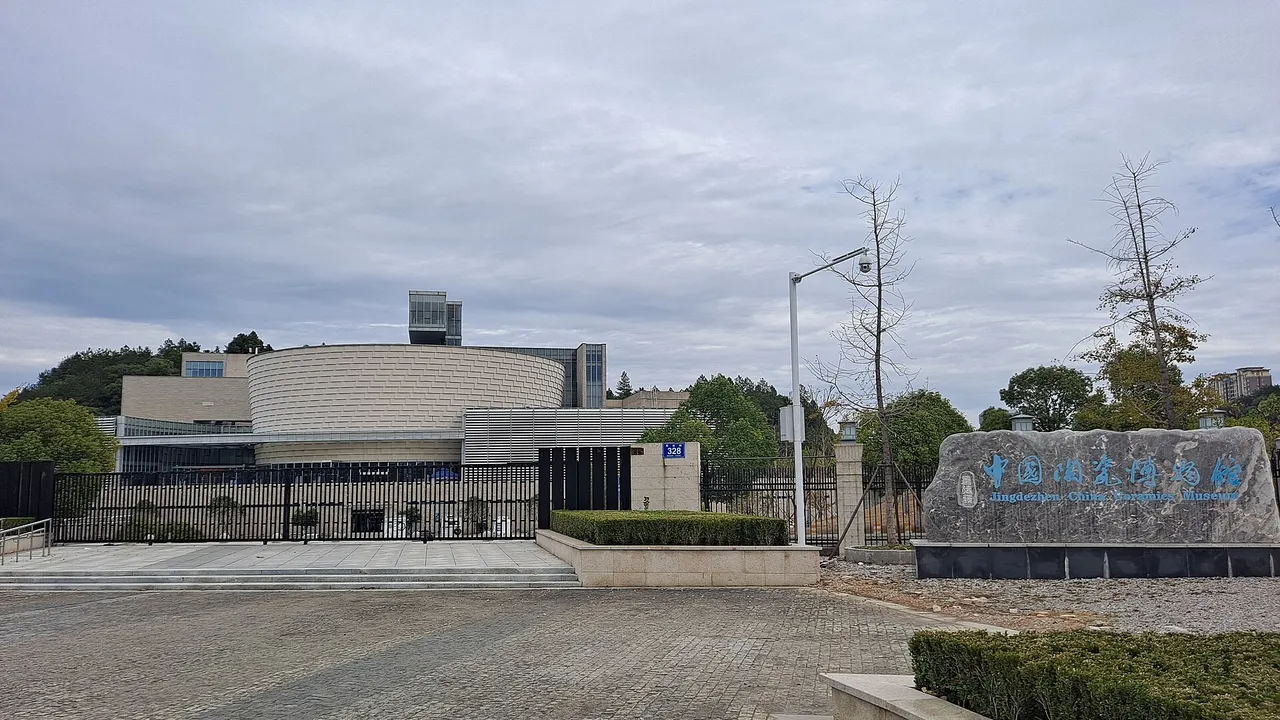
The China Ceramics Museum is the definitive collection of the art that made Jingdezhen famous — thousands of pieces tracing Chinese porcelain from its
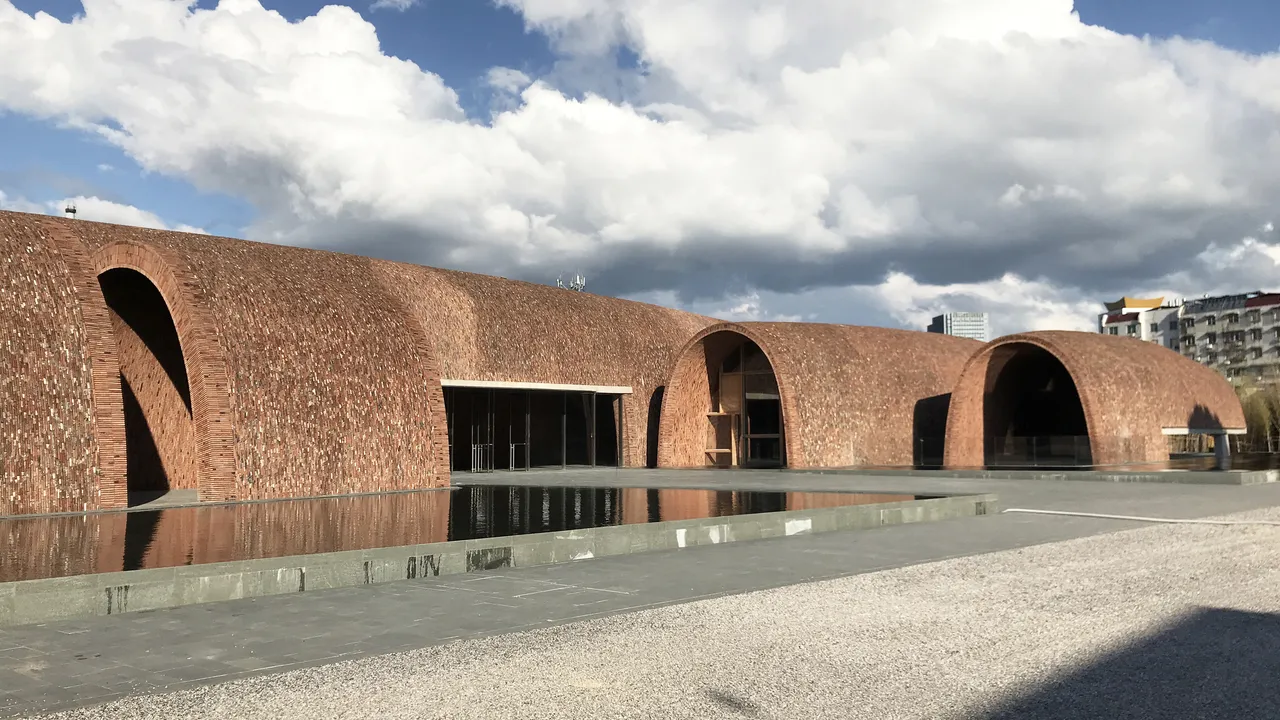
Rising over the Ming–Qing imperial kiln site in the heart of Jingdezhen, the Imperial Kiln Museum is where porcelain was fired for the emperors alone
Where the whole street eats — the city's most famous food streets, each with its own guide page.
Dining spots are spread through the Taoxichuan block, convenient between visits to the market and studios.
The area around the Imperial Kiln Site is an urban neighborhood with dining options.
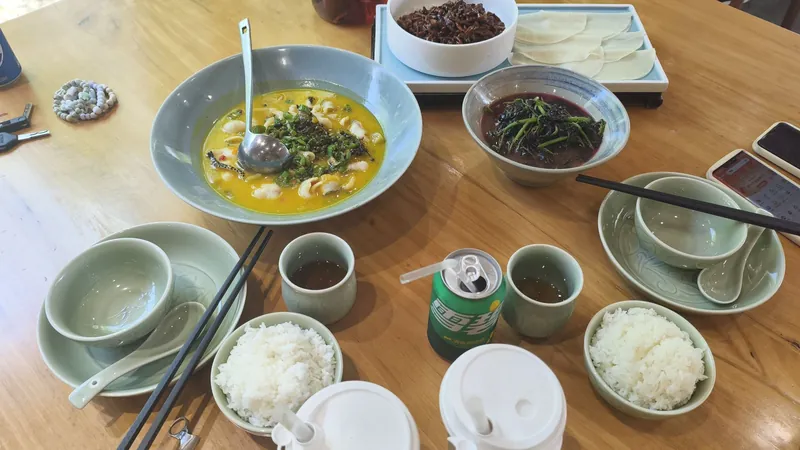
Dining options are available around the studios and workshops of Sanbao Village for a meal during a village…
Old factory buildings lit up in the evening; weekend market when scheduled.
Quiet village roads and small ceramic studios after dark.
A calm walk outside the museum grounds in the evening.
Browse blue-and-white and local porcelain in the evening.
Evenings are best spent around Taoxichuan's old factory buildings and the quieter lanes near Sanbao, with ceramics as the thread.
Listed sites and the crafts that made this city famous.
Remains of the official kiln area in Jingdezhen, central to the city's porcelain history.
Includes the Zhen kiln and hand workshops, showing kiln and crafting traditions.
Former factory buildings adapted into a cultural and creative district with a weekend market.
A museum dedicated to ceramics, including porcelain and blue-and-white.
A traditional kiln type seen at the Ancient Kiln Folk Customs Expo Area.
Workshops at the expo area demonstrate hand crafting traditions.
Jingdezhen is known for blue-and-white porcelain, represented in local museums and shops.
A market held on weekends in the old factory district, when scheduled.
Senior licensed guides with 10+ years in the field and fluent English — deep on history, culture and local life.

Experienced licensed guides with clear English — solid on city highlights, food and day-to-day logistics.

Licensed guides with workable English — a good-value choice for city days, transfers and standard commentary.

Chauffeur-driven by the day, plus airport and intercity transfers.



Private chauffeur-driven vehicles, priced per vehicle not per person. Airport transfer from $45; intercity transfer from $180.
10 guides split by trip length: one-day city routes, three-day escapes and longer journeys, with stops, costs and transport in each.
Watch the full handcraft process at the Ancient Kiln in the morning, read imperial porce
Three DaysThree Days in Jingdezhen: Walking Both Lines of the Porcelain CapitalDay one for museums and the imperial system, day two for the Ancient Kiln workshops and
Multi-DayFive Days in Jingdezhen: The Classic PanoramaTwo town days on the imperial kilns and museums, one day at the Ancient Kiln park and Ta
Real routes, real travellers — a sense of what a trip looks like.
"Spent a full day between the Ancient Kiln Expo Area and the China Ceramics Museum; the kiln and blue-and-white displays were the focus."
"Taoxichuan's old factory buildings and weekend market were the reason I stayed an extra day."
"Sanbao Village and Yaoli Ancient Town gave the trip a slower village rhythm after the museums."
Most travellers spend 3 days here. Add a day for a side trip if you want a slower pace.
Spring and autumn are usually the most comfortable. Check the seasonal notes above before booking.
We arrange airport/rail transfers and private drivers. Tell us your arrival point and we plan the connection.
Send an enquiry and a human expert replies within 12 hours with a draft plan and real prices. Flexible rescheduling; clear cancellation terms in your quote.
2-day private itineraries in Jingdezhen start from $490 per person, two travelling together. Your proposal itemises hotels, tickets, guide and car — no hidden fees.
The Ancient Kiln Folk Customs Expo Area, Imperial Kiln Factory site, China Ceramics Museum, Taoxichuan Cultural and Creative District, Sanbao Village and Yaoli Ancient Town.
The source material does not list ticket prices or booking rules; check official channels for each site.
It is described as a weekend market; confirm the current schedule on official channels.
One day covers the core ceramic sites; three to five days allow museum time and village visits such as Sanbao and Yaoli.
Yes, it includes the Zhen kiln and hand workshops, giving a direct look at kilns and crafting.
Ceramics displays including porcelain and blue-and-white; check official channels for opening hours.
It is an old town outside the city; transport details are not given in the source, so arrange and confirm in advance.
Yes, local shops in town carry blue-and-white and other porcelain; prices are not listed in the source.
Recent listed prices: Ancient Kiln Folk Customs Museum ¥85; China Ceramics Museum 免费; Imperial Kiln Museum 免费. Ticket prices change seasonally — we confirm them in your quote.