
A day in Jingdezhen follows the order of making porcelain: at the Ancient Kiln in the morning you watch clay become a body, at noon the Imperial Kiln Site shows how the throne kept quality control, the afternoon belongs to the China Ceramic Museum's thousand-year lineage, and at night the young potters of Taoxichuan take over. Four stops, one complete story.
No charter car needed. Buses cover all four stops, taxis cost about flag fare between them, and the ride in from Jingdezhen North Station takes about twenty minutes. Only two things need pinning: the kiln park's opening time and your museum booking slot. Expect some fifteen thousand steps.
Itinerary at a glance
| 08:30 | Ancient Kiln and Folk Customs Museum: Understanding One Kiln |
| 11:00 | Imperial Kiln Site and Museum: The Emperor's Porcelain Workshop |
| 14:30 | China Ceramic Museum: From Qingbai Ware to the Silent Bodhisattva |
| 17:30 | Taoxichuan: The Porcelain Capital's Second Life after Dark |
The route, stop by stop
Ancient Kiln and Folk Customs Museum: Understanding One Kiln
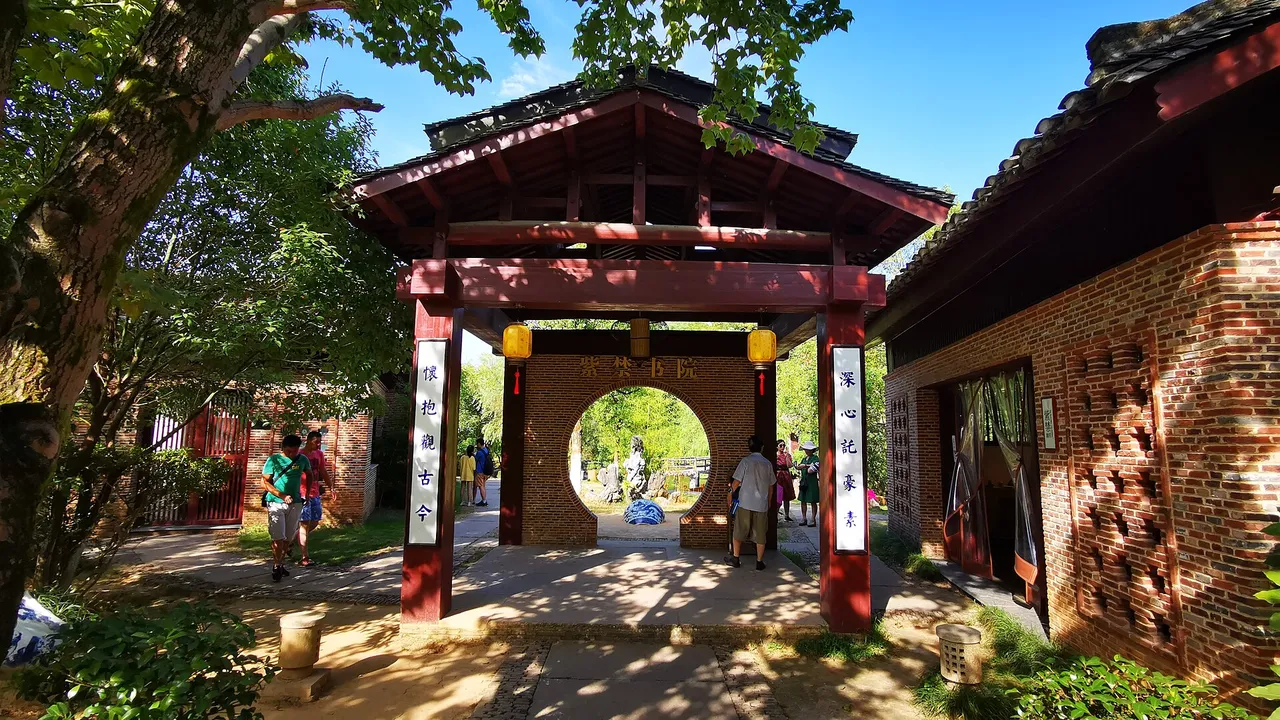
The Ancient Kiln park on Panlong Ridge northwest of town performs all seventy-two steps of hand porcelain-making. In the morning workshops, masters throw, trim and paint while explaining, and a lump of kaolin turns into a bowl before your eyes. The Town Kiln is a Qing-style wood kiln stacked with pine to the beams; on firing days, several times a year, the smoke column punching out of the stack is worth waiting for.
After the workshops catch the porcelain orchestra, instruments made of fired clay from bells to fiddles, with a startlingly clear voice. Two hours covers it briskly, half a day if you linger; walk workshops, then the kiln, then the concert, and climb the outdoor steps while the morning is still cool.
Imperial Kiln Site and Museum: The Emperor's Porcelain Workshop
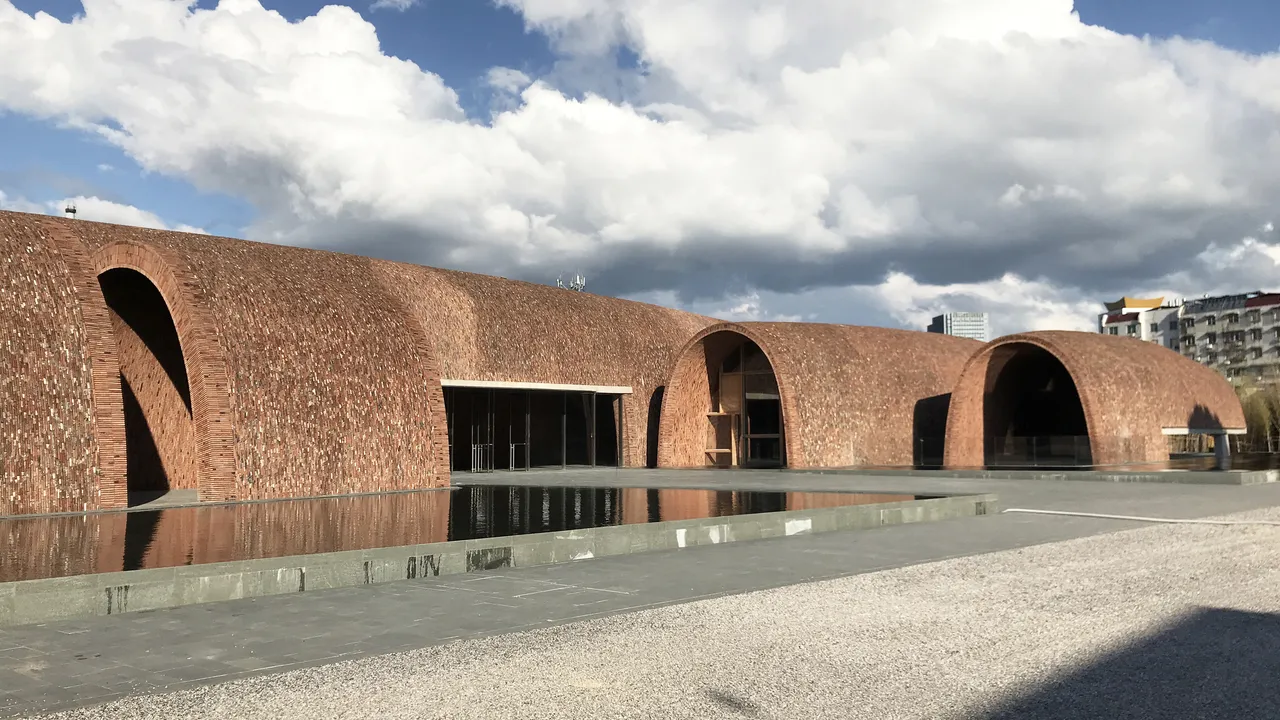
The Imperial Kiln Site sits at the exact center of the old town, where the Ming and Qing courts fired their porcelain. The Dragon Pearl Pavilion is the landmark; beneath it, excavation strata show the smashed rejects buried on site, the origin of every fragment-reassembled masterpiece upstairs. The museum's vaulted brick halls are an artwork themselves, and the Ming masterpieces inside will not disappoint.
Two hours with photos. Do the excavation area first, then the galleries, then climb the pavilion for a look over the old city, and you surface right on time for lunch.
China Ceramic Museum: From Qingbai Ware to the Silent Bodhisattva
The China Ceramic Museum is a treasure among free museums, its collection running from Five Dynasties qingbai ware to contemporary studio porcelain. The crowd favorite is a pensive luohan nicknamed the Silent Bodhisattva, whose subtle expression keeps a queue at the case. Walk the chronology wings, then the master-potter galleries, and two millennia fall into order.
Afternoons are thinner than mornings and the light is softer. If time is short, head straight to the famous-ware gallery and the luohan on the third floor; forty minutes takes the essence.
Taoxichuan: The Porcelain Capital's Second Life after Dark
Taoxichuan reworks an old state porcelain factory into the city's most photogenic block: saw-tooth workshops, tall stacks and galleries. By day, museum and design shops; after dark, the market opens and young potters sell their own work under the lamps, cups from tens to hundreds of yuan. The logic of buying is simple: check the glaze, the foot, the process, and let liking decide.
Eat in the dining quarter, then walk the brick lane for the night view; the moment the chimneys light up is the best shutter of the day.
| Getting around |
|
| Budget | Tickets (Ancient Kiln RMB 95, Taoyangli combo from about RMB 60) plus meals, roughly RMB 220-350 pp. |
| Best time | Mar-May and Oct-Nov are kindest; summer afternoons are muggy, so park the museum hours there. |
FAQs
What is the easiest way into town from Jingdezhen North Station?
Taxis queue outside the station and reach downtown in about twenty minutes for RMB 20-30, the best pick with luggage or a group. Buses run often but slower. On late arrivals take a taxi; hotels cluster around Zhushan and Taoxichuan.
Do the Ancient Kiln park and Imperial Kiln Site need advance booking?
The kiln park sells tickets at the gate, holidays included. The Imperial Kiln Site and Museum are better booked online in peak afternoons. The ceramic museum's free ticket strictly requires real-name booking, the only hard reservation of the four; two or three days ahead is safest.
Are four stops in one day too rushed?
The pace is brisk but workable, since all four stops cluster and chain in order, about eight hours of sightseeing total. The tradeoff is leaving Yaoli, Sanbao and Fuliang for later days, no suburbs today. To ease up, skip the orchestra set at the kiln park and keep the rest.
How do I carry porcelain home without breakage?
Ask sellers to pack in bubble wrap and a hard box; ship big pieces by courier instead of hand-carrying, most markets arrange it with volume-based rates. For cabin items, nest small cups in clothing; asking a stallholder for a few extra wraps before security is normal practice.