
Jingdezhen's history runs on two lines: the official kilns that fired for the throne, from the Imperial Kiln Site to its museum, and the folk kilns that fired for everyone, from Hutian through Sanbao to today's Taoxichuan. Three days walk both: day one builds the timeline, day two watches living craft, day three drops to folk-kiln ground.
The pacing runs one heavy, two light. Day one packs museums, day two trades effort for fun at the big kiln park, day three winds down outdoors to the market. Base at Taoxichuan for three nights, so every evening ends at the market lights.
Itinerary at a glance
| 第1天 09:00 | China Ceramic Museum: The Master Index |
| 第1天 13:30 | Imperial Kiln Site: Field Class in the Imperial System |
| 第1天 16:00 | Imperial Kiln Museum: The Shard Jigsaw |
| 第2天 09:00 | Ancient Kiln Park: Seventy-Two Steps, Live |
| 第2天 14:00 | The Town Kiln: A Qing Wood-Kiln Revisit |
| 第2天 19:00 | Taoxichuan by Night: Craft by Day, Its Heirs by Night |
| 第3天 09:30 | Hutian Kiln Site: Where the Folk Line Starts |
| 第3天 13:00 | Sanbao Village: The Folk Line's Modern Chapter |
| 第3天 17:00 | Taoxichuan Weekend Market: Where Three Days Land |
The route, stop by stop
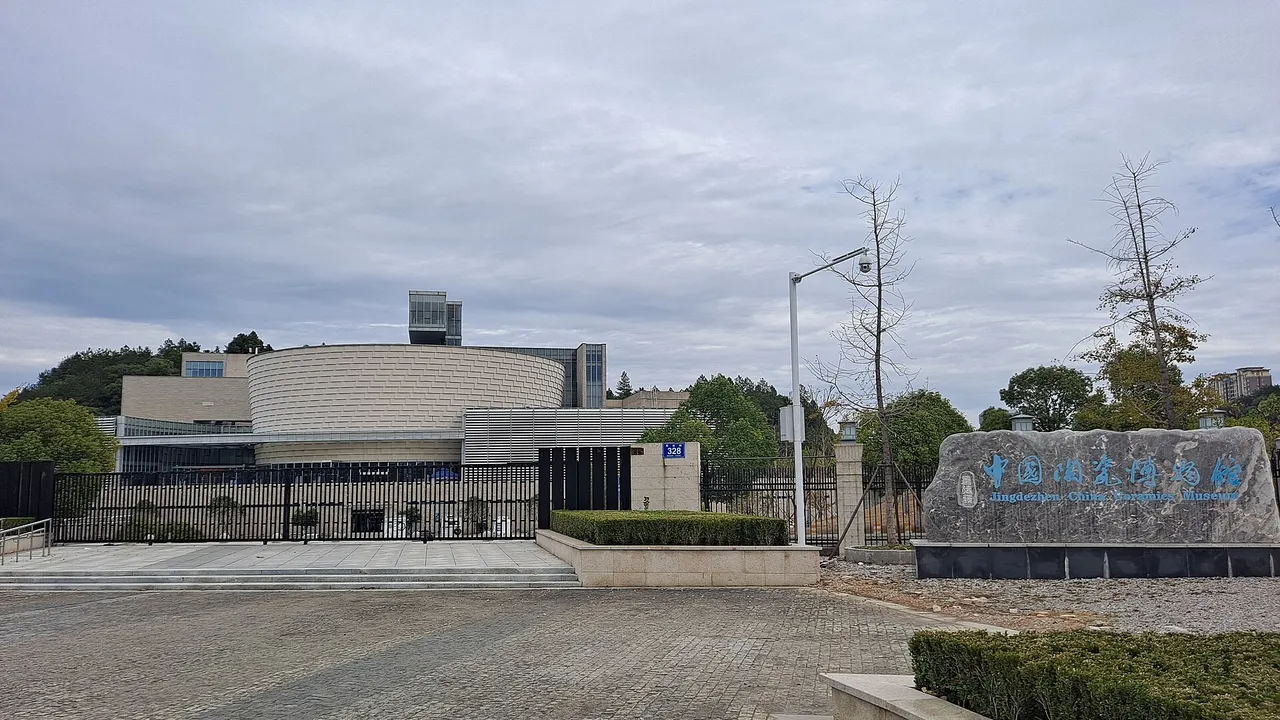
China Ceramic Museum: The Master Index
Day one opens at the free, booked ceramic museum, its chronology running from Five Dynasties qingbai to contemporary clay, two millennia in one sitting. Do not miss the pensive luohan, the Silent Bodhisattva, and note how Yuan blue reads far deeper in the case than in print.
Give it two hours, core line Tang through Ming-Qing, modern galleries by taste. Day one is dense: retreat for a one-hour nap after lunch and return fresh.
Imperial Kiln Site: Field Class in the Imperial System
The afternoon enters Taoyangli at the Imperial Kiln Site: beneath the Dragon Pearl Pavilion, strata of smashed, buried rejects make the word imperial tangible. Glaze workshops and kiln remains show the production line in place, readable with the help of good panels.
Then climb the pavilion to read the compound's Ming-Qing footprint from above, and give the leftover hours to the old lanes, brick walls and alleyways at no extra charge.
Imperial Kiln Museum: The Shard Jigsaw
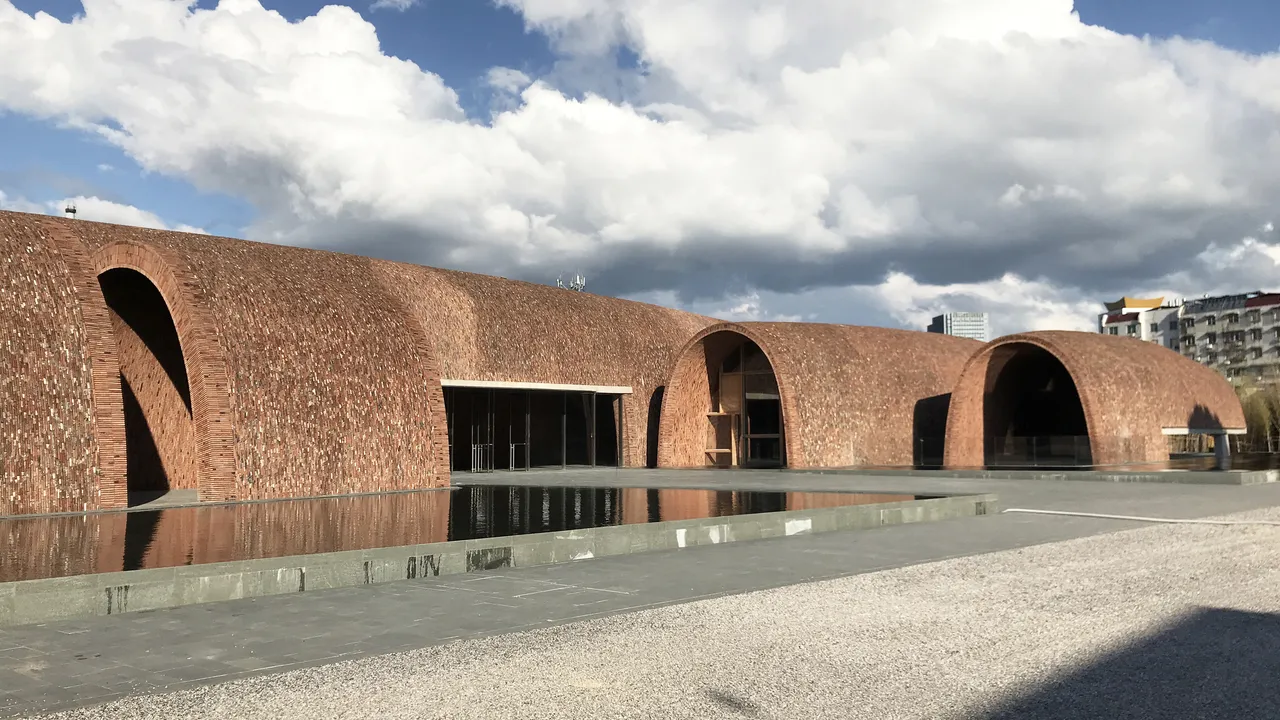
Just north of the site, the museum's vaulted brick halls are an attraction themselves. The stars are Ming tribute wares rebuilt from hundreds of thousands of shards, doucai and Xuande blue-and-white pieced back whole, with restoration notes spelling fragment counts and fills, the densest hour of the day.
One hour of galleries suffices; spend the rest on the building, afternoon light raking the vaults, every frame a cover.
Ancient Kiln Park: Seventy-Two Steps, Live
Day two belongs to living craft. The park performs the whole hand-making sequence, throwing, press-molding, trimming, painting, glazing, with masters working and answering questions in each shop. Mornings find them at their best and crowds at their thinnest, so ask freely.
After the workshops, the Qing-dynasty Town Kiln building, then a porcelain-orchestra set. The park is large; take the map at the gate and plan a loop, no doubling back.
The Town Kiln: A Qing Wood-Kiln Revisit
The Town Kiln deserves its own mention inside the park: a grand Qing-style wood kiln fired by pine, its temperature read entirely by the master stoker's eye, no instruments. The interior opens to visitors, and from the fire door you can trace the chamber's slope and flame path.
On firing days the stoker feeding wood, reading color and calling temperatures is the day's unforgettable scene; otherwise study the glaze tear accumulated on the kiln walls across firings.
Taoxichuan by Night: Craft by Day, Its Heirs by Night
Return to Taoxichuan for a contrast with the day: elders repeating sequences in workshops, the young selling their experiments at market stalls. Chat between tables; many makers will tell you how they went from apprentice to independent stall.
Buy what you like, the most direct way to vote for the craft.
Hutian Kiln Site: Where the Folk Line Starts
Day three switches to the folk line. Hutian anchored the Song-Yuan folk system, its qingbai ware running the Chang River to Poyang Lake and the sea. The park's dragon-kiln remains and meters-deep shard mounds contrast bluntly with imperial finesse: here they fired volume, commerce, and everyone's bowls.
The display hall is small; half an hour covers the full qingbai lineage, bookending day one's ceramic museum.
Sanbao Village: The Folk Line's Modern Chapter
South of Hutian lies the Sanbao valley, where Song-era kiln ground now hosts a hundred pottery studios. The stream path links courtyard after courtyard, all open to browsers, owners busy at the wheel or mixing glaze, a peek at the working day.
Lunch in the village, bitter-lotus tofu and stream fish the standard answer. The point here is entering studios at your own pace; linger where the talk flows.
Taoxichuan Weekend Market: Where Three Days Land
Handing the final stop to the market is deliberate: the museums gave lineage, the imperial complex gave system, the Ancient Kiln gave process, Hutian and Sanbao gave the folk path, and the market is all of it in present tense. A young maker's cup is in your hand; touch the wall and feel whether two thousand years connect.
Take two pieces home, one for yourself, one as a gift, and walk the brick lane once more under the lit chimneys before calling it done.
| Getting around |
|
| Budget | Tickets total about RMB 200-280, three days of meals RMB 300-450, transport RMB 150, roughly RMB 700-900 pp. |
| Best time | Mar-May and Oct-Nov are kindest; dodge Golden Week and stagger museum bookings. |
FAQs
What is the sanest split of time and energy across three days?
Run heavy-light-heavy: day one is indoor and dense, day two walks the most at the big park, day three unwinds outdoors to the market. Take an hour's midday nap daily and use evening strolls at Taoxichuan to recover, no charter car needed.
Which stops strictly need advance booking?
The only hard booking is the ceramic museum's free real-name ticket, two or three days ahead; buy the imperial complex online in peak season, while the kiln park and Hutian sell at the gate. Multiple venues close Mondays, so never start the trip on one.
Is this route manageable with seniors or kids?
Strain concentrates at the kiln park's walking and Sanbao's slopes. Fixes: rent a cart or follow the map to core workshops only, and have the driver drop you at the valley head in Sanbao to walk back. Kids love wheel time, bookable at paid throwing stations in both the park and Taoxichuan.
If squeezed to two days, what goes?
Drop the folk line first: keep one day for the ceramic museum plus the imperial complex, one for the Ancient Kiln park and Taoxichuan, with Sanbao as a dinner detour. Hutian pairs better with a future rural run alongside Yaoli than with a squeezed city dash.