
Two things color the Jingdezhen countryside: porcelain stone and tea. Kaolin's hills yielded the clay that named the world's term, and Fuliang tea already appeared in Bai Juyi's Song of the Pipa, bought there the month before. Three rural days: the Yaoli valley first, two old villages second, the return via Kaolin and Sanbao third, an unhurried, deep-reading pace.
The difference from the nature route is the trade: fewer waterfalls and climbs, more villages, tea gardens and farmhouse meals. Suits travelers past the big-sight circuit seeking quiet, and seniors on a slow clock.
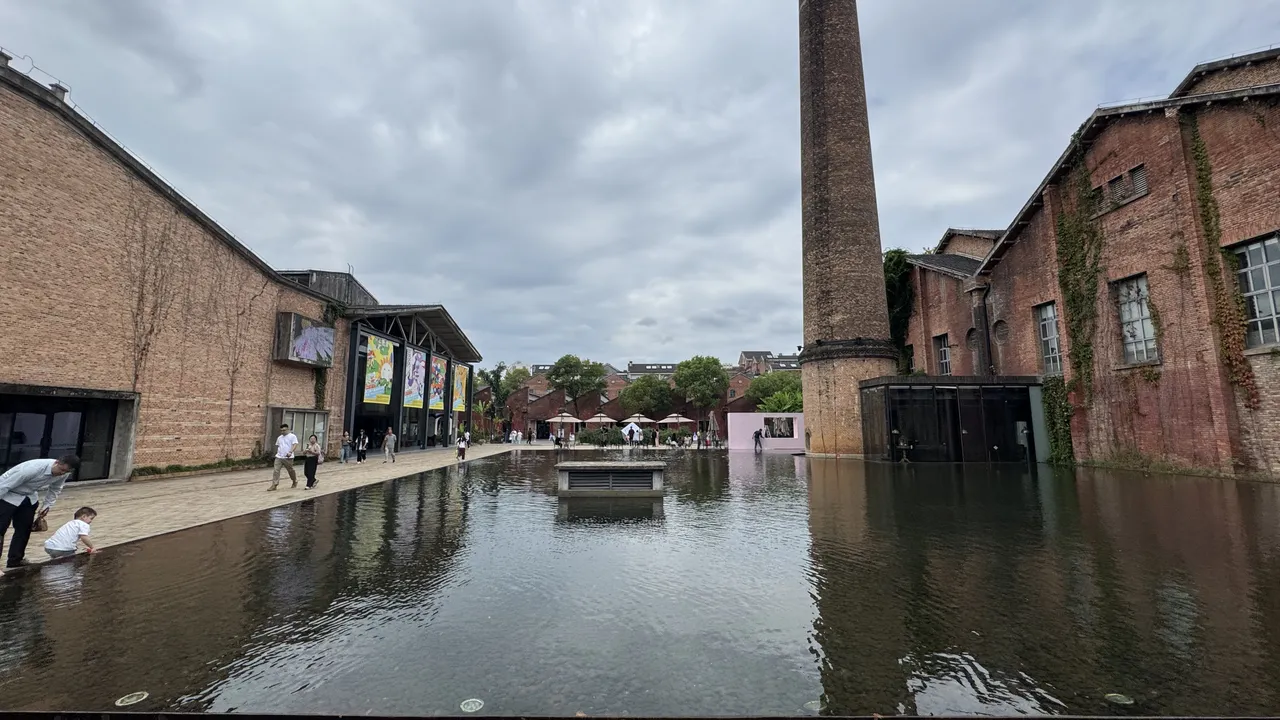
Itinerary at a glance
| 第1天 09:30 | Yaoli Old Town: First Stop in the Valley |
| 第1天 14:00 | Wanghu and Meiling: A Village Afternoon at the Forest Edge |
| 第1天 18:00 | Overnight in Yaoli or Meiling: Village Dinner and Dark Skies |
| 第2天 09:30 | Cangxi Village: A Ming Village Time Forgot |
| 第2天 13:30 | Yantai Village: Old Hours among the Tea Hills |
| 第2天 16:00 | Kaolin Village: The Village That Named the Clay |
| 第3天 09:00 | Fuliang Old Yamen: The Countryside Route's Closing Lesson |
| 第3天 13:00 | Sanbao Village: The Last Stop before Town |
| 第3天 18:00 | Taoxichuan: Where the Rural Line Lands |
The route, stop by stop
Yaoli Old Town: First Stop in the Valley
The rural route opens in Yaoli. The Ming-Qing street along the Yao River is short but unvarnished: residents rinse greens at the bank, bamboo shoots dry outside the ancestral hall, and wooden hammers rise and fall in the old mill. The Cheng ancestral hall and Shigang Shenglan are the two must-see houses, brick carving and timberwork intact.
One to two hours on foot, then teahouse time by the river, Fuliang black tea with a mountain view, the route's standard opening.
Wanghu and Meiling: A Village Afternoon at the Forest Edge
Into Wanghu after lunch, but skip the full loop: walk to the first viewing platform and back, forty minutes of light forest bathing, right for this route's looseness. Stop in Meiling on the return, where the streamside hamlet pours a fine bowl of mountain-spring soy milk.
The word here is unhurried: the countryside rewards attention to daily life, and rushing is the only waste.
Overnight in Yaoli or Meiling: Village Dinner and Dark Skies
Dine near your lodging, farm menus rest on three pillars, cured pork, dried bamboo shoots, free-range chicken. After dinner walk the river; the old town stays dim at night and the stars return. On bonfire or rice-cake nights, hosts round up guests in advance.
Early to bed and up is village rhythm, since day two starts for the old villages.
Cangxi Village: A Ming Village Time Forgot
Cangxi lies in northern Fuliang, known for a drainage system running since the Song and a sweep of Ming houses, with the Jinshi residence at the entrance and the Sangong memorial arches inside. Visitors are rare, lanes belong to elders and dogs, and lintel inscriptions stay legible.
Small enough to read in ninety minutes; commercial amenities are nearly nil, so plan lunch back in town or with a farm family.
Yantai Village: Old Hours among the Tea Hills
Yantai once produced much of Fuliang's black tea, tea gardens rolling on the hills behind, the old street and ancient well in fine shape. A film location, yes, but development stays restrained, and the tea slopes greet you right at the village entrance.
Spring brings the plucking season, with tea farmers happy to show the firing; an hour covers the village, the rest goes to tea paths and the old camphor at the gate.
Kaolin Village: The Village That Named the Clay
Turn toward Kaolin in late afternoon and slow the mining park to village tempo: the old camphor at the gate, water hammers and white tailings look their best in evening light. Skip the full trail, sit at the pit rim, and picture baskets of clay heading down to Dongbu wharf centuries ago.
Simple tea stalls in the village, so drink a cup and wait for sunset before leaving.
Fuliang Old Yamen: The Countryside Route's Closing Lesson
Day three returns to urban civilization: the old yamen threads the tea and porcelain of two rural days into history, the administrative hub of tea taxes and porcelain tribute. The main hall's plaques, couplets and clerk courts survive intact, and the gate tower reads the old town and Chang River, tying the past two days' geography together.
Ninety minutes, then lunch in Fuliang town, where farm kitchens run cheap and solid.
Sanbao Village: The Last Stop before Town
Swing through Sanbao on the way home to connect countryside and kiln valley: a stretch along the stream, two or three studios, where the glaze-stone and clay stories of the villages find their modern answers. Lunch in the village, bitter-lotus tofu with stream fish, a full stop for three days.
Back to town after, with Sanbao within half an hour of Taoxichuan or the rail station.
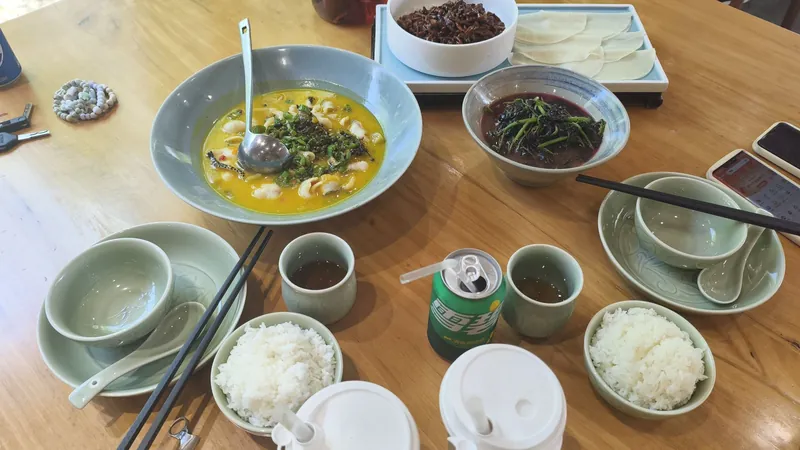
Taoxichuan: Where the Rural Line Lands
Setting the endpoint at Taoxichuan is a deliberate contrast: the day's villages and tea hills are where the porcelain capital came from, the night market and galleries are where it lives now. Take a proper dinner in the dining quarter and walk the brick lane to shake off the hills.
If the night market is on, one small cup makes the rural keepsake; the block runs twenty minutes to the rail station, a calm close.
| Getting around |
|
| Budget | Small fees mostly, the Yaoli combo about RMB 100; three chartered days run RMB 1100-1400, so budget RMB 1000-1500 pp. |
| Best time | Spring tea harvest and autumn drying courtyards shine; mountain summers are cool, while rainy seasons leave some village lanes puddled. |
FAQs
How do I choose between this route and the Yaoli nature route?
By taste: the nature route is waterfalls, forest and walking; the rural route is villages, tea gardens and slow clocks. Both pass through Yaoli early, then fork. Three days means picking one; five or more can merge, folding Cangxi and Yantai into a fourth day.
Do old villages blur together after a while?
Only two villages are scheduled, on purpose: Cangxi for Ming houses and drainage, Yantai for tea hills and black-tea history, distinct themes. Slow down, sit, talk over tea, far better than sprinting four villages in a day.
Are farm stays trustworthy on hygiene and flavor?
The mainstream stays run steady: order hot, freshly stir-fried dishes and skip raw or cold items, since ingredients come in from the village daily. Check room ventilation and bedding dryness on arrival and ask to switch rooms on the spot, hosts usually oblige. Sensitive stomachs should carry their usual remedies, mountain pharmacies are sparse and far.
Does this route survive rain?
Light rain works and even adds mood, village lanes in drizzle are a plus. In heavier rain, swap the village day with a museum day in town, since mountain roads slick over and dirt trails mud up. Check mountain forecasts the night before and lean on your driver's road sense.