
Old Jingdezhen rewards walking. Kilns burned here for a thousand years and the lane names keep the memory: Pengjia Long, Bijia Long, Baganao, with kiln saggers mortared into the brick walls underfoot. The route runs from the Imperial Kiln Site east through the Taoyangli lanes and lands in the modern glow of Taoxichuan.
About six kilometers on foot, seated only at lunch. The pace is deliberately slow; the sights are old workshop sites, lintels, and clay bodies drying on bamboo poles. Rain adds atmosphere, deepening the brick color, but the flagstones slick over, so wear grip soles.
Itinerary at a glance
| 09:00 | Imperial Kiln Site: Starting from the City's Exact Center |
| 11:30 | Lunch near the Imperial Kiln: An Old-Town Meal |
| 13:30 | Taoyangli Old Streets: An Afternoon in the Brick Lanes |
| 17:30 | Taoxichuan Dining Quarter: Dinner under the Lights |
The route, stop by stop
Imperial Kiln Site: Starting from the City's Exact Center
Two reasons to start here: the Imperial Kiln grounds were the old city's center of power, and once you grasp the imperial rules, the lanes around it explain themselves as the neighborhoods that lived off the official kilns. The excavation pits below the Dragon Pearl Pavilion, glaze-workshop remains and the old well form the city's rough draft.
Afterward walk a stretch of the lanes outside the wall, where bricks of kiln clay and grey brick share old walls, the quiet password of Jingdezhen's vernacular buildings.
Lunch near the Imperial Kiln: An Old-Town Meal
The lanes around the Imperial Kiln hide the city's most everyday kitchens. Order by the rule of one noodle, one dumpling, one dish: a bowl of lengfen rice noodles under chili oil and preserved radish, the taste locals grew up on; jiaozi ba, thin rice skins wrapped around spicy radish or dried tofu; and a wok dish, cured pork fried with alkaline rice cake, all sizzle.
These shops look plain and cook to order. Jingdezhen flavors run salty and hot; ask for mild up front and the owners usually oblige.
Taoyangli Old Streets: An Afternoon in the Brick Lanes
The old quarter of Taoyangli is the main course: restored lanes where kiln-brick walls, aged lintels and new pottery studios share the block. The lanes around Pengjia Long reward the slowest walking, drying racks overhead, flower beds built of kiln saggers underfoot. The vaulted roof of the Imperial Kiln Museum stands at the block's north end, its light shifting across the brick all afternoon.
Teahouses, porcelain-panel shops and young makers' studios scatter along the lanes; pick two or three that catch your eye. The right way to see this quarter is to get lost in it.
Taoxichuan Dining Quarter: Dinner under the Lights
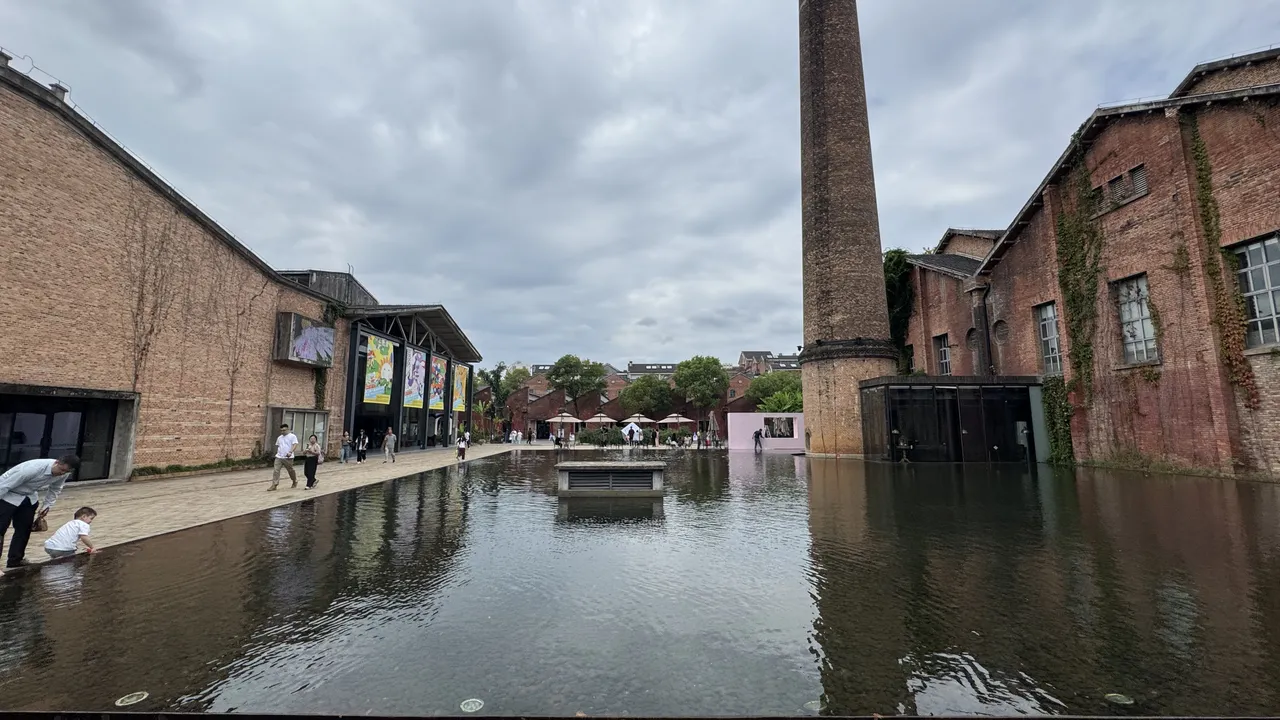
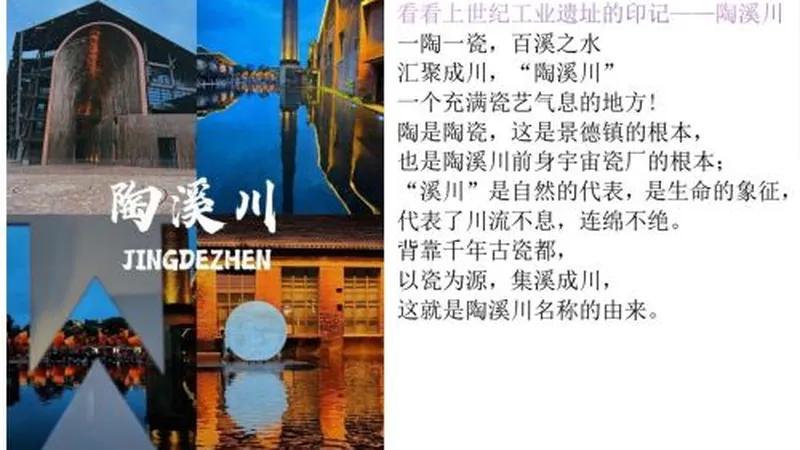
Walk or ride one bus stop to Taoxichuan and hand the day to the night. The dining quarter fills reworked factory halls, everything from RMB 30 noodle counters to fusion kitchens over RMB 100 pp. After dinner, stroll the central brick lane as the gallery and chimneys light up and young stallholders set the evening market.
No agenda here: a coffee or a handmade cup will do. The distance from old town to new is exactly one dinner long.
| Getting around |
|
| Budget | Free or small entry fees, meals RMB 60-100 pp, transport under RMB 30. |
| Best time | Year-round, with the lanes best lit mid-morning; weekends crowd Taoyangli and Taoxichuan, so pick weekdays for quiet. |
FAQs
How long is the old-town walking route?
About six kilometers, five to six hours with stops. If legs are short, cut Taoyangli to an hour and keep both ends intact. In rain the flagstones slick, so hold the same route at a slower pace in grip-soled shoes.
How do tickets work for Taoyangli and the Imperial Kiln Site?
Both belong to the Taoyangli Imperial Kiln Scenic Area with combo tickets from about RMB 60, per posted pricing. The open lanes are free, while the excavation area and museum need a ticket or booking, and some galleries close Mondays.
When should I do this route, and is the evening worth it?
Start in the morning for the light and to hit lunch hours; the evening is the route's climax, with the Taoxichuan market setting up after five and the chimneys lit at dusk. In winter's early dark, shift dinner half an hour earlier to connect.
Is it safe solo, and what should I watch for?
The old town is safe and main lanes stay populated after dark. Three habits: yield to scooters in narrow lanes, keep your phone close at food stalls, and taxi back from Taoxichuan late at night. QR payment covers everything; a little cash suffices.