
Buying porcelain in Jingdezhen works in layers: the market for young makers' work, cheap, witty and luck-based; block brand shops for designed lines at fixed prices; studios for the maker's own pieces with the full story told in person; and old houses for traditional shapes, safest for elders. This route walks all four layers.
Discipline beats routing on a shopping day: set a total budget in the morning, and past it, look without touching. Handle cups by the body, never the handle, and return each piece to its spot. Shipping counters at the market and the block are mature; never cram big pieces into your suitcase.
Itinerary at a glance
| 09:30 | Taoxichuan Weekend Market: Lesson One in Hunting |
| 11:30 | Taoxichuan Block: Design and Fixed Prices |
| 14:30 | Sanbao Village Studios: Buying from the Maker's Hand |
| 17:30 | Taoyangli Old Streets: Traditional Shapes and Old Houses |
The route, stop by stop
Taoxichuan Weekend Market: Lesson One in Hunting
The market is the city's craft barometer: art-school students, young kiln-quitters and drifting makers all stand behind these tables. Prices run from teens-of-yuan saucers to hand-painted cups in the hundreds. Judge three ways: glaze for crawls and pinholes, foot-rims for clean trimming, and the piece's balance in hand.
Bargaining is polite here but keep it under ten percent; much stock is one-of-a-kind, so commit when it clicks.

Taoxichuan Block: Design and Fixed Prices
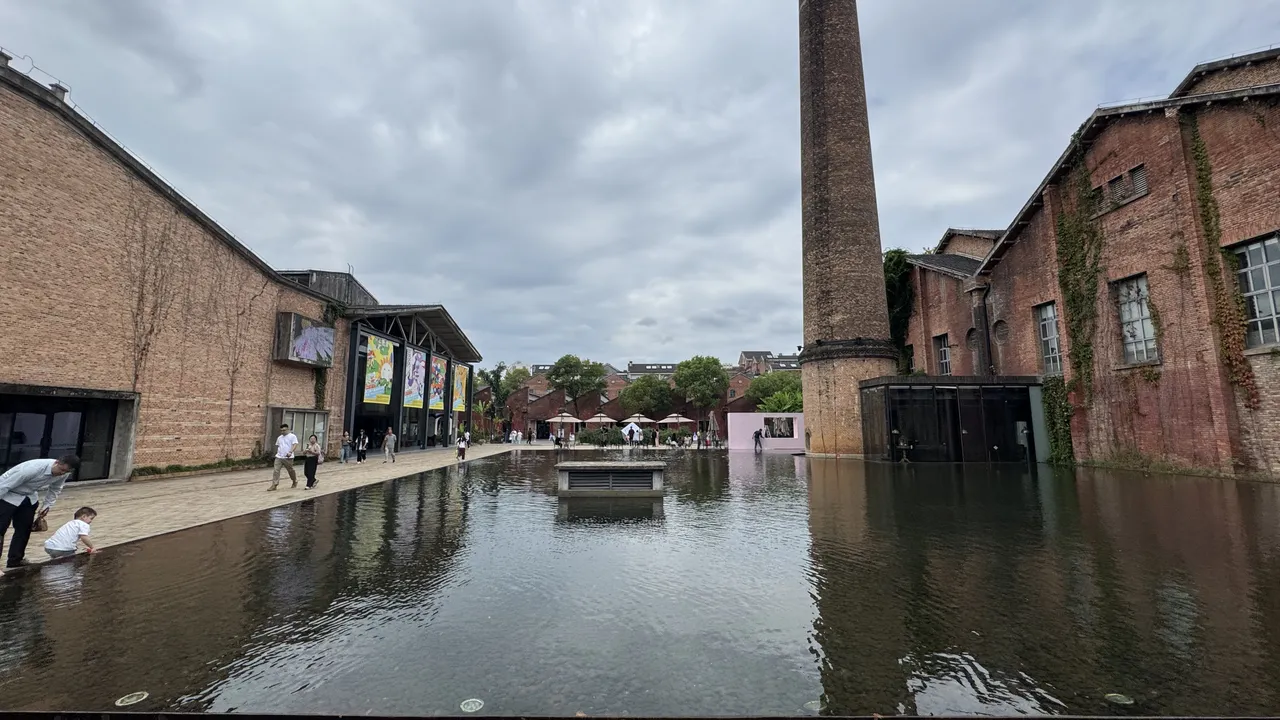
The block's brand shops and curated spaces run on another logic: vetted tenants, posted prices, real after-sales. This is where presentable gifts live, tea sets, desk cups, systematic vases, from hundreds to thousands of yuan. The advantage is comparison, a whole series laid out to weigh sizes and glazes.
The gallery shop sits in the same quarter; exhibition merchandise and books are the shortcut for design-minded giftees.
Sanbao Village Studios: Buying from the Maker's Hand
Most studios along Sanbao's stream open by day, signs at the gate, doors that push open. Buying here means hearing the story: how the glaze was mixed, how many firings failed, why a series was retired. Prices match or slightly top the market's high end, in exchange for the one-of-a-kind.
Not every studio welcomes photos, so check the walls for notices; if torn on price, note the shop name and follow up later.
Taoyangli Old Streets: Traditional Shapes and Old Houses
Close on the old streets, where shops trade in traditional shapes: blue-and-white linglong, colored glazes, archaistic display pieces, safest for elders and offices. The old rules apply: hold to the light to read the body, tap to hear the ring, and compare three shops before paying.
The street teahouses earn a rest: buy a cup, and have the host demonstrate your new gaiwan, inspection and lesson in one.
| Getting around |
|
| Budget | RMB 50-300 covers presentable cups and gifts; collecting goes open-ended. Packing and shipping adds RMB 20-50. |
| Best time | The market is fullest on weekends and Sanbao studios usually open then; for a calm browse, hit the market Saturday morning. |
FAQs
Could market porcelain just be wholesale goods from elsewhere?
A little, yes, but most stallholders make their own work. Two questions about glaze and firing sort it fast: whoever cannot explain the process is likely reselling. Trust the stalls where makers discuss kiln loads and failure rates freely.
What can RMB 100 buy?
At market logic, RMB 100 buys a handmade mug, two or three saucers, or a pair of cups, fine for daily use. In brand shops and studios the tier covers small pieces like incense holders; at 300 the field doubles.
Can porcelain fly out on an international flight?
Yes, cabin or checked, packaging decides: three layers of bubble wrap in a hard box, cabin pieces padded with clothing. Customs imposes no special limits, but for checked bags pad hard and plaster fragile stickers; for big pieces, courier beats the cabin.
Are so-called imperial-kiln replicas trustworthy?
Modern replicas are a legal, mature market, decent archaistic pieces from hundreds to thousands of yuan. But any claim of genuine imperial ware or excavation is fraud, real ones never circulate. Buy archaistic from credentialed shops with certificates, and on big prices sleep on it for a day.