
Jingdezhen's food has lived too long in porcelain's shadow. This migrant city eats wide: river-port heat, Huiz merchant salt, temple tofu craft, all on the streets. The snack trinity is lengfen cold noodles, jiaozi ba rice dumplings and fried dough wrapped mochi, while alkaline rice cake with cured pork and clay-kiln chicken anchor the real meals.
The route follows the meal clock: the market as an opener, a proper old-town lunch, scenery as a side dish in Sanbao, then the Taoxichuan night finish. Gaps between sittings let the stomach reset; stop at sixty percent full each time and you last all four rounds.
Itinerary at a glance
| 09:30 | Taoxichuan Weekend Market: Breakfast by the Stallholders |
| 12:30 | Near the Imperial Kiln: A Proper Old-Kitchen Lunch |
| 15:30 | Sanbao Village Dining: Scenery as the Side Dish |
| 19:00 | Taoxichuan Dining Quarter: The Night-Market Finish |
The route, stop by stop
Taoxichuan Weekend Market: Breakfast by the Stallholders
On weekend mornings the Taoxichuan market rolls out along the main street: fresh-baked shaobing, rice batter in bamboo tubes, and youtiao wrapped mochi, glutinous rice around sesame sugar, best hot. The market's charm is one bite per stall; buy single portions to share, most cooking to order with a three-to-five-minute wait.
On weekdays the stalls thin out, but the block's fixed breakfast shops keep regular hours, fried dough, soy milk and soup dumplings still field a full lineup.
Near the Imperial Kiln: A Proper Old-Kitchen Lunch
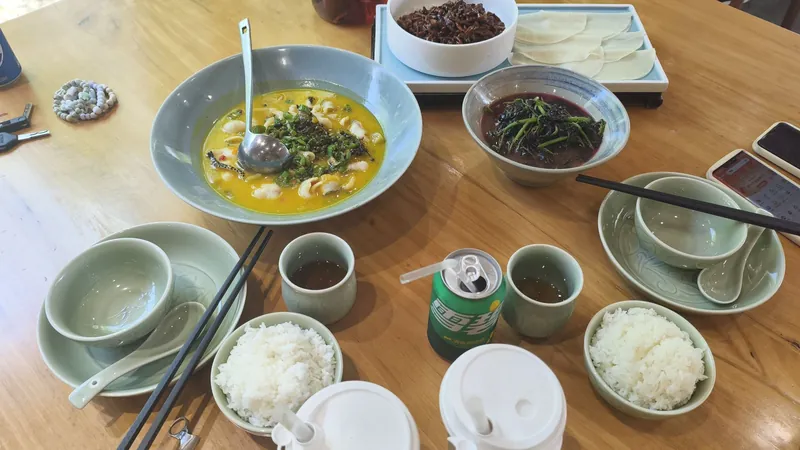
This is the day's main meal. Set the tone with lengfen: thick rice noodles blanched and tossed with chili oil, preserved radish and peanuts, street-corner confidence at a couple of yuan a bowl. Follow with jiaozi ba by the steamer, six to a basket with skins thin enough to show the filling, then the heavy guns, alkaline rice cake fried with cured pork or clay-kiln chicken, a bird sealed in porcelain clay and slow-baked, releasing a startling aroma when cracked open.
Most are husband-and-wife kitchens with honest portions; three dishes and a noodle feed two, so ignore the menu photos.
Sanbao Village Dining: Scenery as the Side Dish
Sanbao's kiln valley climbs along a stream, pottery studios and restaurants on both banks, and mid-afternoon slips past the meal rush. Kitchens here trade on setting: floor-to-ceiling glass over hill and water, farm dishes given a polish, with bitter-lotus tofu, stream fish and braised pork with dried shoots in the lead roles. Half portions are usually negotiable.
Afterward walk the valley path twenty minutes to settle the meal; most studios welcome browsers, cups or no cups.
Taoxichuan Dining Quarter: The Night-Market Finish
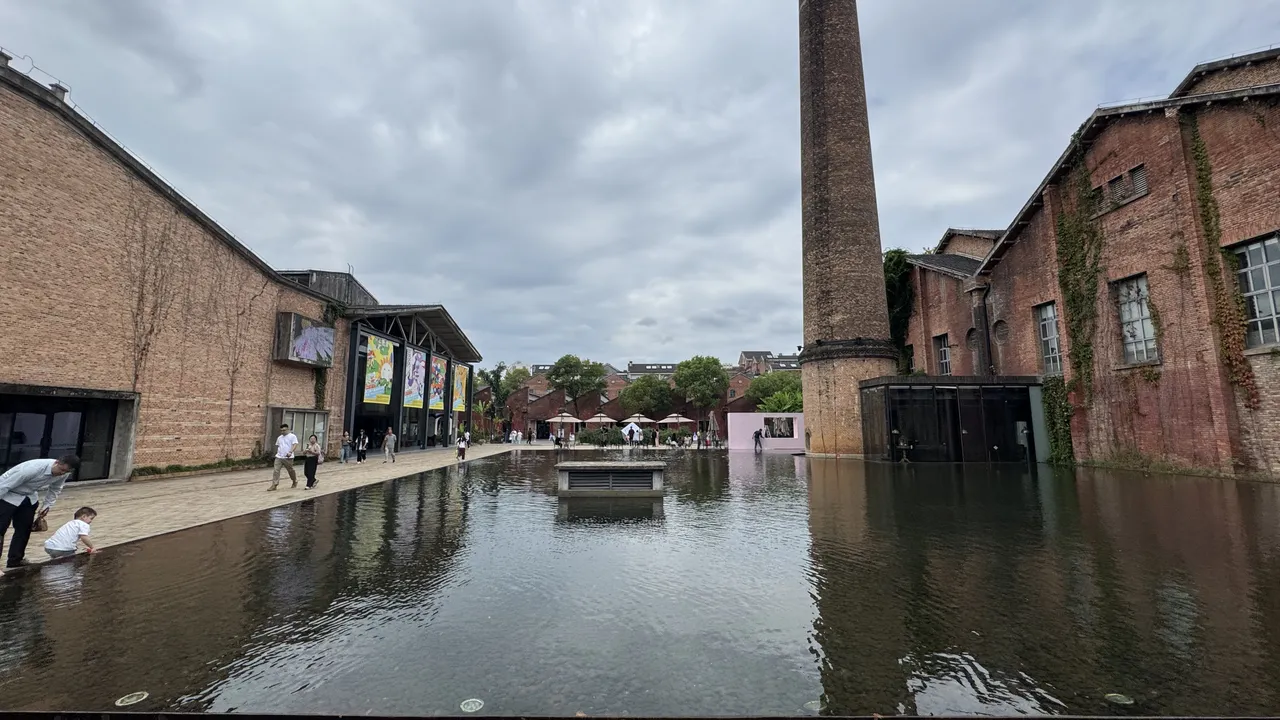
Close the day back at Taoxichuan. Sit-down kitchens for the main round, market stalls for grazing: grilled tofu, sizzling squid and sweet-soup counters in a row. The play is a wok dish inside, then skewers and iced jelly from the stalls, eaten on the factory-hall steps.
Walk it off and finish the day's shopping list; at night the stallholders talk craft more freely.
| Getting around |
|
| Budget | Grazing runs RMB 100-160 pp; adding a view meal in Sanbao brings it near RMB 220. |
| Best time | Year-round; the weekend market is fullest, old-town noodle stalls keep morning hours, so time both ends. |
FAQs
Can a non-spicy eater survive in Jingdezhen?
Yes. Say no chili or mild when ordering; lengfen can go soy-sauce-and-peanut only, and jiaozi ba comes in mild tofu and pickled-vegetable fillings. Lean on soup noodles, steamed stream fish and tofu dishes, and local kitchens usually accommodate.
How different is Taoxichuan on weekends versus weekdays?
The gap is stall count and mood: weekends bring out the full food and craft market, lively but crowded; weekdays keep the fixed shops and a thinner market, better for queue-averse eaters. Eat-hunters pick weekends, comfort browsers weekdays, and both versions feed you well.
Is Sanbao Village worth the trip just to eat?
For food alone, yes; food plus scenery, even more. The valley setting beats anything downtown, ideally at two or three in the afternoon between rushes. If time is short and you only want street snacks, swap Sanbao for another old-town round; but for one proper sit-down meal, the view earns its place.
Is four sittings in one day too much?
At sixty percent full per sitting it is fine: the market and night stalls cover breadth, the old-town lunch and Sanbao cover depth, with two or three hours between rounds. Sensitive stomachs should not stack chili oil and iced jelly at once, and carry bottled water.