
This route is for second visits: the parks are seen, and the remaining question is what Libo holds beyond water. The answer is countryside, the lane roads along the Zhangjiang, the granaries of Yaoshan, Buyi hearths, and one thing no park can sell, three days of being treated as a neighbor.
The structure is field, mountain, forest. Day one rides between Moon Lake and the Zhangjiang lane roads. Day two belongs entirely to Yaoshan Ancient Village, sleeping inside it. Day three walks toward Maolan for Buyi villages and farmland. Not one morning demands fighting for tickets, the deepest difference from the park route.
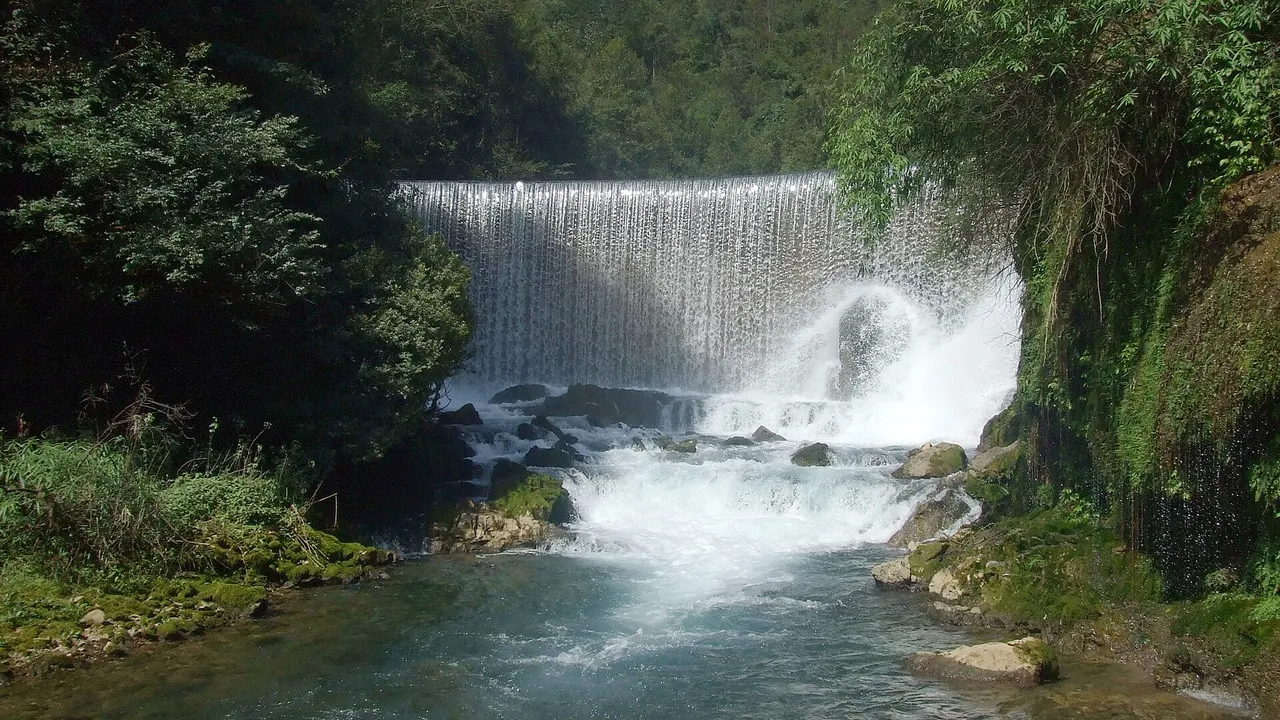
Itinerary at a glance
| D1 09:00 | The Old Town Morning Market and Town Provisions |
| D1 10:30 | Moon Lake Wetland Park: Where the Riding Starts |
| D1 15:00 | Riding the Zhangjiang Lane Roads: Fields and the Ferry Crossing |
| D2 09:00 | Yaoshan Ancient Village: The Gate Welcome and the Granaries |
| D2 14:00 | Yaoshan Ancient Village: Home Visits, Embroidery and the Long-Table Feast |
| D2 16:30 | Yaoshan Ancient Village: The Back Trails and Terraced Fields |
| D3 08:30 | Dongdao Tribe: Workshops in the Morning Light |
| D3 14:00 | The Buyi Village of Yaogu and Five-Eye Bridge Farmland |
| D3 17:30 | Back to Town: A Farewell Dinner by the Zhangjiang |
The route, stop by stop
The Old Town Morning Market and Town Provisions
Three country days open with a proper provisioning run: buy fruit, trail food and sun supplies for three days at the morning market, and ask the bayberry seller about today's weather. On market days, elders in ethnic dress own half the street coming into town, the route's first sight in itself.
Split your bags before riding: big luggage stays at the hotel while the overnight pack goes to Yaoshan. Breakfast at the market's edge, rice rolls and soy milk, lays the base for thirty kilometers of riding.
Moon Lake Wetland Park: Where the Riding Starts
Starting from Moon Lake is the smart order: warm up around the lake, then follow the lane roads outside the wetland toward the Zhangjiang. The surface runs smooth and the grades friendly, rice fields and banana groves on both sides, more cattle than cars.
The rule of country riding is to stop and look at every fork, since the field scenery runs denser than any park and you own the speed. Hydrate as the sun climbs; roadside shops are the supply stations, and two-yuan water feels like a different economy from the parks.
Riding the Zhangjiang Lane Roads: Fields and the Ferry Crossing
Ride downstream along the Zhangjiang with the river at your right hand, every village on the lane roads keeping its flagstones, old trees and wells. With luck you meet a ferry crossing, a couple of yuan carrying you and your bike over the river, the cheapest and most unforgettable transit on the country route.
Turn back at seventy percent of your legs; the lane roads reward restraint. The return rolls downstream on gentle grades, and when sunset gilds the rice fields you are likely on the ride's best stretch.
Yaoshan Ancient Village: The Gate Welcome and the Granaries
Day two climbs to Yaoshan with the overnight pack, catching the morning gate-welcoming ritual, then following the guide through the granary cluster after drums and firecrackers. The raised granaries throw their best shadows in morning light, and the water-buffalo-horn marks on the roofs differ family by family, which the guide will teach you to read.
White-Trousered Yao dress is this stop's visual center: men in knee-length white trousers, women's back-panels crossed with the Yao King's seal. Understanding the dress takes a guide's narration, and here the guiding fee earns its keep better than in the parks.
Yaoshan Ancient Village: Home Visits, Embroidery and the Long-Table Feast
The Yaoshan afternoon belongs to home visits and workshops: sit at a Yao family's hearth listening to stories while women spin and embroider, a small panel's hours of labor far exceeding your guess. Hands-on types can manage the simple batik step.
Night is the day's peak: the long-table feast joins tables into one line, Yao dishes and rice wine passing down it, then bonfire and top-spinning light the village up. Sleeping inside, you open the window to mountain shadows, an experience no town hotel sells.
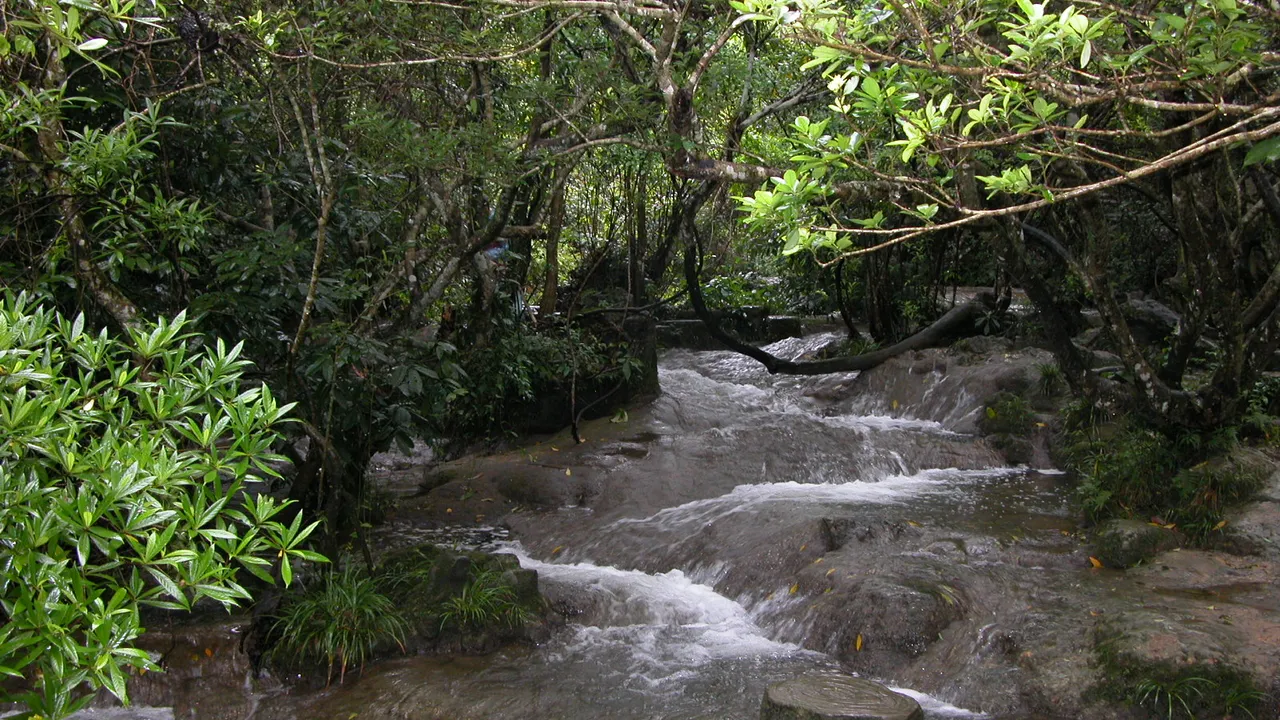
Yaoshan Ancient Village: The Back Trails and Terraced Fields
Before the feast fires up, take one loop of the lanes behind the village. Yaoshan sits a band higher than town, the paths running through bamboo and terraced fields, evening light slanting into the paddies while a granary roof peeks through the treetops.
The small loop takes forty minutes, with no tourist facilities, dirt and stone steps underfoot. Back in the village, the bonfire and the long-table feast open on schedule, and the walk wakes the appetite exactly on time.
Dongdao Tribe: Workshops in the Morning Light
Day three descends from Yaoshan and stops at Dongdao Tribe en route. The tribe is emptiest in the morning, looms and dye vats just starting; join a stretch of weaving or pottery and carry the piece out. The farmland side deserves a loop, its vegetable beds and flower fields arranged with a deliberate looseness.
Lunch happens here, the guesthouse kitchen close to its fields, the pot following the season. Afterward head toward the villages at Maolan's edge, where the afternoon's main event waits.
The Buyi Village of Yaogu and Five-Eye Bridge Farmland
The afternoon hugs Maolan's reserve edge: the Buyi village of Yaogu stacking stone houses up the slope, old papermaking and brewing crafts still alive, any doorway likely to end in a taste of home rice wine. The village stays quiet with few visitors, the trip's truest stretch of being a guest.
Close at Five-Eye Bridge farmland, a Qing-era five-arch stone bridge over the stream, washing and wading below, everything growing in the fields above. Sit until just before sunset and give the last hour of three country days to this bridge.
Back to Town: A Farewell Dinner by the Zhangjiang
Back in town, collect your bags from the hotel and dine at a riverside table, one Zhangjiang fish and the spicier dishes the three days skipped. The right memory of a country route is not a sight but the ferry, the hearth, the long-table feast and the water sound under Five-Eye Bridge, none of them ticketed.
If a train waits tomorrow, sleep early; if the rail station still lies ahead, a forty-minute riverside walk settles the dinner exactly. The trip should end the way it ran, slowly.
| Getting around |
|
| Budget | Village entries about RMB 60-100, two guesthouse nights RMB 300-600, cars and bike hire together RMB 400-600; three days run roughly RMB 900-1400 pp. |
| Best time | Spring and autumn suit best, rapeseed and new seedlings, then golden rice; villages stay cool in showery summers, while winter's hush suits writing and idling. |
FAQs
Is it a waste to take the country route without having seen Xiaoqikong?
Yes. Xiaoqikong is Libo's core asset, and a first visit without it does not compute. The country route is built as depth for a second trip or a long one; the two add together. With only three days wanting both, two park days plus one country day is the compromise.
What are village lodgings like overnight, cleanliness included?
Yaoshan guesthouses have been renovated in recent years, en-suite bathrooms are the norm, and cleanliness matches town budget hotels, though keep expectations on soundproofing and fittings modest. Cold-sensitive sleepers bring long pajamas, mountain nights cool sharply, and the quilts are usually thick, while delicate types rest easier with liner sheets.
Can a solo traveler join the long-table feast?
Yes, the feast welcomes walk-ins at shared tables, signup a day ahead with your guesthouse or the guide point, priced per head. Solo seating is arguably the better experience, dinner companions on both sides, rice wine breaking ice within minutes. The shy can take the far end, easy to engage or exit.
With no station or airport time built in, how do the connections work?
Put connections at the bookends: arrival day goes to check-in and provisioning in town, the final afternoon returns to town with bags collected after dinner, and the next morning reaches Libo station in under twenty minutes. Never load the last country leg with train pressure; mountain-road timing flexes less than you hope.