
Lijiang's food follows highland logic: the altitude is high and winters bite, so meat gets cured, smoked and stewed into hotpots; the mountains yield mushrooms and the valley yields beans, which is how chickpea jelly and the once-a-year mushroom feast were born. This day is sequenced by mealtime, six stops from breakfast to a late bonus pot, with walking gaps built in so you finish satisfied rather than stuffed.
The math is simple: breakfast snacks about RMB 15, lunch about RMB 30, pork rib hotpot RMB 60-80 per person, and in mushroom season one extra pot at RMB 100-150 per head. RMB 200-280 covers a complete day. Two rules hold throughout: for the big pots, eat where locals gather near the markets rather than on the main tourist streets, and never rush the mushrooms; let them boil as long as the kitchen says.
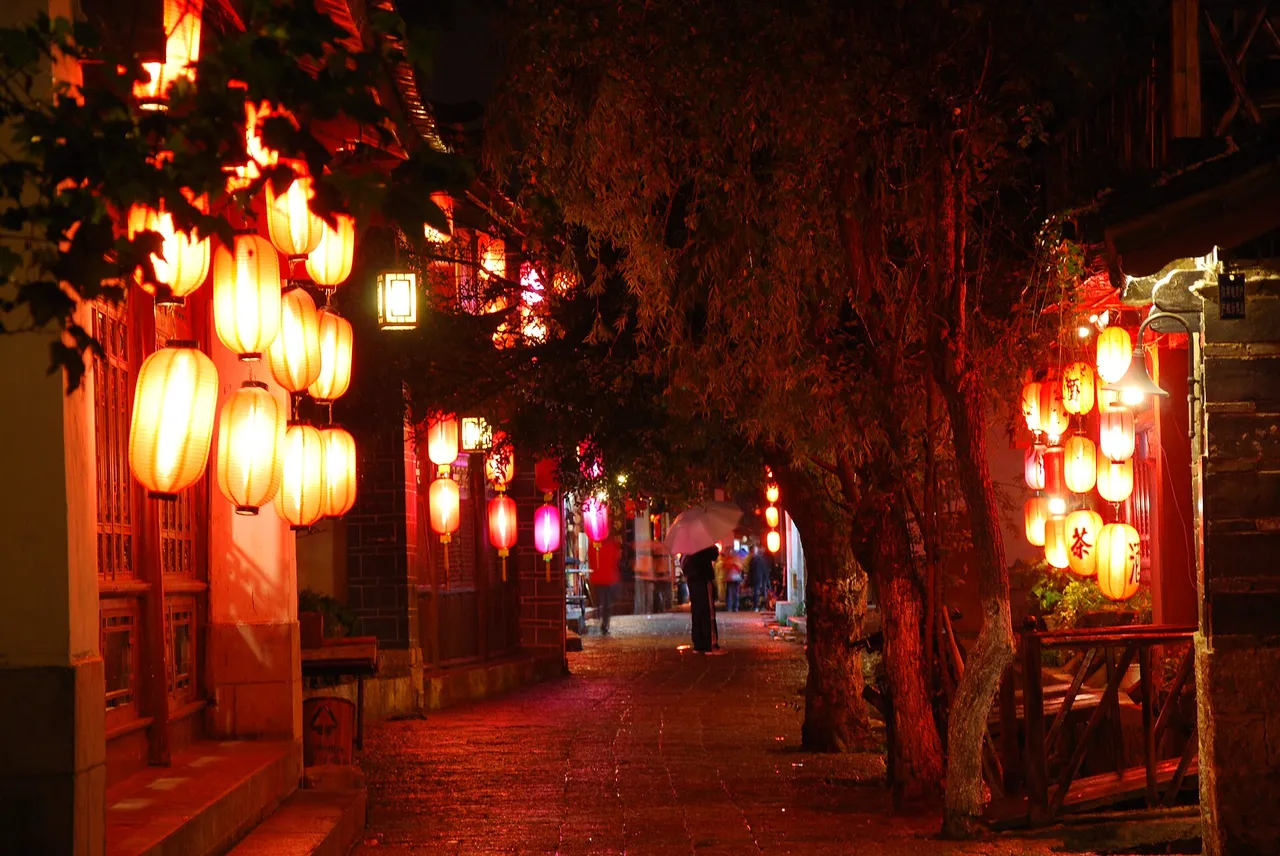
Itinerary at a glance
| 08:30 | Morning Stall: Baba Flatbread and Butter Tea |
| 09:30 | Zhongyi Market: A Field Lesson in Mushrooms |
| 12:00 | Snack Lunch: Chickpea Jelly and Rice Blood Sausage |
| 14:30 | Afternoon Break: Fresh-Baked Flower Pastries |
| 18:00 | Dinner Proper: Pork Rib Hotpot Done Right |
| 20:00 | The Bonus Round: Wild Mushroom Hotpot in Season |
The route, stop by stop
Morning Stall: Baba Flatbread and Butter Tea
Start with the Lijiang baba, a thick round griddle bread: the sweet version hides rose sugar and walnut crumble, the savory one packs scallion and cured ham. Straight off the iron pan the edge crackles while the middle stays tender. Pair it with a salty butter tea, softened relative to the Tibetan original with walnut and hemp seed paste; locals treat it as breakfast fuel, and one pot carries you to noon.
Stalls cluster around Wuyi Street and Zhongyi Market, setting up around seven and selling out by ten. A baba runs RMB 5-10, butter tea RMB 10-15 a pot. The tell of a good stall is simple: the higher the fresh stack of breads on the board, the faster the turnover and the fresher the dough. Order one of each flavor on day one, learn your preference, and restock accordingly over the following days.
Zhongyi Market: A Field Lesson in Mushrooms
Zhongyi Market is Lijiang's largest farmers market and the classroom for today's lesson. Snow fish, dried meats, fermented beans and rice cakes all earn a look, but the headliners are the rainy-season mushrooms: from June to September, matsutake, chicken mushrooms, porcini and the famous bruise-blue boletus arrive in sequence, prices swinging with each day's supply. Matsutake sells by the piece, porcini by the weight.
Even without a kitchen, the circuit pays off: once you know what the mushrooms look like and what they cost at source, ordering a mushroom pot at a restaurant tonight becomes a fair fight against the word wild on the menu. Watching vendors sort is part of the fun; the blueing on a cut boletus is oxidation, not spoilage. The market also stocks green plum juice, yak jerky and loose flower pastries at twenty to thirty percent below old-town prices.
Snack Lunch: Chickpea Jelly and Rice Blood Sausage
Lunch stays in snack territory. Chickpea jelly is the city's signature: a gray-green set cake made from a highland chickpea, pan-fried crisp in winter or tossed cold with chives and Sichuan pepper oil in summer, the fried version dipped in chili vinegar and garlic water. One serving runs RMB 6-10, sold from street carts and old shops deep in the lanes.
Rice blood sausage is the co-star: pig's blood mixed with glutinous rice, steamed in casing, then sliced and seared or eaten straight with chili dip, chewy and starchy, an old Naxi festival dish. Add a small-pot noodle bowl and you have a quality lunch under RMB 30. The same siting rule applies, head into the side lanes off Qiyi and Wuyi Street and sit where the locals sit.
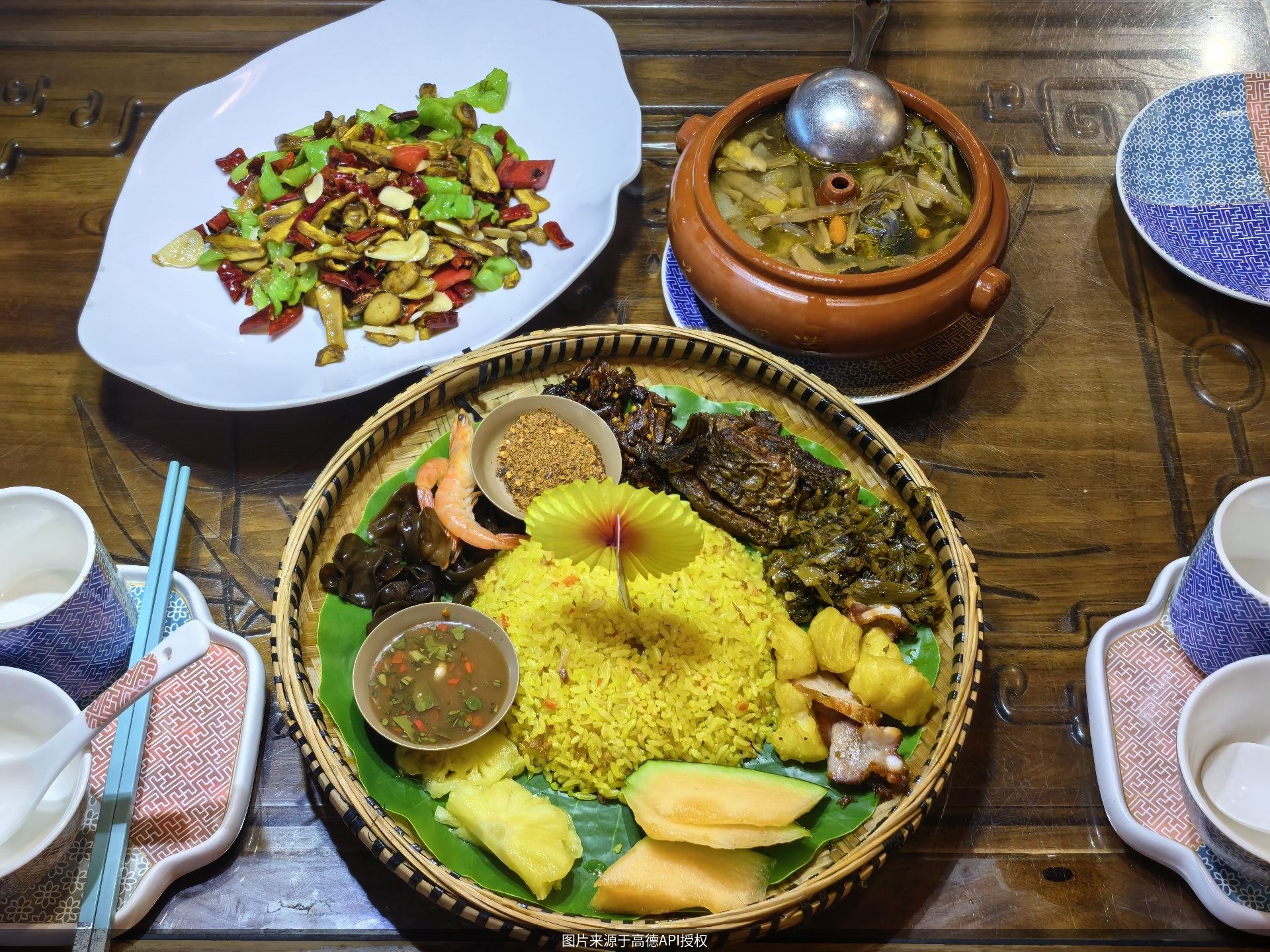
Afternoon Break: Fresh-Baked Flower Pastries
Give the afternoon to flower pastries. Lijiang's version shares roots with the Kunming original, but here you find bake-on-site workshops: through the window you can watch lamination, filling and stamping, and when a tray comes out the whole street smells of rose jam and butter. Fresh ones shed flakes at a touch, the rose filling glossy and moist, a different species from the sealed gift boxes. Fresh-baked singles run RMB 5-8; grab two and a cold plum juice and sit by the canal.
Two checks before buying: only consider shops where you can see the oven, and read the ingredient list on gift boxes, the closer rose filling sits to the front, the better. Some cheap boxes bulk up with winter-melon paste and a scattering of petals, which tastes faintly fake and sweet. Sample fresh first, then decide whether the boxed version deserves luggage space.
Dinner Proper: Pork Rib Hotpot Done Right
Cured pork rib is the crown dish of a Lijiang dinner: ribs salted with Sichuan pepper and air-dried until the meat turns rosy and the salt sinks to the bone, then simmered with tomato, celery and potato into a milky broth that deepens as it cooks. The pot comes with a vegetable platter; drink the soup first, work through the ribs, then let the greens soak up the base. Figure RMB 60-80 per person; a medium pot plus sides covers two or three diners.
Two reliable hunting grounds: the veteran cluster at Xiangshan Market, the locals' canteen with steady quality and honest prices, and small shops around Wuyi Street if you want to stay in town. Read a good pot by its details: ribs marbled rather than pure fat, a thin clear layer of oil on the broth, and the local garnish of chive roots and mint leaves that deserves a try. The soup grows saltier as it reduces, which is normal; ask for more broth, not more ribs.
The Bonus Round: Wild Mushroom Hotpot in Season
Visiting between June and September, add a wild mushroom hotpot that night: a mixed pot of fresh matsutake, chicken mushrooms, porcini and bruise-blue boletus over free-range chicken broth, mushrooms first, soup second. RMB 100-150 per person, a step above rib hotpot, but the mushrooms only run these months, which makes it strictly seasonal. Pick two to four varieties at the day's quoted prices rather than chasing the full list.
Safety comes first at this meal: the mushrooms must boil through, and the kitchen will add them on a timer and serve with a slotted spoon; follow their rhythm exactly, and never order mystery loose mushrooms or raw preparations. The freshness of the broth is a depth no MSG fakes, so ladle a baseline bowl before the mushrooms go in and compare after. Out of season, swap this stop for black goat hotpot or potato chicken, equally solid local mains.
| Getting around |
|
| Budget | Breakfast snacks RMB 15, lunch about RMB 30, rib hotpot RMB 60-80 pp, mushroom pot RMB 100-150 pp: roughly RMB 200-280 for the day |
| Best time | All year; wild mushroom season runs Jun-Sep, the only window for the mushroom pot. Rib hotpot is a four-season staple |
FAQs
I cannot handle spice. Will I survive this itinerary?
Easily. Lijiang food is mild overall and chili lives in the dips: order the jelly without chili and keep hotpot dipping sauce separate. Everything stays adjustable.
How real is the mushroom poisoning risk, and how do I order safely?
The risk sits in undercooked or unknown-origin mushrooms. A proper restaurant, full boiling time and slotted-spoon service make it safe. Skip raw dishes and street loose mushrooms; pregnant women and small children should sit this one out.
Where should I eat rib hotpot, and is there a queue?
The Xiangshan Market cluster is the safest bet, heavy local turnover included; Wuyi Street shops suit those staying in town. Tables turn fast but queues build after six, so sit down by 5:30.
Is six eating stops in one day too many?
Portions alternate snacks and proper meals with an hour-plus of walking between each. Small appetites can drop the pastry break or the bonus pot; the core three are breakfast, the jelly lunch and the rib hotpot.