
Lijiang's souvenir list is long, but only a few items carry real local roots: Dongba paper, a bark paper said to last centuries, now made into lampshades, notebooks and letter sets; flower pastries, where fresh-baked and gift-boxed are two different foods; and silver, which carries both Naxi and Tibetan traditions but is precisely where the old town gets murky. This day is built around the three: watch the craft first, learn the tell-tales, then spend.
The budget stretches wide: a small Dongba notebook runs around RMB 20, while lampshades and large paper artworks climb into the hundreds; pastry gift boxes go for RMB 30-80; small silver pieces start around RMB 100, with bracelets priced by weight plus labor. One rule covers everything: for goods priced on craft value rather than material weight, learn the market before buying; for silver, demand the hallmark, the weight and a receipt, and walk away if any one is missing.
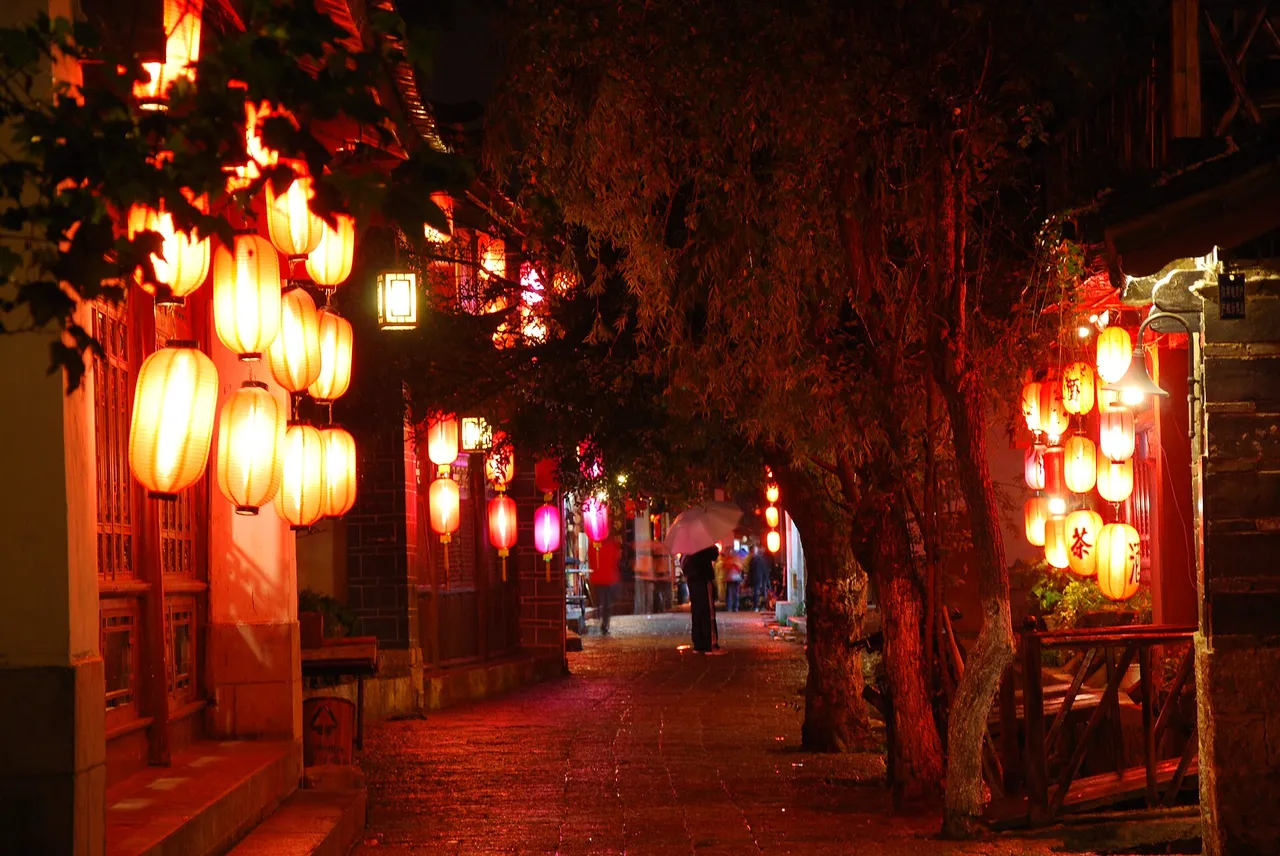
Itinerary at a glance
| 09:30 | Dongba Paper Workshop: A Sheet That Outlives You |
| 11:00 | Flower Pastry Workshops: Fresh-Baked Versus Boxed |
| 13:30 | Lunch Relay: A Lane-Side Noodle Stop |
| 14:30 | The Silver Lesson: Hallmarks, Weight and Receipts |
| 16:30 | Tea, Preserved Fruit and Small-Goods Sweep |
The route, stop by stop
Dongba Paper Workshop: A Sheet That Outlives You
Dongba paper starts with the bark of a local daphne-like shrub, boiled, pulped, dipped and sun-dried into a coarse, tough, insect-resistant sheet that was the traditional medium for Dongba scriptures and famously survives centuries. Several paper workshops around the old town run dipping demonstrations: a craftsman lifts a wooden frame out of the pulp vat, drains it, and a sheet is born; at some shops you can try it yourself.
Buy by purpose: for gifts, letter sets and small notebooks printed with Dongba characters start around RMB 20 and travel light; for your own home, lampshades and framed paper art carry the most identity, from RMB 100 into the hundreds. Judge by texture: genuine Dongba paper is thick with coarse fibers and a flecked pattern when held to the light; anything thin, slippery and unnaturally uniform is likely ordinary paper printed to imitate it.
Flower Pastry Workshops: Fresh-Baked Versus Boxed
Lesson one: fresh-baked and boxed flower pastries are two different products. At a bake-on-site workshop the window shows lamination, rose-jam filling, stamping and the oven, and a fresh one crumbles at a bite with a moist, glossy filling; boxed pastries trade texture for shelf life, drier and flatter, fine for transport but never the same experience.
Buy in two layers: eat two fresh ones on the spot to confirm the filling is honest, high rose content, sweet but not cloying, then decide on that shop's boxes for the trip home. Read the label, the higher the rose filling sits on the list the better; budget boxes often bulk up with winter-melon paste and taste faintly false. Fresh singles run RMB 5-8, boxes RMB 30-80; in the rainy season keep boxes sealed and eat them soon after you get home.
Lunch Relay: A Lane-Side Noodle Stop
Keep lunch light on a shopping day: a small-pot noodle bowl or potato rice at a lane-side shop, RMB 20-30 per head, leaving room for the silver lesson this afternoon. Same selection logic as the food day, skip the first three shops on the main street and follow the local diners into the side lanes off Qiyi and Wuyi Street.
This meal is also the budget checkpoint: the morning's paper and pastries cost little, and the real decisions all come this afternoon. After eating, find a tea house with seats for twenty minutes, flatten the paper goods and stand the pastry boxes upright, so your hands are free to examine silver properly.
The Silver Lesson: Hallmarks, Weight and Receipts
Silver is the murkiest souvenir category in the old town, so buy with a method. First, the hallmark: genuine fine-silver pieces carry a stamp inside, reading fine silver or 999/990; pieces claimed as hand-made with no hallmark deserve suspicion. Second, ask for the weight and pricing method: honest shops quote the day's gram price plus labor, while anything sold as one opaque lump-sum price with no weight gets an instant pass.
Third, know the market: silver's commodity price is public, and labor varies with craft, so engraved or drawn-wire pieces costing more in labor is normal, but labor several times the metal value is a warning. Some shops inflate prices under names like snow silver or Tibetan silver, or bait visitors with free-lucky-draw and experience scams; if someone steers you into a store with a raffle, leave politely. A sane yardstick: earrings and pendants around RMB 100 are reasonable, bracelets by weight plus labor run several hundred to about a thousand, and anything far above that is simply overpriced.
Tea, Preserved Fruit and Small-Goods Sweep
Finish by sweeping the small goods in one pass. Yunnan is pu-erh tea country and tea shops densify the old town, but newcomers should stick to a RMB 50-100 daily-drinker cake rather than chasing aged teas in a tourist zone; check the cake surface for cleanliness and mold, and sniff for off smells. Dianhong black tea is the other easy buy, transparently priced and crowd-pleasing.
Best value among small items: green plum products, juice, preserved plums and plum wine, all light and durable; wood carvings and indigo scarves cost twenty to thirty percent less in the lane shops than on the main street. Close the day by consolidating everything: seal paper and tea against moisture, stand pastry boxes upright to protect them, bag silver separately with its receipts, and your luggage stays clean whether checked or carried.
| Getting around |
|
| Budget | Dongba paper goods RMB 20-200, pastry gift boxes RMB 30-80, small silver pieces from RMB 100-500: scale your budget freely |
| Best time | Shopping runs year-round; in the humid rainy season seal paper and tea well. Peak season inflates main-street prices, so favor the lane shops |
FAQs
Is old-town silver really that risky? Should I buy any?
The risk is real, but a method neutralizes it: check the hallmark, ask the weight, insist on gram pricing, keep the receipt, and only enter shops with clear posted prices. Follow all four and small silver pieces are safe to buy.
Is Dongba paper heavy or awkward to pack?
Not at all. Notebooks and letter sets weigh almost nothing, lampshades come in collapsible-frame versions, and paper art travels in rolls or rigid tubes; pack flat and dry for checked luggage.
With a tight budget, which of the three comes first?
Start with flower pastries and a small Dongba notebook, both presentable as gifts for under RMB 50 combined. Leave silver until the budget and a trustworthy shop align; never force it.
How do I store the pastries and tea I bought?
Eat boxed flower pastries within about three days at room temperature, or refrigerate and finish soon. Keep pu-erh and Dianhong sealed, shaded and dry, extra care in the rainy season, and a dry spot at home is enough.