
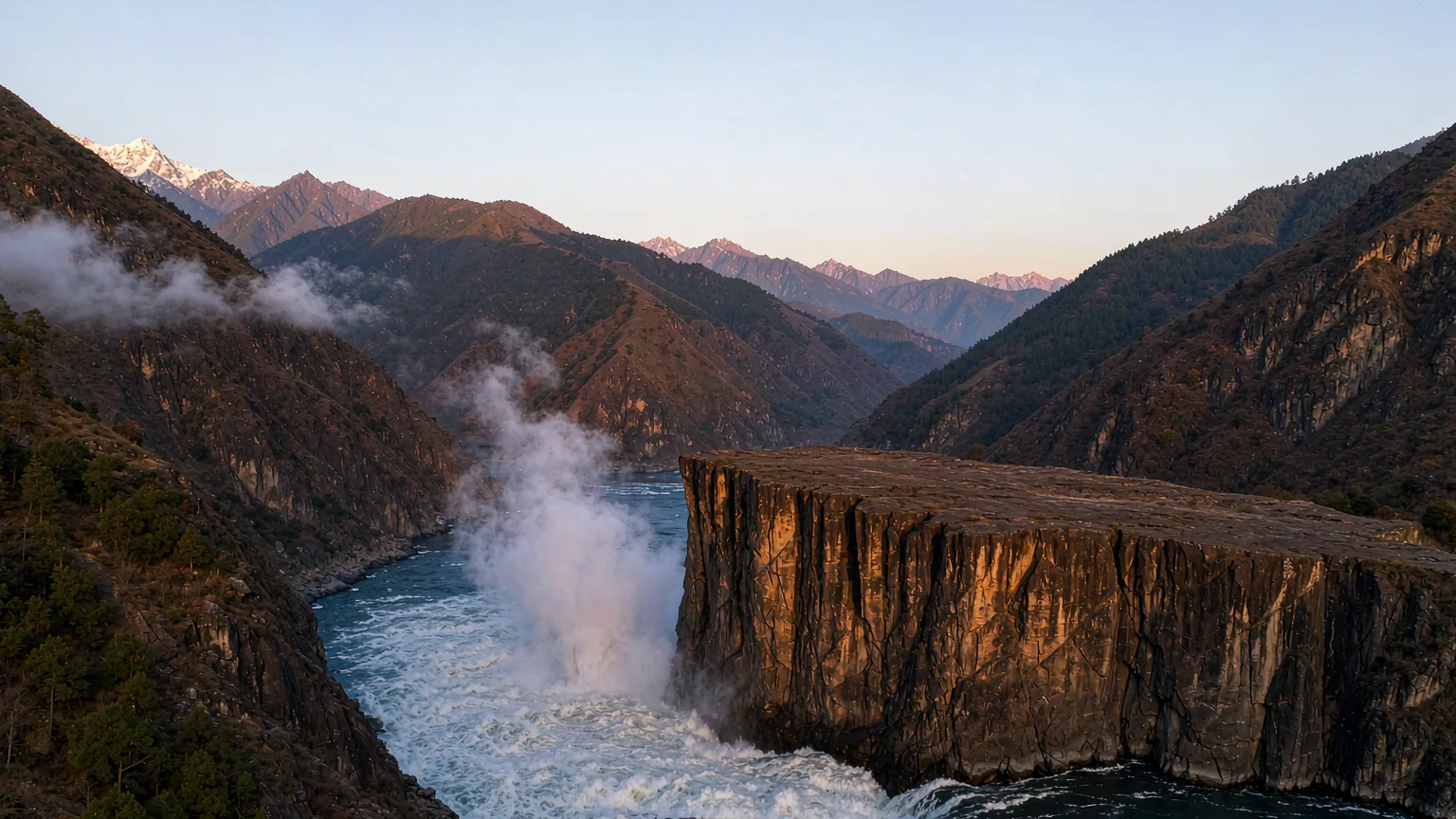
At Shigu the Golden Sands River, the Yangtze's upper reach, swings sharply from a southerly to a northeasterly course, carving the huge hairpin known as the First Bend of the Yangtze; it then cuts between Jade Dragon and Haba Snow mountains to form Tiger Leaping Gorge, where the river narrows to roughly thirty meters while dropping over three hundred, one of China's deepest gorges. This three-day plan starts in Lijiang and fits both the bend and the gorge, viewing and hiking, into one schedule.
Costs stay modest: the Upper Gorge ticket (Shangri-La side) is about RMB 45, and the Middle Gorge trailheads charge a small local path fee of RMB 15-30; Lijiang to the gorge town is roughly two hours by car. Sleep in one of the gorge's mountain-view guesthouses between the Upper and Middle sections, or do it as day trips. The river roars hardest in the rains; respect wet platforms and rockfall signage, and pack grippy shoes and trekking poles.
Itinerary at a glance
| DAY1 08:00 | Shigu Town and the First Bend: Where the River Turns |
| DAY2 09:00 | Upper and Middle Gorge: A Full Day in the Canyon |
| DAY3 10:00 | Day Three: Morning Light in the Gorge and the Road Home |
The route, stop by stop
Shigu Town and the First Bend: Where the River Turns
Leave Lijiang in the morning and follow the river valley west for about ninety minutes to Shigu. The town is small, marked by a red timber monument shaped like an open book commemorating the Red Army's crossing; the pavilion on the hill behind town is the standard First Bend viewpoint, a twenty-minute climb up steps to where the river sweeps into a vast right-hand turn beneath terraced fields and villages.
The bend faces the morning sun, ideal for photos, and the free crossing museum in town is worth twenty solid minutes. Eat a farmhouse lunch by the river, then choose: drive straight on to Tiger Leaping Gorge town for the night, about an hour, or stop at riverside villages along the way. By evening you reach the gorge entrance or the town; order a Golden Sands fish pot for dinner and rest up for the hike.
Upper and Middle Gorge: A Full Day in the Canyon
Day two enters the gorge proper. The Upper Gorge ticket is about RMB 45, with walkways descending to river-level platforms where a mid-river boulder supposedly once gave a leaping tiger its crossing, hence the name. In the rains the water swallows the rock and the roar rebounds off the walls; in the dry season the full boulder stands in deep green water. Allow an hour round trip; the platforms get slick.
In the afternoon, take on the Middle Gorge: a local path drops from a road pull-off to the river, path fee RMB 15-30, about forty minutes down a switchbacking slope to where the spray hits your face and the roar fills your ears. Strong hikers can continue the Skyline section; most should tag the mid-gorge boulder and climb back out. End at your guesthouse, dinner in a mountain courtyard with the gorge going dark, the best closing scene this route offers.
Day Three: Morning Light in the Gorge and the Road Home
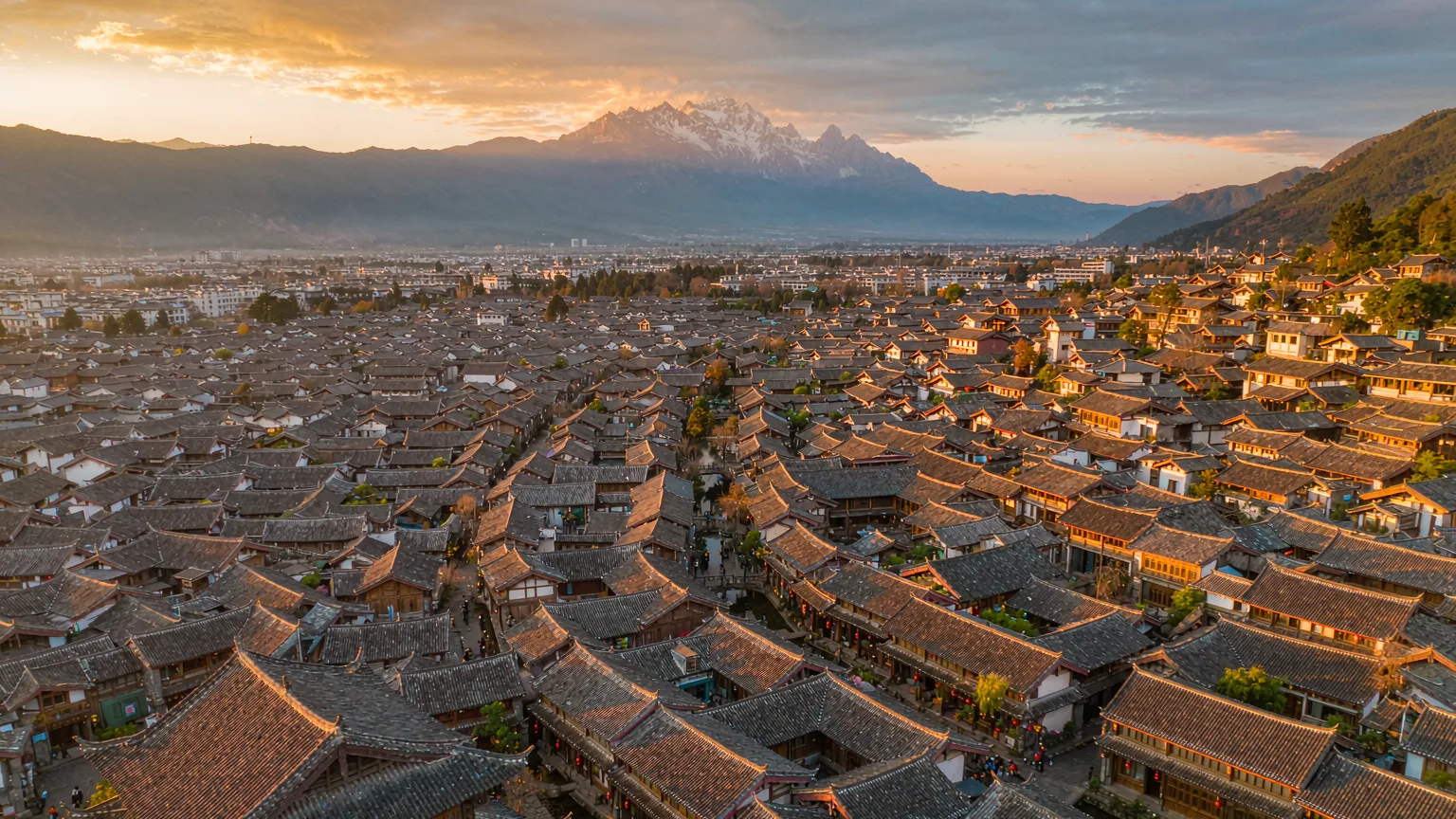
Day three carries no big agenda. Wake early for the gorge's morning light, sunlit walls brightening in sequence while mist lifts off the river, the quietest hour of the day. Check out around ten and let the road do the rest: pause near Qiaotou for distant views of Haba Snow Mountain, or add the ferry overlook toward Daju to bank the last stretch of Golden Sands scenery.
The drive back to Lijiang takes about two and a half hours, landing you early enough for a soft afternoon: coffee in Shuhe, souvenir laps in the old town, or plain rest. Continuing to Shangri-La tomorrow, you can instead turn off at Qiaotou today and convert this leg into the transition into the next region, squeezing more from the same days. Budget runs RMB 500-900 per person depending on charter and lodging tier.
| Getting around |
|
| Budget | Upper Gorge ticket about RMB 45, Middle Gorge trail fee RMB 15-30, two-day charter RMB 600-900 per car: roughly RMB 500-900 pp over three days |
| Best time | May-Jun and Sep-Oct balance flow and weather; Jul-Aug brings maximum roar with rain and rockfall risk; winter is quiet and thin-watered |
FAQs
How do I choose between the Upper and Middle Gorge?
For the roar up close, the Upper Gorge: mature walkways, about RMB 45, low effort. For real hiking, the Middle: a steep drop to the water and far more raw. Do both if you can; if not, the Upper is the keeper.
Is Tiger Leaping Gorge safe in the rainy season?
The main walkways are safe, but respect wet platforms and rockfall warnings in rain. The Middle Gorge path turns to mud after downpours, so skip it in active rain; check weather and road status before setting out.
Does this route suit children or seniors?
Days one and two work well, gentle platforms included; the Middle Gorge descent does not. In the gorge guesthouses, pick low floors or elevators to keep effort minimal.
Do I really need to overnight in the gorge?
Not mandatory, day trips work. But only an overnight buys you morning mist and a quiet canyon outside the tour-group window, so stay if the calendar allows.